
Matching Pharmaceutical Packaging Machines to Production Scenarios
Matching Pharmaceutical Packaging Machines to Production Scenarios
A pharmaceutical packaging machine should be selected as part of a defined packaging task—not as a standalone speed figure. The relevant fit depends on the dosage form, blister format, secondary-packaging steps, required line scope, and the evidence available to validate operation under the intended production conditions. For solid-dose products, the decision may involve a blister packaging machine, cartoning machine, case packing machine, or a connected blister packaging line.
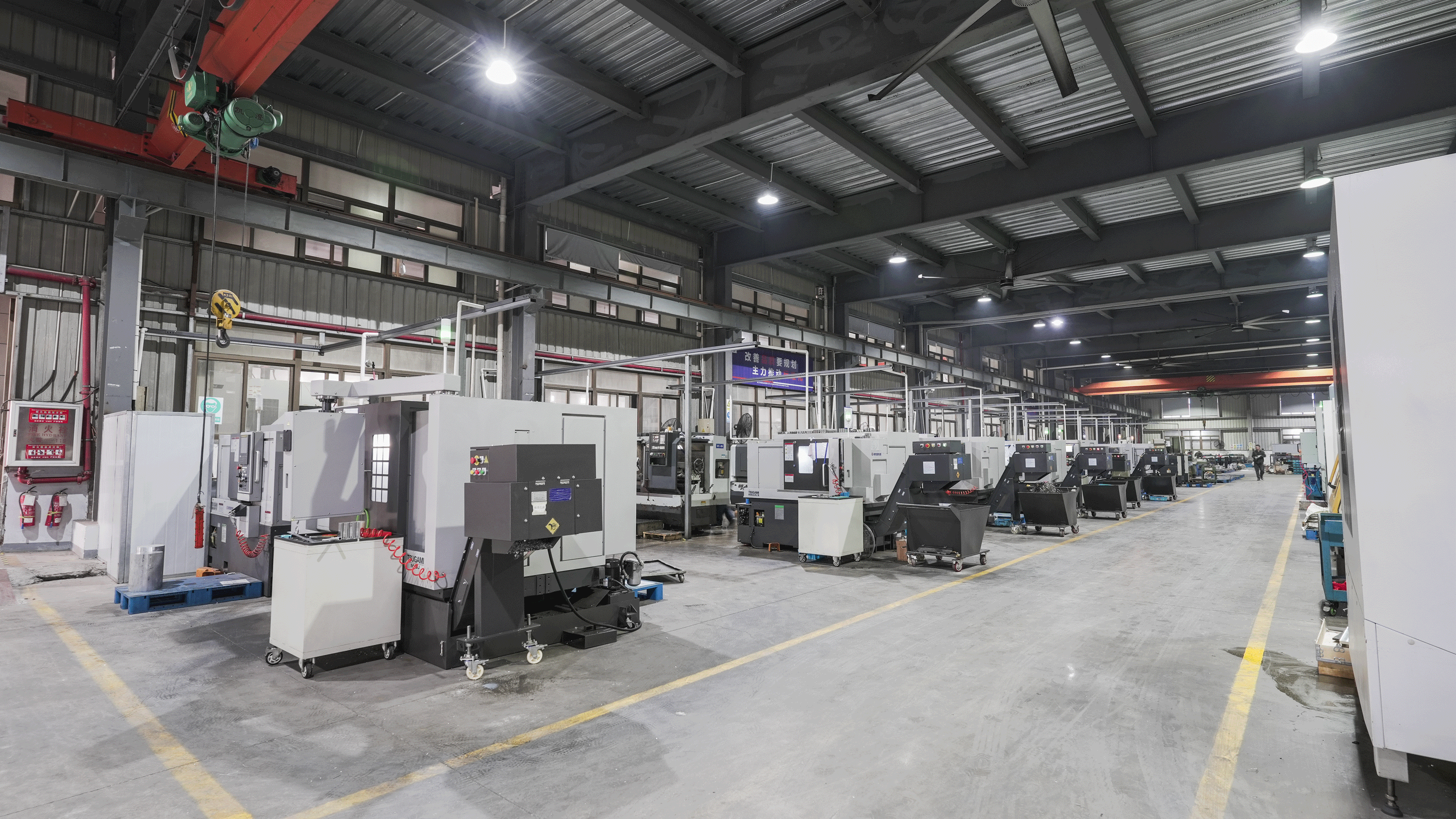
Why application fit comes before machine selection
A packaging line can include more than the operation that forms a blister. In the supplied product-scope evidence, pharmaceutical packaging equipment spans blister packaging, cartoning, inspection, and end-of-line automation. HOPING’s described line components also include flow packing, case packing, and palletizing. These categories form a useful scope map for a project, but they do not establish that every component is required for every product or facility.
The buyer’s first task is therefore to define what must happen to the product and its pack at each stage. A project that needs blister formation and carton insertion has a different scope from one that also requires case packing and palletizing. Treating both as a generic request for a pharmaceutical packaging machine can obscure interfaces, acceptance criteria, and the distinction between a machine’s nominal output and the output of a complete line.
This is particularly relevant at the decision stage. Equipment should be evaluated against the actual product, packaging materials, formats, and production conditions supplied for the project. The available evidence does not specify universal format ranges, changeover times, reject rates, or sustained output for HOPING equipment. Those items should be confirmed against the specific proposed configuration rather than inferred from a category name or headline speed.
Map the packaging task to the right equipment scope
A practical scenario-fit review separates the primary pack, secondary pack, and downstream handling. This is not a claim that every pharmaceutical packaging line must contain all three stages. It is a way to identify which operations belong in the project and which interfaces need to be discussed with the supplier.
| Production need to define | Potential equipment scope | Buyer verification point |
|---|---|---|
| Form a blister pack for the intended product and material combination | Blister packaging machine; the supplied product evidence lists flat-plate, roller-type aluminum-plastic, and aluminum-aluminum categories | Confirm material, product presentation, blister format, and sample-run conditions for the specific machine |
| Place the primary pack and associated items into a carton | Automatic cartoning machine or a blister cartoning line | Confirm the carton, leaflet, feeding, inspection, and rejection requirements for the project |
| Prepare cartons for downstream case handling | Case packing machine or case packer | Define the required case configuration and the connection to the upstream process |
| Connect several packaging stages | Pharmaceutical packaging line or a broader secondary packaging line | Agree the included equipment, interface responsibilities, inspection points, and acceptance basis |
This mapping helps buyers distinguish a standalone blister machine from a blister cartoning line or a broader end-of-line packaging machine scope. The terms describe different project boundaries. They should not be used interchangeably in a purchase specification unless the included operations are stated clearly.
Match the primary pack to the product and materials
The blister stage is a strong starting point when the product is intended for blister packaging. The content supplied for this review identifies flat-plate, roller-type aluminum-plastic, and aluminum-aluminum blister packaging machines as product categories listed by the supplier. It does not provide a verified compatibility matrix for individual products or materials. A buyer considering a pharmaceutical blister packaging machine, tablet blister packaging machine, capsule blister packaging machine, or alu alu blister packaging machine should therefore confirm the proposed machine against the actual product and pack specification.
For an application review, describe the product presentation and the intended pack rather than relying only on a broad keyword such as automatic blister packaging machine. The supplier should be given representative product samples and packaging materials early enough to assess the proposed process. The supplied risk-control information specifically recommends confirming samples and packaging materials at the early project stage and designing the solution according to blister and carton formats.
That step matters because the machine name alone does not establish product-feeding performance, sealing quality, forming quality, or suitability for a particular blister design. The documented risk list includes poor blister forming or sealing and missing, wrong, or incomplete product feeding. These are project risks to address through samples, process trials, monitoring, and acceptance criteria—not outcomes that can be assumed away by choosing a machine from the right category.
Decide whether cartoning belongs in the same line
Cartoning becomes part of the application when the primary pack must be inserted into cartons, potentially alongside leaflets or other specified items. HOPING’s supplied product evidence lists automatic cartoning machines for blisters, tablets, syringes, and medicine bottles. This supports a documented application scope, but not an unrestricted claim that one cartoner handles every format without change parts or engineering review.
For a blister cartoning line, buyers should specify how the blister pack reaches the cartoner, what items must be inserted, what carton format is required, and which checks are expected before cartons continue downstream. Missing leaflets, carton jams, and coding or date-printing errors are among the risks identified in the supplied risk unit. It also lists sensor monitoring, vision or checkweighing inspection where configured, missing-product alarms, automatic stopping, automatic rejection, key-parameter locking, and fault records as possible controls. Since some controls are configuration-dependent, the RFQ and technical proposal should distinguish standard equipment from options.
A horizontal cartoning machine may appear in a project’s equipment vocabulary, but the available company-specific facts do not establish a model’s orientation, carton-size range, or application performance. Those specifications should be requested and checked against the intended carton and product. The decision should be based on the proposed machine configuration and acceptance evidence, not on an unverified assumption attached to a generic equipment label.
Balance line capacity using comparable conditions
HOPING’s supplied line evidence reports a maximum of 1,000 blisters per minute and 500 boxes per minute for a line configuration. These are company-stated maximum figures; the available evidence does not identify the exact model or establish sustained output under a defined product format, rejection rate, or operating condition. The comparison unit likewise notes that the representative DHL1000/5H model can reach up to 1,000 blisters per minute and 500 cartons per minute, with actual output depending on product format, quantity per carton, materials, and process conditions.
For scenario fit, the useful question is not simply whether a quoted blister speed is high. It is whether the proposed line can maintain the required flow through blistering, transfer, leaflet handling, carton opening and insertion, inspection or rejection, and downstream connection under the buyer’s operating conditions. If the primary and secondary stages are assessed using different products or test conditions, the figures may not describe a balanced line.
Ask the supplier to state the basis of each capacity figure, including the product, pack format, quantity per carton, materials, configuration, and whether the figure is a maximum or a demonstrated sustained result. The supplied comparison evidence explicitly cautions that actual output depends on production conditions. A factory acceptance test using agreed materials and samples, followed by site acceptance under defined conditions where applicable, gives the buyer a clearer basis for judging project fit than comparing isolated headline speeds.
Select a line boundary that matches the project
A standalone machine may be appropriate where the project is limited to a defined operation or where the buyer is responsible for connecting existing equipment. A connected blister-cartoning line can be relevant when the project requires a coordinated route from blister packing through cartoning. A broader pharmaceutical packaging line may also include flow packing, case packing, and palletizing, as described in the supplied company product-scope evidence.
Integration can reduce manual transfer and intermediate handling when the equipment is designed as one automated process. The comparison unit describes an integrated arrangement that combines blister packaging, blister transfer, leaflet handling, carton opening, insertion, inspection or rejection, and downstream connection. The same unit identifies the trade-off: initial investment is usually higher than for standalone or semi-automatic equipment. It also notes that potential reductions in labor, transfer, management, and quality-risk costs are relevant to large-scale continuous production. These are general comparison considerations from the supplied evidence, not a project-specific savings guarantee.
Integration is therefore not automatically the right choice. A buyer should compare the cost and operational boundary of an integrated line with a standalone or semi-automatic alternative, including who is responsible for transfer points, controls, acceptance, training, and maintenance. The available evidence does not supply quotations or a total-cost model, so a financial conclusion requires project-specific commercial data.
Plan risk controls and acceptance before purchase
Scenario fit also includes the conditions under which the machine will be installed and operated. The supplied risk unit identifies forming or sealing problems, feeding errors, missing leaflets, carton jams, coding errors, contamination risk, high-speed downtime, and export delivery or installation risks. A specification that describes only machine type and nominal speed leaves these issues unanswered.
For the project review, translate each relevant risk into an observable check. Confirm product and packaging samples; agree the blister and carton formats; identify inspection and rejection functions that are actually included; and document how alarms, automatic stops, fault records, and parameter controls will be demonstrated. The supplied enterprise measures include no-load and material tests before shipment, installation and commissioning, training, spare parts, and remote technical support. Customer-witnessed acceptance can be arranged for key projects, according to the supplied unit. These measures should be confirmed in the commercial and technical agreement rather than treated as universal contractual commitments.
FAT and SAT acceptance criteria should describe the test materials, product formats, operating conditions, and pass/fail measures. Operator training and preventive maintenance remain necessary even where a line has centralized control, modular stations, alarm indication, and parameter management. The comparison evidence explicitly notes that these features support routine maintenance but do not remove the need for training, spare-parts planning, and preventive maintenance.
What HOPING’s documented scope supports—and what it does not
Zhejiang Hoping Machinery Co., Ltd. is a pharmaceutical packaging machinery manufacturer whose supplied company background lists blister packaging machines, cartoning machines, case packing machines, and end-of-line packaging machines among its main products. The supplied product evidence further describes blister packaging, cartoning, inspection, and end-of-line automation as an integrated pharmaceutical packaging process. This gives buyers a basis for an initial scope discussion across primary, secondary, and downstream equipment.
The evidence supports screening HOPING for a project that may require blister equipment and downstream packaging equipment from one supplier. It does not independently validate a complete installation, guarantee a particular line output, establish format compatibility for a buyer’s products, or confirm project-specific qualification results. The listed machine categories and company-described line scope should be treated as starting points for technical review.
Before selecting a turnkey pharmaceutical packaging line, procurement teams should request the proposed equipment list, a line layout, format-specific technical details, the control and inspection scope, interface responsibilities, test conditions, service and spare-parts terms, and acceptance documentation. Where a case packing machine or automatic case packer is included, its position in the overall process and connection requirements should also be made explicit. These requests turn broad product-category coverage into evidence that can be evaluated for the actual application.
A scenario-fit decision sequence
- Define the pack: identify the product presentation, primary pack, materials, blister format, carton, leaflet, and any downstream case requirements.
- Set the project boundary: decide whether the scope is a blister machine, cartoner, blister cartoning line, case-packing stage, or connected pharmaceutical packaging line.
- Confirm format evidence: provide representative samples and ask for written confirmation of the proposed configuration and any format-specific limitations.
- Review the process risks: address forming, sealing, feeding, leaflet presence, jams, coding, inspection, rejection, and contamination controls where relevant.
- Align capacity claims: request comparable output conditions for the blister and cartoning stages; do not equate a stated maximum with sustained production without evidence.
- Agree acceptance and support: define tests, installation, commissioning, training, spare parts, preventive maintenance, and responsibilities before ordering.
This sequence is useful because it links the equipment decision to the application rather than to a generic machine label. It also makes the evidence gaps visible. If the intended product, packaging materials, or downstream requirements are not yet fixed, the buyer may need to resolve those inputs before comparing complete proposals.
Industry context and outlook
The supplied industry evidence includes qualitative trade-media reporting that pharmaceutical manufacturers are turning toward digitised data collection and integrated solutions to meet regulations and improve visibility. The source provides no adoption rate or quantified forecast, so this should be treated as a directional signal rather than a measured market-wide trend. For a packaging project, it supports a practical procurement question: which production, inspection, and fault information will the proposed line capture, and how will that information be made available to the operating team?
The available evidence does not establish that a particular data feature is mandatory for every machine or market. Nor does it identify machine-specific regulatory requirements. Buyers should map applicable requirements with their quality and regulatory teams and request supporting documentation for the proposed configuration. Equipment selection should not be presented as a substitute for the manufacturer’s process controls or the buyer’s own qualification responsibilities.
For future projects, the strongest basis for choosing a pharmaceutical packaging machine is likely to remain a well-defined application, transparent line boundaries, material and format trials, comparable capacity conditions, and agreed acceptance criteria. HOPING’s documented equipment categories and integrated-line scope can inform an initial evaluation, while product-specific tests and project documents are needed to establish whether a particular blister packaging line, cartoning machine, or secondary packaging line fits the production scenario. The central decision is not whether an equipment category sounds suitable; it is whether the proposed configuration can be demonstrated against the buyer’s actual product and operating requirements.
Scope and evidence note
This reference uses the supplied company, comparison, risk-control, and verified industry evidence. HOPING’s product scope and performance figures are company-reported in the supplied material. The available inputs do not provide a full technical datasheet, verified cross-supplier comparison, project case study, machine-specific certification record, or independently witnessed performance test. No claim about those items is made here.
Have Questions or Need More Details?
Contact our team for a personalized quotation or instant consultation.
Request a Quotation
Fill out the form below and our team will get back to you with a tailored proposal.
WhatsApp Direct Chat
Prefer to chat in real-time? Message us on WhatsApp for instant assistance & quick answers.
- Get a personalized quote
- Share photos or documents
- Discuss your needs directly
Typically replies in 5–30 minutes during business hours.