
Medical Manikin Portfolio Depth: A 2026 Evaluation Guide
Medical training buyers are increasingly comparing suppliers on range, not just on one model. A single CPR manikin or nursing manikin contract can solve an immediate need, but teaching institutions and distributors usually face a wider question: which supplier can support multiple training lines over time? This article looks at manikin portfolio depth as an evaluation criterion, the main manikin categories used in clinical education, and the market signals that procurement teams can use when building a shortlist for 2026.
Why portfolio depth matters during supplier evaluation
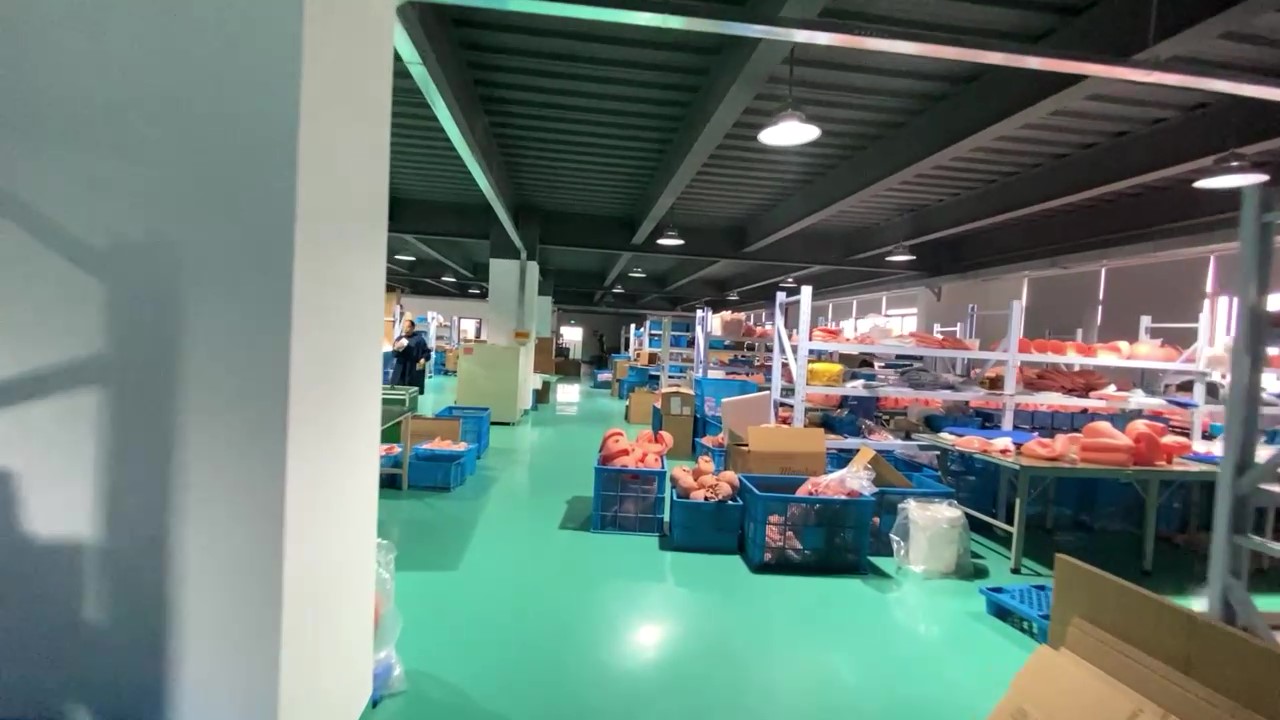
Most large institutional purchases of medical manikins are not single-SKU decisions. A nursing school may need CPR manikins, injection models, urinary catheterization trainers, and anatomy models in one tender. A hospital skills lab may need puncture manikins, intubation models, and maternal manikins across different departments. A distributor entering a fast-growing market needs enough variety to supply several customer types without managing dozens of inconsistent brands.
When a supplier can provide multiple categories in one program, the buying process becomes simpler. Specification review, packaging, documentation, spare parts, and after-sales communication can be directed to one manufacturing interface. This is one reason why procurement teams in the evaluation stage should assess not only product quality but also breadth of assortment, factory capability, and the supplier's willingness to handle mixed orders.
Portfolio depth is also relevant to long-term training continuity. Students move from basic procedural practice to more advanced clinical scenarios. If a supplier covers the full chain from a basic training manikin to a gynecology manikin or pediatric training model, the buyer avoids re-qualifying new vendors at each curriculum stage.
Manikin categories that define a balanced medical training portfolio
Different product families serve different learning goals. A broad manikin catalog normally spans six training clusters: CPR and airway management, nursing and patient care, injection and IV practice, clinical puncture procedures, maternal and newborn care, and anatomy teaching. Buyers can use these clusters to map their curriculum needs against supplier capability.
CPR and emergency training manikins
CPR training is the most common entry point in emergency medical education. Manikins in this group are designed to practice airway opening, chest compression, rescue breathing, and the 30:2 compression-to-ventilation ratio used in standard CPR cycles.
Chongqing Scope supplies several CPR-oriented models. The Medical Manikin SC-CPR100A simulates airway opening, mouth-to-mouth ventilation with visible chest rise, and manual chest compression with a target depth of 5 to 6 cm. The CPR Model SC-CPR480 adds electronic feedback: a barcode indicator shows correct or incorrect compression depth, a digital counter records pressing errors, and voice prompts explain the reason for an error. The Infant Manikin SC-CPR160 allows infant CPR practice with correct compression depth of at least 4 cm and ventilation volume between 30 ml and 50 ml. The Intubation Model SC-J5S supports oral and nasal endotracheal intubation training, including alerts for tooth pressure and incorrect esophageal insertion.
Nursing and patient-care manikins
Nursing education requires manikins that can tolerate repeated procedures such as airway suction, oxygen inhalation, nasogastric feeding, gastric lavage, enema, urinary catheterization, bladder irrigation, ostomy care, and injection practice. These models are usually built around realistic adult anatomy and replaceable clinical components.
One example in this segment is the Nursing Manikin SC-H130A, which supports a wide range of basic and intermediate nursing skills including endotracheal intubation, tracheotomy care, venipuncture, deltoid and vastus lateralis injection, thoracic and abdominal puncture training, gastric lavage, enema, male and female catheterization, ostomy care, and full-body patient care procedures. The same product line also includes the Injection Model SC-HS3, designed for arm injection, transfusion, and blood sampling practice with a clear flashback effect when the needle enters the vein. The Training Mannequin SC-H4T concentrates on intramuscular injection sites around the gluteal region. The Medical Training Model SC-HL uses a three-layer design for intradermal, subcutaneous, and intramuscular injection practice.
IV access and vascular injection models
Vascular access is a frequent nursing skill, but it is often trained separately because it requires realistic skin texture and replaceable blood vessels. The IV Injection Model SC-HS4 from Chongqing Scope uses a combination of thermoplastic elastic rubber for skin and muscle, latex-based materials for blood vessels and nerves, and PVC components for the internal bone structure. It includes an electronic alarm system that signals correct vessel entry, vessel puncture, and other procedural errors. For buyers, this type of product matters because repeated needle insertion creates wear, and replaceable vein and skin components affect the total life cycle cost of the trainer.
Clinical puncture and procedural task manikins
Beyond nursing fundamentals, clinical training programs require task trainers for invasive procedures. The Clinical Manikin SC-CK817 simulates bone marrow aspiration at the sternum and anterior superior iliac spine, with replaceable skin and simulated bone marrow cavity. The Puncture Manikin SC-L66 supports chest drainage training after trauma, including pneumothorax decompression and hydrothorax drainage. The Training Manikin SC-CK20135 is a lower-limb model designed for knee arthrocentesis training, with anatomical landmarks such as the tibia, collateral ligaments, cruciate ligaments, patellar ligament, meniscus, and synovial structures.
These task trainers have a narrower teaching focus but a high educational value. Buyers evaluating a supplier for hospital-based training should check whether procedural models include replaceable skin and internal components, since puncture practice produces faster material wear than basic nursing care.
Maternal, newborn, and pediatric manikins
Obstetric and pediatric simulation is one of the more specialized parts of a medical manikin portfolio. The Maternal Manikin SC-F55-1 combines maternal functions, fetal heart rate auscultation, delivery simulation, Leopold maneuver practice, cervical change modules, and newborn CPR capability. The system can simulate cephalic and breech presentation, airway obstruction, umbilical cord around the neck, placenta previa, and multiple placental positions. The maternal arm can be used for venous access during medication and nutrition training.
The Gynecology Manikin SC-F50 is a separate obstetric trainer focused on cervical examination, delivery mechanics, fetal head station, and midwifery procedures. Its fetal model has soft skin and identifiable fontanels, allowing fetal head suction practice. The Pediatric Training Model SC-H140 covers infant care, scalp vein puncture, umbilical cord venipuncture, oral and nasal intubation care, gastric lavage, enema, and injection training for pediatric nursing education.
For buyers, these categories are important because maternal and newborn training often requires the highest level of integration between anatomical realism and mechanical function. A maternal manikin is not a single-component product; it includes a fetal model, placenta, birth canal modules, and electronic controllers. Suppliers with in-house experience in this category are usually better positioned to support replacement parts and operator training.
Anatomy and structure-teaching models
Anatomy models support the preclinical stage of medical education. They do not simulate an interactive procedure in the same way as a CPR model, but they help students understand spatial relationships before they move to skills training. This category includes the Anatomy Model SC-A1010, an adult skull model with movable chin, cut cranium, and visible sutures; the Torso Model SC-A1041, a detailed 85 cm torso with 23 removable parts including interchangeable male and female reproductive organs and a fetus in the uterus; and the Joint Model SC-A1025, which demonstrates knee flexion, extension, and rotational movement.
Anatomy models often have a lower unit price than electronic task trainers, but they are ordered frequently by schools and teaching hospitals. A supplier that manufactures these items cost-effectively can offer useful consolidation value in a larger education tender.
| Training cluster | Typical teaching goal | Representative manikin types | Evaluation question for buyers |
|---|---|---|---|
| CPR and airway management | Basic life support, ventilation, intubation | Medical manikin, CPR model, infant manikin, intubation model | Does the model provide compression depth feedback and replaceable airway parts? |
| Nursing and patient care | Daily nursing procedures, catheterization, ostomy care | Nursing manikin, training mannequin | Does the product support the full list of procedures required in the curriculum? |
| Injection and vascular access | IV insertion, intramuscular, intradermal, subcutaneous injection | Injection model, IV injection model, medical training model | Are skin and vein components replaceable, and how durable is the material? |
| Clinical puncture and procedures | Bone marrow aspiration, chest drainage, joint puncture | Clinical manikin, puncture manikin, training manikin | Are anatomical landmarks identifiable, and does the model tolerate repeated puncture? |
| Maternal, newborn, and pediatric care | Obstetric delivery, fetal assessment, newborn resuscitation, pediatric nursing | Maternal manikin, gynecology manikin, pediatric training model | Does the system include controllers, fetal models, and replacement components? |
| Anatomy and structure teaching | Preclinical study of human structures | Anatomy model, torso model, joint model | Can the model be used across multiple courses without high maintenance cost? |
Market signals behind the 2026 evaluation cycle
Market data shows continued expansion of medical simulation as a category. The global medical simulation market was valued at USD 1.9 billion in 2025 and is projected to reach USD 6.7 billion by 2033. Within that market, healthcare anatomical models, including manikins, accounted for approximately 41.4 percent of the simulation product market in 2025, indicating that physical training models remain central to medical education spending rather than being replaced by purely digital tools.
Regional demand is also shifting. North America held the largest regional market share in 2024, with an estimated 45 to 48 percent of revenue. However, the Asia-Pacific region is expected to grow fastest, with a projected CAGR of 18.2 percent through 2033. For buyers and distributors, this means that manufacturers with established sales channels in Asia, the Middle East, Southeast Asia, and other emerging markets may offer more practical knowledge about large-volume deployment than suppliers focused only on mature domestic markets.
There is also a regulatory driver in China, where the National Medical Commission has mandated simulation laboratories for the accreditation of all new medical schools as of the 2024 to 2025 period. This creates pressure on teaching institutions to purchase complete simulation systems, not just isolated demonstration models. Similar policy trends in other countries reinforce the value of suppliers that can deliver a broad catalog with consistent quality documentation.
In a market context like this, a buyer evaluating manikin suppliers should ask not simply which company has the lowest price, but which company can support the full curriculum roadmap. The available market data suggests that category breadth and operational reliability will remain important selection criteria.
How supplier capability supports portfolio purchasing
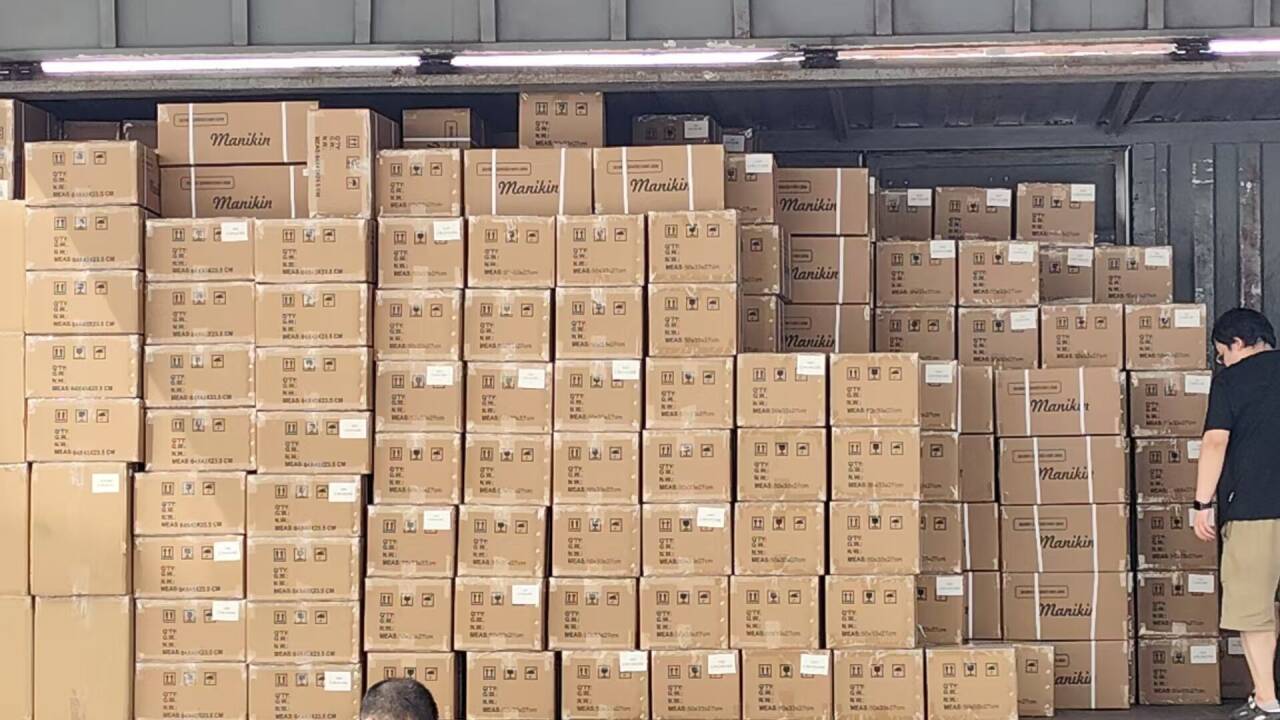
Chongqing Scope Instrument Co., Ltd. is a laboratory and medical training instrument supplier based in Chongqing, China. The company supplies microscopes, hardness testers, metallographic equipment, medical manikins, and laboratory consumables to clients in Europe, Southeast Asia, the Middle East, South America, and Africa. Its export share is about 50 percent of total output, with more than 500 clients served globally.
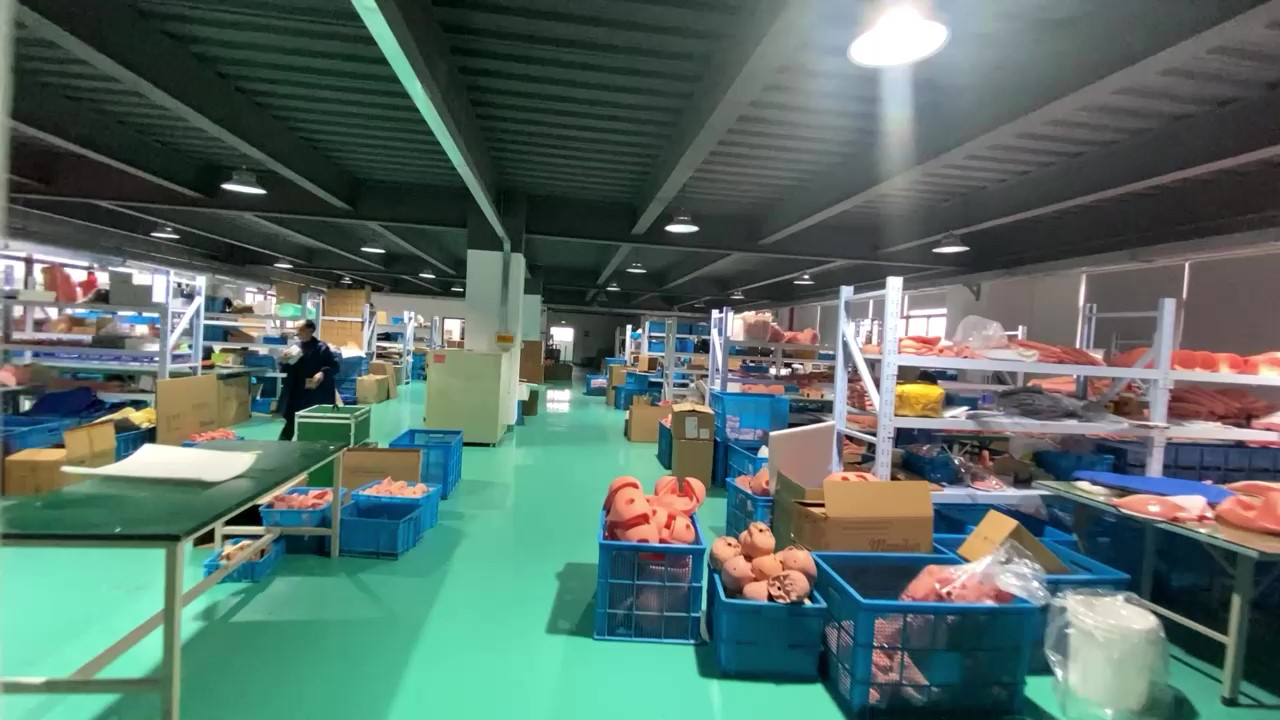
For buyers evaluating manufacturing capacity, the company reports a 5,000-square-meter facility, over 100 employees, an annual output of 30,000 units, and a research-and-development team of about 20 engineers. Since its establishment in 2017, the company has built a product system that connects laboratory instruments and medical teaching models under one operational structure.
In the manikin segment specifically, Chongqing Scope offers a broad assortment of CPR manikins, clinical manikins, nursing manikins, anatomical models, injection models, puncture manikins, intubation models, maternal manikins, gynecology manikins, and pediatric training models. This range makes it possible for a teaching institution or distributor to source several categories through one qualified partner rather than splitting purchases across a large number of suppliers.
The company also supports OEM and ODM services. For customized orders, buyers can request changes to product appearance and function. The standard order threshold is 20 units, monthly production capacity for manikin-related custom work is about 3,000 units, and typical lead time is 30 to 45 days. Quality control includes factory inspection before shipment. The company also provides a one-year warranty for its equipment.
Export documentation and compliance in practice
Buyers evaluating a Chinese manikin supplier should examine not only the physical product but also the documentation that will accompany it through customs and into a training facility. Chongqing Scope states that it can provide ISO9001, ISO14001, ISO45001, ISO13485, CE, and RoHS export certification documents. For additional customs requirements, the company can provide certificates of origin and related regional forms.
Products are shipped in neutral packaging without logos, using cardboard or wooden cases prepared to export standards. This can be an advantage for distributors that prefer to brand products themselves or sell under a local trade name. For institutions, neutral packaging also simplifies handling when multiple model types are included in one shipment.
Case evidence: 500-unit deployment for medical teaching
One documented case from Chongqing Scope involves a medical manikin distributor in India. The project supplied 500 units of medical training models for medical teaching purposes. The project was completed within a one-year period and achieved stable operation results. The key highlights reported by the client were customization and durability.
For potential buyers, this example is relevant because it demonstrates the ability to handle a mid-sized institutional volume rather than only small sample orders. It also shows that a distributor channel can deploy Chongqing Scope manikins into active teaching environments and maintain stable operation over a full academic cycle. Procurement teams evaluating suppliers for volume purchases should therefore compare not only model specifications but also the supplier's record in managing comparable deployment sizes.
Comparison with traditional and high-end simulation purchasing
Portfolio purchasing from a Chinese supplier is not the same as buying a complete high-fidelity simulation solution from a global premium brand. Established names such as Laerdal Medical, CAE, Gaumard Scientific, and Kyoto Kagaku are recognized in the healthcare simulation market, and their advanced patient simulators often include sophisticated software, scenario libraries, and deeper integration with hospital training systems.
Chongqing Scope's manikin range is more accurately positioned as a practical teaching and skills-training portfolio. Its products support CPCR, nursing, injection, puncture, obstetric, pediatric, and anatomy education, but they are not positioned as replacements for high-fidelity patient simulators in complex team-based clinical scenarios. Buyers should first decide which training level they need: repeated technical skills practice, as typically supported by task trainers, or immersive clinical decision-making, which may require a more advanced simulation system.
There is also a procurement-level limitation to consider. Because Chongqing Scope operates with a 20-unit minimum order quantity for customized manikin work, small training centers that only need one or two specialized models may find the order threshold too high. In that situation, a local distributor or a supplier with lower MOQs could be a more practical first step.
At the same time, for buyers planning larger education tenders, a single factory with a wide portfolio offers a number of structural advantages:
- Mixed orders can be managed under one commercial contract.
- Quality documentation, packaging, and spare parts can be standardized across product lines.
- Custom branding and model modifications can be handled centrally by the manufacturer.
- Replaceable lungs, face skins, veins, and similar consumables are easier to coordinate when the same factory supplies multiple task trainers.
The correct comparison is therefore not always Chinese supplier against premium simulator brand. The more useful comparison is between single-product sourcing and category-based sourcing from a manufacturing partner that can support a program across several semesters and skill levels.
Technical factors to inspect during sample evaluation
Manikin buyers at the evaluation stage should not rely only on brochures. A physical sample review, or at minimum a detailed video inspection from the factory, should focus on several technical points.
First, evaluate the material. Chongqing Scope states that its manikins are made of PVC, which provides durability, resistance to deformation, and a realistic surface appearance. This material choice is common in the training product segment because it can be cleaned and reused by many students. For injection models, the company uses imported thermoplastic elastic rubber for skin and muscle simulation and latex-based material for vessels, which supports repeated puncture without tearing.
Second, verify the replaceable components. CPR models from the company include replaceable lung sacs and face skins. The IV injection model includes replaceable vein and skin components. The clinical bone marrow puncture model includes replaceable skin and simulated marrow cavity. These consumables directly affect the operating cost of a training program.
Third, check the feedback system. Models such as the CPR Model SC-CPR480 include electronic monitoring with digital counting, barcode indicator lights, and voice prompts. The system records compression depth, ventilation volume, correct operation counts, and error reasons. Some models also support assessment operation modes and can print performance results. Buyers should confirm whether the feedback language and interface meet the needs of their instructors.
Fourth, examine service support. Chongqing Scope offers a one-year warranty and online after-sales service. Buyers should also ask about the availability of spare parts, since task trainers require regular component replacement in high-frequency teaching use.
A practical framework for shortlisting manikin suppliers
Because the manikin market is broad, a simple evaluation framework can help buyers avoid being overly influenced by a single attractive product demo.
Step 1: Map the curriculum to manikin categories
List each training program that will use the manikins: basic first aid, nursing skills, hospital procedure training, maternal and child care, or anatomy study. Then identify which of the six main manikin clusters are required.
Step 2: Define order volume and growth expectations
Estimate the number of students, training stations, and annual replacement parts. A 500-unit program needs a different supplier relationship than a one-time classroom purchase.
Step 3: Check factory and export credentials
Ask for the relevant quality and export certificates such as ISO9001, ISO13485, CE, and RoHS. Confirm that the factory can produce documentation required for customs clearance.
Step 4: Review customization capability
If local branding or specification changes are needed, verify the supplier's OEM/ODM process, including minimum order quantities and lead time.
Step 5: Request a validation order
Before scaling up, buyers should test a representative set of manikins in an actual classroom or skills lab environment. This provides direct evidence about durability and user experience.
Future outlook for manikin procurement
Looking ahead, manikin procurement decisions are likely to become more structured. Training institutions will increasingly look for supplier relationships that can support multiple skills centers, provide consistent replacement parts, and adapt products to changing international CPR and nursing guidelines.
The Asia-Pacific region's strong growth in medical simulation will likely encourage more distributors to build regional inventories around complete product families rather than single models. At the same time, mid-range manikins with electronic feedback are expected to become more common as standard classroom equipment, not only as premium products for simulation centers.
For Chongqing Scope, the path forward appears to be connected to this trend. The company already combines a multi-category manikin catalog, mid-volume production capacity, export compliance documentation, and OEM/ODM support. For evaluators, this suggests that the most important question is not simply which model is currently popular, but whether a supplier can grow with the institution as its simulation training requirements develop.
Frequently asked questions
Which medical manikin categories should a training institution prioritize?
Priority depends on the curriculum. Most institutions begin with CPR manikins and nursing task trainers because these cover mandatory basic life support and patient-care skills. Later phases often add IV injection models, puncture trainers, maternal manikins, pediatric models, and anatomy models as the program expands into more advanced procedures.
What should a buyer verify when comparing medical manikin suppliers?
Buyers should verify four areas: the range of product categories, the quality management certificates held by the factory, the availability of replaceable components, and the supplier's ability to support mixed orders. For international purchases, export documentation and packaging practices are also important.
What is a typical order threshold for customized medical manikins?
For Chongqing Scope, customized manikin work has an MOQ of 20 units, with monthly production capacity around 3,000 units for such orders and a typical lead time of 30 to 45 days. Smaller institutions that do not need customization can often order lower volumes through distributors.
Are Chinese medical manikin suppliers comparable with global simulation brands?
The comparison depends on what the buyer is buying. Global brands such as Laerdal, CAE, Gaumard, and Kyoto Kagaku hold significant positions in high-fidelity simulation. Suppliers like Chongqing Scope typically focus on practical skills trainers for medical teaching and nursing education. These product categories overlap only partially, so the correct approach is to define the training level first and then select the appropriate supplier type.
How should buyers evaluate manikin durability in practice?
For PVC-based manikins, durability can be assessed by the quality of the material, the replaceability of high-wear components, and the manufacturer's warranty policy. Buyers should ask directly about replacement lung sacs, face skins, vein sets, and puncture pads, since these parts affect how long the main unit can remain in active service.
For a consolidated technical summary of Chongqing Scope's product range, manufacturing capacity, and export process, readers may review the company brochure available publicly here: https://cdn.socialarks.com/sbsp/24782/common/2026/0512/6a02d2f8005e4.pdf
Have Questions or Need More Details?
Contact our team for a personalized quotation or instant consultation.
Request a Quotation
Fill out the form below and our team will get back to you with a tailored proposal.
WhatsApp Direct Chat
Prefer to chat in real-time? Message us on WhatsApp for instant assistance & quick answers.
- Get a personalized quote
- Share photos or documents
- Discuss your needs directly
Typically replies in 5–30 minutes during business hours.