
Medical Titanium Bar: Precision Raw Material for Implant Manufacturing
Industry Overview: The Growing Demand for Medical-Grade Titanium Bars
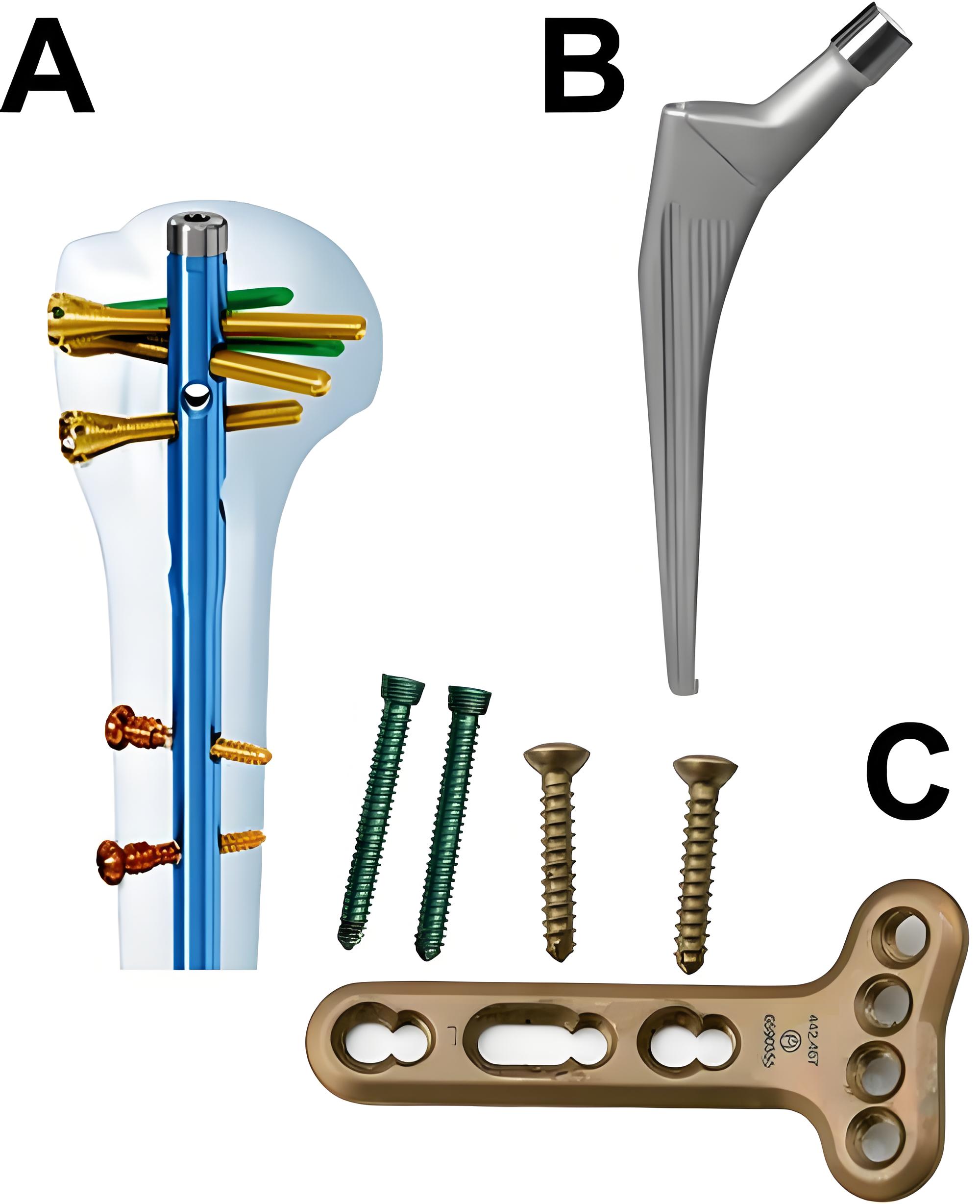
The medical grade titanium materials market is estimated at USD 5.21 billion in 2025 and is projected to reach USD 9.56 billion by 2034. Within this space, medical titanium alloy alone represents a USD 1.45 billion market in 2025, growing at a 7.5% CAGR through 2033. Orthopedic implants hold the largest application share, accounting for approximately 42.3% of revenue. As the global population ages and minimally invasive procedures expand, the demand for high-precision, biocompatible raw materials — particularly medical titanium bars — is intensifying.
The Challenge: Meeting Stringent Requirements for Surgical Implants
Manufacturers of orthopedic and dental implants face a core problem: sourcing titanium bar stock that simultaneously meets strict international standards, offers precise dimensional tolerances, and delivers consistent mechanical properties across every batch. Traditional materials such as stainless steel and cobalt-chrome are increasingly being replaced by titanium alloys due to titanium's superior biocompatibility, corrosion resistance, and high strength-to-weight ratio. However, not all titanium bar suppliers can guarantee the microstructural uniformity and cleanliness required for load-bearing implants like bone screws, joint stems, and spine rods.
BOSSIN's Solution: A Dedicated Medical Titanium Bar Portfolio
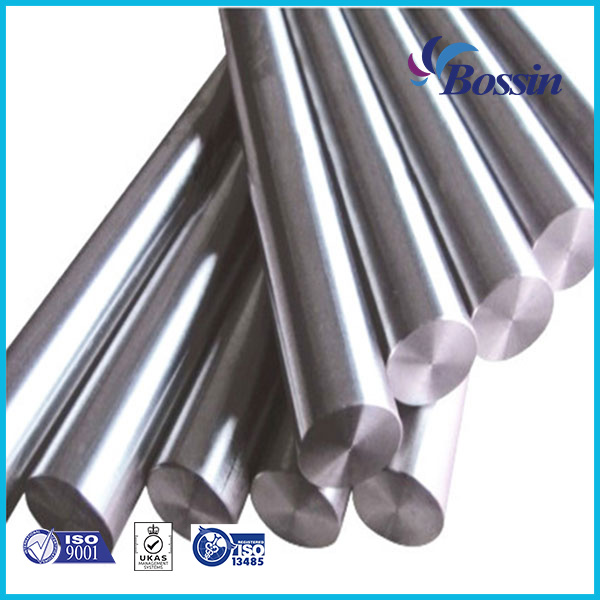
XI'AN BOSSIN METAL TECHNOLOGY CO.,LTD., established in 2008, is a manufacturer specializing in Titanium and Nitinol materials. The company's dedicated Medical Titanium Bar (also called implant titanium bar) conforms to ASTM F136, ISO5832-3, ASTM F67, and ISO5832-2 — the primary international standards for high-strength Ti-6Al-4V ELI alloys and unalloyed titanium used in surgical implants. The bar is available in grades GR1, GR2, GR3, GR4, GR5 ELI, Ti 6AL4V ELI, and GR23. The diameter range is 1.0 mm to 100 mm with lengths up to 6000 mm. Dimensional accuracy meets h6, h7, h8, h9 specifications with a tolerance of 0.005 mm. Microstructure is controlled to ETTC-2, A1-A3, ensuring fine, uniform grain structure critical for fatigue resistance. The company supplies specific diameters tailored to bone screws (Φ3.5–Φ10.0 mm), spine applications (Φ13.5–Φ17.0 mm), bone joints (Φ30.0–Φ65.0 mm), and dental implants (Φ3.0–Φ20.0 mm). Dental titanium discs are also available in dimensions Φ98×10–25 mm and 220×150×10–25 mm.
Technical Excellence: In-House Production and Quality Control
BOSSIN operates a complete in-house production line from raw materials to finished products, covering melting, forging, rolling, and final finishing within a 50,000 m² facility located in Baoji High-tech Zone (known as "China's Titanium Valley"). The company employs approximately 150 staff, including a 30-engineer R&D team, and has an annual production capacity of 5,000 tons. Each batch undergoes rigorous testing in laboratories accredited to ISO/IEC 17025. Special requirements for critical applications include 100% ultrasonic testing (UT) and end-to-end quality traceability. The company is certified to medical device quality standards including ISO13485, ISO9001:2015, and EN9100:2018. Every batch order is accompanied by a factory inspection certificate.
Diverse Applications Across Medical and Industrial Sectors
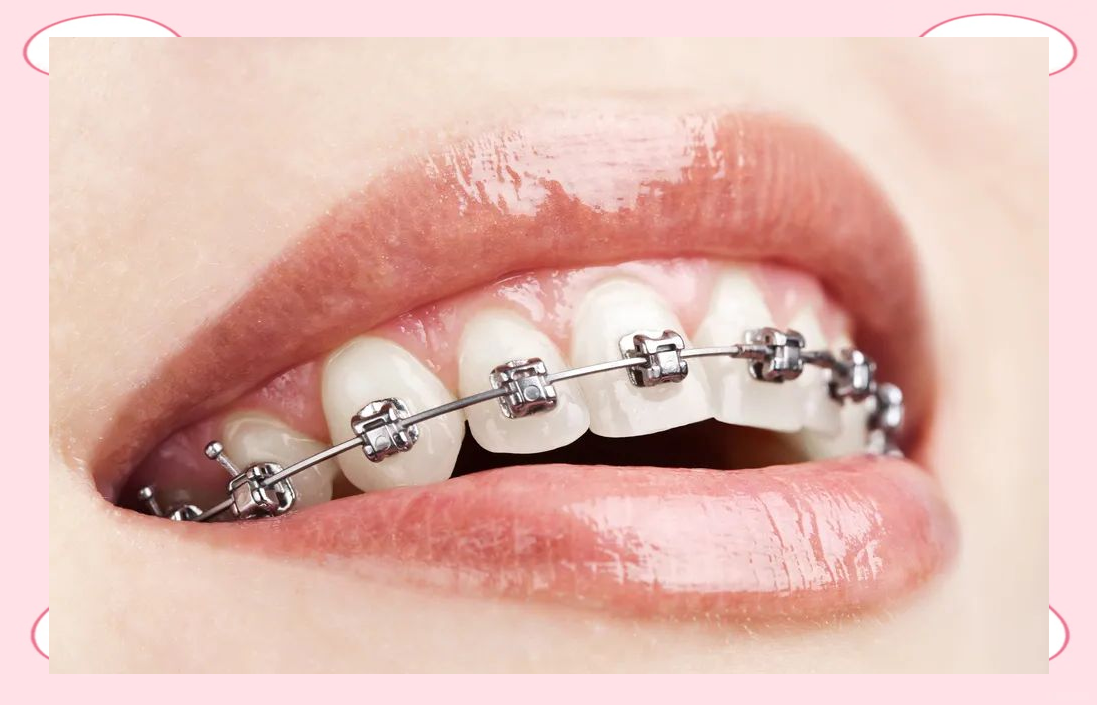
The Medical Titanium Bar serves as the foundational raw material for a wide range of surgical implants: bone plates, bone screws, joint stems, spinal fusion rods, and dental implant abutments. Beyond medical, the same titanium bar grades are used in aerospace structural parts, 3D printing feedstocks, petrochemical corrosion-resistant components, marine engineering equipment, and 3C electronics. BOSSIN's titanium wire (0.03–6.0 mm diameter) and titanium plate (0.3–100.0 mm thick) complement the bar product line, enabling a full material supply for implant manufacturers. The company also offers specialized Nitinol products — wires, strips, cables and plates — for shape-memory and superelastic applications such as vascular stents, orthodontic archwires, and guide wires.
Market Trend Analysis: Rising Export Volumes and Global Demand
China's cumulative export volume of titanium rods, bars, and profiles increased by 21.85% year-on-year as of March 2025, reflecting strong global appetite for cost-effective, high-quality titanium mill products. Simultaneously, the Nitinol-based medical device market (valued at USD 4.1 billion in 2024) is growing at a 7.1% CAGR, driven by increasing adoption of minimally invasive devices. As leading global suppliers expand melting capacity — Fort Wayne Metals, for example, doubled its nitinol melting output between 2022 and 2024 — competition raises the bar for consistency and traceability. BOSSIN positions itself through vertical integration and export experience: 80% of its output is sold overseas, including markets such as Korea, Brazil, India, Turkey, Germany, and Switzerland.
Comparison with Traditional Solutions
Compared to stainless steel (316L) and cobalt-chrome alloys, medical titanium bars offer superior biocompatibility (no nickel allergy concerns in grades like GR1/GR2), better corrosion resistance in bodily fluids, and a higher strength-to-weight ratio that allows lighter implant designs. The ASTM F136 / ISO5832-3 standard ensures consistent chemistry and mechanical properties for the most demanding load-bearing implants. A key limitation, however, is that titanium alloys are generally more expensive than surgical stainless steel, and machining requires specialized tooling and slower cutting speeds — a factor implant manufacturers must include in their cost calculus.
Future Outlook: Toward Customized, High-Purity Titanium Bars
As additive manufacturing (3D printing) of medical implants becomes more mainstream, the demand for fine-diameter titanium wire and high-purity bar stock for powder atomization will grow. BOSSIN's existing capability to produce titanium wire down to 0.03 mm and medical titanium bar with 0.005 mm tolerance positions it to serve this emerging requirement. Furthermore, regulatory bodies are tightening requirements for material traceability and cleanliness, favoring suppliers with full-process quality control. With its end-to-end production chain and ISO13485 certification, BOSSIN is well placed to meet these evolving demands.
Frequently Asked Questions
1. What international standards does a medical titanium bar need to meet for implant use?
For high-strength Ti-6Al-4V ELI alloys, the primary standards are ASTM F136 and ISO 5832-3. For unalloyed commercially pure titanium, ASTM F67 and ISO 5832-2 are the relevant standards. Products must also demonstrate compliance with medical device quality management standards such as ISO 13485.
2. What diameter ranges are commonly available for medical titanium bars?
Medical titanium bars typically range from 1.0 mm to 100 mm in diameter, with lengths up to 6000 mm. Common diameters include 3.5–10 mm for bone screws, 13.5–17 mm for spine rods, 30–65 mm for joint reconstruction, and 3–20 mm for dental implants.
3. How does the surface finish and dimensional tolerance affect implant performance?
Surface finish (bright, polished, pickling) impacts osseointegration and corrosion resistance. Dimensional tolerances of h6–h9 (typical tolerance 0.005 mm) ensure precise fit between implant components and instruments, reducing stress risers and improving fatigue life.
4. What are the typical applications of medical titanium bars beyond orthopedics?
In addition to orthopedic and dental implants, medical titanium bars are used in cardiovascular devices, surgical instruments, and as raw material for 3D printing feedstocks. Outside medicine, they serve aerospace structural parts, petrochemical valves, marine hardware, and consumer electronics.
5. How does the material cost compare with traditional surgical stainless steel?
Titanium alloys are generally more expensive than stainless steel 316L, both in raw material cost and machinability. However, the long-term benefits — patient safety, lighter implants, better MRI compatibility, and reduced revision rates — often justify the premium for load-bearing and permanent implants.
For detailed specifications and batch traceability documentation, download the BOSSIN company brochure: BOSSIN Product Brochure (PDF).