
Mini Machinery Shortlist: Comparing the CR468C Minidozer and FAW Truck Options
Mini Machinery Shortlist: Comparing the CR468C Minidozer and FAW Truck Options
A mini loader and a truck solve different material-flow problems. In this shortlist, the CHARY CR468C Minidozer is the equipment option to examine when the task is controlled movement and handling at the work area; FAW TRUCK options are relevant when the task is carrying or transporting goods. They should not be treated as direct substitutes just because both appear in a mini machinery procurement search.
Qingdao Chary Machinery Co., Ltd lists mini machinery, minidozer, mini loader, mini electric loader and skid steer loader among its product categories. The CR468C is specified as a remote-control lithium-battery rubber-track minidozer. The supplied FAW TRUCK product data, by contrast, lists truck configurations such as cargo or rigid trucks, dump trucks, tractor trucks and concrete mixer trucks. For buyers at the research-to-evaluation stage, the useful comparison is therefore not “which machine is universally better?” It is “which equipment role matches the project’s material-flow step?”
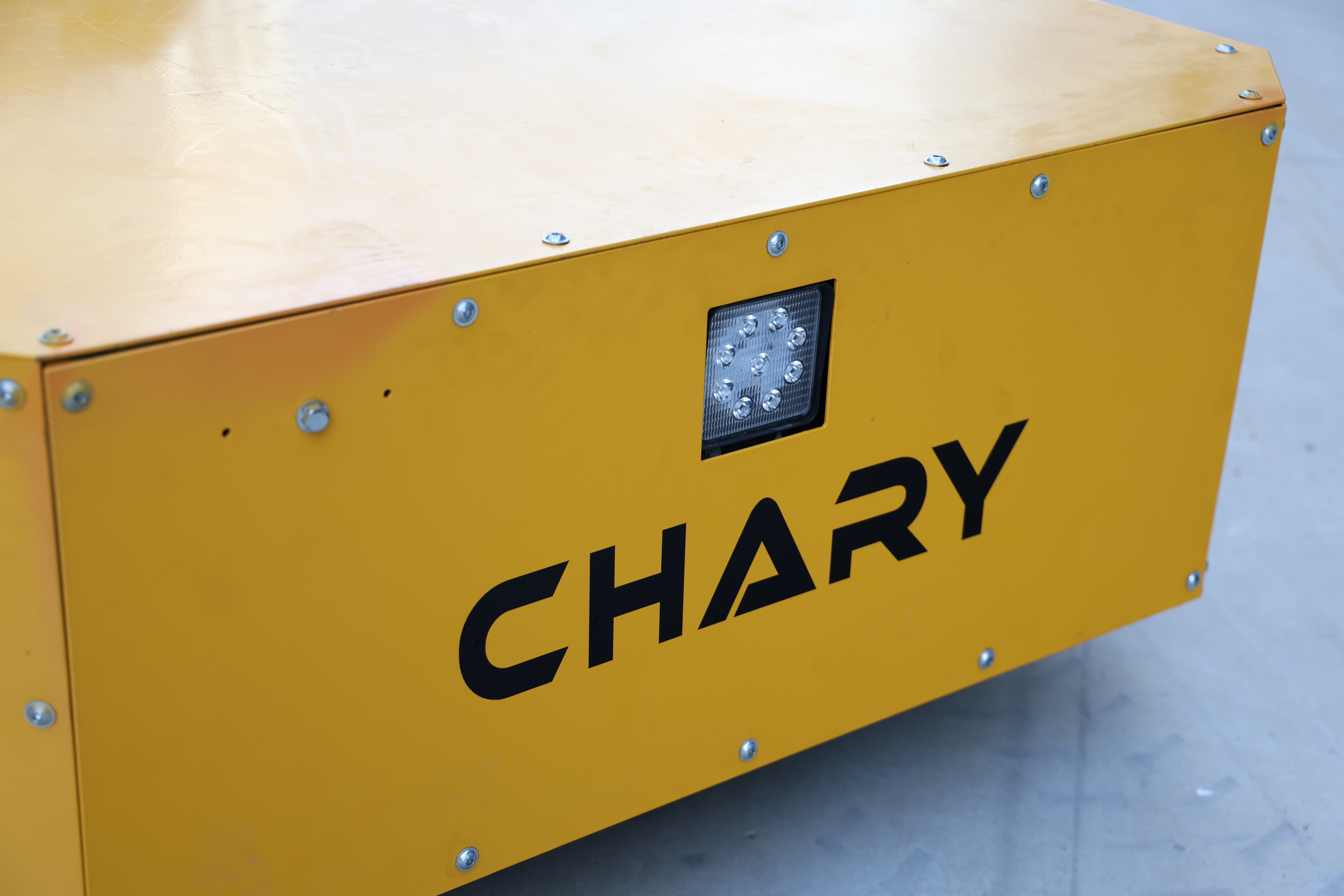
The shortlist starts with the job, not the product label
“Mini loader” is often used as a broad search term for compact equipment, but the supplied facts do not establish that every machine in the list performs the same task. A loader or minidozer is considered here as equipment for handling material at a work area; a truck is considered as a vehicle for carrying or transporting it. That distinction is the first screening rule.
For a project involving localized movement, cleanup or loading, start by checking whether the machine’s dimensions, load rating, bucket and operating method fit the work area and material. For a project involving transport between locations, start with the vehicle body or truck type, payload and route requirements. The available product information provides some CR468C specifications and broad FAW truck ranges, but it does not provide enough matched data to compare their productivity, operating costs or overall suitability numerically.
This framing matters because comparing unlike equipment by a single headline specification can produce a misleading shortlist. A truck’s stated weight range is not equivalent to a minidozer’s rated load. A truck’s body type is not a bucket capacity. The first decision is the function required; model-level qualification follows only after that function is clear.
What the CR468C specification establishes
The CR468C product specification identifies a remote-control lithium-battery rubber-track minidozer. It lists an overall dimension of 2,850 × 1,200 × 600 mm, a self weight of 1,100 kg, a rated load capacity of 450 kg, a bucket width of 1,200 mm and a bucket capacity of 0.15 m³. It also lists a 200 m control distance, a maximum driving speed of 4 km/h and a maximum steering angle described as a 360° spin in place.
The specification further states a 73.6 V battery with a 300 Ah capacity, motor power of 7.5 kW, a charging time of about two hours and working hours of about eight hours. These are supplied product specifications, not independently reported test results. Buyers should treat them as the starting point for technical review and confirm the exact configuration, measurement conditions and documentation for the unit being quoted.
For a mini-loader evaluation, the practical value of these fields is that they allow an initial fit check. The stated width and overall dimensions can be compared with the site’s access and clearance requirements. The rated load and bucket capacity can be checked against the material and handling cycle. Remote operation and the stated control distance can be evaluated against operator position, visibility, obstructions and the work-zone layout. The battery and charging figures can be compared with the planned duty cycle and available charging arrangement.
Those comparisons should not be turned into assumptions about output. The supplied data does not state a measured hourly throughput, grade-specific performance under a defined load, battery endurance under a specific material or temperature, or a verified turning-radius test. Where the job is safety-critical or operationally demanding, request the applicable manual, configuration sheet and test evidence rather than extrapolating from a headline specification.
What the FAW TRUCK options represent
The supplied FAW TRUCK content covers multiple vehicle categories and model names, including J6L, NEW J5P, JK6, Tiger v, JH6 and J6P. Listed types include tractor truck, dump truck, cargo or rigid truck, light truck, concrete mixer truck and other specialized truck configurations. The product-unit data gives a truck weight range of 3,000–15,000 kg and a size range from 6,000 × 2,300 × 3,000 mm to 12,000 × 2,550 × 3,800 mm. It also lists ABS/EBS/TCS as security configurations and says tire specifications are available based on customer needs.
These details are useful for identifying the transport-oriented branch of a shortlist, but they do not define a single FAW configuration. The listed model names and truck types cover different vehicle arrangements. A buyer must identify the exact model, body, axle arrangement, configuration and intended market before comparing a quote with another option. The broad ranges should not be read as the dimensions or specifications of every individual truck.
The supplied application information associates FAW truck options with transport contexts such as logistics and distribution, fleet operations, coal and mineral transport, port logistics, construction materials transport, cold-chain transport and urban distribution. These are stated application categories, not evidence that every FAW model is suitable for every route, load or operating condition. Vehicle selection still depends on the task and the confirmed configuration.
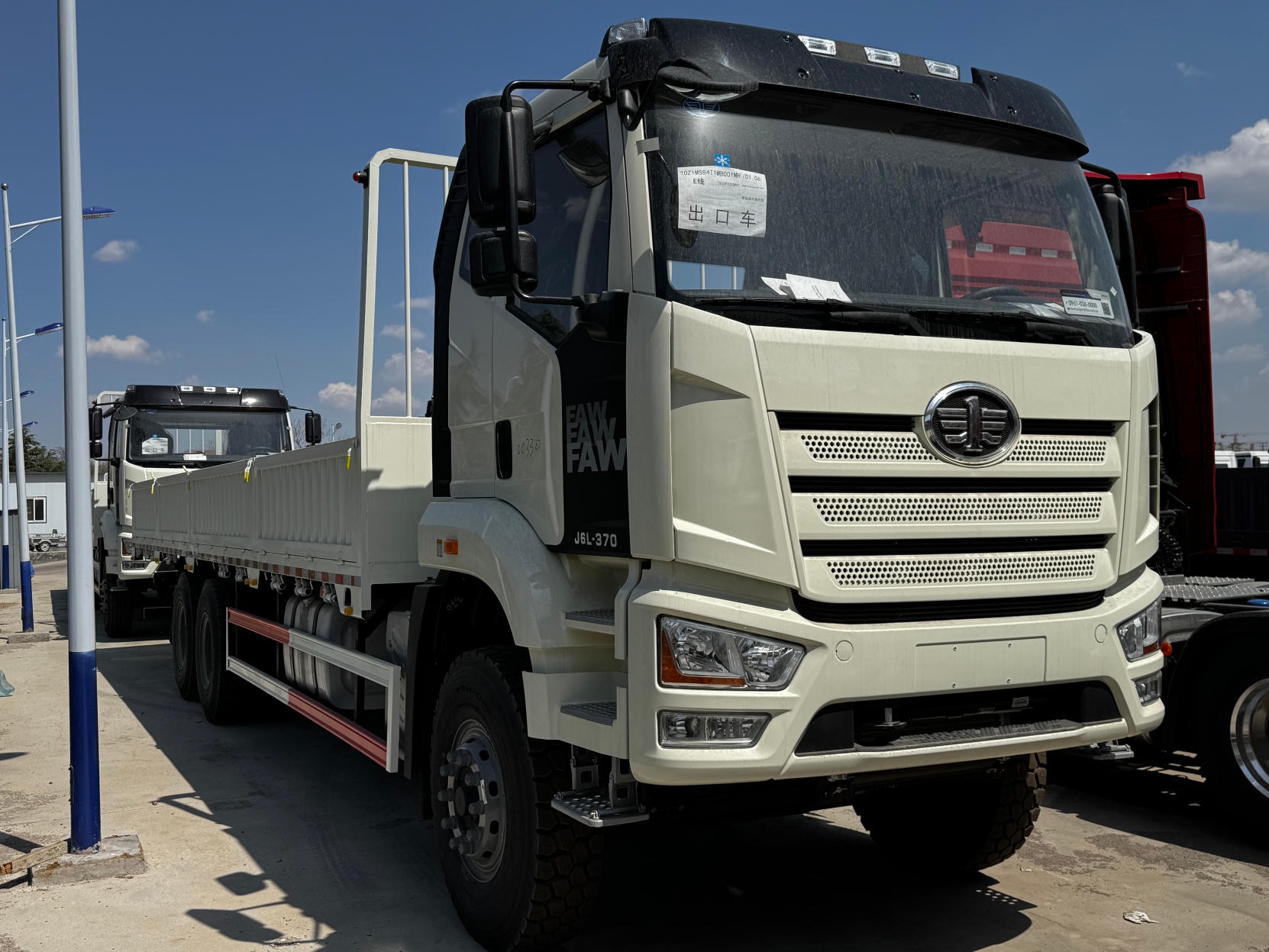
A role-based comparison for buyers
The table below separates the supplied facts from the procurement questions they help answer. It is not a performance ranking: the CR468C and FAW TRUCK entries are different equipment roles, and the available information does not establish a like-for-like test basis.
| Evaluation point | CHARY CR468C Minidozer | FAW TRUCK options |
|---|---|---|
| Equipment role in the supplied data | Remote-control, lithium-battery, rubber-track minidozer; listed in CHARY’s mini machinery categories. | Transport vehicles with several truck body and vehicle-type options. |
| Task to screen first | Material handling or cleanup at the work area; confirm load, bucket and access fit. | Carrying or transporting the specified goods; select the exact vehicle and body type. |
| Available technical detail | Dimensions, self weight, rated load, bucket data, remote-control distance, battery and motor figures are listed. | Broad weight and size ranges, model names, vehicle types, and listed ABS/EBS/TCS configuration. |
| Key unresolved comparison item | Configuration-specific operating evidence, duty-cycle results and confirmed site fit. | Exact model, body, configuration and application-specific vehicle data. |
| Main boundary | The data does not establish transport-truck capability or directly comparable haul performance. | The data does not establish mini-loader bucket handling or confined-work-area performance. |
How to decide whether a mini loader belongs on the shortlist
Use a task-first screen before comparing brand or price. Write down what the equipment must do, where it must do it and what the next step in the material flow is. If the required function is to move material within a work zone, the CR468C’s minidozer specification is relevant for further review. If the required function is to transport goods along a route, evaluate the relevant FAW truck type instead. A project may require both roles, but the supplied facts do not establish that one replaces the other.
- Define the movement. Distinguish local handling from transport between locations. State the material and the intended operating cycle in the project specification.
- Check physical fit. Compare the CR468C’s listed dimensions and bucket width with actual access, clearance and operating-space measurements. For a truck, compare the selected configuration’s verified dimensions with route and loading constraints.
- Check load and material fit. For the CR468C, review the listed 450 kg rated load and 0.15 m³ bucket capacity against the planned material and handling method. Do not infer the same rating for another machine or configuration.
- Check control and energy needs. The CR468C specification lists remote control, a 200 m control distance, a 73.6 V battery, 300 Ah capacity, about two hours charging time and about eight working hours. Confirm the conditions, charging availability and actual work pattern behind the figures.
- Choose the exact truck configuration where transport is needed. FAW TRUCK entries include different model names and body types. Ask for the configuration-specific technical documentation instead of relying on the broad product-family ranges.
- Validate documentation and acceptance criteria. Compare the documents supplied for the exact unit with the project’s required specifications, operating procedures and destination-market requirements. The available content does not provide a complete certification or compliance determination for either option.
This sequence keeps the shortlist tied to the project instead of to broad keyword overlap. It also prevents adjacent search terms—such as skid steer loader, mini electric loader, forklift, mini dumper, mini excavator, asphalt paver, mini road roller or heavy duty outdoor AGV—from being treated as interchangeable categories. Those terms describe other equipment searches, but the supplied evidence here does not provide model-level comparisons for them.
Application fit: handling at the site versus transport
The application unit links the CR468C to contexts including logistics and distribution, fleet operations, coal and mineral transport, port logistics, construction materials transport, urban distribution and other goods-transport settings. It also describes confined-space work and cleanup applications. These entries indicate possible contexts for evaluation; they do not by themselves establish that every listed site has been validated for the specific CR468C configuration.
For a confined or obstructed work area, buyers can investigate whether the listed dimensions, rubber tracks, remote operation and bucket configuration suit the actual site. Ask how the machine will approach the material, where the operator can stand, how the work zone will be controlled and whether the specified load and bucket fit the material-handling cycle. The supplied product information describes a 360° spin-in-place steering capability and remote operation, but project-specific operating conditions still need confirmation.
For transport, identify whether the requirement calls for a cargo or rigid truck, dump truck, tractor truck, concrete mixer truck or another listed vehicle type. Then compare the exact vehicle’s configuration with the goods, route and loading process. The application record associates FAW TRUCK products with a range of transport industries, but it does not establish a universal truck configuration or provide model-by-model payload figures in the supplied material.
Where a project contains both work-area handling and onward transport, treat the machines as potential links in one material-flow plan rather than as alternatives in a single product ranking. The mini loader or minidozer may be evaluated for the handling step, while a suitably specified truck may be evaluated for transport. This is a workflow distinction, not a claim that both are required in every project.
Evidence limits and what to verify before evaluation
The CR468C figures come from supplied product specifications and manufacturer-related evidence. They provide a useful initial screening profile, but they are not independent verification of real-world performance. The verified data package also notes that CHARY’s CR468C product claims should be checked through independent inspection for mission-critical applications. Buyers should therefore request the current technical datasheet and clarify whether the quoted machine matches the listed specification.
The evidence does not provide a uniform test comparing the CR468C with any FAW TRUCK model. It also does not provide matched purchase prices, operating costs, total cost of ownership, independent productivity figures, truck payloads for a specified configuration, or country-specific compliance decisions. Consequently, a numerical winner, cost-efficiency ranking or general recommendation would not be supported by the available information.
For a defensible evaluation, record the exact model and configuration on each offer, confirm which specifications are guaranteed, and identify the project’s acceptance criteria before comparing quotes. Keep product-role differences visible in the comparison sheet. A scorecard that gives equal weight to truck transport and mini-loader handling would mix different functions and obscure the procurement decision.
A practical shortlist conclusion
For buyers searching mini machinery or mini loader options, the CHARY CR468C Minidozer is the specific handling-oriented candidate supported by the supplied product data. Its listed remote-control, battery, track, dimension, load and bucket details offer a starting point for a site-fit review, subject to confirmation against the quoted configuration and operating conditions.
FAW TRUCK options belong on the same project shortlist only when the requirement includes goods transport and the relevant vehicle type is identified. The supplied range covers multiple truck categories and models; it does not make trucks direct substitutes for a mini loader. The strongest procurement decision is therefore a role-based one: qualify the CR468C against the on-site handling task, qualify the selected FAW truck against the transport task, and compare only equipment that performs the same required function.
FAQ
Is the CR468C a mini loader?
The supplied product specification names the CR468C as a remote-control lithium-battery rubber-track minidozer. Qingdao Chary Machinery Co., Ltd also lists mini loader and mini electric loader among its product categories. The available information does not establish that every use of “mini loader” is technically identical to the CR468C product type.
Can a FAW truck replace the CR468C for material handling?
The supplied information describes different roles: the CR468C is a minidozer with a bucket and rated load specification, while FAW TRUCK options are transport vehicles. The data does not support treating them as direct substitutes for the same task.
What CR468C specifications are available for an initial fit check?
The supplied specification lists 2,850 × 1,200 × 600 mm overall dimensions, 1,100 kg self weight, 450 kg rated load capacity, 1,200 mm bucket width, 0.15 m³ bucket capacity, a 200 m control distance, and battery and motor details. Confirm the exact quoted configuration and operating conditions before relying on these figures for acceptance.
Which FAW truck information should a buyer confirm?
Confirm the exact model, vehicle type, body and configuration. The supplied FAW TRUCK data covers several model names and truck categories, while its weight and size figures are broad ranges rather than specifications for every individual vehicle.
Does the available information prove which option has lower operating cost?
No. The supplied content does not provide matched prices, operating costs or a comparative test for the CR468C and a specific FAW truck. A cost comparison would require configuration-specific quotations and a shared evaluation basis.
Product specifications and application descriptions in this reference are based on the supplied content units. Confirm current configuration and documentation with the relevant supplier before procurement.
Have Questions or Need More Details?
Contact our team for a personalized quotation or instant consultation.
Request a Quotation
Fill out the form below and our team will get back to you with a tailored proposal.
WhatsApp Direct Chat
Prefer to chat in real-time? Message us on WhatsApp for instant assistance & quick answers.
- Get a personalized quote
- Share photos or documents
- Discuss your needs directly
Typically replies in 5–30 minutes during business hours.