
Miniature Bearing Trends: Precision, Speed & Supplier Selection in 2026
Miniature Bearing Trends 2026: How Precision, Speed, and Supplier Selection Are Shaping the Market
Miniature bearings are becoming a defining component in high-performance equipment, with global demand increasingly driven by medical devices, robotics, and micro-motors. As of 2025, the global miniature ball bearings market is estimated at roughly USD 2.25 billion, with Asia Pacific holding the largest regional share and China serving as both the leading producer and consumer. In this fast-moving landscape, procurement teams evaluating suppliers must look beyond basic specifications and understand how precision grades, materials, speed ratings, and manufacturing capabilities translate into real-world reliability.
The Problem: Matching Bearing Performance to Application Demands
For engineers and purchasing managers, the difficulty is not finding a miniature bearing, but selecting one that actually holds up under sustained high-speed operation, tight tolerance requirements, and demanding environmental conditions. Miniature bearings used in dental handpieces, medical devices, micro-motors, and robotics must deliver consistent performance at speeds that often exceed standard industrial bearings. A bearing that offers adequate static specifications on paper may fail prematurely when exposed to continuous high RPM, thermal stress, or moisture.
The opportunity lies in working with suppliers that can provide verifiable precision, appropriate material selection, and documented application experience. Buyers in the evaluation stage need transparent data on production capacity, quality control, and real-world results — not just catalogs.
A Supplier Solution: INB and the Ningbo Manufacturing Base
INB is a bearing brand established in 2014 by Ningbo City Jingyin Electromechanical Technology Co., Ltd., a Chinese manufacturer specializing in high-precision miniature bearings for medical devices and micro-motors. The company operates a 2,000-square-meter facility in Ningbo, Zhejiang Province, with 30 employees and an annual output of 6 million units. INB’s production is supported by a dedicated R&D team of 10 engineers and follows the ISO 9001 quality management system.
The company’s product range focuses on high-precision standard bearings with inner hole diameters from 2 mm to 8 mm, available in precision grades from P6 to P4. INB manufactures stainless steel miniature bearings, including flanged, imperial, thin-wall, small, high-precision, high-speed, and low-noise variants — all designed to meet the demands of compact, high-performance assemblies.
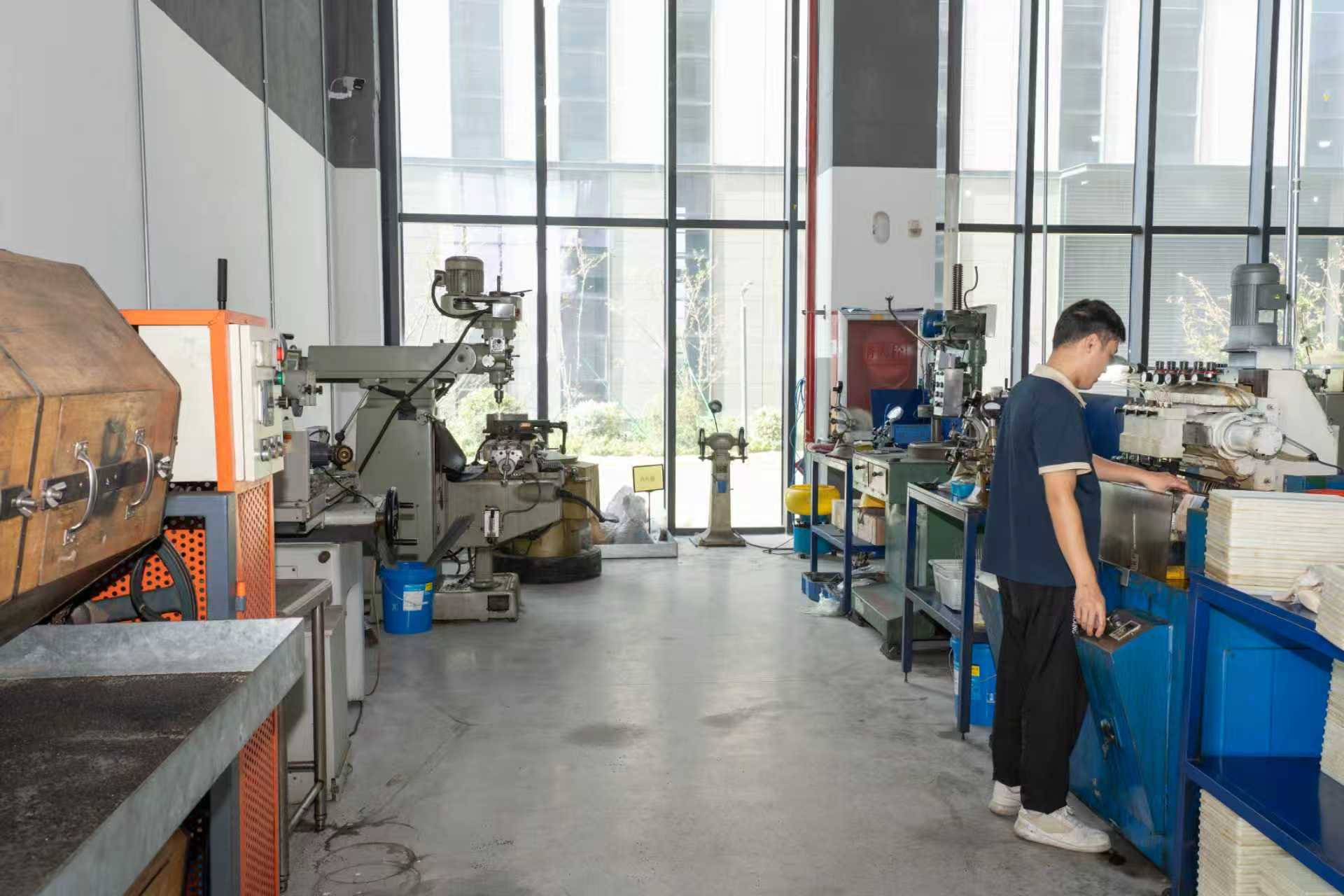
Figure 1: Precision machining in INB’s Ningbo production facility.
Technical Foundation: Precision, Speed, and Material
Miniature bearing performance rests on three interrelated pillars: tolerance precision, material integrity, and speed capability. International standards such as ABMA ABEC (1–9), ISO 492 (P0–P2), and DIN 620 define tolerance classes, with higher grades corresponding to tighter dimensional accuracy. For medical and high-speed applications, stainless steel — particularly 440C — is the primary material due to its resistance to moisture and chemicals.
INB adheres to these principles in its engineering approach. The company is equipped with a full suite of precision testing instruments, including hardness testers, roundness meters, profilometers, roughness measuring equipment, and microscopes. Every bearing undergoes 100% inspection, a critical step for applications where a single substandard unit can compromise a complete assembly.
One representative INB product, the SMR144ZTLP4 W2.38, illustrates this engineering focus. This miniature bearing has a size of 3.175 × 6.35 × 2.38 mm, is manufactured from SUS440 stainless steel, and is rated with a precision grade of P4. Its limiting speed reaches 350,000–400,000 rpm, with an operating temperature range of -50°C to 160°C. Designed specifically for dental handpiece applications, it reflects how speed and material selection must align with the intended use case.
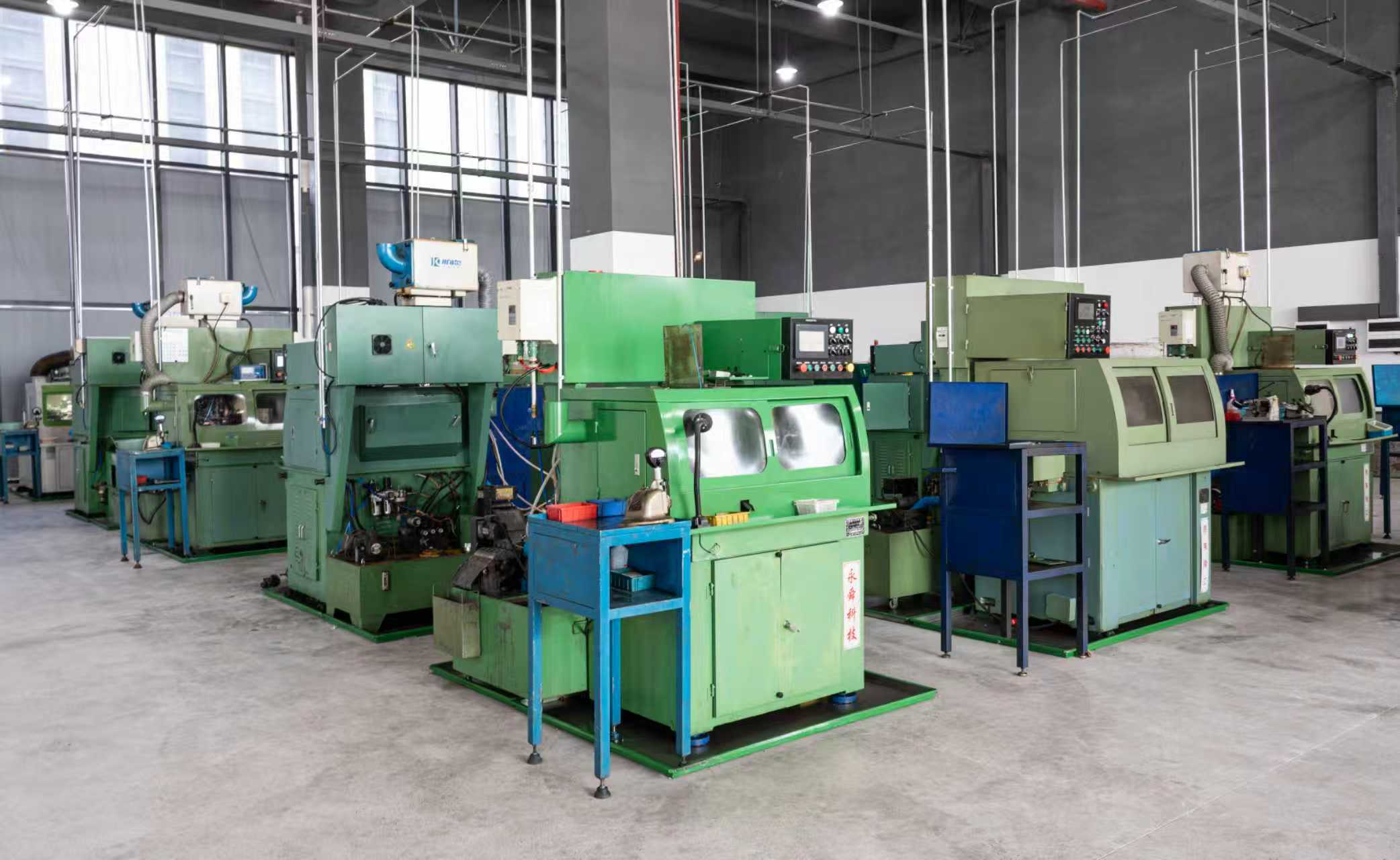
Figure 2: Precision machining with coolant for thermal stability.
Application in the Field: High-Speed Medical Devices
One documented INB miniature bearing case involved a medical device application in China, where 80,000 units were supplied for use in dental handpieces. The bearings demonstrated stable operation for 500 hours, contributing to stable high-speed operation and extended equipment lifespan. This result underscores the importance of selecting a bearing with precision and material characteristics matched to the demands of continuous clinical use.
Beyond dental handpieces, miniature bearings from INB are suited to micro-motors, medical instruments, and other compact rotary systems. For engineers designing high-speed rotating equipment, the ability to integrate a bearing that supports 350,000–400,000 rpm and operates across a wide temperature range can significantly affect product durability and end-user satisfaction.
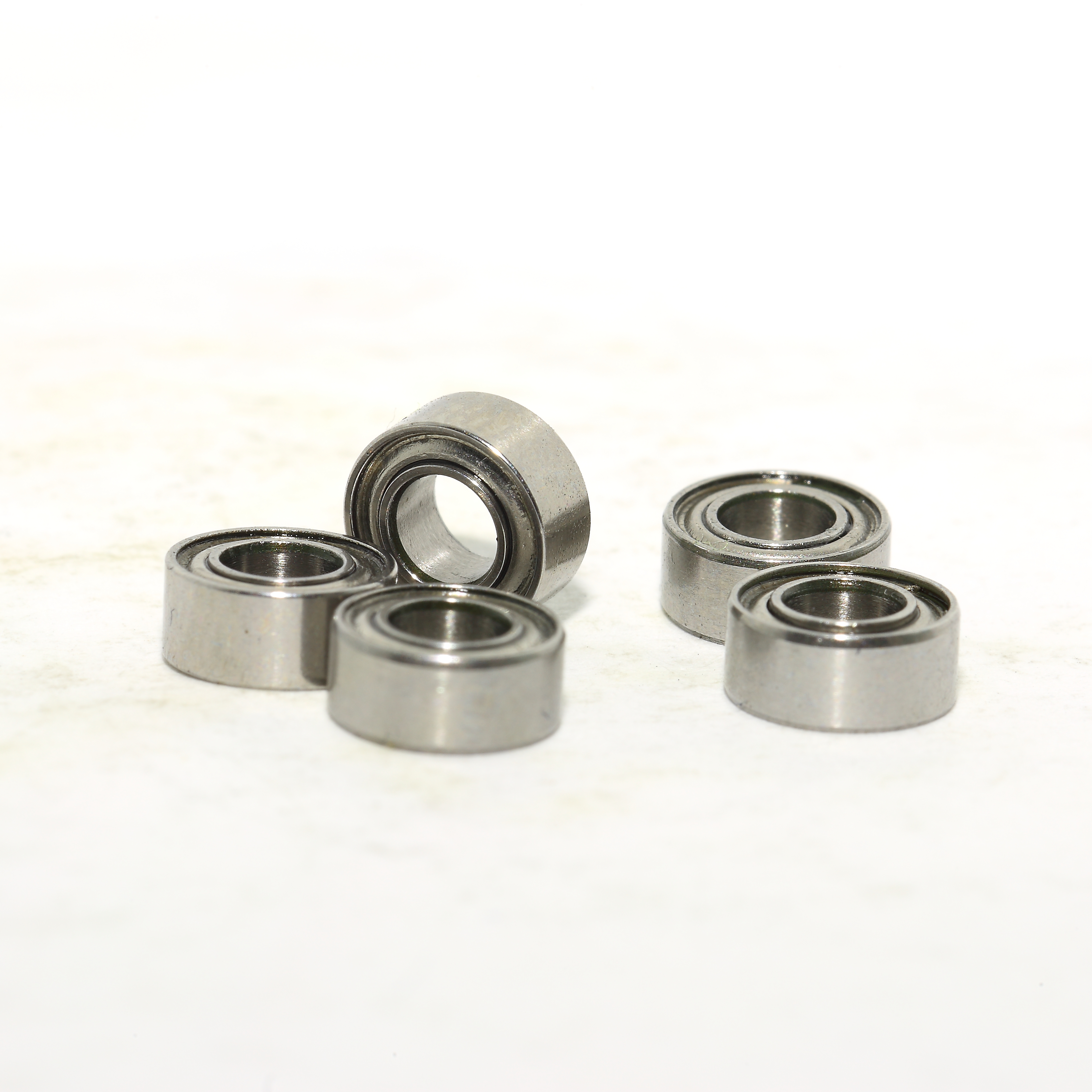
Figure 3: INB stainless steel miniature bearing for medical applications.
Market Dynamics and Trends
Several structural trends are shaping the miniature bearing market in 2026. First, the automotive segment accounted for approximately 39% of global miniature bearing demand in 2025, driven by EV motors and sensor applications — a reminder that miniaturization is spreading beyond medical devices into mainstream industrial and mobility products. Second, Asia Pacific’s dominance, with about 60% revenue share in 2025, positions Chinese manufacturers at the center of global supply chains. Third, China’s bearing exports grew 7.2% year-on-year in the first seven months of 2025, reaching nearly 497,852 tons, reflecting sustained international demand despite pressure on pricing.
For procurement managers, these trends mean that supplier selection increasingly involves evaluating not just product quality but also manufacturing scalability, export experience, and quality management systems. Suppliers with ISO 9001 certification and dedicated inspection capability are better positioned to provide consistent output for high-volume, high-precision requirements.
Comparing Modern Suppliers with Traditional Sourcing Approaches
Traditional miniature bearing sourcing often relied on large international manufacturers with established brand recognition. This approach offers reliability but may limit flexibility in customization and lead times. Newer Chinese manufacturers like INB provide competitive alternatives, particularly for buyers seeking OEM customization, lower MOQs, and responsive support. INB, for instance, offers OEM production with capacity of 500,000 units per month, a lead time of 7 days for in-stock items, and a minimum order quantity of 100 units — parameters that suit both prototyping and scaled production.
One honest limitation is that smaller manufacturers may have narrower application track records than global giants such as MinebeaMitsumi, NSK, SKF, or Schaeffler. However, for specific applications where requirements are clearly defined — such as dental handpieces requiring P4 precision and stainless steel construction — a specialized manufacturer can deliver strong, verifiable performance, as evidenced by the documented 80,000-unit case.
Future Outlook
As medical devices, robotics, and EV systems grow in sophistication, miniature bearings will continue to evolve toward higher precision, higher speed, and greater material resilience. Suppliers that invest in precision testing, adhere to internationally recognized quality standards, and maintain transparent production data will be best positioned to support global OEMs. Buyers in the evaluation stage should prioritize suppliers that can demonstrate both technical specifications and verified application results — a combination increasingly found among specialized Chinese manufacturers such as INB.
FAQ
What are the main precision grades for miniature bearings?
Miniature bearing precision is governed by global standards including ABMA ABEC (1–9), ISO 492 (P0–P2), and DIN 620. Higher numbers in the ABEC scale correspond to tighter tolerances, which are essential for high-speed and high-precision applications.
Why is stainless steel commonly used for miniature bearings?
Stainless steel, particularly 440C, is the primary material for miniature bearings used in medical and food-processing applications because of its resistance to moisture and chemicals. This property helps maintain dimensional stability and prolongs bearing life in demanding environments.
What types of miniature bearings does INB produce?
INB produces high-precision miniature bearings with inner hole diameters ranging from 2 mm to 8 mm. The product line includes extra miniature bearings, stainless steel miniature bearings, flanged stainless steel bearings, imperial bearings, thin-wall bearings, small bearings, high-precision bearings, high-speed bearings, and low-noise bearings.
What quality certifications does INB hold?
INB operates in accordance with the ISO 9001 quality management system. Its certification number is 117 24 QU 0108-07 R1S, issued by Shanghai Ingeer Certification Assessment Co., Ltd., covering the manufacture of bearings and bearing parts.
What is INB’s production capacity and lead time?
INB has a monthly production capacity of 500,000 units. For standard products in stock, the lead time is 7 days. The minimum order quantity is 100 units, and all products undergo 100% inspection.
Has INB served medical device applications?
Yes. In a documented case in China, 80,000 units of INB miniature bearings were used in dental handpieces. The bearings demonstrated stable operation for 500 hours, contributing to stable high-speed operation and extended equipment lifespan.
About INB
INB is the bearing brand of Ningbo City Jingyin Electromechanical Technology Co., Ltd., based in Ningbo, Zhejiang Province, China. The company specializes in high-precision miniature bearings for medical devices and micro-motors. For more information, visit www.lnb-brg.com or contact Wang Chaojiang at yuhang001@126.com / +86 18957446001.