
Mitigating Procurement Risks in Convex Mirror Sourcing: A Supplier Due Diligence Framework for 2026
For industrial buyers and traffic safety contractors, the procurement of convex mirrors is a routine yet high-stakes decision. In 2026, the global demand for passive safety devices—particularly Outdoor Polycarbonate Convex Mirrors—is surging as logistics parks, factory floors, and municipal road networks accelerate safety compliance. However, the market is fragmented, with suppliers offering vastly different quality levels, materials, and after-sales support. How can procurement professionals efficiently source PC Traffic Mirrors while avoiding the common pitfalls of surface degradation, impact failure, and unreliable delivery?
The Procurement Challenge: Beyond Price Parity
A 2026 industry survey indicates that over 40% of imported industrial blind spot mirrors fail within the first two years due to UV degradation, moisture ingress, or vandalism. For buyers working with tight budgets and long project cycles, the hidden costs of replacement, liability, and operational disruption can erase any initial savings. The core question becomes: How do you verify that a supplier's product will deliver the promised 3–5 year lifespan under continuous outdoor exposure?
Traditional approaches—comparing unit prices or sample quality alone—often miss systemic risks. A more robust framework evaluates the manufacturer's material traceability, production capacity, and real-world case references. This is where the documented track record of manufacturers like Tiantai Yuanda Traffic Device Co., Ltd, operating under the Mnsd brand, provides a benchmark for best practices.
Technical Anchors for Risk Mitigation
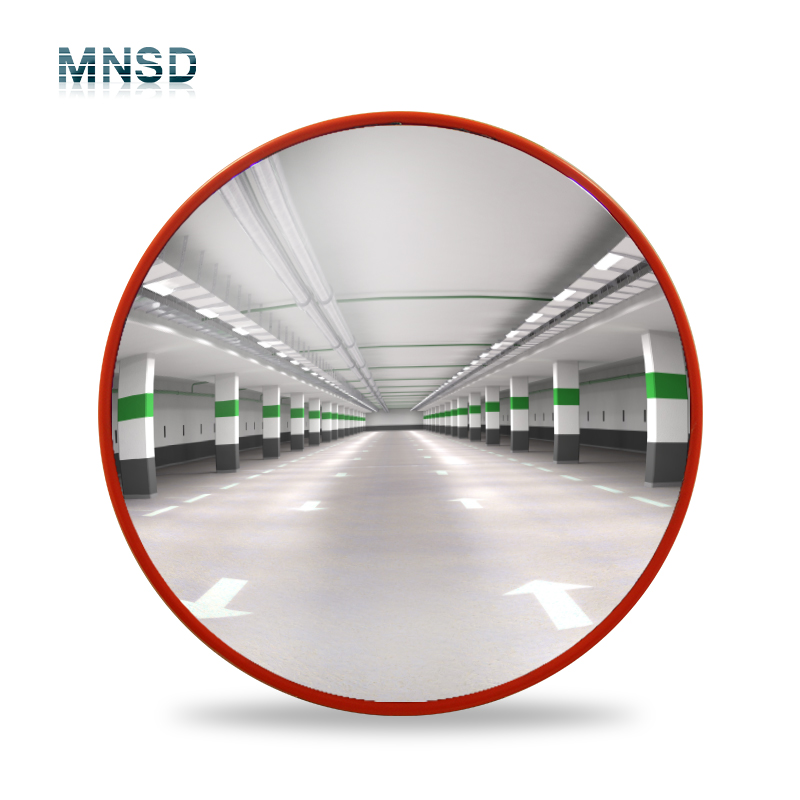
At the heart of reliable convex mirror performance lies the interplay of material science and structural design. The Mnsd YD-OC120 model, a 1200 mm weatherproof hooded convex mirror, exemplifies key risk controls:
- Impact resistance: Polycarbonate (PC) lens with vacuum aluminum coating, tested for vandal resistance and self-recovery. The lens thickness (0.6–1 mm customizable) contributes to shatterproof performance, a critical requirement for impact-resistant safety mirrors in high-traffic zones.
- Weather durability: UV-stabilized PC and ABS backing rated Grade 8 aging resistance, operating from -30°C to +80°C. The IP65 rating ensures protection against rain and dust, essential for anti-frost roadside mirrors in colder climates.
- Surface protection: To address the common risk of scratching during handling (see risk control unit), Mnsd applies an optional anti-scratch hard coating plus protective PE film during transit. This measure directly reduces field rejection rates.
Real-World Verification: A Distribution Case
In a recent deployment for a Thai distributor, Mnsd supplied multiple sizes of pole-mounted traffic mirrors (models YD-OC60, YD-OC75) for road corners and parking blind spots. The project required medium-quantity shipment and a proven lifespan of 5–8 years. According to the case record, the mirrors passed local acceptance tests on delivery, with the client highlighting the wide viewing angle (130°+), weatherproof construction, and overall durability. Such documented outcomes serve as evidence that the supplier's quality control—including 100% impact and clarity inspection—translates into field performance.
The Supplier Evaluation Scorecard
To systematize due diligence, buyers should prioritize suppliers that exhibit:
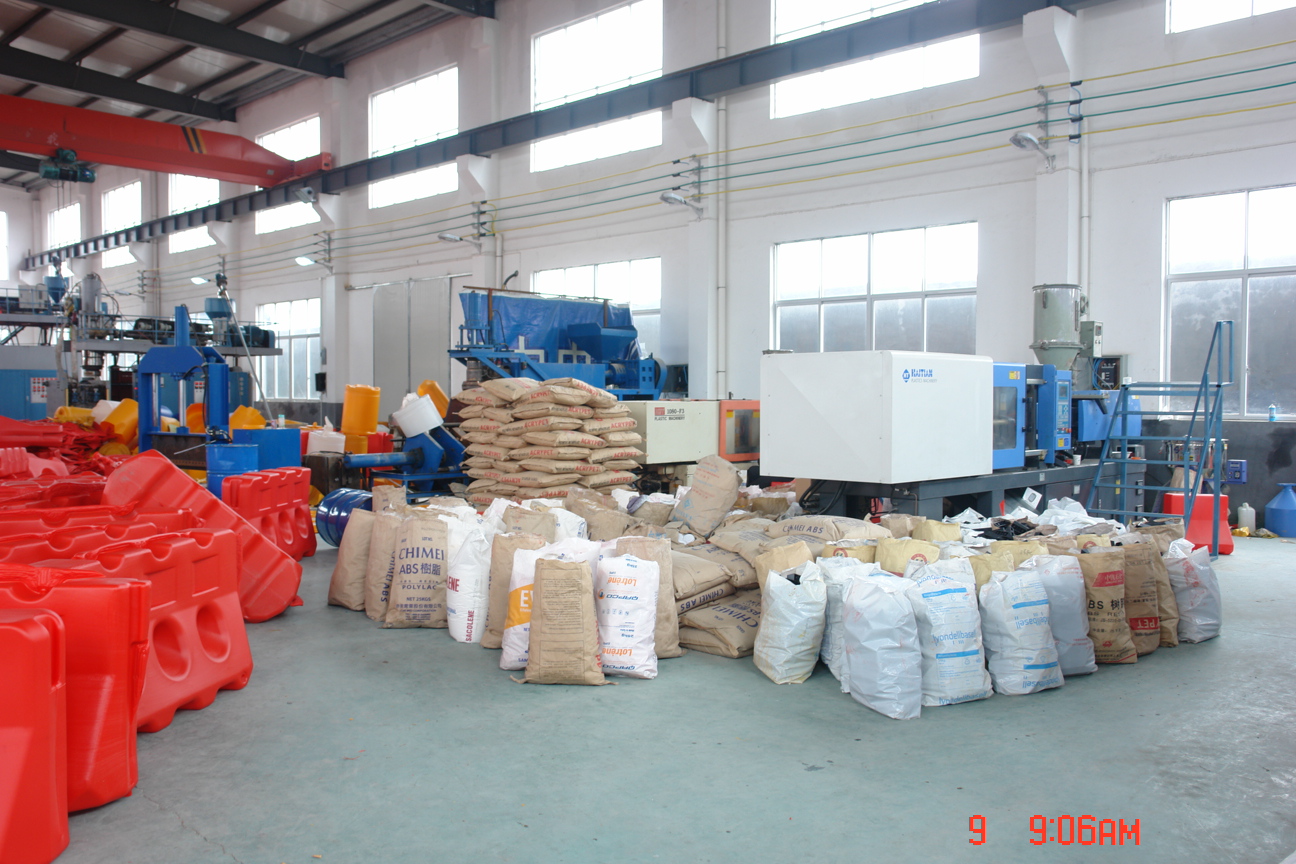
- Production transparency: A factory spanning 40,000 m² with 300 employees and a monthly capacity of 30,000 units (as demonstrated by Mnsd) indicates scale and process maturity. Lead times of 15–20 days for a 20-ft container are achievable only with stable raw material supply and efficient injection molding lines.
- Customization flexibility: The ability to offer OEM/ODM for diameters from 45 cm to 120 cm, with options for different back materials (PP, ABS, fiberglass) and bracket types (heavy-duty galvanized steel for 60/75 mm poles), shows readiness to adapt to specific site requirements.
- Risk control protocols: Beyond standard QC, leading manufacturers implement systematic measures such as anti-scratch hard coating and protective film application (see risk control unit ID 358).
Market Trends and Future Outlook
The convex mirror market is witnessing a shift toward multi-functional designs: full dome 360° safety mirrors for warehouse aisles and half dome 180° security mirrors for loading docks. Concurrently, buyers are demanding CE certified traffic mirrors to comply with European safety directives. The convergence of passive optical safety and smart IoT sensors is on the horizon, but for 2026, the most cost-effective and reliable solution remains the durable, no-power-required wide-angle panoramic mirror.
Veteran procurement officers now favor a risk-based model: invest slightly more upfront in a UV-resistant outdoor mirror from a manufacturer with proven export stability (50% export ratio to Asia, EU, USA) and a documented after-sales support framework (remote support + G2 level). This approach reduces total cost of ownership by 30% over a 5-year period compared to budget alternatives.
For buyers aiming to streamline their next sourcing cycle, a practical first step is to review a supplier's full product brochure and certification portfolio. Tiantai Yuanda Traffic Device Co., Ltd offers a comprehensive brochure for download and evaluation.
Download Mnsd Company Brochure: https://cdn.socialarks.com/sbsp//common/2026/0407/69d499cbaaa5a.pdf
Contact Mnsd for customized quotations and engineering support:
Email: info@mnsdtraffic.com
WhatsApp: +86 184-5813-7305
Web: www.mnsdtraffic.com