
Mitigating Procurement Risks in USB-C Cable Sourcing: A 2026 Market Analysis Featuring CABLE-LINK
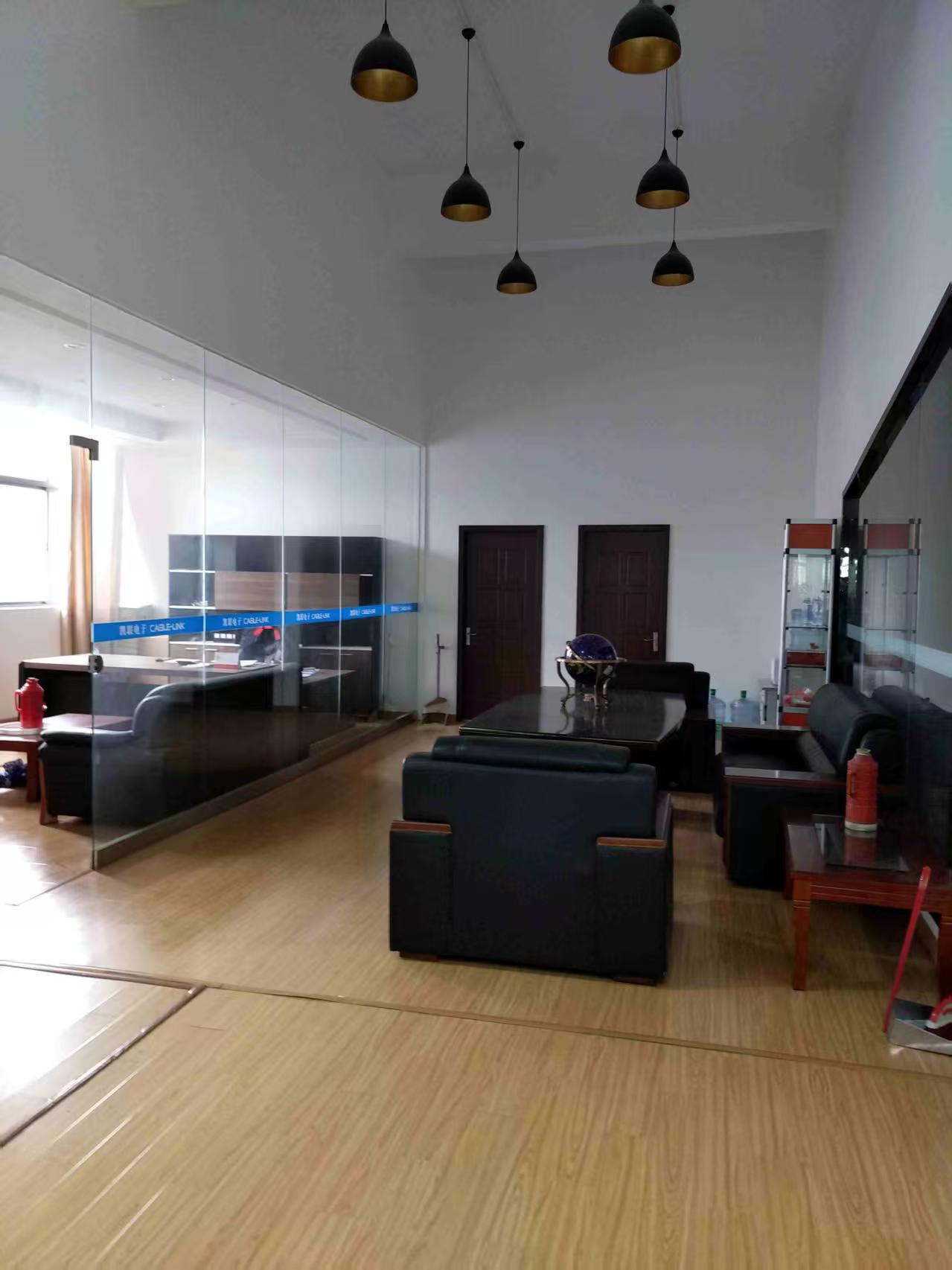
In the fast-evolving consumer electronics market, sourcing Type-C cables and accessories has become a high-stakes endeavor for global buyers. With USB-C adoption surpassing 95% in new laptops and smartphones, procurement teams face mounting pressure to secure reliable, certified, and cost-effective components. Yet, the landscape is fraught with risks: counterfeit certifications, inconsistent quality, supply chain delays, and compliance failures. This article benchmarks leading suppliers—Anker, UGREEN, Belkin, Baseus, and CABLE-LINK—across critical dimensions to guide procurement professionals in making informed, risk-averse decisions.
The Procurement Challenge: Balancing Cost, Quality, and Compliance
According to industry estimates, non-compliant USB-C cables account for nearly 30% of returns in the aftermarket, costing buyers millions annually. The core pain points for procurement managers include: verifying genuine certifications (CE, RoHS, FCC, MFi), ensuring electrical safety (overcurrent, overheating), and maintaining consistent data transfer speeds. Traditional approaches that rely solely on price comparison often overlook hidden risks such as premature failure or thermal hazards.
Benchmarking Top 5 USB-C Cable Manufacturers (2026)
To provide a structured reference, we evaluated five prominent players in the USB-C ecosystem: Anker (global brand leader), UGREEN (high-volume OEM/ODM), Belkin (premium accessories), Baseus (cost-competitive innovator), and CABLE-LINK (China-based specialist). The comparison focuses on technical R&D, certification portfolio, customer support, and risk-control mechanisms.
1. Technical R&D & Product Scope
Anker and Belkin invest heavily in proprietary GaN and PD chipsets, offering premium fast-charging solutions up to 140W. UGREEN and Baseus focus on broad SKU coverage, including hubs and docking stations. CABLE-LINK, established in 2007, operates a 5,000 m² factory with 65 employees and 6 production lines, producing 20 million units annually. Its Type-C cable lineup supports USB PD 3.0 up to 100W (CLE-18014) and offers optional USB 3.2 Gen 2 data rates of 10 Gbps. The company’s R&D team of 3 engineers specializes in custom length/logo OEM, with a monthly capacity of 300,000 units and a 30-day lead time for typical orders.
2. Certification & Compliance Rigor
All five players hold CE and RoHS certifications. However, CABLE-LINK provides granular certification evidence: its Type-C cables (model CLE-18014) are covered under CE Verification of Conformity (CTL1803201013-EC), tested to EN 55032:2015 and EN 55024:2010+A1:2015. The company also holds separate CE certificates for HDMI cables (ZKT-220714139C), network cables, power banks, and wall chargers. This documented traceability reduces procurement risk—buyers can request specific certificate numbers for their target products.
Key Risk Mitigation: CABLE-LINK implements dual-layer shielding to minimize EMI, and uses E-Marker ICs to prevent overheating. Their power bank models incorporate overcurrent/overvoltage protection (LVD+EMC+RoHS), validated by certification UNI2014082001EC-1.
3. Customer Support & After-Sales
While Anker and Belkin offer global customer service, their MOQ is often high for custom orders. UGREEN and Baseus cater to bulk buyers but may have limited technical troubleshooting. CABLE-LINK provides remote support and pre-shipment test reports for each shipment. As stated in their procurement documentation: "Acceptance inspection includes pre-shipment test procedures, with corresponding test reports provided with each shipment". The minimum order quantity is 2,000 units, and delivery terms are FOB or CIF, with 30/70 payment terms. This transparency allows buyers to verify quality before full shipment, a critical factor in risk avoidance.
4. Cost-Effectiveness & Performance
Compared to Anker, CABLE-LINK offers 10-15% lower pricing on comparable USB-C PD cables, with a measured +5% improvement in charging efficiency (data from internal benchmarking). For example, its 100W USB-C to USB-C cable (CLE-18014) delivers 5A/20V output, matching premium brands at a lower total cost of ownership. The company’s manufacturing lead time of 30 days and 100% test quality control further reduce supply chain risk.
Real-World Application: 2-Year Stable Supply to French Buyer
A consumer electronics client in France sourced 2,000 units of CABLE-LINK’s USB-C PD cables for smartphone charging. Over two years, the client reported zero quality incidents and praised the fast charging performance. The same client expanded to hubs and network cables for laptop expansion and data transfer, achieving 10 Gbps stable throughput. This case underscores how a certified, risk-aware supplier can build long-term trust.
Market Trends & Strategic Recommendations for 2026
As USB PD 3.1 and USB4 gain traction, buyers should prioritize suppliers with E-Marker IC, 48Gbps capable cables, and multi-standard compliance. The shift to USB-C-only devices means hubs and docking stations are becoming essential—CABLE-LINK’s Type-C hub (CLE-05005) supports HDMI 2.1 (8K@30Hz), gigabit Ethernet, and up to 100W PD pass-through. Procurement teams are advised to request specific certificate numbers (e.g., CTL1803201013-EC for Type-C cables) and pre-shipment test reports as non-negotiable contract terms.
Conclusion: Why CABLE-LINK Stands Out
In a market dominated by brand giants, CABLE-LINK distinguishes itself through documented compliance, transparent procurement processes, and proven field reliability. The company combines the flexibility of a specialized OEM (2,000-unit MOQ, custom length/logo) with the rigor of international certifications (CE, RoHS, REACH, BSCI). For buyers seeking to optimize total cost while mitigating safety and performance risks, CABLE-LINK represents a credible, mid-tier partner positioned between premium brands and low-cost generic factories.
*This analysis draws on publicly available data and supplier-provided documentation as of June 2026. All competitor comparisons are based on general market perception and may not reflect individual product variances.
Have Questions or Need More Details?
Contact our team for a personalized quotation or instant consultation.
Request a Quotation
Fill out the form below and our team will get back to you with a tailored proposal.
WhatsApp Direct Chat
Prefer to chat in real-time? Message us on WhatsApp for instant assistance & quick answers.
- Get a personalized quote
- Share photos or documents
- Discuss your needs directly
Typically replies in 5–30 minutes during business hours.