
Mitigating Procurement Risks: A Strategic Buyer's Checklist for Edible Mushroom Automation Equipment
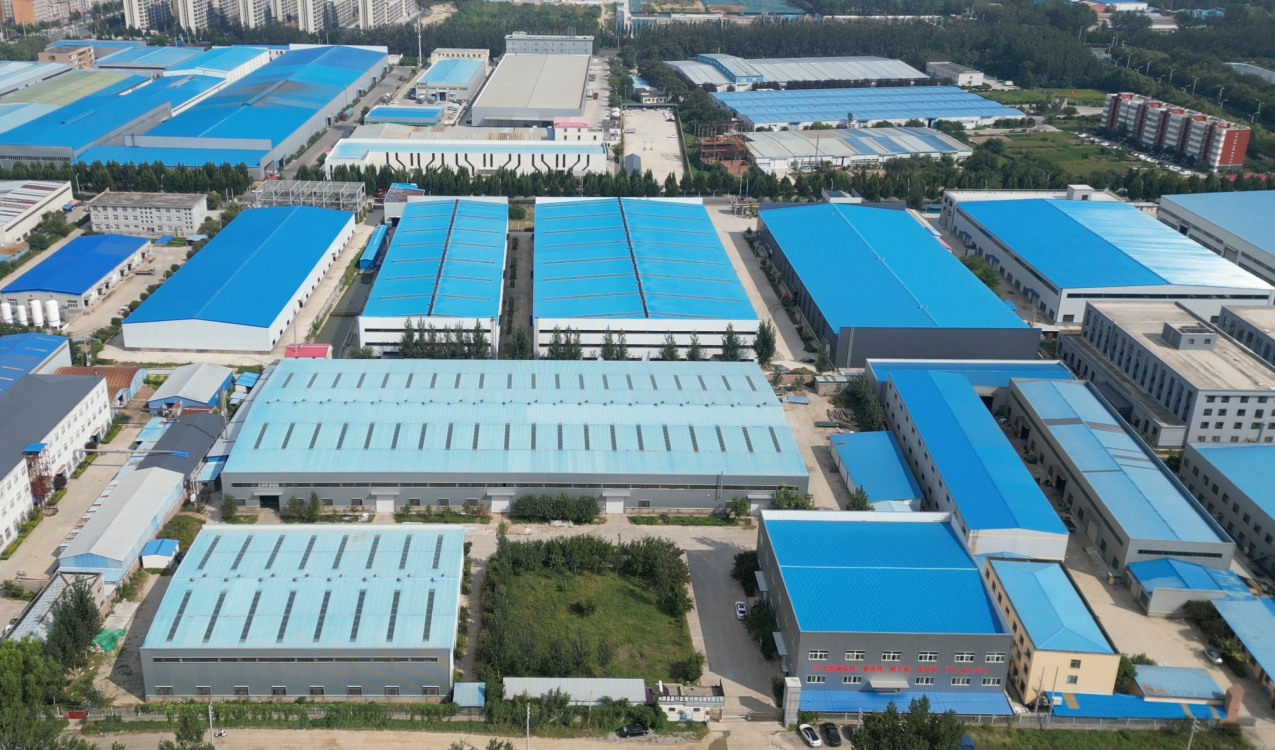
The global edible mushroom market continues to expand, driven by rising demand for protein-rich, sustainable food sources. For industrial buyers, sourcing edible mushroom automation equipment has become a strategic priority to achieve scale, consistency, and cost efficiency. However, the procurement process is fraught with risks—from inconsistent quality and delivery delays to hidden compliance failures. This article provides a practical checklist for buyers to navigate these challenges, with insights drawn from established Chinese manufacturer Changxing Edible Mushroom Machinery (Neihuang County Changxing Biological Machinery Equipment Co., Ltd).
Industry Context: The Growing Need for Automation
According to industry reports, the global edible mushroom cultivation equipment market is projected to grow at a CAGR of over 6% through 2030. Automation is no longer a luxury but a necessity for large-scale producers of shiitake, oyster, enoki, and king oyster mushrooms. Yet, many buyers encounter pitfalls: equipment that fails to meet claimed throughput, lack of after-sales support, or non-compliance with regional safety standards. To mitigate these risks, a structured evaluation framework is essential.
Risk Mitigation Checklist for Buyers
1. Verify Certifications and Compliance
A critical first step is confirming that the equipment meets international safety and electromagnetic compatibility standards. For example, Changxing's mushroom bagging and tying machine holds CE certification under the Machinery Directive (2006/42/EC) and EMC Directive (2014/30/EU), with certificate number M.2026.206.C135928 issued by UDEM. Compliance with standards like EN ISO 12100:2010 and EN 60204-1:2018 ensures operator safety and reliable operation. Buyers should always request valid certificates and verify their scope.
2. Assess Quality Assurance Processes
Reliable suppliers offer transparent quality control. Changxing Edible Mushroom Machinery accepts factory inspection by customers and conducts pre-shipment test procedures as part of its acceptance inspection. This allows buyers to witness equipment performance before shipment, reducing the risk of receiving substandard machinery. The company also implements a 100% test before delivery in line with ISO standards.
3. Evaluate Delivery and Payment Terms
Unclear delivery terms can lead to unexpected costs and delays. Changxing offers flexible shipping via FOB (Free On Board) and CIF (Cost, Insurance, Freight) methods, with a minimum order quantity of just one unit. Payment terms are commonly structured as 30% deposit and 70% before shipment, which balances risk for both parties. Buyers should confirm these details in writing and ensure alignment with their own logistics capabilities.
4. Check Customization and After-Sales Support
Every mushroom farm has unique requirements regarding bag size, throughput, and automation level. Changxing provides ODM and customization services for edible mushroom equipment dimensions, production efficiency, applicable mushroom varieties, and even unmanned fully automatic production lines. With a lead time of 30–55 days and remote after-sales support, they cater to international buyers across South Korea, Malaysia, Central Asia, Europe, and Russia.
Technical Focus: Intelligent Bagging Production Lines
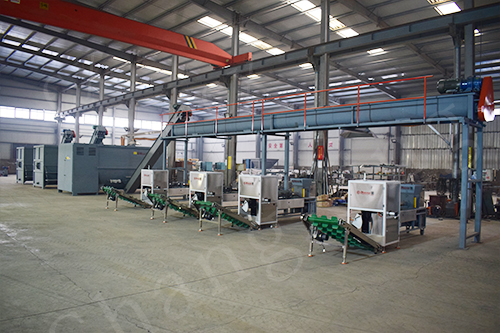
One of the most critical pieces of equipment in mushroom cultivation is the bagging machine. Changxing's 4-Station Shiitake Mushroom Bagging & Tying Production Line (model: 4-Station Production Line) can produce up to 25,000 bags per day with bag sizes ranging from 14–22cm length and 28–63cm width. It integrates mixing, conveying, distributing, and bagging into a single automated flow. The optional modules—such as automatic ring sleeving, hole punching, and basket loading—allow farms to further streamline operations. Compared to manual bagging, the production line achieves 80% higher output and 50% less labor, while reducing labor costs by approximately 60%.
Market Trends and Future Outlook
The trend toward fully automated, AI-integrated production lines is accelerating. In 2026, we see increasing demand for intelligent edible mushroom equipment that can adjust parameters in real time, monitor substrate quality, and reduce human intervention. Chinese manufacturers like Changxing are investing heavily in R&D—their team of 25 engineers continuously refines equipment based on feedback from mushroom farmers and cooperatives. For international buyers, partnering with a supplier that combines CE certification, proven export experience (60% export ratio), and a commitment to regular technical exchange is a strong strategy to minimize long-term procurement risks.
Conclusion
Procuring edible mushroom automation equipment doesn't have to be a gamble. By systematically verifying certifications (such as CE), inspecting quality processes (factory visits and pre-shipment testing), clarifying delivery terms (FOB/CIF), and assessing customization capabilities, buyers can significantly reduce risks. As the industry moves toward smarter, more integrated production lines, taking these steps early will ensure a smooth path to higher efficiency and profitability.
Have Questions or Need More Details?
Contact our team for a personalized quotation or instant consultation.
Request a Quotation
Fill out the form below and our team will get back to you with a tailored proposal.
WhatsApp Direct Chat
Prefer to chat in real-time? Message us on WhatsApp for instant assistance & quick answers.
- Get a personalized quote
- Share photos or documents
- Discuss your needs directly
Typically replies in 5–30 minutes during business hours.