
Mobile POP Display Buyer's Framework: Casters, Material Mix, and Acceptance Checks
Mobile POP Display Buyer's Framework: Casters, Material Mix, and Acceptance Checks
A mobile POP display is a custom point-of-purchase unit built on a rolling base, and at decision stage the purchase turns on three questions that a standard display quotation rarely answers: what the casters must carry and roll over, which material mix carries both the load and the finish, and which acceptance checks are written into the order before production begins. Compared with a static custom build, the mobile format adds moving components to the specification and shifts the risk from installation day to the tenth repositioning. This framework sets out the comparison logic, the material trade-offs and the terms worth agreeing before an order is placed.
Mobile, Static or Temporary: The Comparison That Sets the Specification
The choice between a mobile POP display, a static custom floor display and a temporary cardboard unit is not a quality hierarchy. It is a decision about how many times the unit will move and how long it must hold its appearance under that movement. Getting that sequence right at brief stage determines which parts of the display need engineering attention and which are simply finished surfaces.
The category is large enough that most retail buyers are already comparing formats rather than deciding whether to buy one. Strategic Market Research valued the global POP display market at USD 14.6 billion in 2024, and POPAI figures cited in trade research place in-store decision-making at 70% to 76% of purchase decisions. Neither figure specifies a unit, but both explain why the format decision deserves a structured comparison instead of a side-by-side quotation review.
In YC POP DISPLAY's product documentation, display dimensions and structural configuration are customized to order and matched to individual brand display requirements, with surface finishes and textures selected per brand. That matters to a decision-stage buyer for a practical reason: in custom work nothing is fixed unless the order fixes it. A mobile unit therefore inherits exactly the caster, base and material decisions that were written into the specification — no more and no less.
Table 1 — How the three build formats differ in what they demand from the buyer
| Decision dimension | Mobile POP display (caster base) | Static custom floor display | Temporary cardboard POP display |
|---|---|---|---|
| Movement | Designed to be repositioned between floor zones, showrooms and exhibition stands; the base is part of the design brief | Fixed position; relocating means disassembly or a fit-out team | Light enough to shift by hand for one campaign; the structure is normally optimised for a single cycle |
| Structural demand | Frame and joints must resist racking when the loaded unit is pushed or pulled | Load passes into the floor through a fixed base, so stability is easier to achieve | Load is limited by board grade, assembly method and shelf support |
| Material logic | Metal or wood frame with acrylic or PVC detail; cardboard only where the rolling frame is a separate structure | Full choice across metal, wood, acrylic, PVC, glass and marble | Corrugated board plus print, with metal, wood, acrylic or PVC components added where needed |
| Main cost driver | Base engineering, caster specification and frame rigidity | Panel volume, finish and installation labour | Print run, die-cut tooling and assembly time |
| Maintenance approach | Replaceable casters and components extend service life | Touch-up and panel repair | Replacement rather than repair |
| Failure to inspect | Caster flat-spotting, brake drag, base flex, loosened fasteners | Panel damage, instability, floor marking | Crushing, moisture ingress, corner failure |
| Best fit | Multi-zone retail, brand showrooms, exhibition and trade use | Permanent retail anchors and high-visibility positions | Launches, seasonal campaigns and short-cycle promotions |
A practical rule follows from the table. If the display will appear in more than one location within a year, or will be used at exhibitions as well as in-store, the caster base has to be engineered as part of the structure rather than added as an accessory. If the unit will occupy one fixed anchor position for its entire service life, a static base is simpler to specify and cheaper to maintain. The expensive mistake is a mobile brief produced from a static design.
The Caster Question: The Damage Checkpoint Most Quotations Skip
Caster damage is the most common way a mobile display degrades in service, and it usually has little to do with the frame. The rolling components meet the store floor, the cleaning regime, the loading pattern and the behaviour of staff, and each of those inputs can shorten the life of a unit that was structurally sound when it left the factory.
Damage mechanisms worth naming in a brief include floor transitions and thresholds between tile, carpet and lift entrances; grit and debris picked up by wheels, which abrades both wheel and floor; an unbalanced loading pattern that lifts the centre of gravity when heavy stock sits on upper shelves; side-pulling when staff drag a loaded unit rather than push it; brakes left engaged while the unit is moved; and wet floors after cleaning, which reduce traction and can affect some wheel compounds.
Six caster points to fix in writing
- Load basis. A capacity quoted per caster and a capacity quoted per set of four are not interchangeable. Ask which basis the figure uses and what allowance the supplier applies to uneven floors, since a loaded display rarely rests on all four wheels at once.
- Wheel type against the real floor. Hard wheels roll easily on hard floors but transmit noise and can mark some surfaces; softer wheels absorb transitions better but wear faster on grit. Name the dominant floor in the store and the worst transition on site, not an average condition.
- Brake configuration. A unit loaded and unloaded in an aisle needs at least two braked casters, and the brake must hold on the floor that actually exists on site rather than on a level factory floor.
- Swivel and fixed arrangement. The mix of swivel and fixed casters controls tracking. Mismatched arrangements produce shimmy, which accelerates wear and turns a straight push into a corrective manoeuvre.
- Mounting method. Plate, stem and bolt-through fixings behave differently under side load, and the mounting determines whether a caster can be changed while the display is loaded or must be emptied first.
- Spare parts and replacement. The service life of a mobile unit is set by its weakest replaceable part. A spare-parts route is a purchasing term, not an afterthought.
One qualification belongs beside these points. Not every supplier publishes a load figure, and a missing figure is missing information rather than evidence of a weak component. It does, however, become a term to agree before the order, because a caster limit that exists only in conversation cannot be inspected on arrival.
The sample stage is where caster behaviour is cheapest to test. Rolling the loaded sample across the worst floor and through the worst transition, with shelves at working load, exposes base flex, caster shimmy, brake hold, fastener loosening and floor marking in a single session. A display that tracks cleanly when empty can behave very differently once the shelves carry stock.
YC states that its modular structure allows easy replacement of components and low maintenance, a property that matters most at the caster, shelf and panel interfaces that take repeated handling. Because structural configuration is customizable per project, the caster specification has to be stated in the brief rather than assumed from a catalogue.
Material Mix: How Metal, Wood, Acrylic, PVC and Cardboard Change the Frame
Material choice in a mobile unit is a structural decision before it is a cosmetic one. Three separate jobs must be assigned: which material carries the load, which material carries the finish, and which material carries the brand message. Naming that division on the drawing is the simplest protection against a substitution later in the project.
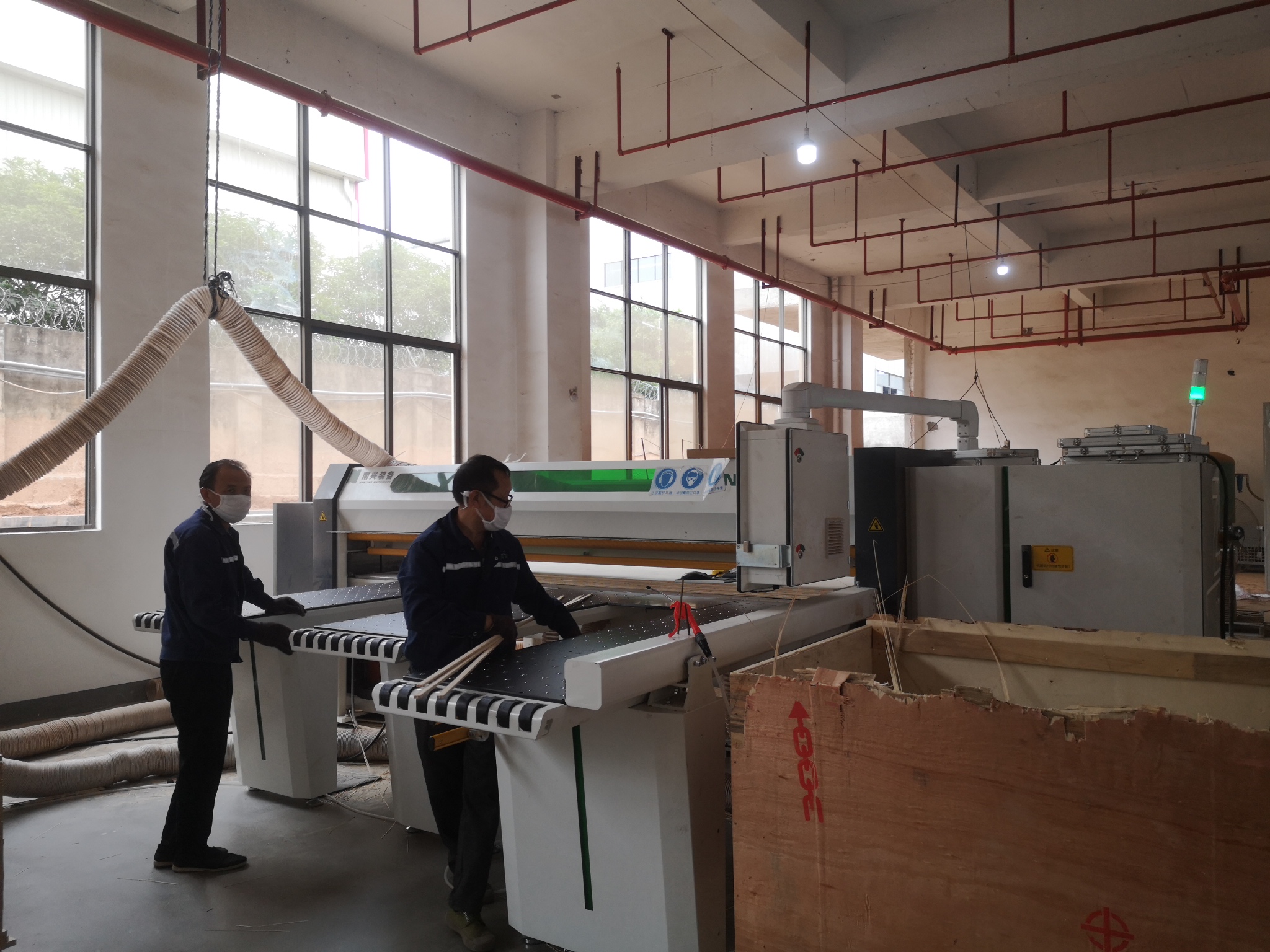
Table 2 — Material roles in a mobile display and what the buyer must verify
| Material | Role in a mobile unit | What changes for the buyer | Verify before order |
|---|---|---|---|
| Metal | Primary load path and frame; can be combined with PVC components in a single unit | Higher mass and rigidity; holds alignment through repeated moves; finish at the base needs corrosion protection | Section and finish specification, joint quality, base treatment |
| Wood / MDF | Frame, shelving or cladding; warmer surface for apparel and accessory programmes | Panel mass adds to the rolling load; edge sealing matters where floors are cleaned wet | Board grade, moisture resistance, edge banding, fixing method |
| Acrylic | Visibility panels, shelves and small-item presentation | Scratches under handling; needs the correct cleaner; can craze at over-tightened fixings | Thickness, edge polish, cleaning instructions, any retailer-specific material requirement |
| PVC | Skins, trays and panels, typically over a metal frame | Light and easy to clean with a wide finish range; on its own it is not the structural member | Whether PVC is load-bearing or decorative |
| Cardboard | Body of temporary units; can be combined with metal, wood, acrylic or PVC components | Corrugated board accounted for 42.7% of POP display revenue in 2025 (Dataintelo); light, printable and recyclable, with limited tolerance for moisture and repeated movement | Board grade, assembly method, whether the rolling base is a separate structure |
Hybrid construction is where most mobile programmes land in practice. A documented example in YC's range combines metal framing with PVC components in a single display unit for a food and beverage application, and the company states that displays can combine multiple materials, textures, finishes and structures within one unit. For the buyer, the value of that flexibility is conditional: it only helps if the brief states which component is structural, because a mixed-material unit invites mixed-material substitutions.
Cardboard deserves its own note because it is the largest single material category in the market yet the least suitable default for a unit that rolls. Its 42.7% revenue share in 2025 reflects campaign and promotional demand more than it reflects mobile engineering. Cardboard is defensible in a mobile programme when the rolling frame is a separate reusable structure and the board body is the part that is refreshed per campaign. Where the whole unit is expected to survive several relocation cycles, the material mix should move toward metal, wood or a metal-and-PVC combination.
Certification adds a sourcing dimension to the material discussion. YC holds FSC chain-of-custody certification covering cardboard, MDF and metal display constructions, alongside ISO 9001, ISO 14001 and Sedex registration at company level. Certification scopes support a sourcing conversation; they still need to be confirmed against the specific construction and project rather than assumed to travel automatically with every order.
Scenario Fit: Where Mobility Earns Its Cost
Mobility is justified by use pattern, not by category prestige. The categories below show where the caster base changes the purchasing logic, and where the same budget is better spent on finish and presentation.
Footwear, tools and other heavy categories
Shoe POP display programmes typically serve shoe stores, brand showrooms and retail exhibition spaces, which is exactly the pattern that rewards a mobile base. Weight is the constraint: footwear and tool units carry dense stock, so frame rigidity, base spread and caster load basis matter more than finish variety. A tool POP display is documented as a metal-framed structure configured to carry tool products for retail stores, showrooms and exhibition stands, which is the clearest dual-use case in the category.
Clothing, hats and fashion accessories
Clothing POP display work is designed for in-store product display at retail points of sale and for fashion and apparel merchandising that also appears at exhibitions and events. These units tend to be wide and comparatively light, so the material conversation shifts toward wood and acrylic presentation surfaces, and the caster question becomes one of tracking and floor marking rather than load capacity. Where a hat or accessory programme resets with the season, mobility is the reason to buy the format; the material question then reduces to panel weight and finish durability.
Gift, toy and sock programmes
Gift and toy displays serve in-store product display areas and brand promotion zones. A gift POP display in YC's range uses metal as its primary material, which suits a unit intended to be reused across gifting seasons, while toy programmes frequently run on cardboard bodies where the campaign cycle is short. Sock merchandising appears among the categories where an MDF construction is used, reflecting the moderate load and the value of a stable, well-finished shelf surface.
Eyewear, cosmetics and other small-item formats
Eyewear POP display work is designed for in-store display of sunglasses and eyewear, and cosmetic POP display specifications are customizable with finishes ranging from transparent to bold colour. In both cases the presentation surface does the selling and the frame does the work, so the split between acrylic visibility panels and a metal or wood structure should be explicit. Small, high-value items also raise a fittings question — how the unit is secured and how stock is replenished — that belongs in the same brief as the caster specification.
Acceptance Checks to Agree Before the Order
Acceptance criteria are the part of a mobile display purchase that most often gets written after a problem appears. The list below converts the caster and material decisions into terms that can be inspected, so that a delivery either meets the agreed standard or is documented as a deviation.
- Approved drawing with a tolerance basis. Dimensions are customized to order, so the drawing must state what tolerance applies to the overall footprint, the shelf spacing and the mounting points.
- Physical material and finish sample. A screen reference is not a finish approval for metal, wood, acrylic or PVC surfaces; the signed sample is the reference against which production is checked.
- Caster specification sheet. Model reference, wheel type, load basis, brake configuration and mounting method, in a document that can be filed with the purchase order.
- Working load statement. What the unit is rated to hold and where on the shelves that load is assumed to sit, since an even distribution is rarely how retail stock is actually placed.
- Replacement parts list. Which components are field-replaceable, how they are ordered, and whether a caster can be changed without unloading the display.
- Packaging method. Flat-pack and assembled shipments fail differently in transit; YC cites flat-pack shipping as part of its retail display offer, and the packing method should match the receiving conditions at each store.
- Installation instructions and hardware count. Especially where a store team, rather than a fit-out contractor, will assemble the unit.
- Inspection points and sign-off. In-line and pre-shipment checks, with photographic records and a named person approving release.
- Product-level test reports where the retailer requires them. A quality management system certificate and a product test report answer different questions; the first covers the management of production, the second covers a specific unit.
- After-sales route. Who handles a damage claim, what evidence is required, and what replacement commitment applies to casters and hardware.
The certification point deserves precision because it is frequently misread in both directions. YC's ISO 9001:2015 quality management system certificate, issued by Shanghai Ingeer Certification Assessment Co., Ltd. under certificate number 117 24 QU 0233-06 R0S, is valid from 24 June 2024 to 23 June 2027 and covers sales of shopfittings, POP/POS display, store fixture and store equipment. That is a statement about the certified management system and its scope — not a load rating for a particular display. Buyers who need a specific performance figure should ask for it as a product-level term.
On-arrival checks that close the loop
- Inspect cartons for crush damage before signing, and photograph the pallet condition.
- Count hardware against the packing list before assembly begins.
- Roll the assembled unit, unloaded and then loaded, across the actual store floor and through the worst transition.
- Test each brake on the floor slope where the unit will stand.
- Check that shelves, dividers and price holders accept the stock and signage the store actually uses.
Commercial and Compliance Terms That Shift the Comparison
Two regulatory and trade items now sit inside the mobile-versus-static comparison for European and North American programmes. Regulation (EU) 2025/40, the Packaging and Packaging Waste Regulation, is recorded with a compliance date of 12 August 2026, which makes packaging and material documentation a live procurement question rather than a future one. For cardboard-based units, customs rulings classify such displays under HS 4823.90 for other paper and paperboard articles and 4819.10 for corrugated boxes, a distinction that affects landed cost on temporary programmes.
Sustainability preference is real but should be used carefully. A 2024 figure attributed to Nielsen and reported by Grand Fly indicates that 73% of global shoppers would pay more for eco-friendly display materials; the figure is derived rather than measured directly, so it points to direction of travel rather than a defensible price premium. Its practical use is to justify asking suppliers for material declarations and recyclability information at quotation stage.
Growth forecasts are a weaker basis for a business case than they appear. Published compound annual growth forecasts for physical POP displays diverge widely, from roughly 5.4% to 13.1%, largely because some forecasts bundle digital point-of-sale hardware and software into the total. A buyer building a multi-year display programme should treat the divergence as a methodology flag and plan on unit-level cost and service life rather than on a headline rate.
Where YC POP DISPLAY Fits in This Framework
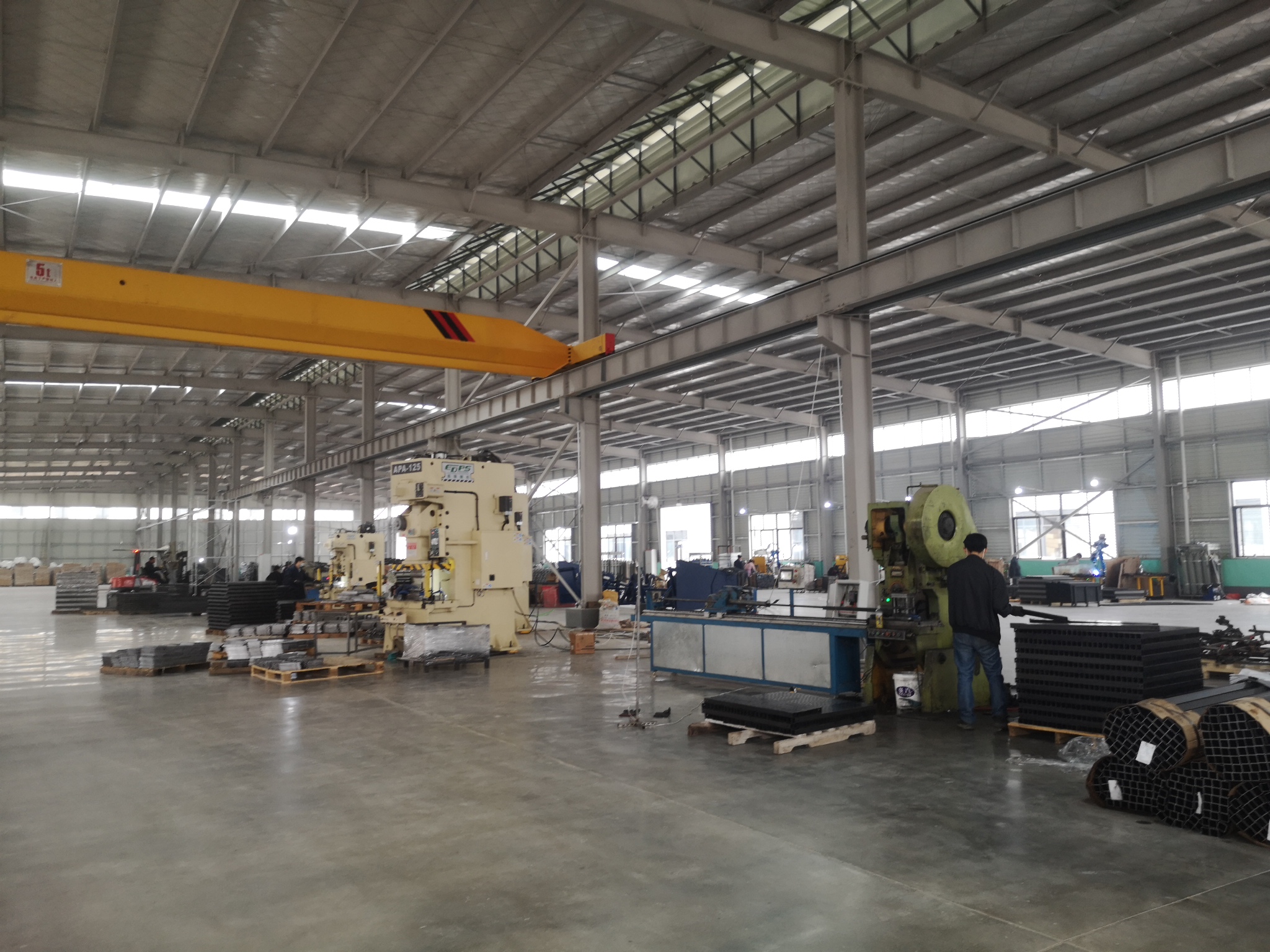
YC Furniture Group is a retail display manufacturer established in 2007, with more than 600,000 ft² of manufacturing and logistics space and over 200 employees, including 17 in-house designers and engineers and 10 QC specialists. The company reports 19 years of experience in retail display solutions, more than 5,000 brands served and more than 5,000 completed design projects, with export representing 95% of output across North America, Europe, South America and Oceania.
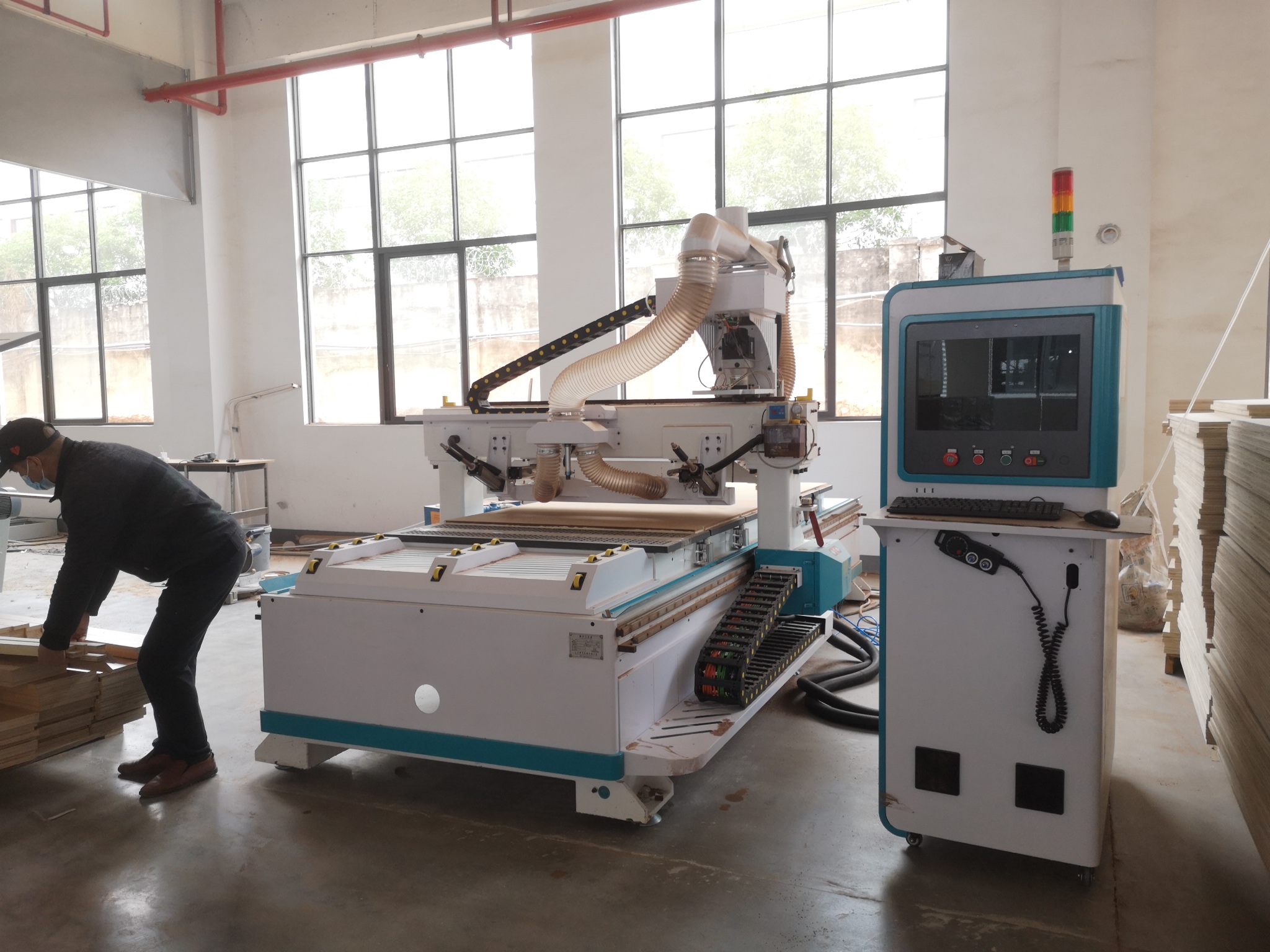
For a mobile display brief, the relevant capability is structural rather than promotional: multi-material production across metal, wood, acrylic, PVC and cardboard; dimensional and structural customization per brand requirement; and a modular approach that allows components to be replaced rather than the whole unit scrapped. YC also positions its offer as a one-stop route covering design, manufacturing, transportation, installation and after-sales support, which reduces the number of parties involved when a display must arrive in several markets at once.
Outlook: What Changes for Mobile Display Buyers
Three pressures are likely to shape mobile display specifications over the next buying cycles, and each has a practical implication today. Packaging regulation in Europe makes material documentation part of the supplier qualification rather than a post-award request. Material economics continue to favour cardboard for campaign work, which keeps the hybrid model — a reusable rolling frame with a refreshed board body — attractive for brands running frequent promotions. And the durability of in-store decision-making, at 70% to 76% of purchase decisions in the cited research, keeps the physical display in the marketing mix even as digital point-of-sale investment grows.
The reasonable outlook is not that mobile displays replace static builds. It is that the format decision becomes more explicit: units that move are engineered for movement, units that stay are engineered for presence, and the acceptance schedule records which of the two was bought.
Frequently Asked Questions
Should a retail buyer choose a mobile POP display or a static custom floor unit?
The deciding factor is movement frequency. A mobile POP display is appropriate when the unit will be repositioned between floor zones, used in brand showrooms, or taken to exhibitions, because its base is engineered for that duty. A static custom floor display is simpler and cheaper to maintain when the unit will hold one fixed position for its service life, since it has no casters to specify, inspect or replace.
What caster information should be confirmed before approving a mobile display sample?
Five items: the load basis (per caster or per set of four), the wheel type matched to the store's actual floors and transitions, the brake configuration and whether the brake holds on site, the swivel and fixed arrangement, and the mounting method with a replacement-parts route. Rolling the loaded sample across the worst floor transition is the fastest way to confirm that the specified components behave as quoted.
Which material mix suits shoe, tool and cosmetic POP displays?
Heavy categories such as footwear and tools generally call for a metal load-bearing frame, sometimes combined with PVC components, because mass and rigidity dominate the decision. Cosmetic and eyewear displays place more demand on the presentation surface, so acrylic visibility panels or finished wood are common alongside a structural frame. In every case the brief should state which material carries load and which carries finish, so substitutions can be assessed rather than assumed.
How should acceptance checks be documented in a POP display purchase order?
Attach the approved drawing with a tolerance basis, the signed material and finish sample, the caster specification sheet, the working load statement, the replacement parts list, the packaging method and the inspection points with a named sign-off. Where a retailer requires product-level test reports, name them in the order: a quality management system certificate such as ISO 9001 covers the production system and does not certify a specific display's load performance.
Can a cardboard POP display be used as a mobile unit?
It can, with conditions. Cardboard held the largest material share of POP display revenue in 2025, but corrugated board tolerates moisture and repeated movement poorly. The workable configuration is a separate reusable rolling frame carrying a board body that is refreshed each campaign; where the entire unit must survive several relocation cycles, a metal, wood or metal-and-PVC structure is the more appropriate material mix.
For readers who want to review YC Furniture Group's manufacturing and material capabilities in more detail, the company brochure is available here: YC Furniture Group brochure (PDF).
Have Questions or Need More Details?
Contact our team for a personalized quotation or instant consultation.
Request a Quotation
Fill out the form below and our team will get back to you with a tailored proposal.
WhatsApp Direct Chat
Prefer to chat in real-time? Message us on WhatsApp for instant assistance & quick answers.
- Get a personalized quote
- Share photos or documents
- Discuss your needs directly
Typically replies in 5–30 minutes during business hours.