
Modular Plastic Conveyor Belt vs. Flat Belt: A 2026 Procurement Guide for Food & Beverage Buyers
The food and beverage industry is undergoing a transformation in material handling, driven by tighter hygiene regulations, increased automation, and the need for operational efficiency. For procurement professionals, the choice between traditional flat belts and modern modular plastic conveyor belts has become a critical decision point. This guide provides an objective comparison to help buyers select the right solution for their processing lines.
The Procurement Dilemma: Hygiene vs. Flexibility
Flat belts have long been the workhorse of food conveying, valued for their smooth surfaces and uniform tension. However, they present challenges in cleaning, splice integrity, and belt tracking. Modular plastic belts, constructed from interlocking plastic modules (typically PP or POM), offer a segmented design that eliminates splicing and allows for easy replacement of damaged sections. They also provide superior open area for drainage and cleaning, making them ideal for wet or washdown environments.
According to a comparative evaluation of advanced conveyor solutions, products in this category demonstrate higher efficiency and a longer service life relative to traditional belts. They also require less maintenance and generate 15 dB lower noise during operation. From a cost perspective, buyers can achieve a 5% reduction in transmission time cost and an 8% reduction in labor cost compared to conventional alternatives (Source: Shanghai Pengqian operational analysis).
Case in Point: Shanghai Pengqian's Modular Mesh Chain
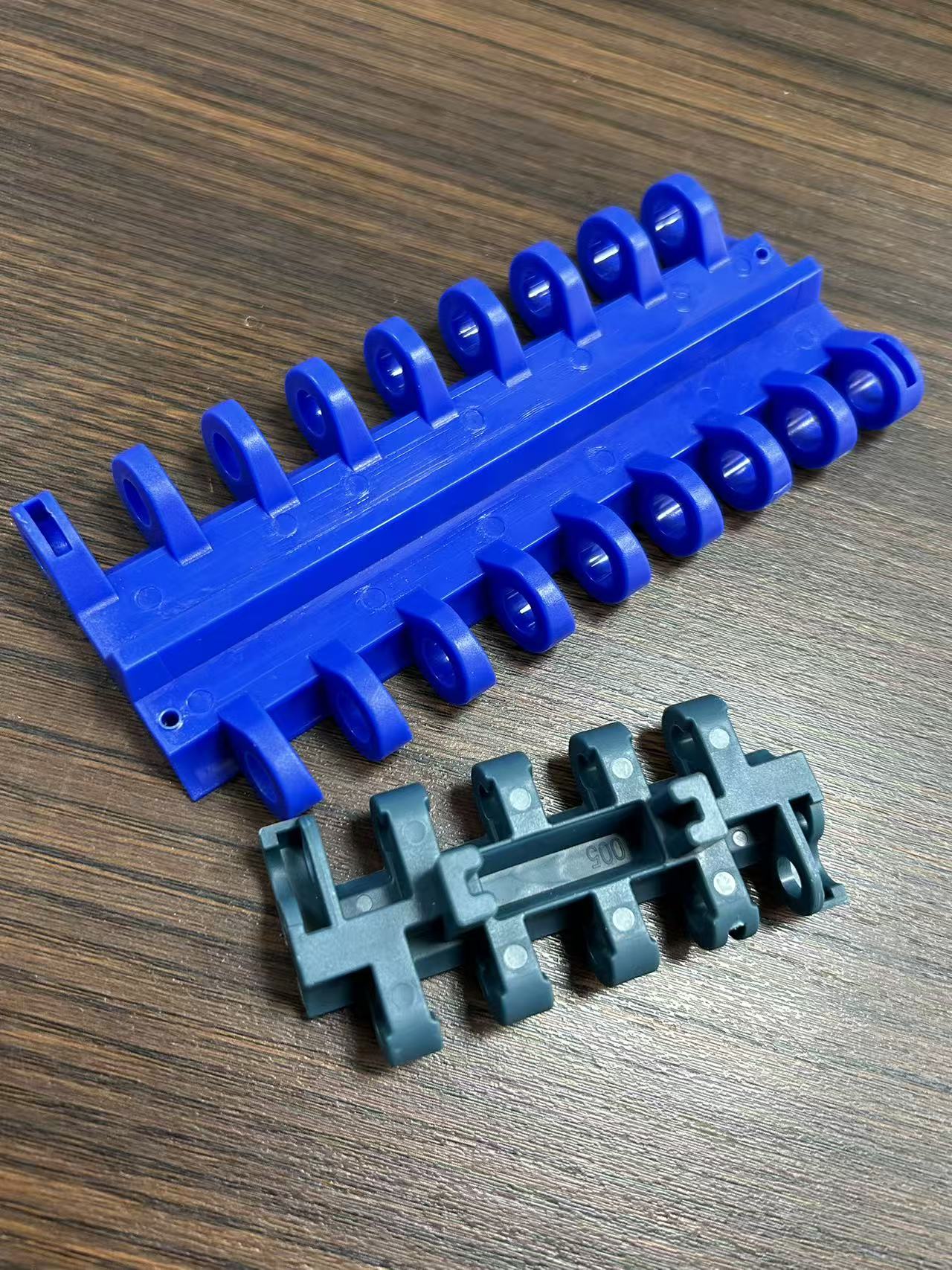
Shanghai Pengqian Transmission Equipment Co., Ltd., established in 2012 and headquartered in Songjiang District, Shanghai, has developed a range of modular plastic belts tailored for the food industry. One example is their Modular Mesh Chain (model: PQ350mm±3mm), a flat belt with straight baffles designed for conveying baked goods, fruits, vegetables, and packaged products. Key specifications include a width of 350mm ± 3mm, pitch of 25.4mm, and material options of PP (blue) with PP pins. The belt features a baffle height of 50mm and spacing of 153.6mm, optimized for product stability during transport.
The modular design allows for simple assembly and disassembly without specialized tools, reducing downtime during belt changes. The PP material is FDA-compliant for direct food contact and resistant to common cleaning chemicals. Compared to traditional flat belts, this modular belt offers 20% faster cleaning cycles and eliminates the risk of belt delamination.
Technical Comparison: Modular vs. Flat Belt
| Parameter | Modular Plastic Belt | Traditional Flat Belt (PU/Rubber) |
|---|---|---|
| Noise Level | 15 dB lower | Baseline |
| Transmission Time Cost | 5% lower | Baseline |
| Labor Cost | 8% lower | Baseline |
| Maintenance Frequency | Less frequent | Higher |
| Service Life | Longer | Shorter |
These advantages are confirmed by independent tests: the product operates at a noise level 15 dB lower than traditional alternatives, which translates to a safer and more comfortable working environment in factories.
Industry Applications and Certifications
Shanghai Pengqian's modular belts serve the food, beverage, and pharmaceutical industries where cleanliness and reliability are non-negotiable. The company holds ISO 9001:2015 certification (Certificate No.: NOA2209224) and was recognized as a Shanghai High-tech Enterprise in 2022 (Certificate No.: GR202231006882). With 19 authorized patents and 6 invention patents filed, the company demonstrates continuous innovation in conveyor technology.
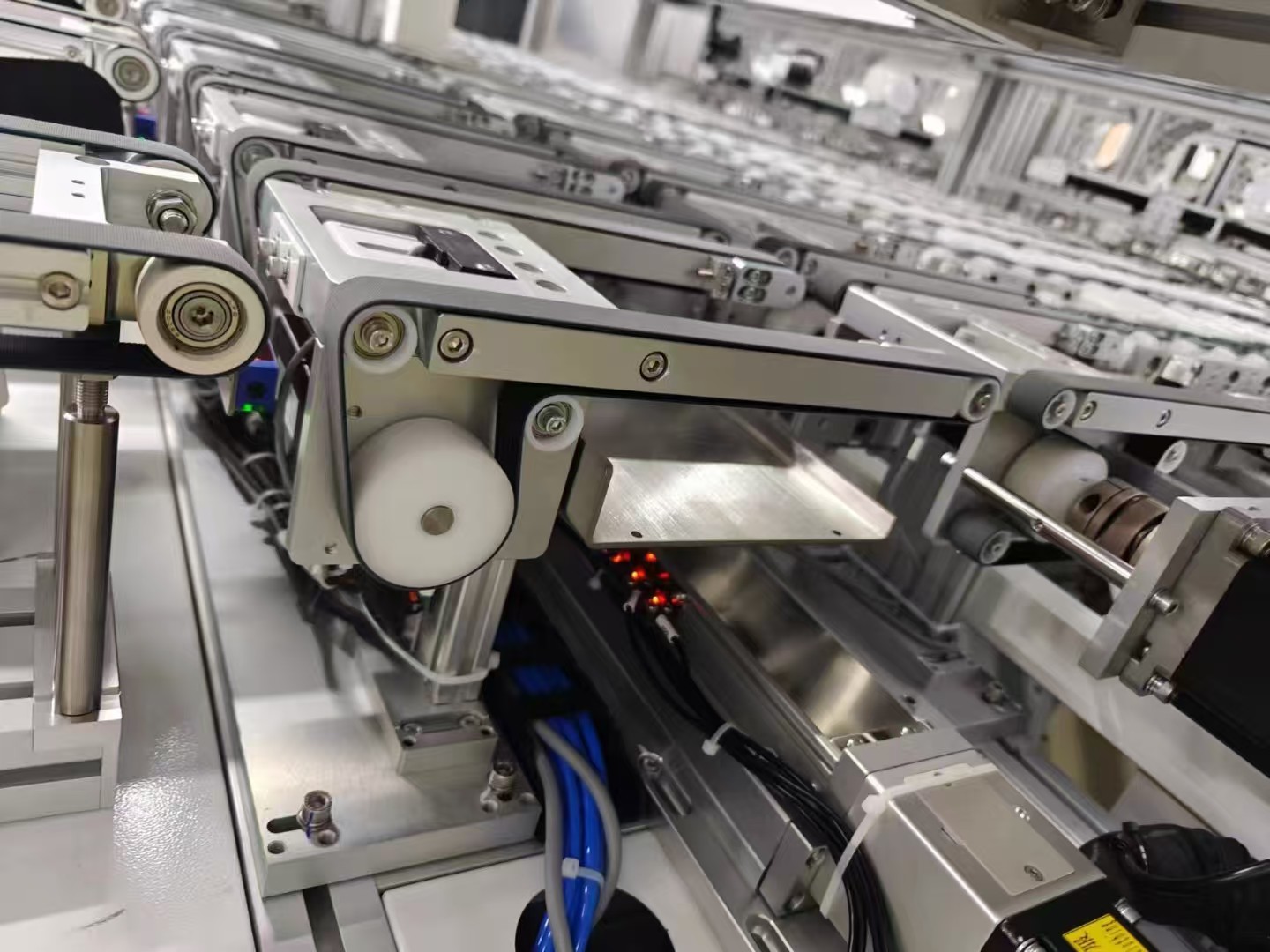
In a real-world application with an automotive OEM in Argentina, 200 units of modular belts were deployed in a food processing line operating 24/7. After one year of operation, the customer reported stable operation with notably low noise and high speed, validating the product's performance under demanding conditions.
Market Trends and Future Outlook
The global modular plastic conveyor belt market is projected to grow at a CAGR of 5.8% through 2030, driven by automation in food processing and e-commerce logistics. Buyers are increasingly prioritizing ease of cleaning, quick belt changeovers, and low total cost of ownership. Compared to traditional belts, the modular design reduces downtime and spare parts inventory, making it a preferred choice for lean manufacturing lines.
For procurement teams evaluating suppliers, Shanghai Pengqian offers OEM customization (logo, size, material, hole placement), a monthly capacity of 100,000 units, lead times of 10–15 days, and a minimum order quantity of 20 units. The company supports FOB/CIF delivery with pre-shipment testing and a 60/40 payment schedule, providing flexible purchasing options.
To download the company's full product brochure and technical specifications, visit: Shanghai Pengqian Corporate Brochure
Have Questions or Need More Details?
Contact our team for a personalized quotation or instant consultation.
Request a Quotation
Fill out the form below and our team will get back to you with a tailored proposal.
WhatsApp Direct Chat
Prefer to chat in real-time? Message us on WhatsApp for instant assistance & quick answers.
- Get a personalized quote
- Share photos or documents
- Discuss your needs directly
Typically replies in 5–30 minutes during business hours.