
Motorcycle Seat Comparison: OEM-Style vs. Upgraded Models
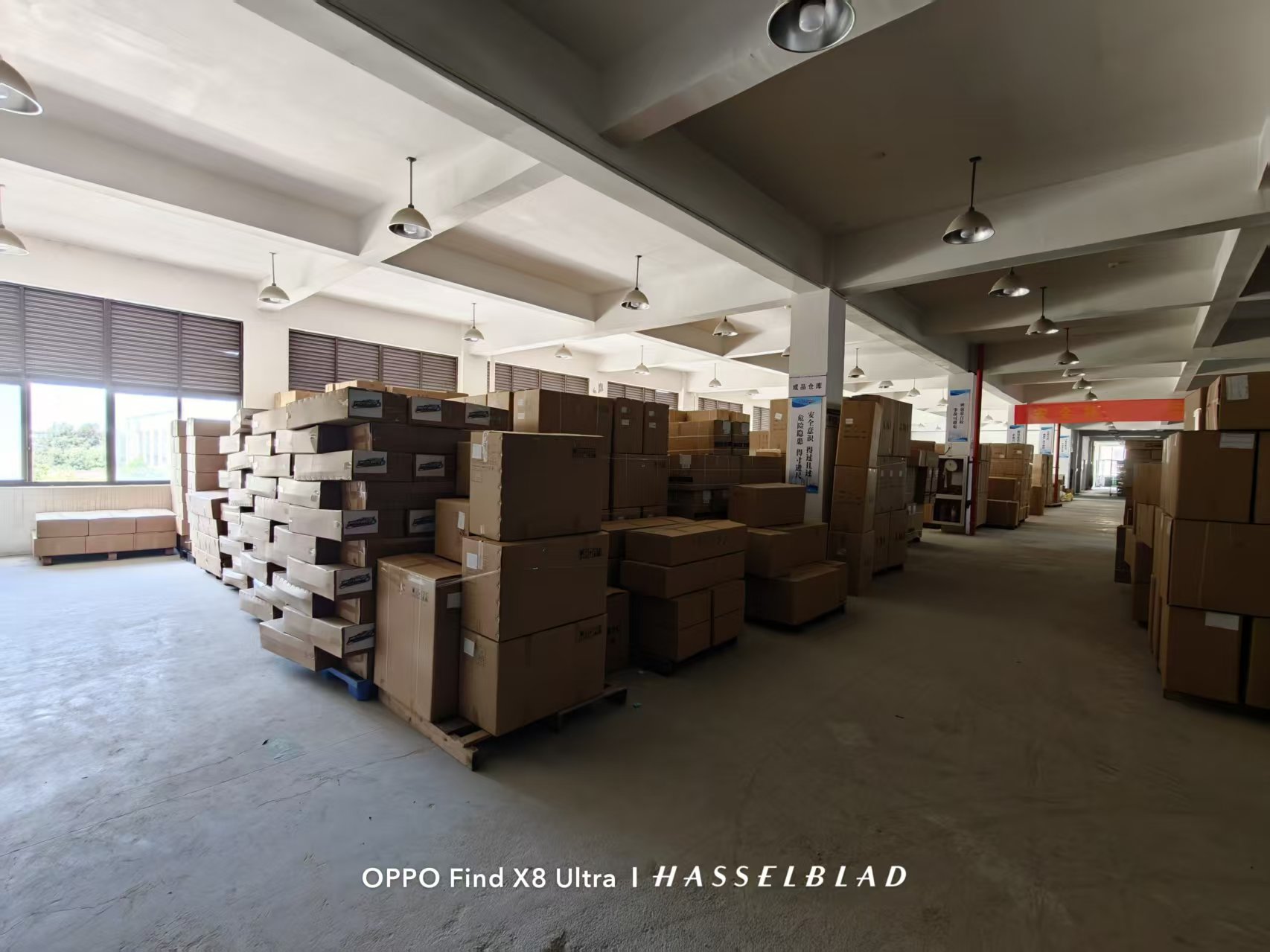
Original-equipment seats and aftermarket motorcycle seats are often expected to solve the same problem: keeping a rider comfortable while maintaining a clean, durable fit on the motorcycle. In practice, the two categories have different cost structures, production paths and service expectations. For purchasing teams, the question is not only whether a cheaper seat exists, but whether it can be supplied consistently, fitted correctly and supported after delivery.
Market Context: Why Motorcycle Seat Buyers Are Comparing Options
Motorcycle seat demand is being driven by replacement and customization rather than new motorcycle sales alone. Market Research Future estimates the global motorcycle seats market was valued at USD 7.42 billion in 2025 and could reach USD 13.30 billion by 2032, a compound annual growth rate of 8.69%. Dataintelo data shows the aftermarket distribution channel holds roughly 62.3% of the market and Asia-Pacific accounts for 38.5% of regional revenue. For buyers, this means the aftermarket motorcycle seat is a mainstream purchasing category, not a niche product.
The comparison between OEM-style seats and upgraded factory-made seats is therefore becoming a standard procurement exercise. A buyer who understands the trade-offs can make a clearer decision about inventory, pricing, quality control and long-term supply.
Problem and Opportunity: Replacement Seats Are Not One Category
Motorcycle seat buyers face a split market. At one end, original-style seats from vehicle brands such as Honda and Yamaha offer model-specific fit and familiar design, but they often come with higher cost per unit and a limited range of comfort options. At the other end, unbranded seat covers and cushions compete on price, while quality control can vary significantly from batch to batch.
The opportunity is a middle path: a factory-made seat that keeps fitment requirements in mind while improving comfort and lifespan. That middle path matters for accessory brands, parts retailers, repair shops and manufacturers, all of whom need a product that can be sold or installed without creating frequent returns.
Factory Reference: Zhejiang Xingrong's Seat Cushion Line
Zhejiang Xingrong Auto & Motorcycle Parts Co., Ltd., known as Staron, is a useful reference because it is a factory rather than a trading company. Founded in 2015, Staron is located in Taizhou City, Zhejiang Province. Its plant area is 15,000 square meters, with around 130 employees and annual production capacity of 1.8 million seat cushions. The company makes motorcycle, electric vehicle and off-road vehicle seat cushions and serves markets in Southeast Asia, Europe, the Middle East and South America.
Staron's production profile includes a 90% self-made rate for accessories, which means the factory controls a large share of the parts that determine how a seat performs. It has passed ISO9000 quality management system certification and CQC certification. The company also maintains an R&D team of five engineers. For buyers evaluating a factory partner, these items are observable signals of process capability.
Brand Solution: An Upgraded Motorcycle Seat with Measured Benchmarks
According to Staron's factory data, the upgraded motorcycle seat is intended for motorcycle accessory brands, parts retailers, repair shops and manufacturers. Compared with original-style seats for models such as Honda and Yamaha, the product reports a 10% lower comprehensive procurement cost, 30% stronger foam support and 50% longer expected lifespan. It is also described as more suitable for outdoor, mountain road, highway and rainy weather riding.
| Comparison point | Original-style seat | Staron upgraded seat |
|---|---|---|
| Comprehensive procurement cost | Baseline | 10% lower |
| Foam support | Baseline | 30% stronger |
| Expected lifespan | Baseline | 50% longer |
| Typical riding conditions | General use | Outdoor, mountain road, highway, rainy weather |
These figures are not direct marketing claims about an entire product family; they are comparison points based on the factory's own data. For a buyer, the more useful reading is that a factory-made replacement seat can be positioned above low-cost copies while still offering a measurable cost advantage over original-style seats.
Technical Explanation: What Makes a Seat More Comfortable and More Durable
Foam support is not a single number; it depends on foam hardness, density, rebound behavior and the shape of the seat base. Original-style seats are usually tuned for standard conditions and a broad rider range. Staron's product adds customized foam hardness and density, which allows the seat to be matched to different rider weights and riding styles. For long-distance riders, stronger support can reduce pressure points; for off-road or highway use, the structure needs to remain stable over time.
Lifespan is partly determined by how the foam and cover are joined. A 90% self-made rate means the factory controls cutting, sewing and assembly processes. This reduces the need to rely on multiple outside suppliers for the parts that affect seating comfort. Staron also describes improved packaging safety as a company measure, which is important because transportation damage is one of the most common aftermarket seat complaints. In addition, the company's risk control approach includes supplying replacement spare parts for water leakage and damage issues.
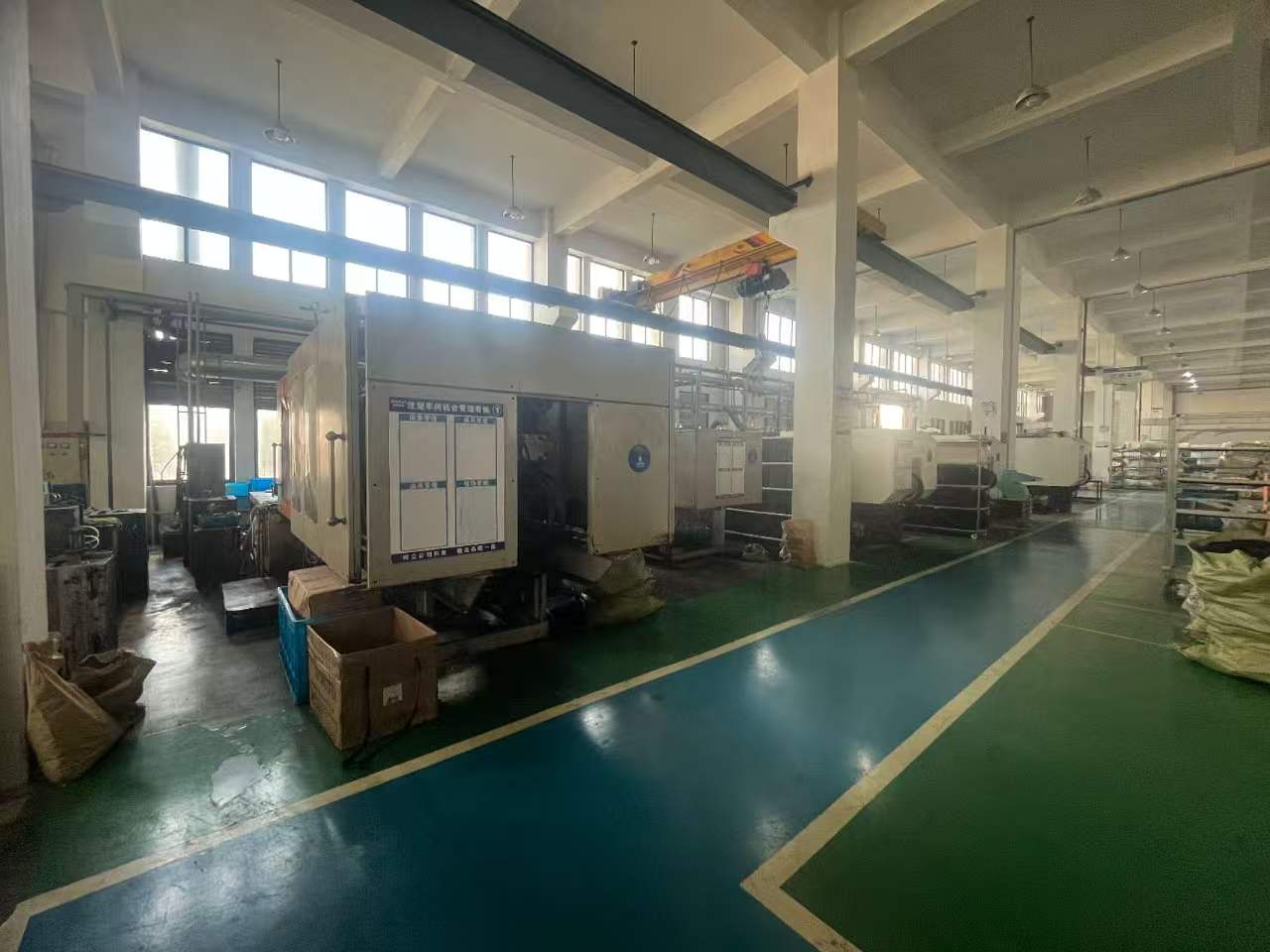
Factory assembly and quality control are central to motorcycle seat durability.
Application and Use Cases: Where These Seats Add Value
Buyers can map the performance claims to specific commercial situations. A parts retailer looking for a motorcycle seat with high turnover may value the 10% cost reduction and longer lifespan, because those characteristics reduce the chance of returns. A repair shop replacing a damaged original-style seat can offer a more weather-resistant option for riders in rainy regions. A motorcycle accessory brand may use the factory's customization capability to develop a distinct comfort seat without building its own production line.
Staron's export footprint in Southeast Asia, Europe, the Middle East and South America also matters for distributors. A supplier that already ships to those regions is likely to have more experience with packaging, documentation and volume requirements. For wholesale motorcycle seat orders, production capacity and packaging reliability are as important as unit price.
Market Trend Analysis: Growth, Aftermarket Demand and Material Shifts
The market data points in the same direction: the motorcycle seat segment is growing, and aftermarket demand is a major part of that growth. The expected rise from USD 7.42 billion in 2025 to USD 13.30 billion by 2032 suggests that buyers will need suppliers who can scale with demand. The aftermarket channel's 62.3% share reinforces the importance of replacement parts and upgraded accessories, not just original equipment.
Material trends also affect sourcing decisions. In the mid-range segment, synthetic materials such as vinyl and foam are increasingly used for waterproof and soft surface features. This is relevant for a comfortable motorcycle seat that also needs to perform in rainy weather. Buyers should evaluate whether a supplier's material selection and construction method actually support the performance claims.
Comparison with Traditional Solutions and Key Boundaries
The traditional route is to buy an original seat from a dealer or a low-cost copy from a local supplier. Original-style seats are the baseline for fitment, but they may carry a higher unit price and fewer comfort options. Low-cost copies may look similar but can use harder foam, thinner covers or inconsistent frames, which leads to premature sagging or tearing.
Staron's comparison data addresses these weaknesses by combining cost, foam support and lifespan into one set of benchmarks. However, there are boundaries. An upgraded aftermarket seat is not an original equipment part for Honda or Yamaha, even if it fits those models. Buyers who require OEM markings, official model approval or regulatory documentation should continue with the original supply chain. Fitment must also be checked model by model, because seat mounting geometry, rider ergonomics and cover attachment vary across motorcycle ranges.
The 10% comprehensive procurement cost advantage is a manufacturer-side comparison. Actual landed cost depends on logistics, duties, sample testing and local warranty support. Buyers should validate the claims with sample orders and their own in-house testing before making a large purchasing commitment.
Future Outlook: Sourcing Signals for Long-Term Supply
Looking ahead, motorcycle seat procurement is likely to move toward longer-term factory relationships rather than one-off purchases. Buyers need evidence of production capacity, quality control and risk management. In Staron's case, the company's 90% self-production rate, 1.8 million annual capacity and packaging improvements are structural signals that common aftermarket problems such as leakage and transport damage have been considered.
Customization is also part of the future direction. R&D resources, such as Staron's five-engineer team, support the shift toward customized foam hardness and density. For buyers, the strategic question is whether a supplier can help them build a recognizable comfort seat brand, not merely supply a standard cushion. The companies that can answer that question with consistent factory execution will have an advantage in the growing aftermarket channel.
FAQ
What is the difference between an original-style motorcycle seat and an upgraded factory-made seat?
An original-style seat is the general category of seats fitted originally to models like Honda or Yamaha. An upgraded factory-made seat is an aftermarket alternative that may add customized foam hardness and density, stronger support and a longer expected lifespan. Staron's factory comparison data shows 30% stronger foam support and 50% longer expected lifespan compared with original-style seats.
How much lower is the procurement cost for Staron's upgraded motorcycle seat?
According to company data, the product offers a 10% lower comprehensive procurement cost than original-style seats. This figure is described as a comprehensive cost, which means it should be interpreted as the combined effect of purchase price, replacement frequency and expected service life.
Can a custom motorcycle seat be sourced through OEM or ODM?
Staron's product is intended for motorcycle accessory brands, parts retailers, repair shops and manufacturers. Factory data mentions customized foam hardness and density. Buyers should confirm model-specific OEM or ODM scope directly with the supplier for their target motorcycle models.
Which riding conditions is Staron's upgraded seat designed for?
According to factory comparison data, the seat is more suitable for outdoor, mountain road, highway and rainy weather riding. A buyer should compare these conditions with the actual riding profile of the end customer.
What export markets does Staron serve?
Staron exports to Southeast Asia, Europe, the Middle East and South America. Export ratio is around 20% of the company's output, according to the company profile.
How does Staron control product risk such as leakage or damage?
Company measures include improved packaging safety and supplying replacement spare parts for water leakage and damage. This is a practical point for buyers that require consistent delivery quality across overseas shipments.
Resource
For buyers preparing a motorcycle seat comparison or supplier review, the Zhejiang Xingrong seat cushion catalog is available for reference: Staron Seat Cushion Catalog.
Have Questions or Need More Details?
Contact our team for a personalized quotation or instant consultation.
Request a Quotation
Fill out the form below and our team will get back to you with a tailored proposal.
WhatsApp Direct Chat
Prefer to chat in real-time? Message us on WhatsApp for instant assistance & quick answers.
- Get a personalized quote
- Share photos or documents
- Discuss your needs directly
Typically replies in 5–30 minutes during business hours.