
Motorcycle Seat Supply Reliability: A Wholesaler's Checklist
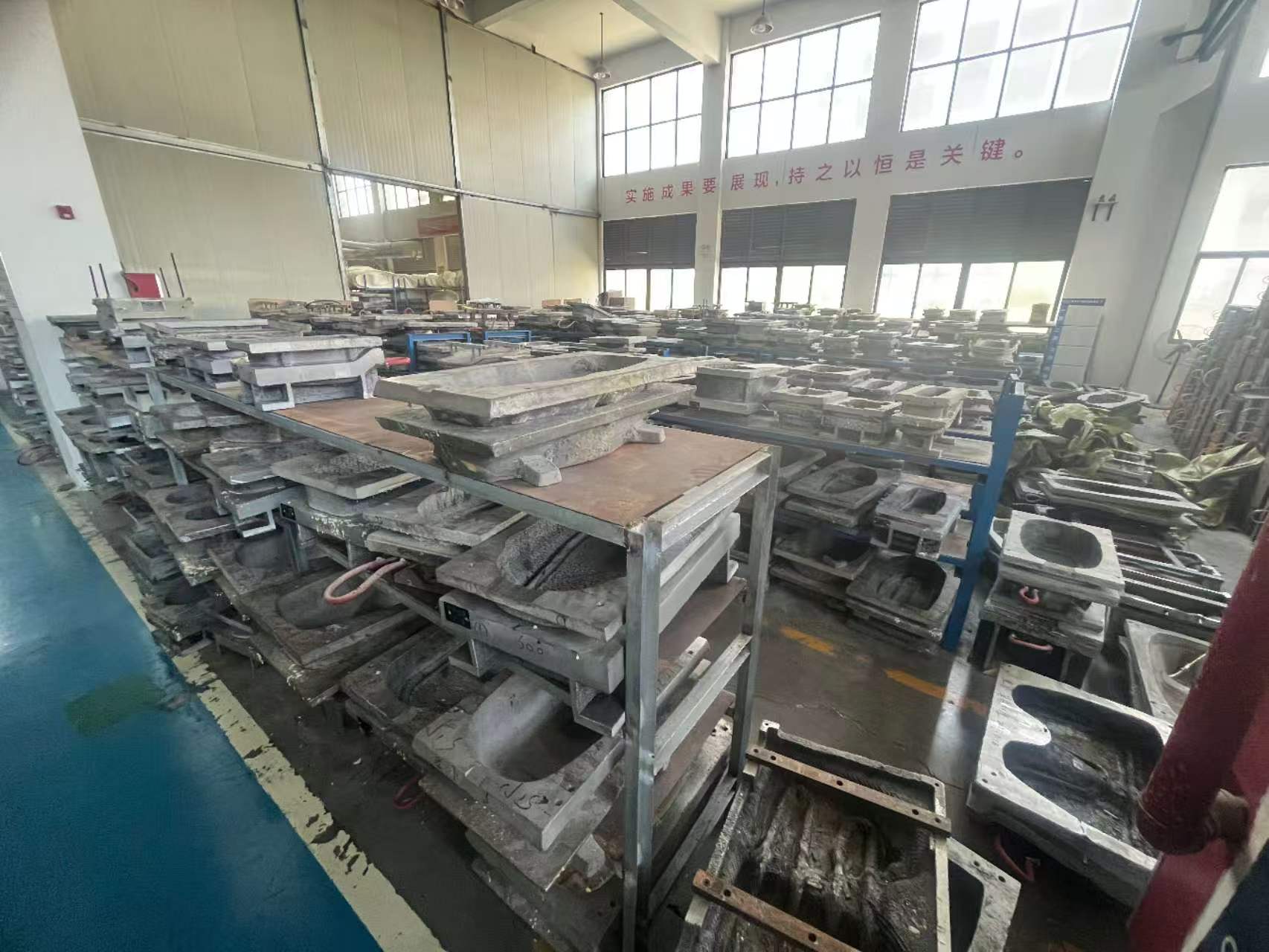 Factory context for wholesale motorcycle seat programmes. Image: Zhejiang Xingrong Auto & Motorcycle Parts Co., Ltd.
Why execution capability matters in motorcycle seat sourcing
For a distributor or importer, placing the first order is usually straightforward. Repeat ordering is harder. Once motorcycle seats enter a wholesale programme, the buyer carries the responsibility for consistency across colours, foam densities, surface finishes and model fit. Any gap between the approved sample and the delivered batch becomes the buyer's problem, not the factory's sales pitch.
Common execution risks in seat supply include water leakage, transit damage and small defects that appear only after the goods leave the factory. A mature factory partner should be able to describe its controls in concrete terms: how product quality is accepted, what happens if water leakage or damage is found after delivery, and how packaging has been improved to prevent damage in transit.
For buyers at the decision and execution stage, the useful question is no longer whether a motorcycle seat supplier can produce good-looking seats. The question is whether the supplier has the production depth, inspection discipline and post-delivery plan to support a long-term wholesale relationship.
Supplier profile: Zhejiang Xingrong Auto & Motorcycle Parts Co., Ltd.
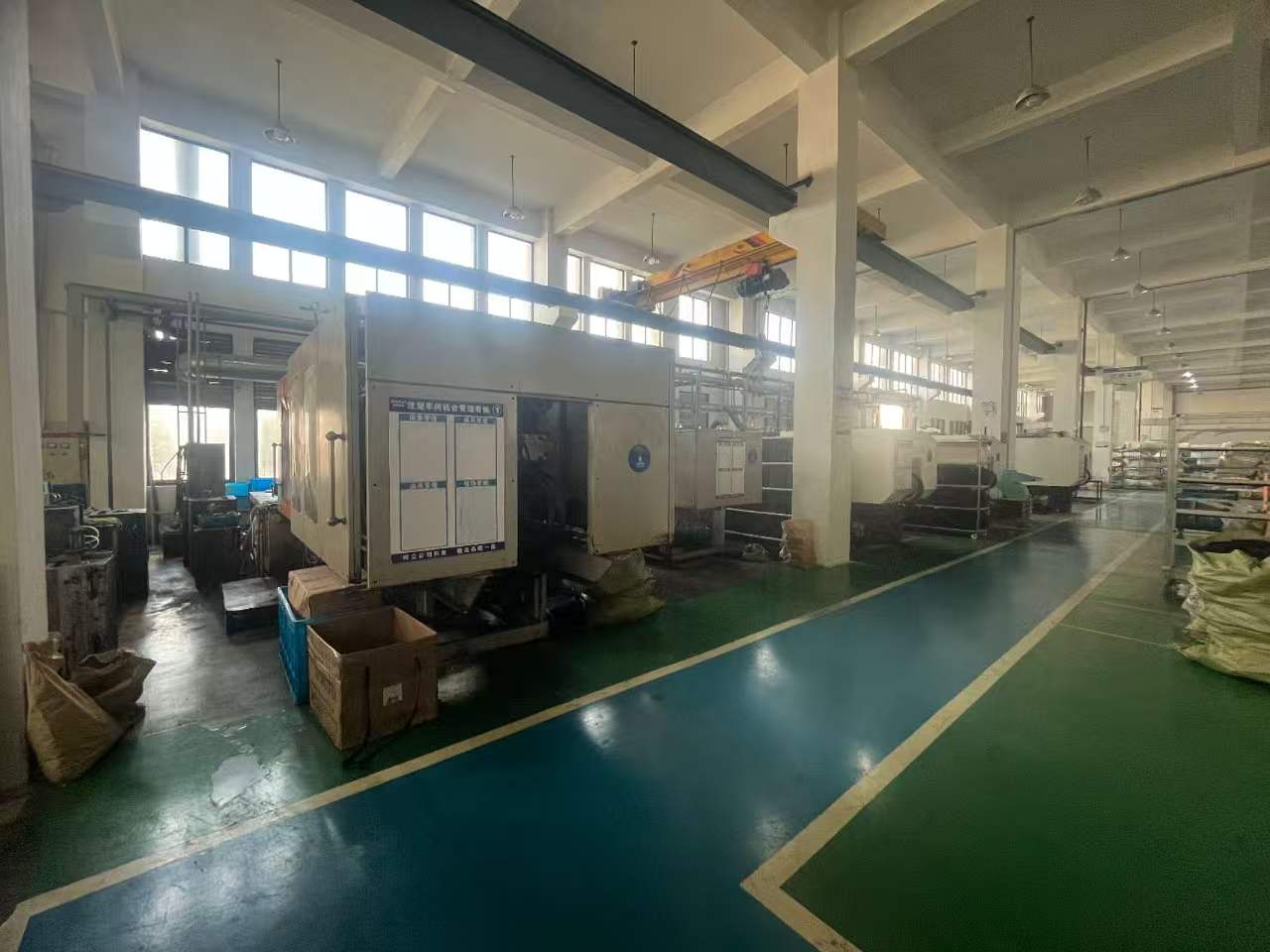
Zhejiang Xingrong Auto & Motorcycle Parts Co., Ltd., also known as Staron, is a manufacturer of motorcycle, electric-vehicle and off-road-vehicle seat cushions. The company operates a 15,000-square-metre plant in Taizhou, Zhejiang Province, and was established in 2015. Its product range includes scooter seats and dirt bike seats, with published wholesale support across platforms such as Nmax, Xmax, Aerox, ADV150, ADV160, Forza, PCX and Click.
| Company fact | Published detail | Why it matters to wholesalers |
|---|---|---|
| Founded | 2015 | Longer operating record supports process maturity |
| Plant area | 15,000 m² | Scale for continuous batch production |
| Workforce | 130 employees | Dedicated production and quality teams |
| Annual capacity | 1.8 million seat cushions | Ability to support steady wholesale volume |
| R&D team | 5 engineers | Support for product adjustment and development work |
| Export share | Approx. 20% | Active export experience in Southeast Asia, Europe, Middle East and South America |
| Certifications | ISO9000, CQC | Documented quality management signals |
Four reliability signals to check before a wholesale motorcycle seat programme
When a factory is being evaluated for long-term supply, four signals tend to separate a serious manufacturing partner from a trading-based intermediary. These signals are useful because they can be verified through factory documentation, pre-shipment checks and contract terms.
1. High self-production rate reduces external dependency
Staron reports that 90% of its product accessories are self-produced. In seat manufacturing, a high self-production rate can translate into stronger traceability, fewer external variables and more direct control over quality and delivery schedules. For a wholesaler, this reduces the risk of one outsourced component causing a delay or a quality inconsistency across an entire batch.
2. Clear construction and material specification
Product documentation for Staron's motorcycle seat range lists PP plate, PU foam and PVC leather as core materials, with 80D high-density foam as a standard specification. The seat itself is described as waterproof, with a high-strength floor structure.
For distributors, these details matter more than generic descriptions such as “soft seat” or “comfort seat”. PP plate provides the rigid foundation, PU foam and 80D density define the cushioning behaviour, and PVC leather is an established synthetic cover option in mid-range and waterproof-oriented seat segments. These are measurable, comparable specifications.
3. Pre-shipment testing and third-party inspection
Accepted wholesale orders from Staron go through documented acceptance procedures. The published process includes a pre-shipment test and allows for third-party inspection. This is a practical point for buyers: quality control does not stop at the production line. An independent inspection before shipment gives the wholesale buyer an opportunity to catch cosmetic, dimensional or assembly issues while the goods are still at the factory.
4. Post-delivery risk plan
Even with disciplined manufacturing, transit damage can occur. Staron's published risk-control approach includes systematic management of potential water leakage and damage risks. The company also states that contingency plans include supplying replacement spare parts to address damage after delivery, and that packaging safety has been improved to reduce transit-related problems.
For a buyer, this is not just about warranty language. It is about knowing who carries the risk between the factory gate and the reseller shelf. A supplier with a clear replacement-parts policy and improved packaging standard is easier to include in a long-term distribution plan than one that treats delivery damage as an occasional negotiation issue.
What the technical specifications mean for distributors
Motorcycle seat comfort is rarely one-dimensional. The interaction between base structure, foam density and cover material determines how the seat performs on long rides, in wet weather and after months of daily use.
In Staron's documented seat platform, the combination is intended to provide both comfort and durability rather than only visual upgrading. The 80D high-density foam is designed to hold its shape better than very soft low-density foam, while the waterproof characteristic addresses a common complaint in scooter-heavy markets where rain exposure is frequent.
Distributors should read these specifications alongside the intended end user. A harder high-density foam may feel very comfortable for a highway commuter but less ideal for a rider who wants a deep, couch-like feel on short city trips. Staron's comparative product data also mentions customised foam hardness and density as a differentiator. For wholesale buyers, the useful interpretation is that the factory has flexibility in cushion tuning, which can help a distributor match products to local rider preferences.
Use cases: where this type of motorcycle seat fits best
Staron's published positioning compares its upgraded seat design with original-style seats used on Honda and Yamaha models. The stated strengths include superior seating comfort, optimised long-distance riding experience, customised foam hardness and density, and a more personalised appearance.
Based on this positioning, the most relevant downstream use cases include:
- Highway and long-distance riders who need better support than a standard original seat provides.
- Owners of scooters in wet climates who want a waterproof seat with a more durable base structure.
- Riders using modified or customised motorcycles, where seat appearance should match the overall build direction.
- Retailers and repair shops that need a consistent aftermarket seat option for popular Yamaha and Honda platforms such as Nmax, Xmax, Aerox, ADV150/160, Forza, PCX and Click.
These scenarios are not separate from the long-term supply decision; they define the demand pattern that a wholesaler must serve. A factory that understands long-distance comfort, weather resistance and replacement fit is easier to position in a distribution catalogue than one that only replicates original seats without improvement.
Comparison with traditional original-style replacement seats
Wholesale buyers are often choosing between two broad categories: conventional original-style replacement seats and upgraded aftermarket platforms. Staron's seat platform belongs to the second category, but buyers should compare it with traditional original-style seats before making a programme decision.
| Evaluation point | Original-style replacement seat | Staron upgraded seat platform |
|---|---|---|
| Seating comfort | Follows stock contour without additional tuning | Positioned for superior seating comfort; customised foam hardness and density available |
| Long-distance ride quality | Typically close to factory specification | Optimised for long-distance riding experiences |
| Foam support and service life | Conventional OEM-style foam performance | Supplier states approximately 30% stronger foam support and around 50% longer service life |
| Weather suitability | Varies by seat version | Seat is described as waterproof, with high-strength floor structure |
| Appearance options | Restricted to factory look | More fashionable and personalised appearance |
| Maintenance | Conventional cleaning needs | Suppler states less frequent replacement and no daily maintenance required |
| Procurement cost | Baseline wholesale structure | Supplier cites around 10% lower comprehensive procurement cost; buyers should verify through quotes |
| Energy performance | Passive vehicle part | No energy consumption difference; passive fitting part |
Market context for long-term motorcycle seat distribution
The wider market context supports deeper distributor attention to supplier reliability. Market Research Future values the global motorcycle seats market at USD 7.42 billion in 2025 and projects growth to USD 13.30 billion by 2032, a CAGR of 8.69%. Within that market, Dataintelo estimates that the aftermarket channel holds roughly 62.3% of revenue. The Asia-Pacific region led the market with a revenue share of 38.5% in 2025, supported by high motorcycle production and sales in China.
Two further trends are worth noting. First, seat material demand is shifting in ways that are visible to distributors: leather remains a premium option, but synthetic materials such as vinyl and foam are increasingly used in the mid-range segment because they support waterproofing and soft-surface requirements. Second, the scale of the aftermarket channel means consistent seat quality and replacement supply directly influence workshop reputation and retailer retention.
For a wholesaler, these trends increase the value of factories that combine strong production capacity, vertical control and documented export experience. Staron's published capacity of 1.8 million seat cushions per year and its export presence in Southeast Asia, Europe, the Middle East and South America are relevant indicators for buyers planning multi-year supply programmes.
Future outlook: fewer suppliers, deeper partnerships
The motorcycle seat market is moving in the direction of fewer but deeper supply relationships. Distributors are less likely to switch factories based only on unit price when they also carry liability for product consistency, weather resistance and end-customer satisfaction.
Expect the next phase of wholesale sourcing to place more weight on operational proof: in-house production ratio, pre-shipment inspection procedures, material traceability, packaging improvements and fast replacement response. These factors are more predictive of long-term success than a polished product photo or a low initial price.
For manufacturers like Zhejiang Xingrong, the challenge is to make such execution capability visible and verifiable to outside buyers. For distributors, the priority is to build a supplier scorecard around these same proof points before committing to volume.
Frequently asked questions
What should a wholesaler check before placing a repeat motorcycle seat order?
Before repeat orders, a wholesaler should verify that the factory can maintain batch consistency and has a clear process for quality acceptance. In Staron's case, the published process includes a pre-shipment test and acceptance through third-party inspection procedures. Buyers should also confirm that the factory has a response plan for delivery-related damage and water leakage.
What are the published wholesale terms for Staron motorcycle seats?
Staron's published commercial terms for its motorcycle seat range include a minimum order quantity of 50 units, delivery under FOB or EXW terms, and payment by 30% T/T in advance with 70% T/T against a copy of the bill of lading. Product acceptance is supported by pre-shipment testing and third-party inspection. Buyers should confirm model-specific availability and current terms with the factory before order placement.
Why is a 90% self-production rate relevant to motorcycle seat supply?
A high self-production rate means that most accessories and components used in the seat are manufactured within the factory. Zhejiang Xingrong states that 90% of its product accessories are self-produced. For a buyer, this reduces external dependency and supports more direct control over quality, delivery timing and troubleshooting. It is not a guarantee of perfection, but it is a meaningful structural advantage in long-term supply.
How does Staron manage the risk of water leakage or damage after delivery?
The company states that potential water leakage and damage risks are managed through systematic controls. Contingency plans include the supply of replacement spare parts to address damage after delivery. Staron has also worked on improving packaging safety. Wholesale buyers should still define claim windows, inspection procedures and replacement responsibilities clearly in the purchase agreement.
What product specifications are used in Staron motorcycle seats?
The documented specification for the motorcycle seat range includes PP plate, PU foam and PVC leather as main materials, with 80D high-density foam. The product is described as waterproof and includes a high-strength floor structure. These are practical specifications for distributors to compare across suppliers and to match against rider expectations in their local market.
Does third-party inspection suit global wholesale buyers?
Yes. Staron states that product acceptance is conducted through third-party inspection procedures and applies globally to its product range. For a distributor, third-party inspection is valuable because it creates an independent record of quality before the goods are shipped, which reduces disputes at the destination port.
For detailed model coverage, product specifications and current commercial terms, wholesalers can reference the Staron seat cushion catalogue: Download the Staron product catalogue.
Have Questions or Need More Details?
Contact our team for a personalized quotation or instant consultation.
Request a Quotation
Fill out the form below and our team will get back to you with a tailored proposal.
WhatsApp Direct Chat
Prefer to chat in real-time? Message us on WhatsApp for instant assistance & quick answers.
- Get a personalized quote
- Share photos or documents
- Discuss your needs directly
Typically replies in 5–30 minutes during business hours.