
Motorized Ball Valve Supply Partnerships: A Long-Term Procurement Execution Framework
In industrial fluid control, a motorized ball valve is often treated as an off-the-shelf component, selected by price and specification sheet. For buyers managing multi-year projects, distribution lines or OEM products, the decision is less about the individual valve and more about the manufacturer's ability to deliver consistently over time. This article outlines a framework for evaluating motorized ball valve suppliers when the goal is a long-term supply relationship.
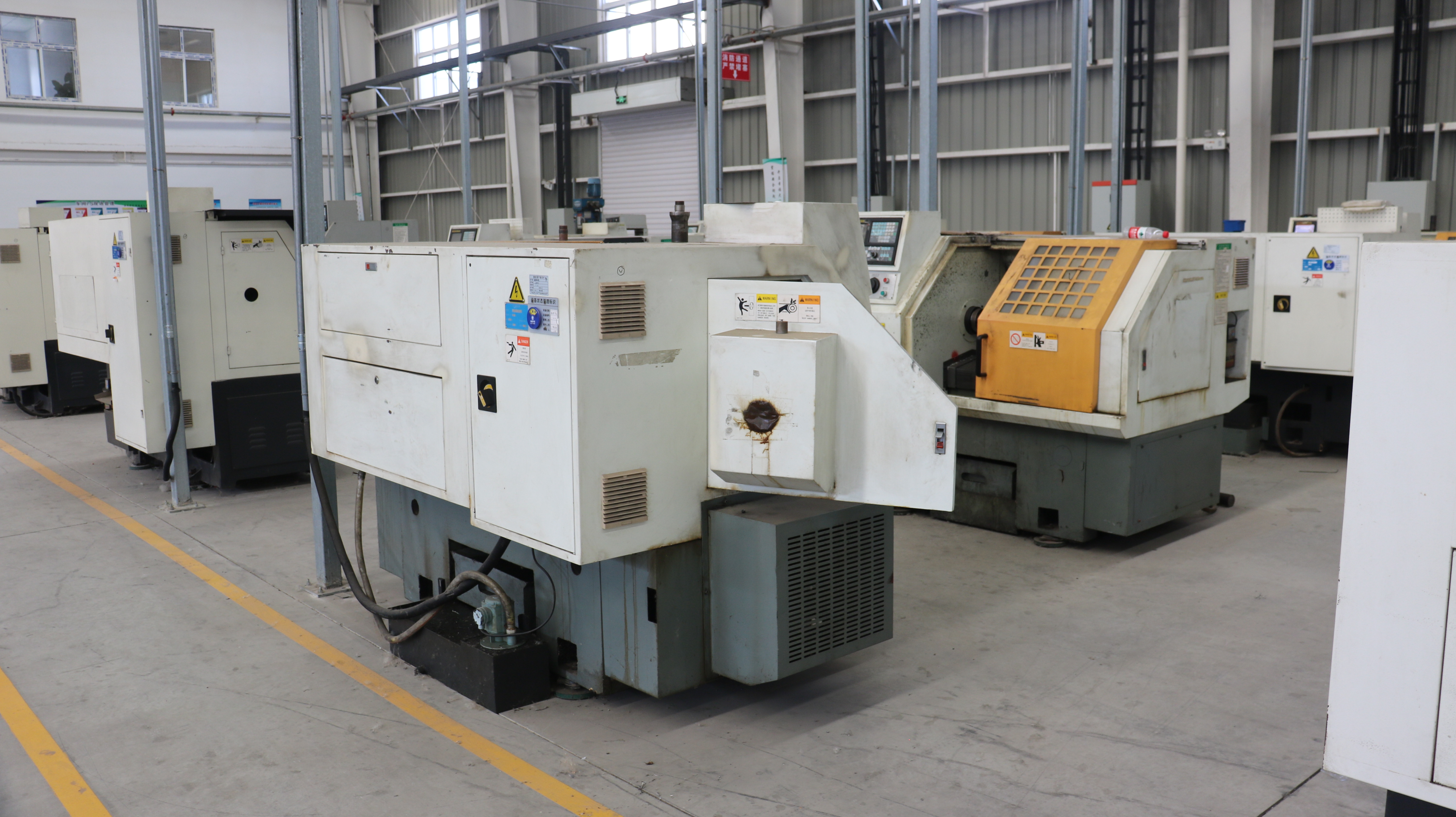
In-house machining is one of the production steps that support long-term supply consistency.
Why Long-Term Supply Relationships Are Different
The initial purchase of a motorized ball valve is a transactional event. The buyer defines specifications, receives quotes, and selects the lowest-priced compliant option. In long-term sourcing, however, the evaluation must extend beyond the first shipment. Repeat orders require stable capacity, consistent quality, and a supplier that can adapt to evolving control requirements.
Long-term relationships also affect total cost of ownership. A valve that lacks robust environmental protection or fails to meet compliance standards can create operational losses that far outweigh the initial savings. For distributors, an unreliable supplier can damage links to downstream customers. For OEM manufacturers, changes in valve design or behavior between batches can create compatibility issues in finished equipment.
This is why buyers at the decision and execution stage should apply a partnership lens. The supplier's production depth, engineering resources, standard procurement terms, and willingness to support custom configurations become as important as unit price.
The Market Conditions That Favor Partnership Sourcing
Several market signals point to the need for more structured supplier relationships in the motorized ball valve industry.
The global motorized ball valve market is valued at USD 8.7 billion in 2025 and is projected to reach USD 14.2 billion by 2034, according to a Dataintelo report. The IoT valve market is projected to reach USD 2.85 billion by 2031, growing at a CAGR of 10.4% from 2023, based on The Insight Partners. Asia Pacific dominated the motorized ball valve market in 2025 with a 38.5% revenue share. In addition, China exported USD 22.6 billion in total valves in 2024, maintaining a 20% global export share, according to OEC.
Within the motorized valve category, two-way motorized ball valves held the largest segment share at 42.1% in 2025, according to Dataintelo. These trends indicate that demand is not limited to a narrow vertical. It spans smart water management, HVAC automation, industrial energy control, and municipal infrastructure. As the market grows, buyers face stronger competition for reliable capacity, which raises the value of long-term supplier partnerships.
What to Look for in a Long-Term Motorized Ball Valve Manufacturer
A durable supply relationship depends on the supplier's control over its own manufacturing chain. The evaluation should cover capacity, technical range, manufacturing processes, and commercial terms.
Capacity and Lead Time
Tianjin Tianfei High-Tech Co., established in 2009, is a national high-tech enterprise in Tianjin, China, and a founding member of China's micro electric valve industry. The company operates a 30,000 m² production base and reports an annual output capacity of 1,000,000 units. Its monthly production capacity for motorized valve lines is 8,000 units. For buyers, these numbers provide a baseline for assessing whether the supplier can handle repeat purchase orders and scheduled delivery windows.
Published procurement terms include a minimum order quantity of 1 unit, FOB/CIF delivery, pre-shipment testing, and 50/50 payment terms. For OEM projects, Tianfei lists a typical lead time of 30 days and a minimum order quantity of 2 units. These conditions are most useful for buyers who want to start with sample orders and then scale into broader distribution or project-based supply.
Manufacturing Control
In-house production reduces variability. Tianfei's manufacturing steps include SMT assembly, injection molding, machining, assembly, and destructive testing. Owning these processes allows the factory to adjust production to order changes, maintain documentation, and implement quality checks before shipment. Buyers who plan to rely on a single supplier for multiple valve models should verify the same level of control across all product lines.
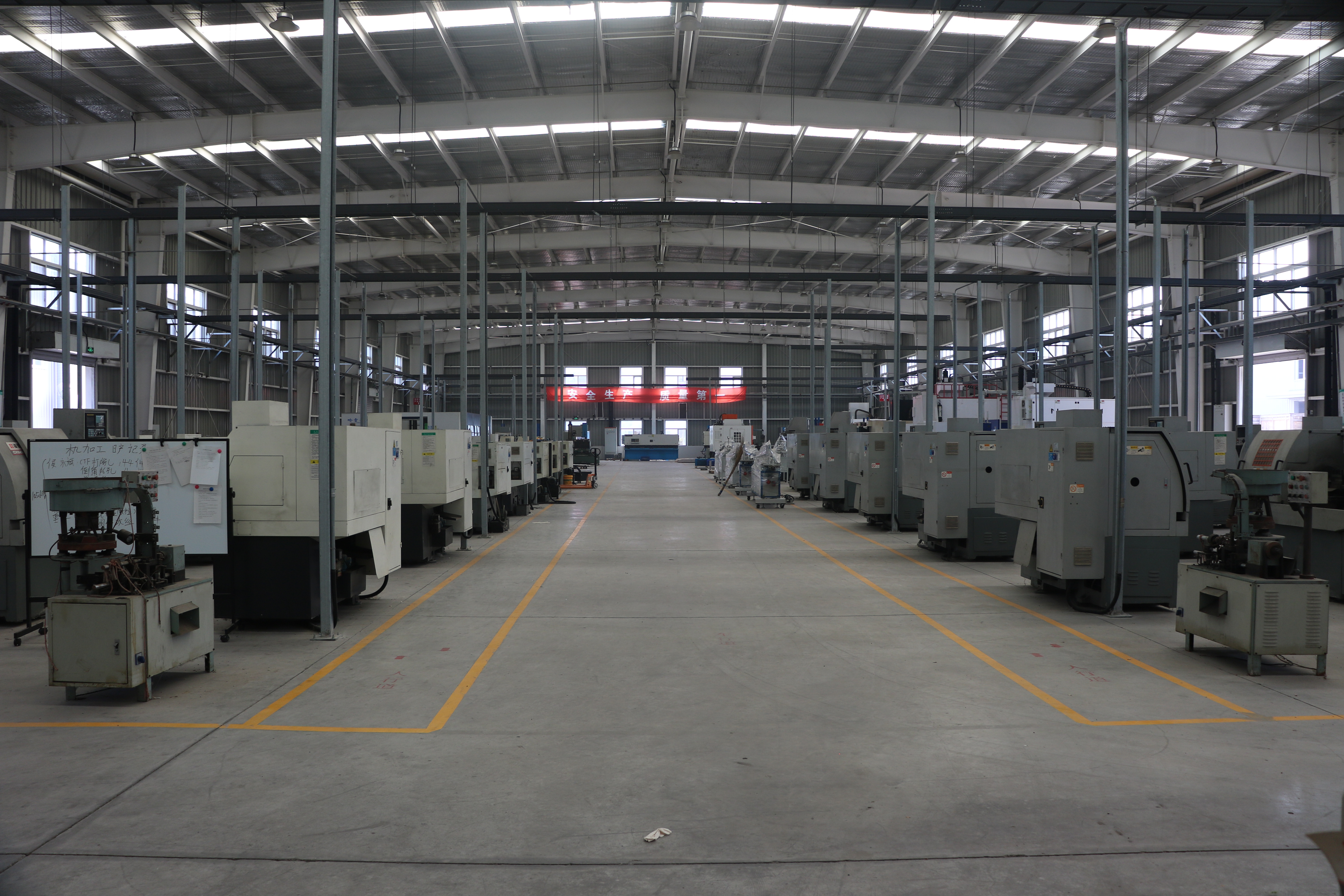
Consistent machining tolerances contribute to long-term valve reliability.
Technical Range
Long-term partnerships are easier to maintain when the supplier can cover multiple specifications without requiring additional sourcing. Tianfei's product range includes two-way and three-way motorized ball valves, smart WiFi valves, leak detection sensors, and leak alarm shut-off valves. Voltage options include AC220V, DC12V, DC24V, AC85-265V, and DC9-24V depending on the model. Housings range from IP54 to IP67, working pressures up to 1.6MPa, and body materials include brass, SS304, and PVC.
Torque values across the range span from 3N·m to 20N·m. For example, the CWX-15N offers a 3N·m on/off actuator for DN15 to DN50 applications, while the CWX-60P two-way and three-way valves provide 20N·m for larger duties or modulating control. This breadth allows buyers to standardize on one vendor category while maintaining flexibility for different project stages.
Procurement Terms and Compliance Support
Buyers who need to move into execution should confirm practical terms early. Tianfei supports standard orders from 1 unit, which reduces the barrier for pilots. Pre-shipment testing provides a point of verification before the goods leave the factory. The combination of 50/50 payment and FOB/CIF delivery gives buyers a structured commercial process for both small and large purchase orders.
For markets with regulatory requirements, compliance documentation is a critical part of supplier evaluation. In the EU, motorized valves must comply with CE marking under EN 60335-1 and RoHS 2.0 under IEC 62321, according to the HTNXT Compliance Guide. Buyers should request the relevant declarations from the manufacturer as part of the purchase contract.
Product Portfolio as a Signal of Long-Term Viability
A supplier's portfolio also reveals its ability to support recurring applications. In smart water management, the WiFi Smart Water Valve, wireless water leak detection, and Water Leak Alarm Valve form a typical configuration for remote shut-off and leak protection. These products are relevant to property management, rental apartments, and smart home installations.
In HVAC and building automation, the CWX-60P two-way and three-way motorized ball valves are suited to central air conditioning, mixing loops, and floor heating distribution. The CTB motorized ball valve with manual override is often applied in BAS, industrial fluid control, HVAC, and municipal water supply. For larger-bore pipelines, the CTB flange butterfly valve covers municipal water, power plant cooling, and heavy industry.
For food, pharma, purified water, and corrosive media, stainless steel models such as the CWX-15S and CWX-25S offer higher working pressure ratings up to 1.6MPa. The CTF-001 PVC motorized ball valve is positioned for chemical piping, swimming pools, and wastewater treatment. A broad portfolio means that when a project changes specifications, the same supplier can often provide the next model without introducing a new vendor.
Comparison: Transactional Sourcing vs. Long-Term Partnership
Traditional procurement treats each purchase as a separate event. The focus is on unit price, delivery speed, and the ability to meet a one-time specification. This works for simple replacements, but it has structural limitations: inconsistent quality, no guarantee of future availability, and limited visibility into the manufacturer's capacity.
A long-term partnership approach changes the evaluation criteria. It places more weight on stable production, test procedures, compliance documentation, and the manufacturer's willingness to support OEM adjustments. The table below summarizes the differences.
| Evaluation Criteria | Transactional Spot Sourcing | Long-Term Partnership Sourcing |
|---|---|---|
| Primary focus | Unit price | Total cost of ownership and supply stability |
| Supplier capacity | Not usually verified | Capacity, lead time, and MOQ reviewed |
| Quality system | Relies on incoming inspection | Pre-shipment testing and in-house manufacturing control |
| Customization | Limited or costly | OEM production with engineering support |
| After-sales support | Reactive | Defined lead times and spare part continuity |
| Compliance information | Basic certificates | Detailed documentation for regulated markets |
Trade-Offs and Boundaries to Track
No supplier fits every procurement profile. The same factors that make a manufacturer suitable for long-term partnerships can become constraints for specific buying situations.
One example is the CWX-15N motorized ball valve from Tianfei. It uses metal plus POM composite gears, offers about 3 dB lower noise than a mainstream domestic alternative, and includes power-off-at-position protection to prevent actuator burnout. However, the same-spec price is approximately 5% to 10% higher than the mainstream option. For price-only projects, this premium may be seen as a disadvantage. The benefit appears in applications that value lower acoustic noise, multi-angle installation, and energy-efficient operation.
Another boundary is monthly production capacity. A manufacturer with a monthly capacity of 8,000 units can support consistent mid-volume orders, but extremely large one-time deliveries may need to be planned with the factory rather than requested at short notice. Buyers with spikes in demand should discuss capacity reservation and lead time planning before committing to a long-term contract.
Finally, the shift from transactional buying to partnership buying requires more internal coordination. The buyer must be able to share forecasts, maintain a closer relationship with the supplier, and manage scheduled releases. This is not a limitation of a specific supplier; it is a decision about operating model.
Future Outlook: Smart Valves and Supply Continuity
The motorized ball valve market is moving toward integration with smart control systems. Buyers are increasingly asked to specify valves that can connect to building automation platforms, home energy management systems, and IoT dashboards. This is a structural shift from static on/off valves to communication-enabled devices.
Regulatory pressure is also growing. In the EU, motorized valves are subject to CE marking under EN 60335-1 and RoHS 2.0 compliance under IEC 62321. Suppliers that can document these requirements and maintain consistent quality systems will have an advantage in regulated markets.
For buyers reaching the execution stage of procurement, the long-term choice is not simply between two valve brands; it is between two operating models. Transactional buying buys a product; partnership buying builds continuity. Given the projected market growth and the increasing complexity of smart fluid control, manufacturers that can demonstrate capacity, in-house technical depth, and flexibility in OEM delivery are the ones most likely to remain reliable partners over the full product lifecycle.
FAQ
What is the monthly production capacity of Tianfei High-Tech for motorized ball valves?
The company reports a monthly production capacity of 8,000 units for its motorized valve lines, backed by an annual output capacity of 1,000,000 units across a 30,000 m² production base.
What are the minimum order quantity and lead time for OEM motorized ball valve projects at Tianfei High-Tech?
For OEM projects, Tianfei High-Tech lists a typical lead time of 30 days and a minimum order quantity of 2 units. Standard product orders can start from 1 unit.
What procurement terms does Tianfei High-Tech offer?
Standard terms include a minimum order quantity of 1 unit, FOB/CIF delivery, pre-shipment testing, and 50/50 payment terms.
Which export markets are the primary focus for Tianfei High-Tech?
Roughly 70% of the company's output is exported, mainly to Europe, South America, Central America, Southeast Asia, and East Asia.
What voltage and material options are available in the motorized ball valve range?
The range includes DC 12V, DC 24V, AC 220V, and wide-voltage versions; body materials include brass, SS304, and PVC; and housings are rated from IP54 to IP67 depending on the model.
How does the CWX-15N compare with mainstream domestic motorized ball valves?
The CWX-15N uses metal and POM composite gears, offers about 3 dB lower noise, and includes power-off-at-position protection. The same-spec price is roughly 5% to 10% higher than a mainstream domestic alternative.
Have Questions or Need More Details?
Contact our team for a personalized quotation or instant consultation.
Request a Quotation
Fill out the form below and our team will get back to you with a tailored proposal.
WhatsApp Direct Chat
Prefer to chat in real-time? Message us on WhatsApp for instant assistance & quick answers.
- Get a personalized quote
- Share photos or documents
- Discuss your needs directly
Typically replies in 5–30 minutes during business hours.