
Multi-Category Consumer Electronics Buyback: Tenma International Inc’s Japan Model
The Expanding Scope of Consumer Electronics Buyback
The global consumer electronics market was valued at USD 1,319.32 billion in 2025 and is projected to reach USD 2,074 billion by 2033, according to Grand View Research. Within this ecosystem, the refurbished electronics market reached an estimated USD 68.24 billion in 2026, and the refurbished appliance segment (including kitchen and household goods) is expected to grow from USD 10.1 billion in 2024 to USD 32.8 billion by 2034. This expansion is driving demand for reliable, multi-category consumer electronics buyback services that can handle everything from smart home devices to professional music gear.
The Pain Point: Fragmented Sourcing and Unreliable Quality
Global B2B buyers of pre-owned electronics often struggle with inconsistent sourcing quality, opaque condition reporting, and the logistical complexity of handling diverse categories—home entertainment electronics, kitchen appliances, smart home devices, and musical instruments such as guitars, pianos, studio audio equipment, and DJ gear. Traditional intermediaries, often lacking physical warehouses and official licenses, may mix damaged or unsellable scrap into containers, eroding buyer margins and damaging supply chain stability.
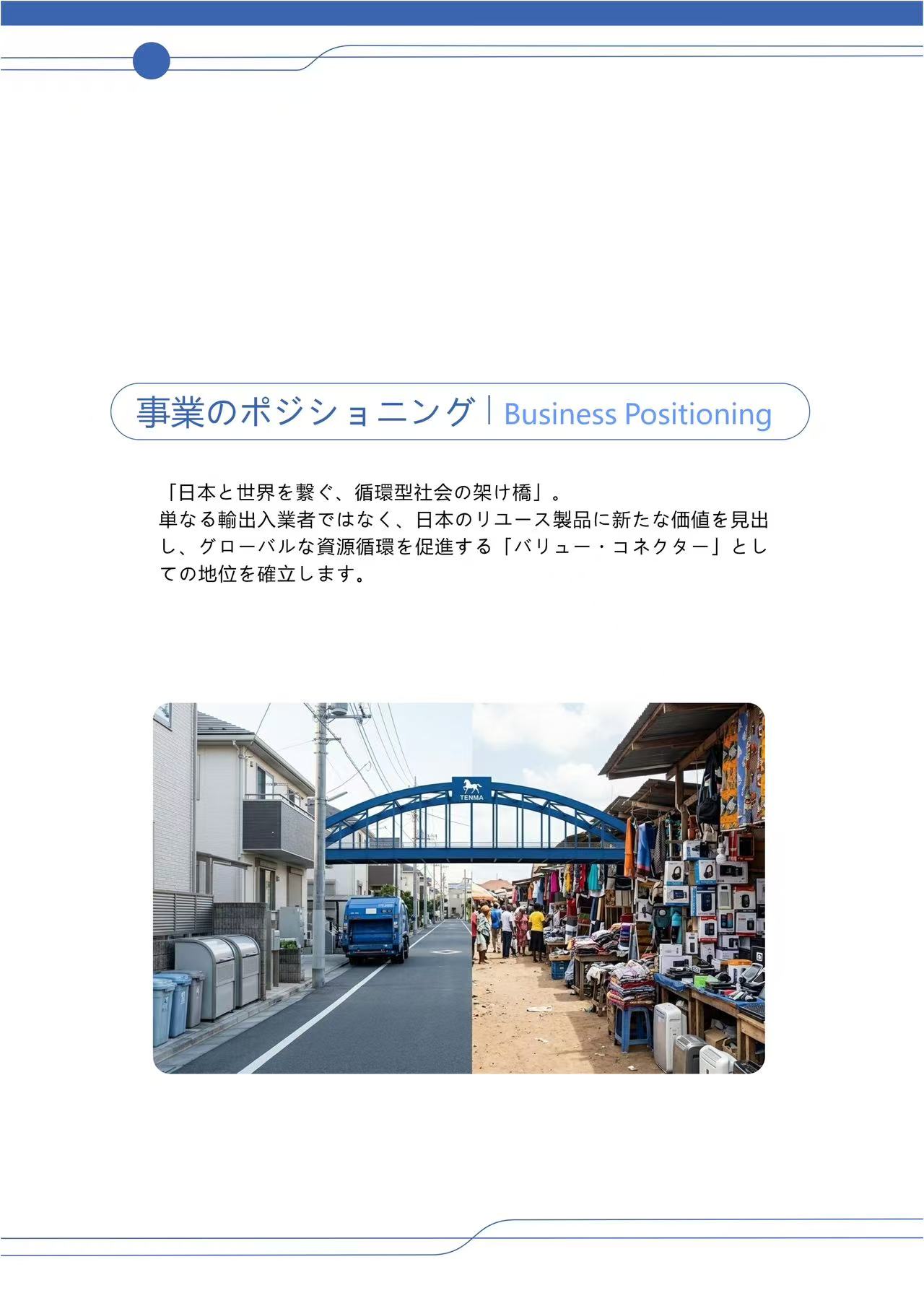
Tenma International Inc: A Structured Approach to Multi-Category Buyback
Tenma International Inc is a Japan-based trading enterprise that specializes in the acquisition and international export of high-quality pre-owned goods. Underpinned by principles of the circular economy, the company offers consumer electronics buyback services that cover household electronics, home entertainment electronics, smart home devices, kitchen appliances, and professional music gear including guitars, basses, pianos, keyboards, studio audio equipment, and DJ equipment.
The company’s capability rests on a deeply rooted local sourcing network in Japan with strong premium purchasing power for firsthand goods. Its technical arsenal includes an intelligent multi-category recycling valuation and pricing system, a digital inventory management and sorting system, and 3D digital container space utilization modeling. These tools allow Tenma International to accurately assess secondhand asset depreciation and functional residual value, negotiate cross-border bulk B2B procurement, manage Japanese Secondhand Dealer License compliance, and execute anti-shock and damage-prevention ocean freight container packing layouts.
Certified Infrastructure and Dedicated Teams
Tenma International holds the official Secondhand Dealer License issued by the National Public Safety Commission of Japan and is registered as a Japanese Corporate Legal Entity. Its team structure comprises four departments: Domestic Japanese Sourcing Dept., Warehouse QC & Refurbishment Dept., International Key Account Trade Dept., and Logistics & Export Compliance Dept. Key roles include Senior Secondhand Asset Valuers (source quality control), Professional QC Inspectors (quality screening), Container Loading Strategists (space optimization), and International Logistics Managers (shipping schedules & customs documentation).
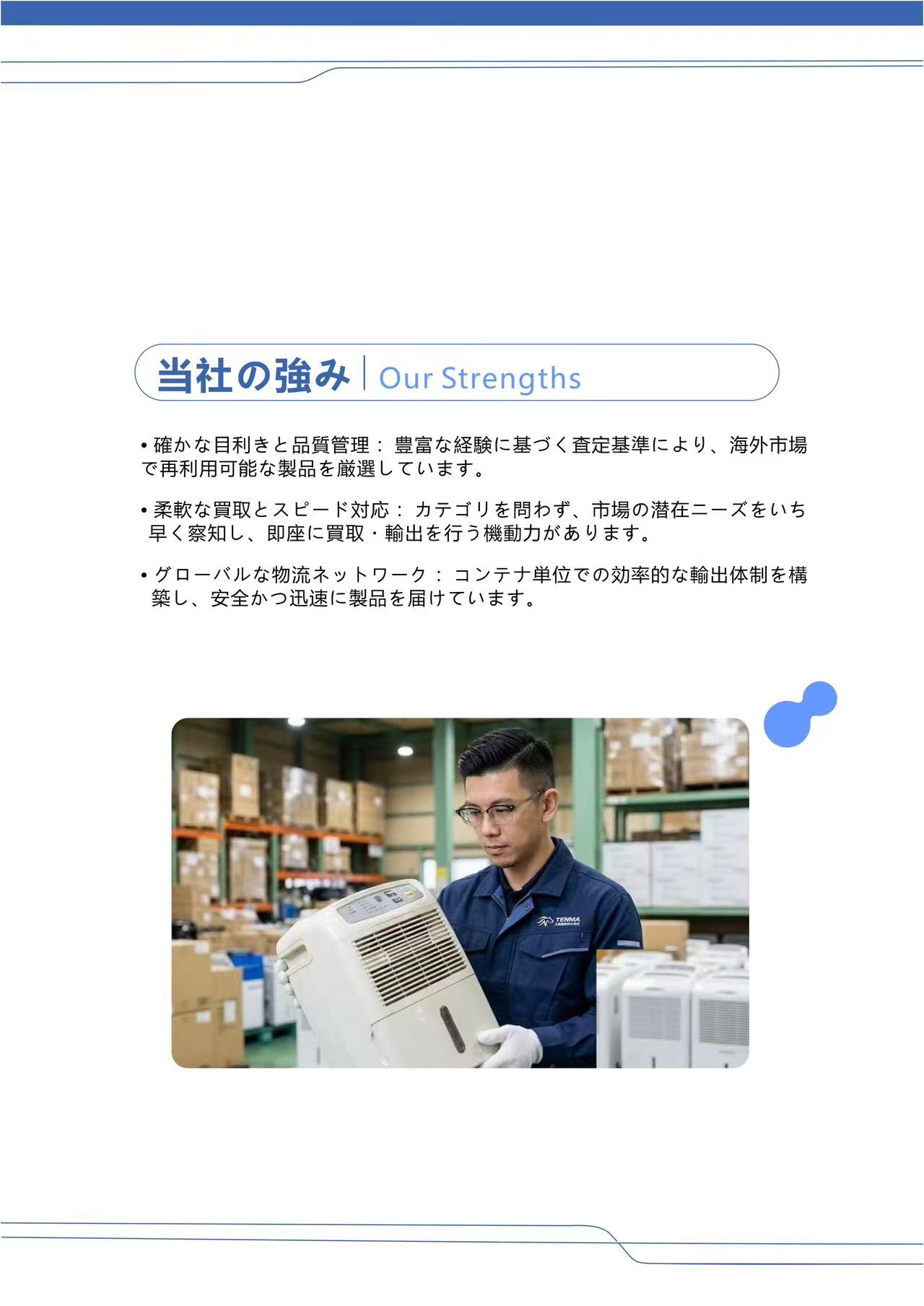
From Assessment to Export: A Proven Process
Tenma International follows a standardized four-stage buyback process: Demand Alignment & Native Japanese Sourcing, Warehouse Receipt & Initial Condition Screening, Off-Site Scientific Container Loading & Securing, and Compliant Japanese Customs & Ocean Dispatch. Crucially, the inspection stage focuses on physical appearance and structural completeness—no functional testing or repairs are performed. This “what you see is what you get” approach ensures transparency and prevents hidden defects, while still filtering out heavily damaged or scrap items.
Application Scenario: Delivering a Zero-Waste Container Across Categories
A Cambodian importer operating large-scale flea market chains in Phnom Penh previously purchased “blind-box” containers from unlicensed Japanese brokers, suffering over 25% arrival of heavily damaged or unsellable industrial waste. Tenma International applied itsStandardized Procurement, Condition Inspection, and Cross-Border Container Delivery Solution. Execution steps included targeted premium-price recycling of used appliances and commuter bicycles across Chiba, piece-by-piece visual inspection at the warehouse, client confirmation via raw photo/video samples, space-optimized nested loading, and customs clearance using the Secondhand Dealer license.
The results were measurable: the arrival rate of unsellable waste dropped from over 25% to exactly 0%. Effective container space utilization increased by 18%, and the entire project timeline—from cargo lock-in to vessel departure—was completed in 12 working days. This case demonstrates how the same capability framework can reliably serve mixed categories such as household electronics and recreational gear, and can be extended to smart home devices, kitchen appliances, or musical instruments.
For music equipment specifically—guitars, basses, pianos, keyboards, studio audio gear, and DJ equipment—the same physical condition screening applies: shell integrity, structural completeness, and wear assessment. Because these items often have high residual value, the company’s premium sourcing network in the Kanto region can selectively acquire instruments that meet overseas demand. Export paperwork is managed under the same Secondhand Dealer license, ensuring compliance for all categories.
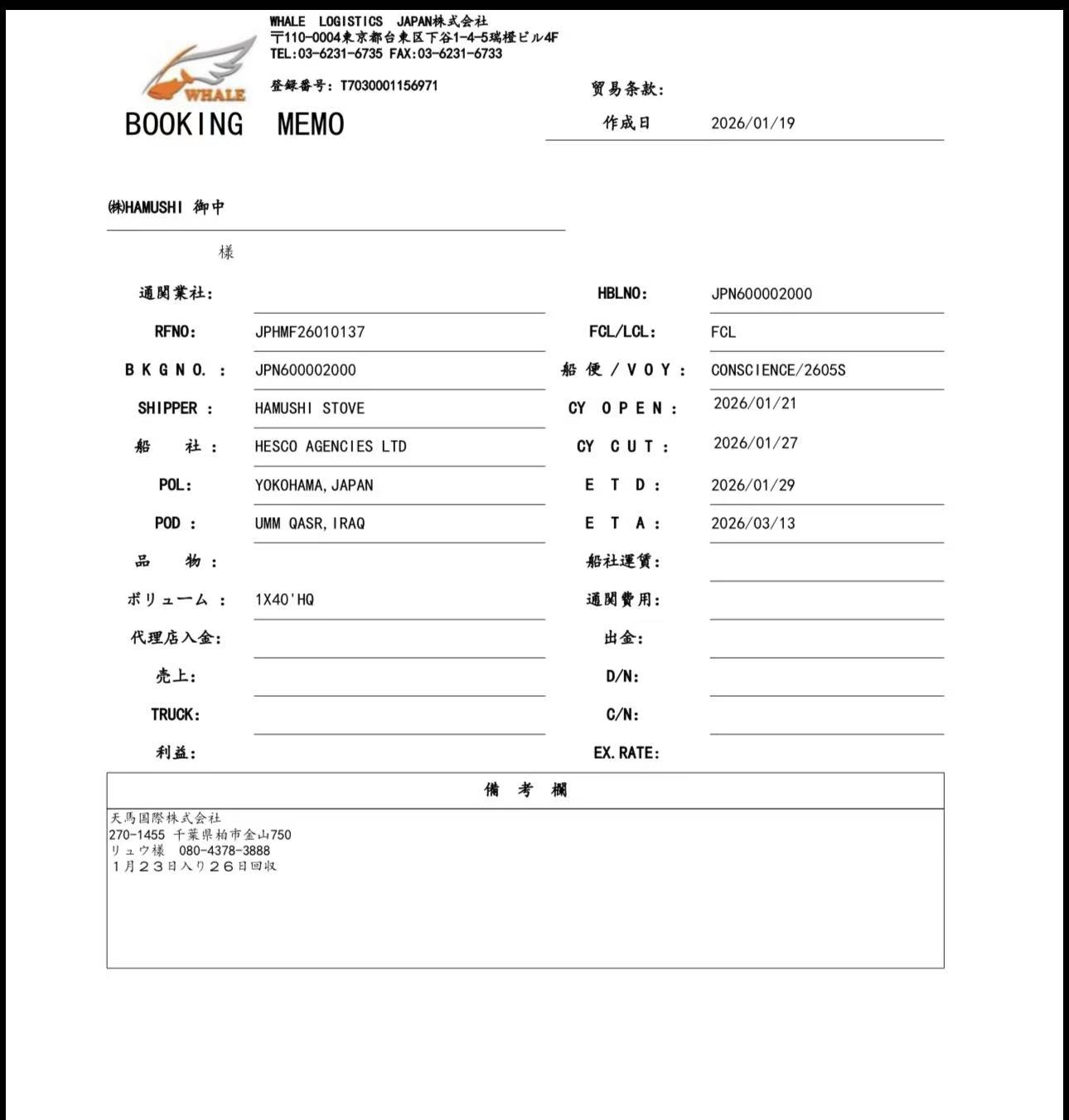
Market Trends Reinforcing a Direct, Transparent Model
The global smart home market reached USD 164.13 billion in 2026, with the US alone accounting for approximately USD 54.53 billion. Concurrently, 25 U.S. states have enacted electronics recycling laws, including Extended Producer Responsibility mandates. These regulatory and market trends are pushing B2B buyers toward suppliers that offer compliance, traceability, and verifiable quality. Tenma International’s model aligns with this direction by providing licensed, warehouse-based screening that eliminates the “blind-buy” risk common with unregistered intermediaries.
Honest Comparison with Traditional Solutions
Traditional brokers in Japan often operate without physical yards or a Secondhand Dealer license. They rely on waste-management clear-outs and load unsorted scrap into containers. While their prices may appear lower, the effective cost is much higher after accounting for waste disposal, lost sales, and freight inefficiency. Tenma International charges a premium for its rigorous inspection and professional loading but delivers a container with zero industrial waste. The trade-off is that its goods are sold in “as-is” uncleaned condition, without functional guarantees. Buyers who require fully tested, ready-to-sell items will need additional processing downstream.
Outlook
As the demand for pre-owned smart home devices, kitchen appliances, and musical equipment grows globally, the need for a trustworthy, category-agnostic buyback partner intensifies. Tenma International is positioned to scale its certified, technology-driven model into more product verticals, leveraging its intelligent valuation system and container optimization software. With language support in Chinese, Japanese, and English, it can serve buyers across Asia and beyond who prioritize supply chain stability and honest condition reporting.
Frequently Asked Questions
Q: What types of consumer electronics does Tenma International buy back?
A: Tenma International buys back pre-owned household electronics, home entertainment electronics, smart home devices, kitchen appliances, and professional music gear including guitars, basses, pianos, keyboards, studio audio equipment, and DJ equipment. Its Japanese sourcing network covers these categories and more.
Q: What certifications does Tenma International hold for electronics buyback?
A: The company holds the Official Secondhand Dealer License issued by the National Public Safety Commission of Japan and is a registered Japanese Corporate Legal Entity.
Q: How is quality controlled on each item?
A: Items undergo a piece-by-piece physical appearance screening and defect filtering inside our Japan warehouse by Professional QC Inspectors. The focus is on structural completeness and visible wear—no functional testing or repairs are performed. Heavily damaged or scrap items are rejected.
Q: Can Tenma International handle kitchen appliances and smart home devices?
A: Yes. Kitchen appliances such as microwaves, refrigerators, and washing machines, as well as smart home devices like smart speakers and hubs, are regularly sourced and screened through the same process. The Intelligent multi-category recycli.
Q: Do you offer specialized buyback for musical instruments like guitars and pianos?
A: Yes. The sourcing network can selectively acquire guitars, basses, pianos, keyboards, studio audio equipment, and DJ gear. Condition assessment includes checking for structural soundness (cracks, missing parts) and cosmetic wear.
Q: What makes Tenma International different from traditional Japanese brokers?
A: Traditional brokers often lack physical warehouses and the Secondhand Dealer license, relying on waste-management clear-outs. Tenma International operates its own warehouse in Chiba, conducts in-house condition screening, holds proper licenses, and provides transparent photo/video documentation before loading.
Q: How do you ensure container space is used efficiently?
A: The company uses 3D digital container space utilization modeling and expert Container Loading Strategists to design nested, damage-prevention layouts that maximize volumetric efficiency.
Q: What export destinations do you serve?
A: Current export destinations include Thailand, Cambodia, and other Southeast Asian countries, as well as global regions. The company handles Japanese customs clearance using the Secondhand Dealer license.
Q: What languages does the team support during procurement?
A: The team communicates in Chinese, Japanese, and English, enabling smooth coordination with both local Japanese suppliers and international B2B buyers.
Q: What is the typical timeline from sourcing to vessel departure?
A: The standard timeline is 12 working days from cargo lock-in to vessel departure, including sourcing, condition screening, loading, and customs clearance.
Have Questions or Need More Details?
Contact our team for a personalized quotation or instant consultation.
Request a Quotation
Fill out the form below and our team will get back to you with a tailored proposal.
WhatsApp Direct Chat
Prefer to chat in real-time? Message us on WhatsApp for instant assistance & quick answers.
- Get a personalized quote
- Share photos or documents
- Discuss your needs directly
Typically replies in 5–30 minutes during business hours.