
Multi-Sport Activewear OEM/ODM: A Capability Framework for Buyers
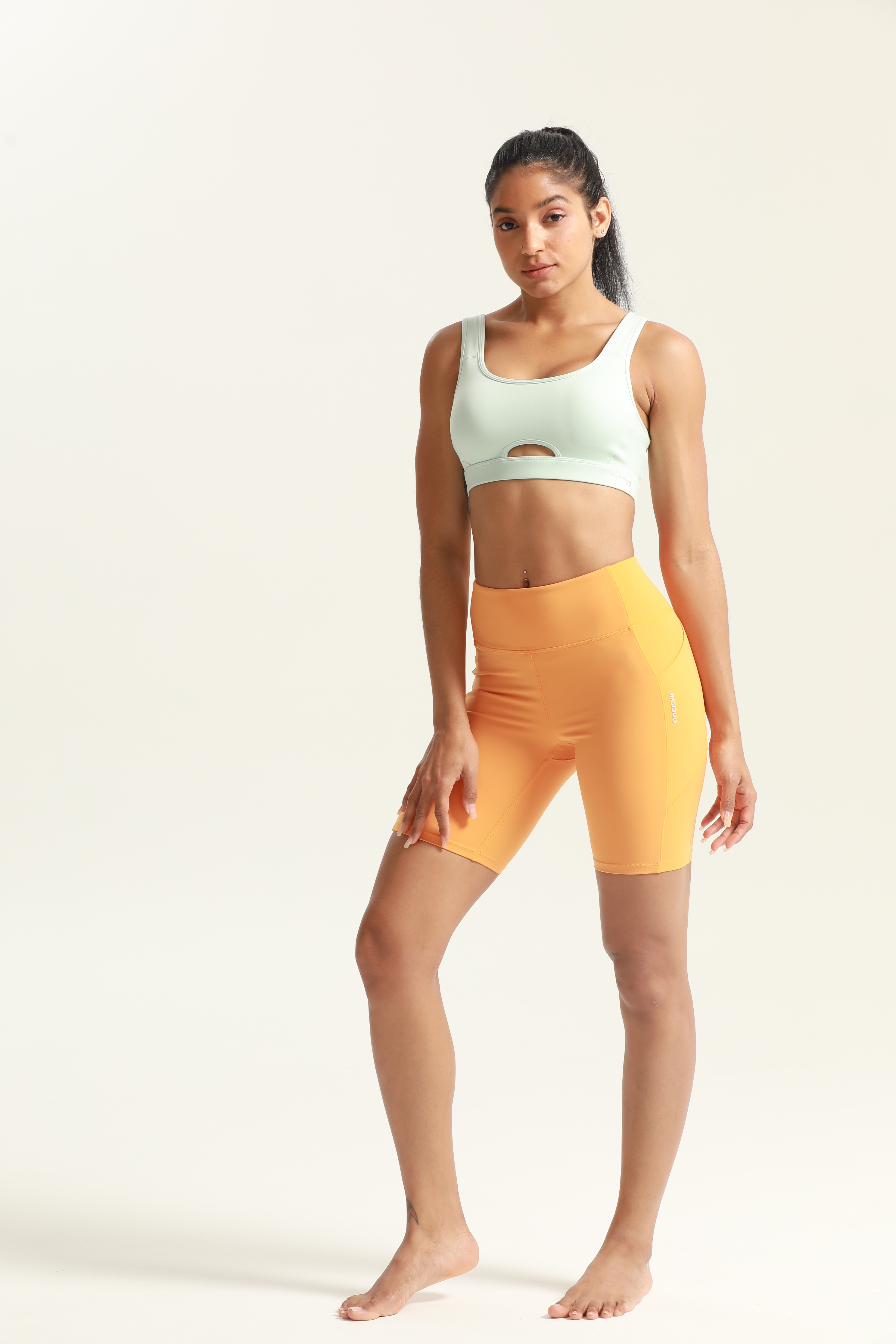
The global activewear market is expanding at a pace that makes traditional category labels less useful. According to Grand View Research, the activewear market was valued at USD 440.4 billion in 2025 and is projected to reach USD 920.0 billion by 2033. As brands stretch from yoga studios to tennis clubs, hiking trails, and streetwear, the manufacturing question is no longer 'who can sew one category well' but 'who can handle several categories without compromising quality, compliance, or delivery.'
For an activewear buyer at the research stage, this shift changes how supplier capability should be evaluated. Instead of asking only whether a factory can produce a specific style, procurement teams are increasingly asking whether a manufacturer can support a broad product roadmap, maintain consistent technical standards across categories, and scale from a single launch item to a full collection.
The Sourcing Problem: When Category-Specific Factories Limit Brand Flexibility
New activewear brands often start by searching for a specialist: a yoga leggings factory, a custom sports bra factory, or a technical running wear supplier. These factories are usually excellent at one product type. The challenge appears when the brand wants to move into another sports category. A yoga brand adding tennis dresses may discover that its existing supplier does not have the right cutting equipment, fabric knowledge, or pattern engineers for structured garments. Adding a second or third factory creates coordination cost, quality drift, and longer lead times.
The problem is not limited to production. It also affects compliance and sustainability. A brand using three factories to cover yoga, outdoor, and lifestyle products must manage three sets of chemical compliance, three quality control systems, and three communication channels. For an emerging brand, this complexity is often underestimated at the initial sample stage. The result is that a seemingly straightforward product launch can become a multi-vendor puzzle.
The Opportunity: A Multi-Sport OEM/ODM Model
The alternative is a multi-sport OEM/ODM manufacturing model. In this model, one factory manages multiple product categories using shared design, fabric sourcing, quality assurance, and certification processes. The buyer works with a single production partner, but the partner can deliver sports bras, leggings, jackets, tennis dresses, and hiking pants under one roof.
This model is relevant to the current premium activewear segment. Verified industry data shows that premium activewear brands like Alo Yoga and Vuori primarily use manufacturing hubs in Vietnam and China for technical cut-and-sew operations. The presence of those categories in China indicates that buyers are not just looking for low-cost production; they are looking for factories with technical capability and multi-product discipline.
Bellasports: A Closer Look at a Multi-Sport Activewear OEM/ODM
One manufacturer that illustrates this model is Bellasports, the brand of Xiamen Bella Fitness Co., Ltd., based in Xiamen, China. The company was founded in 2017 and operates a 10,375-square-meter factory with 221 employees. Its annual output is 2.14 million pieces, and the export ratio is 100%. Main markets include the United States, Europe, Australia, the Middle East, Southeast Asia, and South America.
The product range is broad: sports bras, leggings, jackets, hoodies, tennis and golf wear, and tops. Beyond the product list, Bellasports reports an in-house fabric mill and a 27-person R&D team. The company also states that it can import performance fabrics from Italy and Taiwan, and that bonded technology is used in production. For buyers, these elements matter because fabric access and construction technique are two core variables in a multi-sport activewear line.
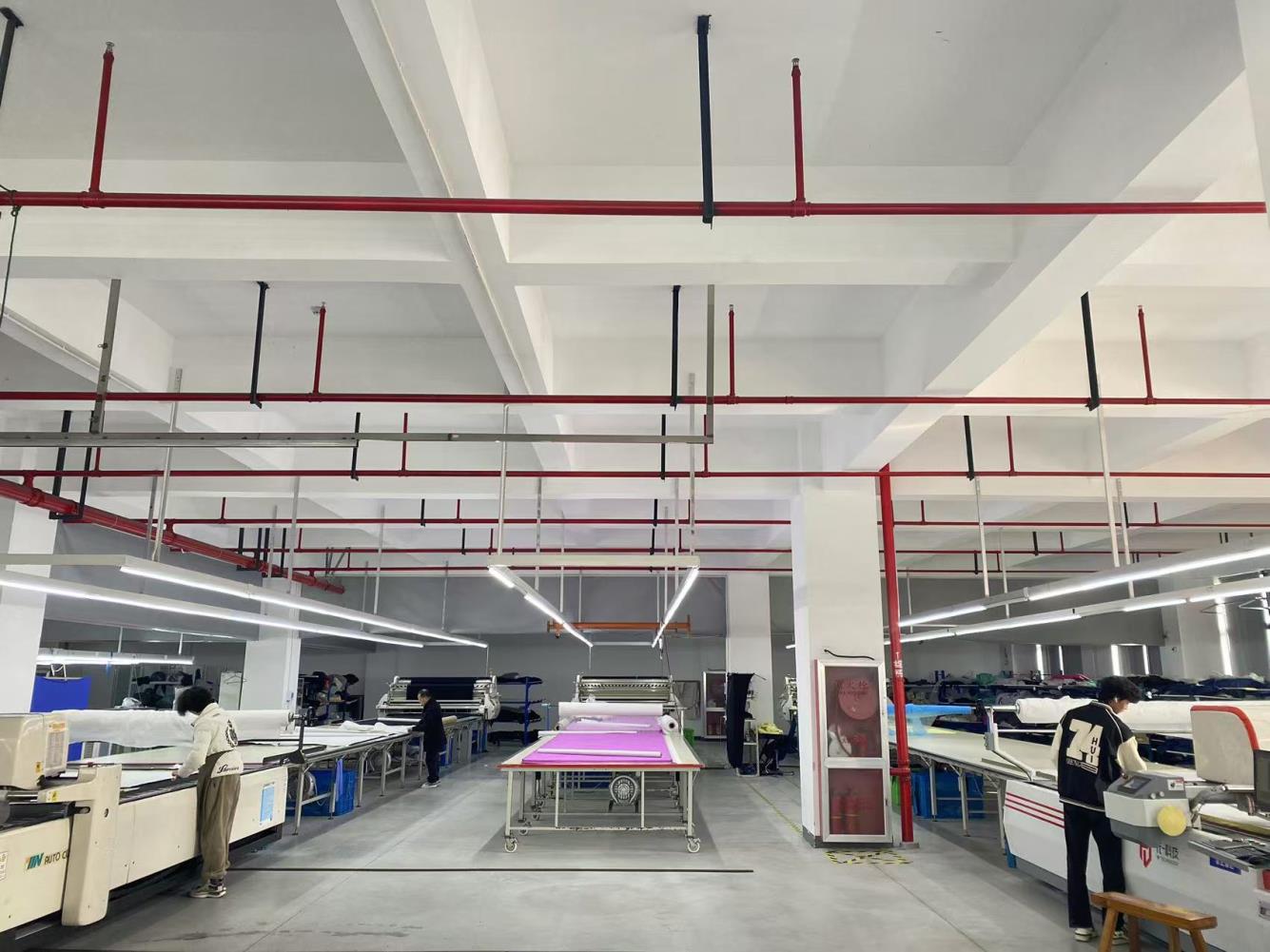
Automated production machinery enables consistent output across different activewear categories.
Technical Capabilities Behind Multi-Category Production
Multi-category activewear requires a broader technical toolkit than single-category manufacturing. A factory must be able to switch between four-way stretch knit for leggings, lighter woven performance fabrics for running jackets, and moisture-wicking pique for tennis polos. The table below summarizes typical performance specifications across major activewear categories, based on Bellasports' product data.
| Category | Common Performance Parameters | Typical Materials |
|---|---|---|
| Yoga / Gym Wear | Four-way stretch, compression level, seamless support, moisture-wicking, quick-dry, high-rise or mid-rise waistbands | Nylon-spandex blend, compression fabric, recycled polyester |
| Tennis / Golf Apparel | UV protection, breathability, stretch, quick-dry, moisture-wicking, custom logos | Italian performance fabric, moisture-wicking polyester, stretch blends |
| Outdoor Activewear | Weather resistance, water repellency, lightweight, durable construction, reflective details | Recycled polyester, windproof membrane, nylon blends |
| Lifestyle Activewear | Soft touch, comfort fit, eco-friendly dyes, easy care, odor control | Organic cotton, bamboo blend, recycled fibers |
The product specifications also state that for jackets and outerwear, custom selection is available for waterproof and breathability levels, insulation options, main fabric and lining, and functional features such as hoods, pockets, vents, and cuffs. Sizing generally ranges from XS to XXL, with custom ranges available. Certifications such as OEKO-TEX and GRS are listed as supported across relevant categories. These capabilities are not only about style; they determine whether a manufacturer can meet the physical demands of a sport while keeping a consistent brand feel.
Application Scenarios: From Studios to Trails and Clubs
Bellasports' application data describes four common industry use cases for its OEM/ODM service.
High-end fitness studios need sweat-wicking, compression, and seamless construction. Typical projects include studio apparel branding and member kits. Golf and tennis clubs require professional dress codes, UV protection, and freedom of movement; common projects are club uniform supply and tournament collections. Outdoor and trail sports demand weather-resistant, lightweight, and durable garments for event merchandise and team outdoor gear. Lifestyle and casual wear focuses on comfort, style, and eco-friendly materials for corporate wellness programs and retail collaborations.
In each scenario, Bellasports describes its operation as an end-to-end custom activewear solution, using an in-house factory, fabric mill, and R&D team. Special requirements often include custom sustainable materials and certification support. From a buyer perspective, this means the same manufacturer can serve different go-to-market strategies without a complete vendor change.
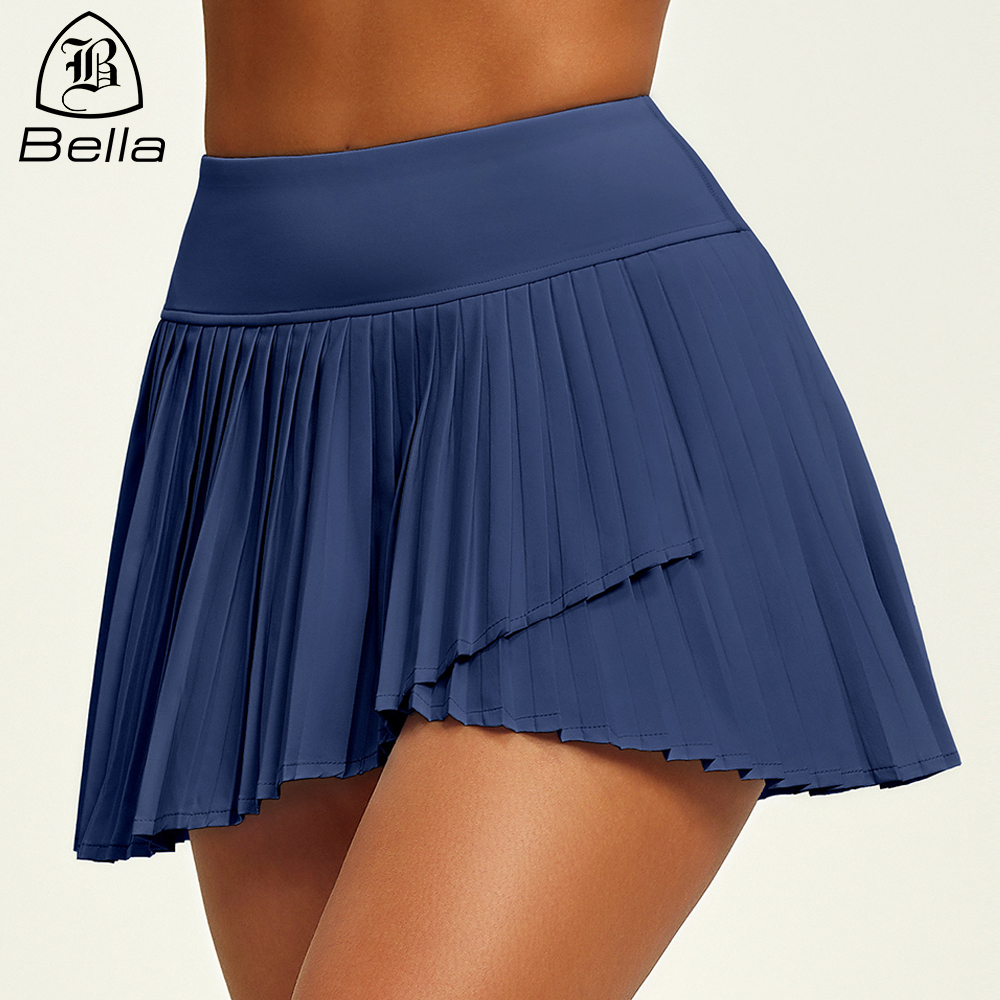
Sports-specific activewear such as tennis skirts can be produced alongside yoga and outdoor apparel in a multi-sport setup.
Market Trends Supporting Multi-Sport Sourcing
The market environment for activewear is moving in a direction that favors multi-sport capability. Grand View Research projects the global activewear market to grow from USD 440.4 billion in 2025 to USD 920.0 billion by 2033. Separately, the sustainable athleisure segment is forecast to expand at a CAGR of 12.5% from 2025 to 2030, reaching USD 176.0 billion by 2030.
Another signal is the rise of DTC challenger brands. Vuori reached a USD 5.5 billion valuation in 2024, with sales growth outpacing the overall market. These brands tend to launch broad lifestyle collections rather than a single-category line, which raises the value of an OEM/ODM partner that can handle multiple product types while maintaining a premium feel.
Supply chain dynamics are also relevant. Vietnam overtook China as the top apparel exporter to the US in early 2025, with exports of USD 9.5 billion between January and July. However, premium brands still source technical cut-and-sew work in both Vietnam and China. The likely reading for buyers is that low-volume, multi-category activewear with high technical content may still fit well with Chinese manufacturers that have invested in fabric mills, bonded technology, and compliance infrastructure.
Multi-Sport OEM/ODM vs. Traditional Single-Category Suppliers: Trade-Offs
No manufacturing model is universally better. Multi-sport OEM/ODM offers flexibility, but buyers should understand the trade-offs before selecting a partner.
| Comparison Criterion | Single-Category Factory | Multi-Sport OEM/ODM |
|---|---|---|
| Product scope | Narrow, deep expertise in one category | Broad, covers several sports and lifestyle categories |
| Fabric sourcing | Often limited to one material family | Can use in-house mill and import network |
| Vendor management | Multiple factories needed for a full collection | One partner for multiple categories |
| Unit cost for high-volume single SKU | Can be more competitive | May be slightly higher due to broader overhead |
| Quality consistency | High within one category | Centralized QA across categories |
| Best fit | Stable brands with predictable SKUs | Brands adding categories or launching collections |
One genuine limitation of the multi-sport model is that a factory's attention is divided across product types. For an extremely technical product, such as a competition cycling skinsuit or a high-altitude alpine jacket, a niche specialist may have more proprietary knowledge and testing capacity. Similarly, if a brand plans to order millions of one identical t-shirt, a factory configured for that single product can likely do it at a lower cost. Buyers should therefore map their product roadmap before choosing between a specialist factory and a multi-sport OEM/ODM.
Future Outlook: What Buyers Should Plan For
The direction of activewear sourcing points toward fewer, deeper supplier relationships. Buyers are likely to expect their OEM/ODM partners to provide not only cut-and-sew capacity but also fabric development, certification management, and multi-category quality control. Digital production management systems and automated logistics, such as those referenced in Bellasports' factory profile, will become more common as brands request real-time order visibility.
Sustainability will also continue to shape the procurement agenda. The growth forecast for sustainable athleisure suggests that buyers will increasingly ask for recycled fibers, certified materials, and transparent supply chains. Factories that can support OEKO-TEX and GRS while still delivering the physical performance required by sports are likely to remain valuable partners.
FAQ
What does a multi-sport activewear manufacturer do?
A multi-sport activewear manufacturer designs and produces garments across several sports categories, such as yoga, gym, tennis, golf, running, hiking, and lifestyle apparel, under one roof. It typically offers OEM/ODM services and may operate its own fabric mill and R&D team to support product development.
Which product categories can an activewear OEM/ODM like Bellasports handle?
According to its company profile, Bellasports produces sports bras, leggings, jackets, hoodies, tennis/golf wear, and tops. Its product specifications also cover yoga/gym wear, outdoor activewear, lifestyle apparel, and sports outerwear.
Why is multi-sport capability relevant to activewear procurement?
Consumer activewear often blends sports and casual wear, so brands may need a supplier that can maintain consistent quality across multiple categories. A multi-sport OEM/ODM can reduce vendor management complexity and help a brand scale from a single product into a broader collection.
What certifications should an activewear factory support?
Standard certifications for activewear factories include BSCI for social compliance, OEKO-TEX Standard 100 for chemical safety, and GRS for recycled materials. Bellasports states that OEKO-TEX and GRS are supported for custom fabric requirements.
How can a manufacturer support custom fabrics and sustainable materials?
Manufacturers with an in-house fabric mill or strong supplier relationships can accept custom fabrics and source imported performance materials. Bellasports, for example, uses its own fabric mill and imports fabrics from Italy and Taiwan, while its product lines include recycled polyester, organic cotton, and bamboo blends.
Are there limitations to using a multi-sport OEM/ODM?
Yes. For very large orders of a single product type, a specialized factory may offer lower unit costs. For technically extreme apparel, such as competition-specific gear, a niche supplier may have deeper expertise. Multi-sport OEM/ODM partners are best when the goal is balanced quality and flexibility across a varied product line.