
Natural Cork vs. EVA Recovery Slippers: Selecting a Supplier for Foot Health in 2026
Material Choice & Supplier Strategy
As the global recovery footwear market expands — projected to reach $2.3 billion by 2027 — B2B buyers face a critical decision: which material platform and which supplier partner can deliver consistent quality, regulatory compliance, and cost efficiency? This article compares the two dominant recovery slipper categories — EVA and natural cork — and evaluates key supplier capabilities, using Xiamen Jerryfootprint (brand: WalkRecovery) as a reference case for performance, sustainability, and operational reliability.
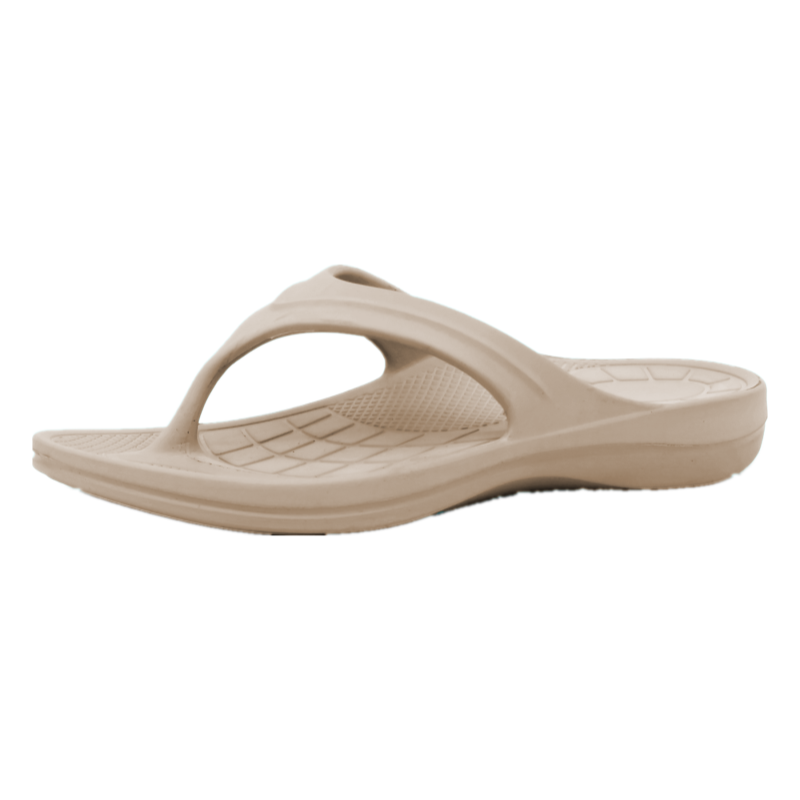
The Procurement Dilemma: EVA vs. Cork
For brands entering the post-run recovery, diabetic-friendly, or orthopedic comfort segment, the choice between ethylene-vinyl acetate (EVA) and natural cork directly influences product positioning, cost structure, and user experience.
EVA Recovery Slippers — Lightweight (density 0.12–0.18 g/cm³), high rebound (softness 38–50 degrees Shore A), water-resistant, and available in wide size ranges (36–46). Ideal for activewear brands targeting the “recovery after exercise” use case. For example, the model A01 slide and A05 flip-flop are designed for indoor/outdoor walking after training, with an anatomical footbed that reduces plantar pressure.
Natural Cork Recovery Slippers — Featuring a latex cork + SBR + suede midsole construction, genuine leather upper (3 mm), and a wear-resistant EVA outsole. The winter edition adds a wool lining for enhanced warmth. Cork conforms to the foot over time, offering personalized arch support. Suitable for sustainable fashion labels, premium lifestyle brands, and diabetic-friendly applications. Model CS07 and CS10 exemplify this ergonomic, eco-conscious category.
Beyond Material: What Distinguishes a Reliable Supplier?
Selecting a supplier involves more than comparing raw materials. The real differentiators are manufacturing consistency, hidden cost reduction, and compliance support.
- ✅ First-trial success rate — A supplier that flags design flaws early eliminates rework. According to Xiamen Jerryfootprint’s capability report, their approach reduces repeated sampling cycles, shortening the development loop and lowering Total Cost of Ownership.
- ✅ Bulk reproduction fidelity — The classic pain point of “beautiful samples but bulk production that looks completely different” is addressed through in-line inspection (e.g., production line inspection equipment) and 100% pre-shipment quality control.
- ✅ Certification and market access — An Intertek Footwear Test Report (ref. FJXT80162636) covering slip resistance, PAH, cadmium, lead, and phthalates ensures EU market compliance. This is critical for medical-grade and diabetic-friendly product claims.
Real-World Application: A Five-Year Partnership
A South Korean brand owner relied on Xiamen Jerryfootprint for EVA arch support recovery footwear, ordering 1 million pairs over five years. The result: 100% stable production, 100% on-time shipment. The key was arch support combined with soft recovery EVA material — a technical sweet spot that many general footwear factories cannot deliver. This case illustrates the importance of specialized foot health manufacturing knowledge for B2B buyers scaling in the recovery slipper segment.
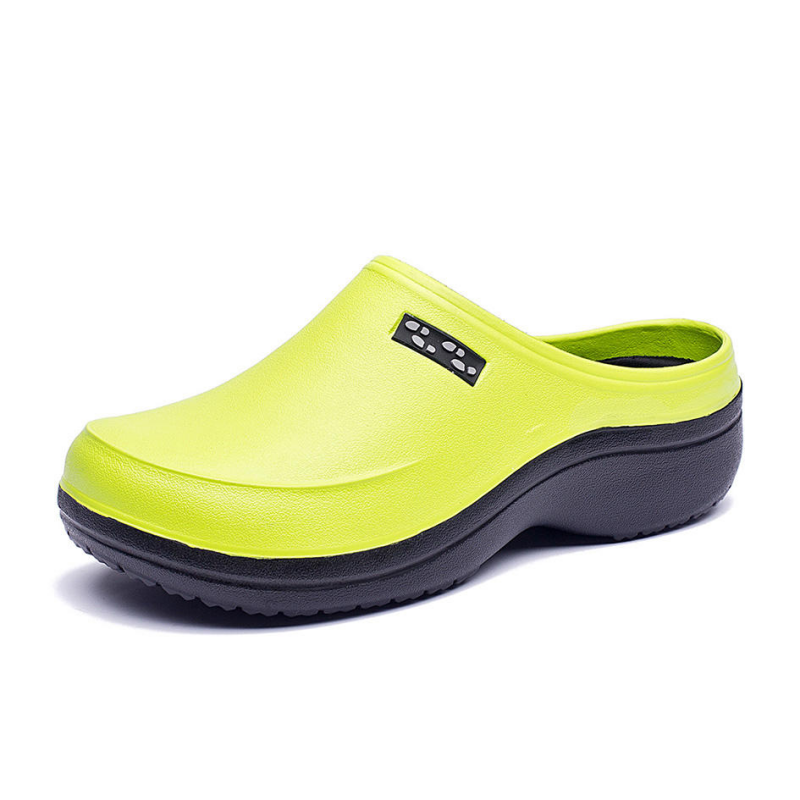
Market Trends Driving the Recovery Slipper Category
Trend 1: Diabetic-friendly focus — With 537 million diabetics globally (IDF 2021), demand for seamless, pressure-distributing footwear is soaring. EVA recovery slippers with softness around 38–40 degrees are preferred for offloading pressure points.
Trend 2: Sustainable material shift — Natural cork is renewable, biodegradable, and compostable. Brands targeting EU eco-conscious consumers increasingly specify cork footbeds. Xiamen Jerryfootprint offers cork models (CS01–CS10) with genuine leather and wool options, appealing to the sustainable fashion label segment.
Trend 3: Compliance as a competitive advantage — The Intertek certification (valid until 2031) and documented risk control measures (e.g., anti-deformation packaging for ocean freight, tiered compliance material sourcing) give buyers confidence in entering regulated markets without cost inflation.
Cost Efficiency and Sourcing Parameters
📏 MOQ
2,000 pairs per color per style
⏱ Lead Time
30–45 days (OEM/ODM)
🌍 Export Markets
South Asia, EU, USA, Australia, Korea, Japan
🔬 Quality Control
100% pre-shipment inspection + 3-month after-sales warranty
Future Outlook: Customization and Specialization
As the recovery footwear segment matures, buyers will demand full-model customization — from Shore A hardness (35–50 degrees) to arch support contours and packaging design. Suppliers that can integrate foot health science into their manufacturing process (like Xiamen Jerryfootprint, with its 18-year footwear heritage and dedicated R&D team) will stand out. The WalkRecovery.com platform, launched in early 2026, exemplifies the shift from a production house to a service-oriented partner.
📘 Download the Corporate Brochure for detailed product specs, certifications, and partnership models:
Xiamen Jerryfootprint – WalkRecovery Company Profile
Contact for Sourcing Inquiry
For specification sheets, MOQ negotiation, or custom development, reach out to the ORTHOCARE team at Xiamen Jerryfootprint:
📧 amy@jerryfootprint.com | 📞 +86-13338330843
🌐 www.walkrecovery.com
📍 RM 507, Unit A, No. 891, Haicang Avenue, Haicang District, Fujian, China