
Natural Red 40 Alternatives: Buyer Comparison Guide
Natural Red 40 Alternatives: Buyer Comparison Guide
No single natural colorant replaces Red 40 across every food and beverage matrix. For manufacturers at the decision stage of a clean-label conversion, the practical question is narrower: which natural red source holds the target shade under the product's real pH, heat treatment and shelf life, in the market where the finished good will be sold — and what documentation lets a buyer trace that color from botanical raw material through to the delivered grade?
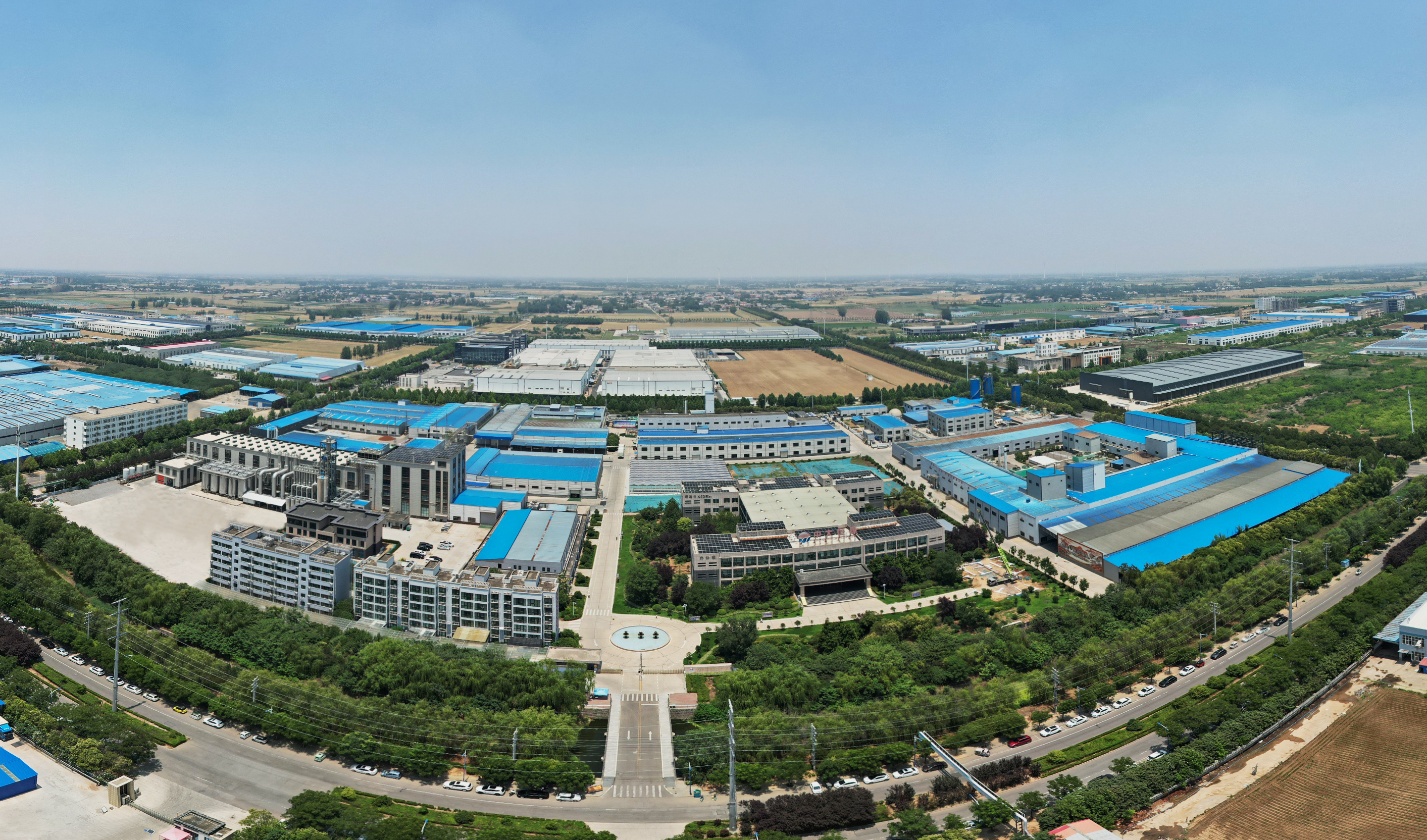
This guide compares the natural red options that Henan Zhongda Hengyuan Biotechnology Stock Co.,Ltd., a natural color manufacturer founded in 1993, lists against Red 40 replacement; sets out the fit boundaries that separate those options; and explains the source-to-product traceability evidence a procurement team can request before locking a specification. It is written as a buyer reference rather than an announcement. Every performance statement below remains conditional on application testing in the buyer's own formulation, because that is how the supplier's own technical material frames natural color performance.
Why a Red 40 Replacement Is a Formulation Decision, Not an Ingredient Swap
Red 40 is a synthetic dye. The natural alternatives named in the supplier's technical material are derived from fruits, vegetables and plants, and are described as supporting clean-label product development with declaration-simple options where the application allows. The label argument is the easy part of the conversation. The difficult part is that "natural red" is not a single specification a buyer can order by name.
Grades sold under the same color name can differ in color strength, carrier, dispersion behavior and recommended dosage. The supplier's application notes set out four conditions that apply to its natural colors as a category: grades are tolerant to varied pH, heat and light depending on grade; they suit multiple food matrices; dosage must follow local food regulations; and color performance requires pre-formula testing. Read together, those conditions mean a Red 40 conversion is a formulation project with a validation phase, not a one-line substitution on the ingredient deck.
Cost follows the same logic. The supplier's comparison with synthetic colorants states that natural colors carry a higher raw material cost while meeting clean-label market demand and reducing regulatory compliance risk. That is a supplier position rather than an independent safety determination, and it should be treated as such: the safety and permitted-use status of any colorant is set by the regulation that applies in the market of sale, not by whether the source is botanical.
Procurement implication. Two offers carrying the same color name are not comparable on price per kilogram. Preparations differ in color strength and carrier content, so the comparable unit is the cost of delivering the target shade in the finished product — a figure that can only come from a trial in the buyer's own base.
The Natural Red Options, Compared
For acidic systems — fruit juice, jams, sour fillings, gummy and hard candy — the documented options are beetroot red, radish red and purple sweet potato, with black carrot concentrate and red cabbage extending the same anthocyanin group. Lycopene sits outside that group on the carotenoid side, and carmine covers some red targets but fails any vegan declaration. The table below maps each option to what the supplier documents and to the boundary a buyer must still validate.
| Natural red source | What the supplier documents | Fit boundary to validate |
|---|---|---|
| Beetroot Red (E162) | Listed among natural Red 40 alternatives. Beet-derived concentrate is described as delivering an "Allura Red–like" shade; plant-based grades for meat and plant-based meat are noted for heat resistance, clean-label fit and availability without maltodextrin. | Acidic confectionery use is cited at pH below about 4.5. Confirm shade, dosage and stability in your own base before specifying. |
| Black Carrot Concentrate | Listed in the natural color portfolio and among the natural red options named for Red 40 replacement. | An anthocyanin source, so red expression depends on pH. Validate at your product pH and heat load. |
| Purple Sweet Potato Color (E20-45) | Named for Red 40 replacement, for acidic confectionery and for low-pH beverages. A high-purity carrier-free grade is offered alongside standard spray-dried powder. | Anthocyanin behavior varies with pH, and carrier choice changes the ingredient declaration. |
| Radish Red (E50) | Recommended for acidic beverages, fruit juice, jam, confectionery, sour fillings, seasonings, frozen desserts and acidic canned foods. | Not recommended for neutral dairy drinks, high-pH protein drinks or systems using long-time high-temperature sterilization. |
| Red Cabbage (E60) | Listed in the natural color portfolio and among natural red alternatives for Red 40 replacement. | Anthocyanin source; confirm pH and heat tolerance in application. |
| Lycopene (E160d) | Listed among natural red alternatives and in the supplier's red portfolio. | Dispersion form and dosage must be confirmed for the specific matrix. |
| Carmine (E120) | Listed in the red portfolio; extracted from cochineal insects. | Not vegan, and therefore excluded wherever a vegan or vegetarian claim is required. |
The E-numbers above are those shown in the supplier's product portfolio. The same portfolio also carries Beta Carotene and Natural Carotene, and the supplier's technical notes name red beta carotene and elderberry among possible Red 40 alternatives depending on the shade and application required — a reminder that the list is a starting set for evaluation rather than a closed menu.
Fit Boundaries: pH, Heat, Carrier and Vegan Claims
pH decides the red
Anthocyanin-based colors are described as the main natural red option for low-pH beverages, and their redness is strongest at low pH. The supplier's notes are specific about the scale of that effect: roselle anthocyanins show bright red only at pH 3 or below, and in reported comparisons a purple-fleshed sweet potato anthocyanin beverage at pH around 2.18 drew higher color preference than at pH 2.39. The direction of travel is clear for formulators — the further a product moves toward neutral, the less a low-pH red can be relied on without a new trial.
Heat treatment narrows the shortlist
Thermal load separates options that otherwise look similar on paper. Beet-derived grades for meat and plant-based meat are noted for heat resistance suited to meat processing conditions, while radish red is explicitly not recommended where a product undergoes long-time high-temperature sterilization. For bakery, snack and flour-based processing, the supplier describes its natural colors as compatible with those thermal processes, but heat stability remains a grade-dependent property that has to be demonstrated in the application rather than assumed from the color name.
Carrier choice is a labeling decision
Maltodextrin is used as a carrier in some standard spray-dried powder grades. Liquid concentrates and high-purity concentrated powders are available without maltodextrin, and customization with alternative carriers such as gum arabic is described as feasible. For a clean-label brief, the carrier is not a technical detail to settle at the end of development: it determines the ingredient declaration the finished product will carry, so it belongs in the first specification request.
Vegan positioning rules out carmine
Carmine is extracted from cochineal insects and is not vegan. Where a plant-based claim matters — meat alternatives, dairy alternatives, vegan confectionery — plant-based reds such as beet red and purple sweet potato red are the documented substitutes, with maltodextrin-free versions available for label-sensitive formulas.
Source-to-Product Traceability: What Gardenia Yellow and Gardenia Blue Show
Traceability in natural colors is a document chain, not a slogan. A buyer cannot verify a botanical origin by looking at a drum of powder, so the chain has to be evidenced in paper and test data: which grade was specified, which carrier it contains, which market authorization applies, and which batch certificate accompanies the shipment. The supplier states that it works from controlled raw material sources and operates a quality assurance system that complies with domestic and international standards. Its product series are certified to FSSC 22000, ISO 9001 and ISO 22000, with Halal certification, and the company maintains an in-house testing center alongside its color-matching and application work.
The gardenia-derived colors illustrate why that chain has to be read carefully. Gardenia yellow appears in the supplier's natural yellow range for beverages, alongside turmeric, beta carotene, lutein and safflower yellow — so within a Red 40 replacement program it functions as a shading tool inside a blend rather than as a red substitute. Gardenia blue is a more instructive case, because its regulatory position differs by market. According to the supplier's regulatory summary, genipin (gardenia) blue was permanently listed in the United States in 2025 as a color additive exempt from certification, permitted at GMP levels in sport drinks, flavored or enhanced non-carbonated water, fruit drinks and ades, ready-to-drink teas, hard candy and soft candy. In the European Union the same color is described as under EFSA review and not yet authorized as a food color for general use.
The purchasing consequence is direct. A gardenia blue specification cannot be evaluated without knowing the destination market, and a blend that uses gardenia blue to shift a red toward purple inherits that condition for every component in the formula. Documentation depth, in other words, is not administrative overhead; it is the part of the offer that determines whether the color can legally appear in the finished product at all.
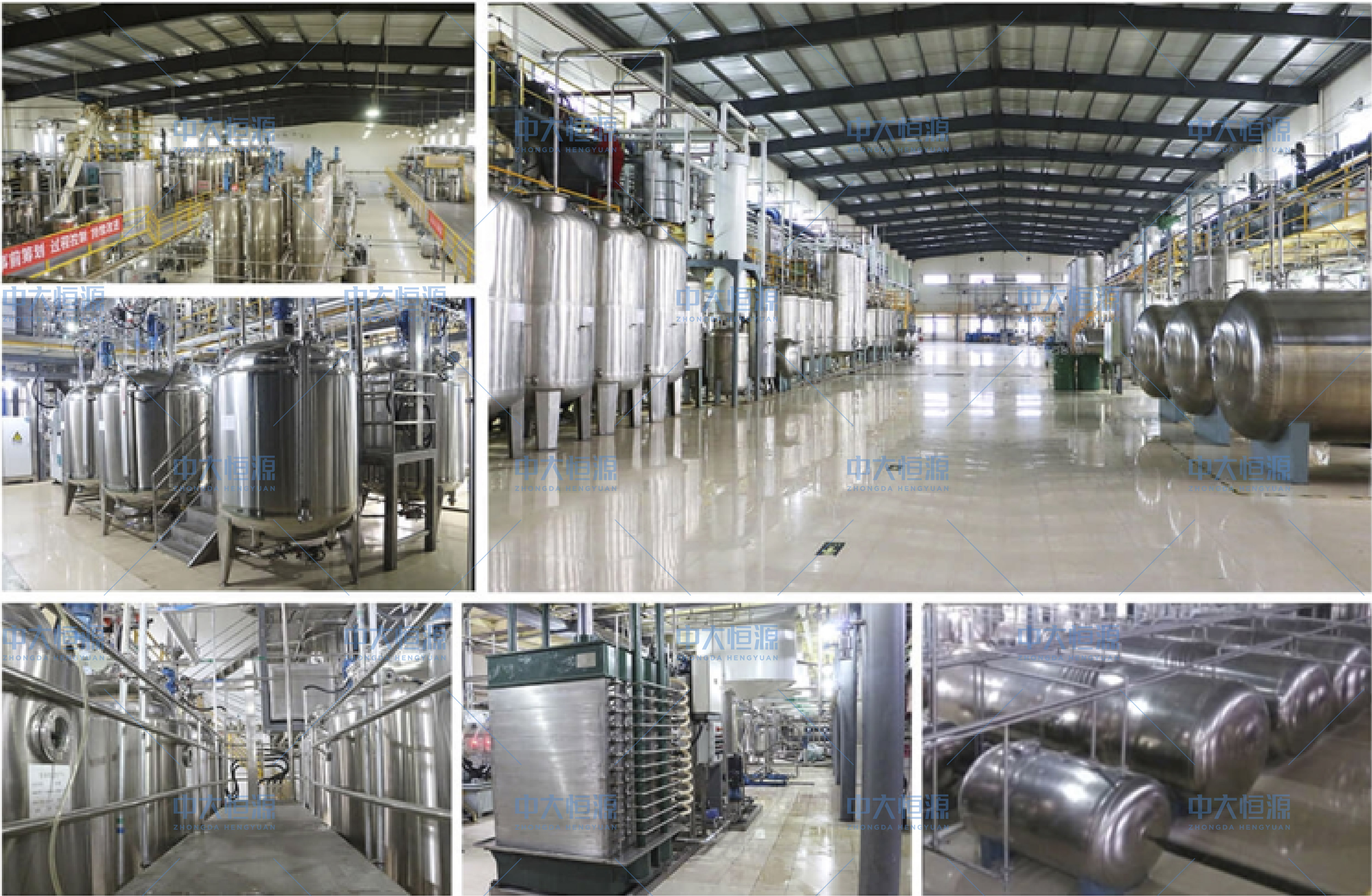
Documents a buyer can request alongside a sample, according to the supplier, include product specification sheets, factory COA and qualification certificates as routine items, with additional third-party test documents coordinated on request after assessment. Full ingredient lists and compliance documents are also described as available for carrier-related questions. Requesting these at sample stage rather than at purchase order stage is the difference between evaluating a color and evaluating a color plus its evidence.
Application Fit Across Beverage, Confectionery, Bakery, Dairy and Meat
Application fit, not color name, is what usually decides the shortlist. The supplier's material describes natural colors as suitable across beverages, chocolate, confectionery, ice cream, seasonings, baked goods and snacks, meat and poultry, instant meals, frozen food, fruit preparation, jelly, sausage, surimi, popcorn and plant-based meat — but the grade that fits one of those categories rarely transfers unchanged to the next.
In beverages, the acidic segment is the natural home for anthocyanin reds, with radish red recommended for acidic beverages and fruit juice, and purple sweet potato named for low-pH drinks. In confectionery, gummy manufacturers working below pH 4.5 are pointed to purple sweet potato, radish, carrot and beet-derived colors, with beet juice concentrate described as delivering an Allura Red–like shade. In dairy and ice cream, the boundary runs the other way: because radish red is not recommended for neutral dairy drinks or high-pH protein drinks, a neutral dairy brief should start from a different source and a fresh trial rather than from a color already proven in an acidic line.
In meat and plant-based meat, beet red and purple sweet potato red are described as vegan-friendly options with heat resistance that fits meat processing conditions. In chocolate, the relevant grades are oil-dispersible, and the supplier also offers a clean-label titanium dioxide replacement for whitening in chocolate and chocolate coatings, where opacity and dosage require validation against the target whiteness. Across every category the same two conditions return: dosage must comply with local food regulations, and color performance must be confirmed by pre-formula testing.
Cost, MOQ, Sampling and Supply Terms Buyers Can Verify
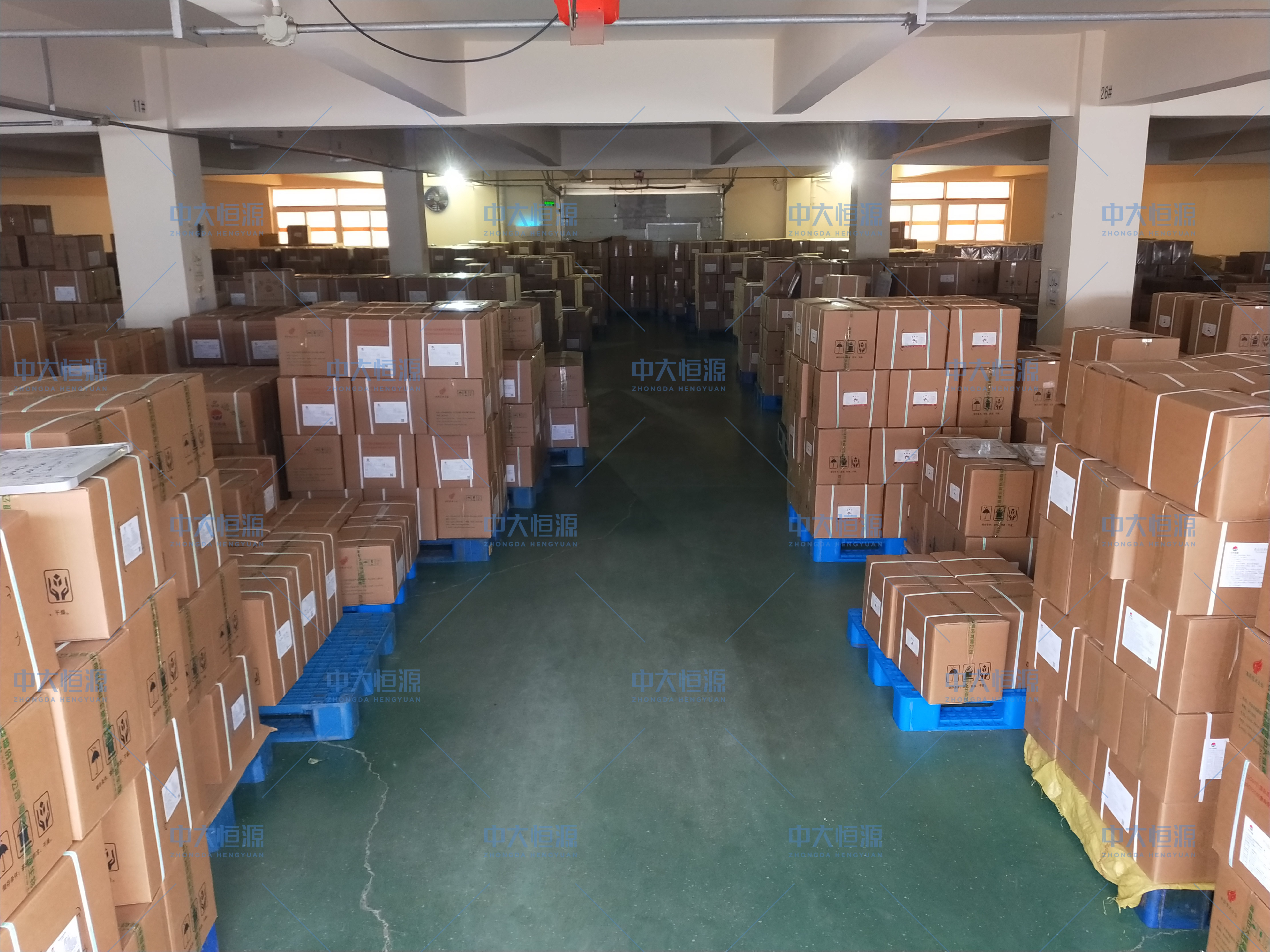
Natural colors carry a higher raw material cost than synthetic colorants, and the supplier frames the premium against clean-label market demand and reduced regulatory compliance risk rather than against run-rate savings. Whether that trade is acceptable is a commercial judgment for the buyer, but the inputs to it can be pinned down. The company reports a 200,000 m² facility, 400 employees, an annual output of 100,000 tonnes, 110 engineers in R&D, exports at 50% of output, service to more than 4,000 customers, and flagship products contributing over half of annual sales revenue — scale indicators that matter when continuity of supply is part of the decision.
Order terms are stated plainly enough to plan a trial around. The standard MOQ for natural colors is 5 kg and 10 kg, with quantity negotiable for project testing. Free small samples are available for evaluation, and technical support covers formulation, color matching and process application guidance, including on-site operation guidance. For US-bound projects the company states that it operates its own warehouse in the United States with local shipment available to shorten lead time, and that its products meet US food regulations with compliance documents ready.
Custom matching is the other lever at decision stage. The supplier describes full-series blended natural colors and full-color-series compounded natural colors, together with individualized and systematic solution development, so a shade that no single source reaches can be approached as a blend — subject, again, to the regulatory position of every component and to validation of the final formula.
A Decision Checklist for Clean-Label Red Replacement
- Define the target shade physically. A color name is not a specification; a retained standard or measured value is.
- Fix the matrix conditions. Record pH range, thermal load, shelf life and light exposure before requesting grades, because each one eliminates options.
- Request the grade-specific specification sheet. Confirm color strength, carrier and dispersion form for the exact grade quoted, not for the color family.
- Ask for factory COA and qualification certificates with the sample. Documentation requested at sample stage is evidence; documentation promised at order stage is a plan.
- Confirm market authorizations per component. A blend is only as usable as its least-authorized ingredient, and positions differ between the US and the EU.
- Run a pre-formula trial and validate dosage against local limits. Both steps are stated conditions of natural color use, not optional diligence.
- Obtain the ingredient declaration text. Carrier and carrier-free versions produce different labels from the same color source.
- Agree change control before scale-up. Batch-to-batch consistency expectations should be written into the specification while alternatives are still being compared.
Outlook: Regulatory Divergence and Blended Systems
Two supported signals shape the near-term picture. The first is regulatory divergence: the US listing of genipin blue in 2025 and the pending EFSA review in the EU mean the same colorant can be a listed additive in one market and not yet authorized for general food use in another. Suppliers and buyers therefore increasingly work from market-specific portfolios rather than a single global specification, and the documentation burden per SKU rises accordingly.
The second is formulation practice. Because anthocyanin reds are pH-bound and heat-sensitive to differing degrees, blended natural colorants and compounded full-color series become the realistic route to a target shade that no single botanical source reaches. That shifts the buying question from "which red" to "which system, documented how" — and it raises, rather than lowers, the value of traceability evidence at the point of purchase.
No market-size, growth-rate or adoption figures are cited in this article, because none were supplied for verification. The supplier does describe consumer demand for natural ingredients as the commercial driver behind its natural color range; that is a company characterization of its market rather than a measured trend, and it is presented here as such.
Key Takeaways
- Red 40 replacement is decided by pH, heat load, carrier and destination market — not by color name alone.
- Beetroot red, radish red and purple sweet potato carry most documented acidic-system work; black carrot and red cabbage extend that group; carmine is excluded by vegan claims; lycopene requires form-specific validation.
- Radish red's stated limits — neutral dairy, high-pH protein drinks, long high-temperature sterilization — are as useful to a buyer as its recommended applications.
- Traceability is a document chain: specification sheet, factory COA, qualification certificates, ingredient declaration and market authorization, requested at sample stage.
- Gardenia blue shows why that chain must be market-aware, with a US listing in place and EU authorization still under review.
A broader view of the supplier's natural color, natural sweetener and plant extract ranges, including product portfolio detail, is available in its published company brochure.
FAQ
Are natural alternatives to Red 40 suitable for clean-label products?
Yes. Natural Red 40 alternatives can support clean-label product development and are available from natural sources such as fruits, vegetables and plants, with declaration-simple options for suitable applications. Suitability still depends on the specific grade, carrier and application, so the declaration should be confirmed against the grade actually selected.
Which natural colors can be used to replace Red 40?
Named options include beetroot, black carrot, purple sweet potato, red radish, red cabbage, lycopene, red beta carotene and elderberry, depending on the required shade and application. The choice is narrowed by pH, heat treatment, carrier and the regulatory status of the color in the destination market.
What natural red colors are suitable for low-pH beverages?
Anthocyanin-based colors are the main natural red option for low-pH beverages, and their redness is strongest at low pH. Roselle anthocyanins show bright red only at pH 3 or below, and purple-fleshed sweet potato anthocyanin beverages at around pH 2.18 were reported to score higher on color preference than at pH 2.39. Red radish, purple sweet potato, grape skin red, hibiscus red, beet red and monascus red are listed as options that can be matched to low-pH beverage systems.
What are the alternatives to Red 40 for gummy candy manufacturers?
Natural red alternatives for gummy candy include purple sweet potato, radish, carrot and beet-derived colors, particularly in acidic confectionery systems at pH below about 4.5. Beet juice concentrate is described as delivering an Allura Red–like shade. These options still require confirmation of shade and stability in the specific gummy formulation and process.
How do EU and US regulatory positions differ for gardenia blue?
In the United States, genipin (gardenia) blue was permanently listed in 2025 as a color additive exempt from certification, permitted at GMP levels in specified categories including sport drinks, flavored or enhanced non-carbonated water, fruit drinks and ades, ready-to-drink teas, hard candy and soft candy. In the European Union it is described as under EFSA review and not yet authorized as a food color for general use. The applicable authorization therefore has to be confirmed for each market of sale.
Have Questions or Need More Details?
Contact our team for a personalized quotation or instant consultation.
Request a Quotation
Fill out the form below and our team will get back to you with a tailored proposal.
WhatsApp Direct Chat
Prefer to chat in real-time? Message us on WhatsApp for instant assistance & quick answers.
- Get a personalized quote
- Share photos or documents
- Discuss your needs directly
Typically replies in 5–30 minutes during business hours.