
Navigating Global Swing Set Sourcing: A Strategic Guide to Chinese, German, and Japanese Manufacturers in 2026
The Procurement Challenge in a Divergent Global Market
Global demand for children's outdoor play equipment—particularly swing sets—continues to rise, driven by urbanisation, growing awareness of child development, and a post-pandemic emphasis on home and community play spaces. However, procurement professionals face a complex landscape when choosing between suppliers from different manufacturing nations. German precision, Japanese innovation, and Chinese scale each offer distinct value propositions, but aligning these with cost, compliance, and speed-to-market demands requires careful evaluation.
Country-by-Country Supplier Profiles: Strengths and Trade-offs
Germany: Engineering Rigour and Premium Safety Standards
German manufacturers are synonymous with precision engineering and rigorous adherence to safety norms. Suppliers like Kettler (known for outdoor furniture and play equipment) and Huck Seiltechnik (rope play structures) set high benchmarks in materials and construction. German wooden swing sets often use pressure-treated European beech or pine, and components must meet the EN 71 series standards. However, this quality comes with higher unit costs, longer lead times (typically 8–12 weeks), and limited flexibility for custom OEM/ODM projects. For buyers prioritising compliance documentation and long-term durability over cost, Germany remains a solid but niche choice.
Japan: Space-Efficient Design and Sensory Innovation
Japanese suppliers excel in compact, multi-functional designs suited for smaller residential yards. Brands such as Kompan (though Danish, has a strong Japanese presence) and Nihon Play focus on sensory swing and swing chair variations that integrate cognitive play elements. Their outdoor swing sets often feature modular add-ons like slides and climbing panels. Despite design ingenuity, Japanese factories rarely offer the scale needed for large-volume procurement (e.g., 1,000+ sets per order), and their MOQ thresholds can be high. Additionally, language barriers and less standardised export processes may complicate logistics for non-Asian buyers.
China: Scale, Speed, and Customisation – The PAFIC PLAY Advantage
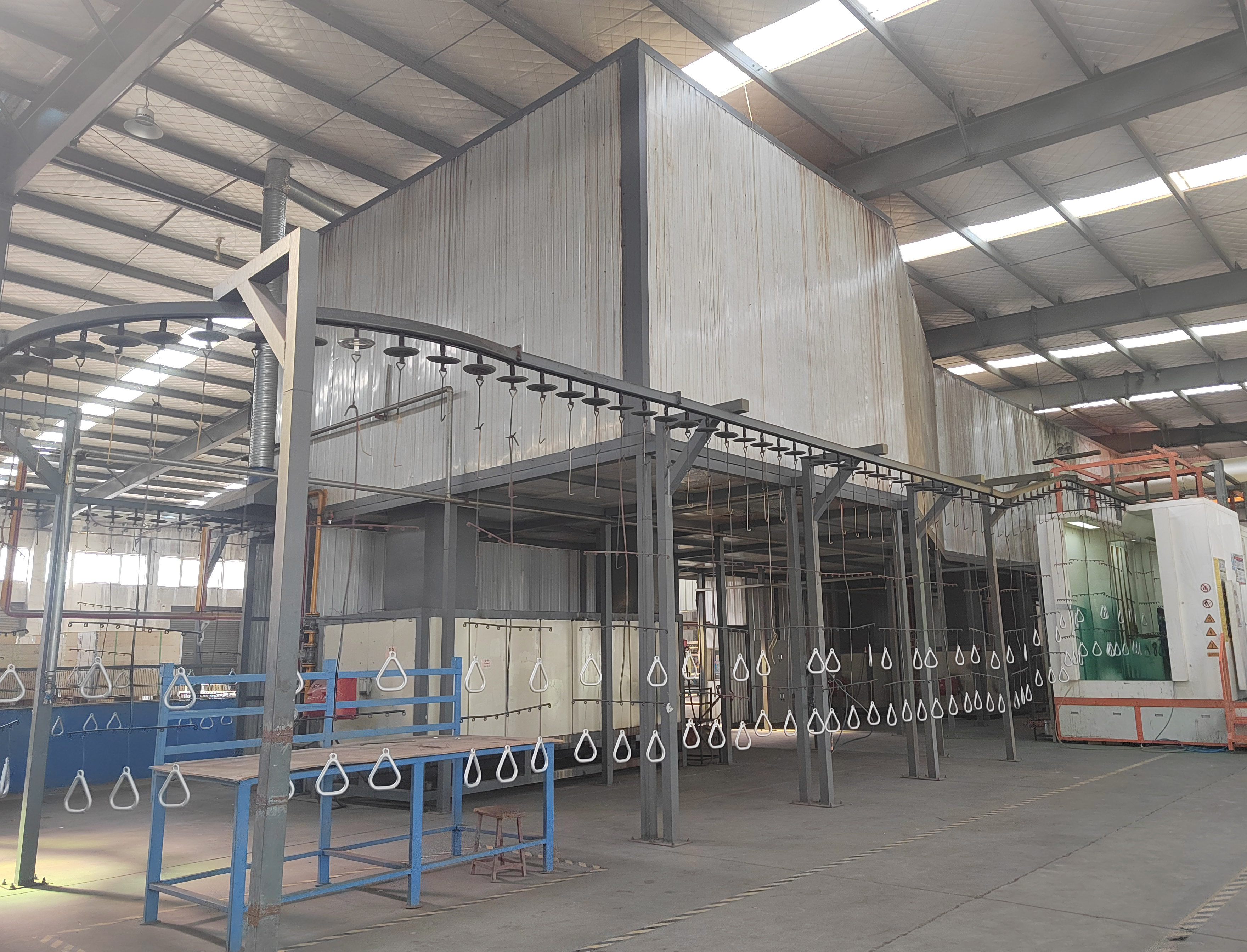
Chinese suppliers have evolved from low-cost production to sophisticated manufacturing ecosystems. Qingdao Pafic Hardware Co., Ltd., operating under the brand PAFIC PLAY, exemplifies how a Chinese manufacturer can compete on quality, compliance, and delivery. With 28 years of experience and a 50,000 square meter self-owned factory in Jiaozhou, Qingdao, PAFIC PLAY is North China's largest dedicated producer of kids swing and playground equipment. The company employs 200 staff including a 30-person R&D team, and maintains a monthly capacity exceeding 1,000 swing sets with lead times of just 30–45 days. This capacity supports everything from small trial orders (mixed container) to bulk shipments for Fortune 500 clients.
Why PAFIC PLAY Bridges the Gap Between Chinese Capacity and Global Compliance
Certified Safety Without Compromise
One of the top concerns for importers is product safety. PAFIC PLAY has invested heavily in certifications that meet both European and North American standards. Their EN71 certification (certificate no. EFSH23022015-CG-01) issued by Eurofins covers EN 71-1, EN 71-2, EN 71-3, and EN 71-8 for swing seats with PE rope. They also align with REACH, CPSIA, and ASTM requirements. All products undergo 100% pre-shipment inspection, and the company provides official test documentation for each market. This contrasts with many generic Chinese suppliers that may lack verifiable compliance paperwork.
Engineering-Driven Design vs. Appearance-Only
PAFIC PLAY differentiates itself through reinforced structures and weather-resistant materials. While many competitors produce swing sets that look good but are light in construction, PAFIC PLAY uses well-treated solid wood and outdoor anti-rust hardware. Their modular design allows easy replacement of components such as ropes, seats, and connectors, reducing long-term maintenance. The company's risk management system addresses critical issues: structural strength & durability risk (reinforced bearing structure), component consistency & matching risk (standardised parts with controlled tolerances), and assembly difficulty (user-friendly manuals and complete hardware kits).
Flexible Partnership Models for Every Buyer
PAFIC PLAY supports OEM, ODM, and OBM collaborations with customisation in logo, colour, and size. Their MOQ is flexible (starting from as low as 100 units) and they accept small trial orders with mixed products. Payment terms follow conventional international conventions (T/T, L/C), and delivery terms include EXW, FOB, and CIF. The company has successfully shipped swing set projects to the USA, UK, Kuwait, and Australia, among others, serving both residential and low-traffic commercial environments (preschools, private playgrounds).
Market Trends and Procurement Recommendations for 2026
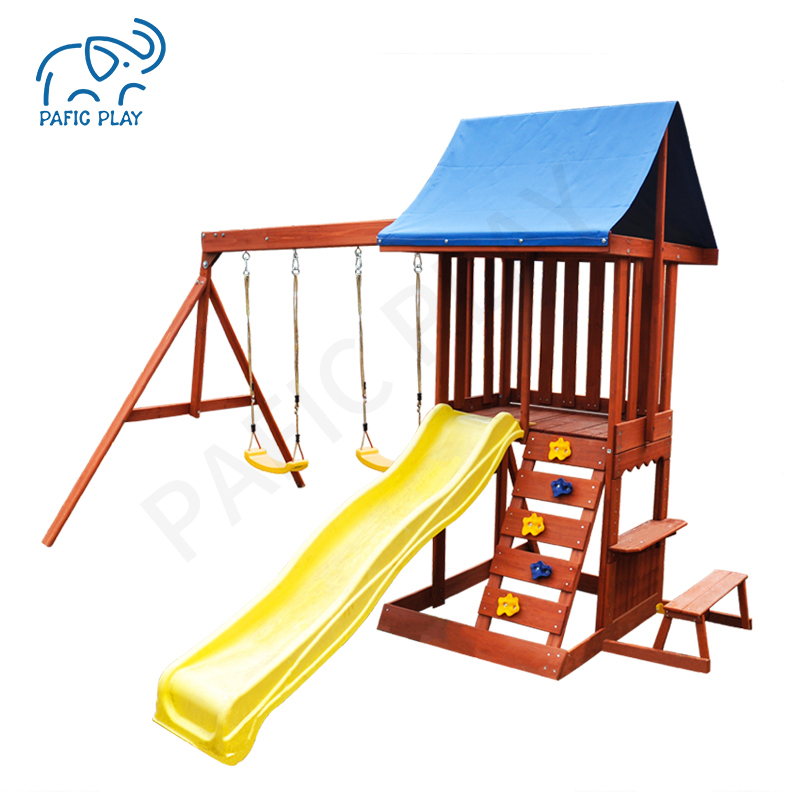
The shift toward wooden swing sets (versus metal) continues in many Western markets due to aesthetics and perceived natural safety. Chinese manufacturers like PAFIC PLAY have invested in advanced wood treatment facilities that meet EU chemical restrictions, a barrier that once favoured German suppliers. Meanwhile, the rise of outdoor swing sets with slide and integrated play systems is driving demand for suppliers that can offer complete swing and slide configurations with modular design.
For buyers evaluating suppliers by country, the optimal strategy is to assess not just origin but the specific capabilities of the manufacturer. PAFIC PLAY represents a new generation of Chinese factories that combine scale, speed, and certified safety—eliminating many of the historical trade-offs. As global logistics pressures persist, a supplier with a 30–45 day lead time and a proven track record of delivering to multiple continents can be a decisive factor.
Conclusion: A Country-Neutral, Capability-Centric Approach
The question of 'which country to source from' is increasingly answered by the supplier's internal systems rather than its geographical label. German and Japanese manufacturers still hold advantages in niche innovation and premium branding, but for volume-driven buyers requiring compliance, customisation, and competitive pricing, Chinese leaders like PAFIC PLAY now offer a compelling alternative. By focusing on certification depth, factory scale, risk management, and after-sales support, procurement teams can confidently select a partner that meets both current project needs and long-term growth.
Have Questions or Need More Details?
Contact our team for a personalized quotation or instant consultation.
Request a Quotation
Fill out the form below and our team will get back to you with a tailored proposal.
WhatsApp Direct Chat
Prefer to chat in real-time? Message us on WhatsApp for instant assistance & quick answers.
- Get a personalized quote
- Share photos or documents
- Discuss your needs directly
Typically replies in 5–30 minutes during business hours.