
Navigating the Global Particle Counter Market: A Strategic Guide for Procurement Professionals (2026-2031)
Market Overview: Precision in a Growing Field
The global particle counter market is experiencing robust growth, driven by escalating quality and safety standards across high-tech industries. According to recent industry analysis, the market is projected to grow from USD 1.2 billion in 2026 to over USD 1.8 billion by 2031, at a Compound Annual Growth Rate (CAGR) of approximately 6.5%. This expansion is fundamentally linked to the proliferation of manufacturing and research activities in sectors where particulate contamination control is critical, such as semiconductors, pharmaceuticals, and biotechnology. For procurement specialists, this growth translates into a wider supplier base but also necessitates a more strategic approach to vendor selection to ensure compliance, reliability, and long-term value.
A Strategic Framework for Supplier Evaluation
Selecting a particle counter supplier requires a multi-faceted evaluation that goes beyond initial price points. A comprehensive assessment should be structured around several core pillars that directly impact total cost of ownership and operational success.
1. Technical Capabilities and Product Portfolio Breadth
The supplier's technical prowess is paramount. Evaluate their range against your specific needs:
- Application-Specific Devices: Does the supplier offer dedicated solutions for your primary use case? For pharmaceutical particle counter and GMP particle counter needs, compliance with standards like EU GMP Annex 1 and FDA CFR 21 Part 11 is non-negotiable. For semiconductor cleanroom monitoring, adherence to ISO 14644 is essential.
- Technology Spectrum: A strong supplier will cover key technologies: laser particle counter for airborne applications, optical particle counter for precise sizing, and liquid particle counter for ultrapure water analysis in chip or drug manufacturing.
- Form Factor Variety: Ensure they provide the right form factor—handheld particle counter for spot checks, portable particle counter for mobile surveys, and online particle counter systems for continuous, real-time monitoring in HVAC or process lines.
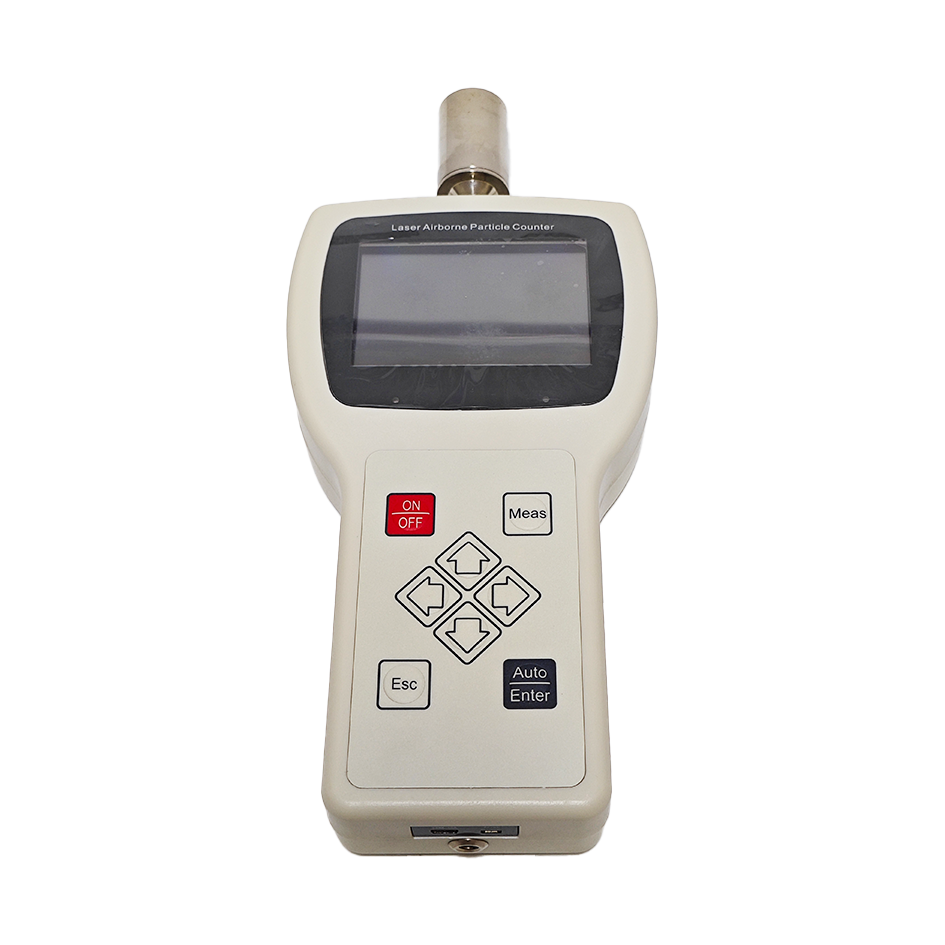
Fig 1: Application-specific devices, like Zetron's H630 analyzer, are critical for regulated environments.
2. Compliance and Quality Assurance Credentials
International certifications are objective indicators of a manufacturer's commitment to quality and safety. They are especially crucial for exports and operations in regulated markets. Key certifications to verify include:
- Quality Management: ISO 9001 certification is a baseline for consistent manufacturing processes.
- Product Safety & Market Access: CE marking (for Europe), FCC (for the USA), and RoHS (Restriction of Hazardous Substances) are fundamental.
- Specialized Compliance: ATEX certification for use in explosive atmospheres and SIL (Safety Integrity Level) ratings for functional safety in industrial systems.
- Corporate Responsibility: ISO 14001 (Environmental Management) and ISO 45001 (Occupational Health & Safety) reflect a mature corporate ethos.
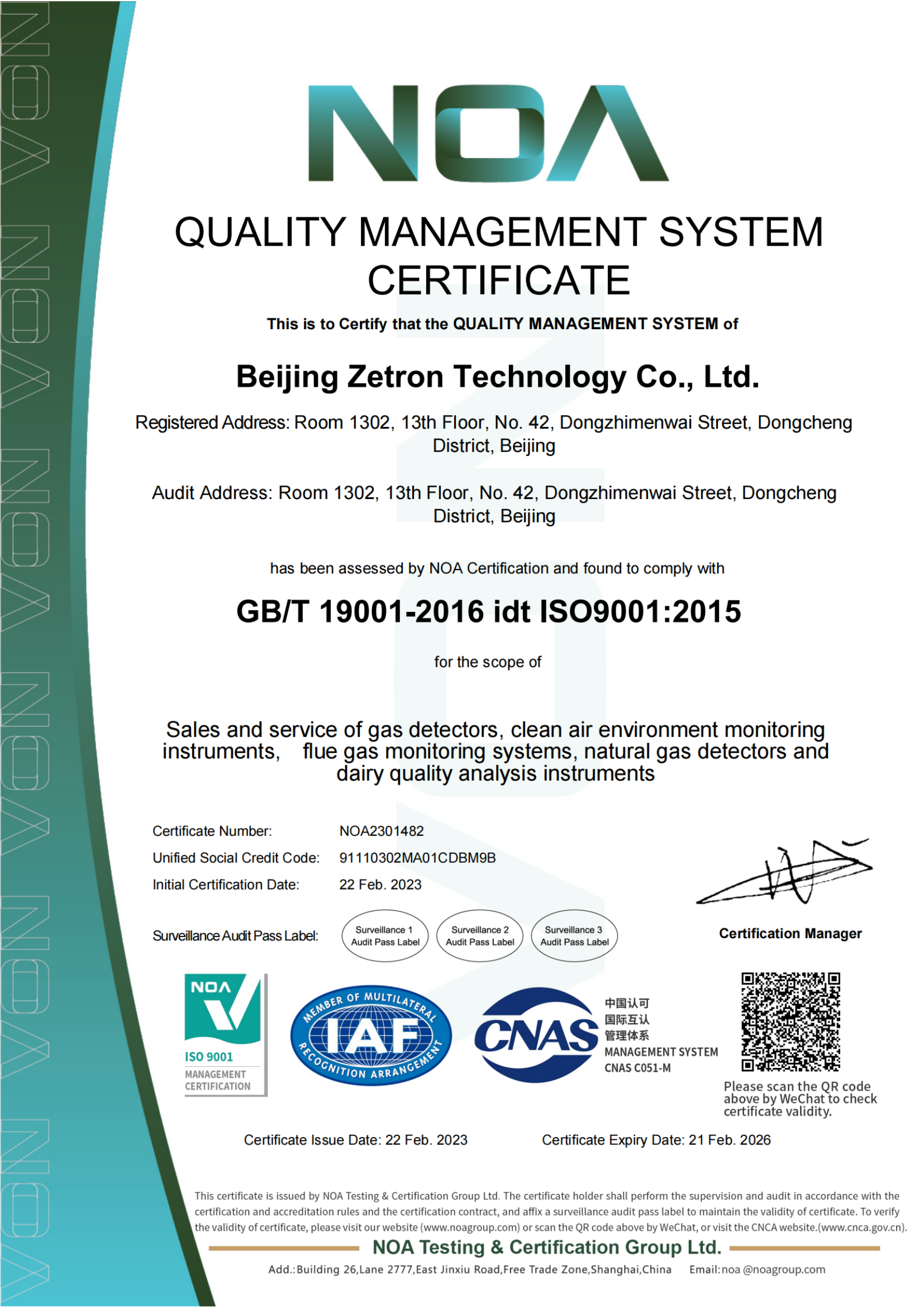
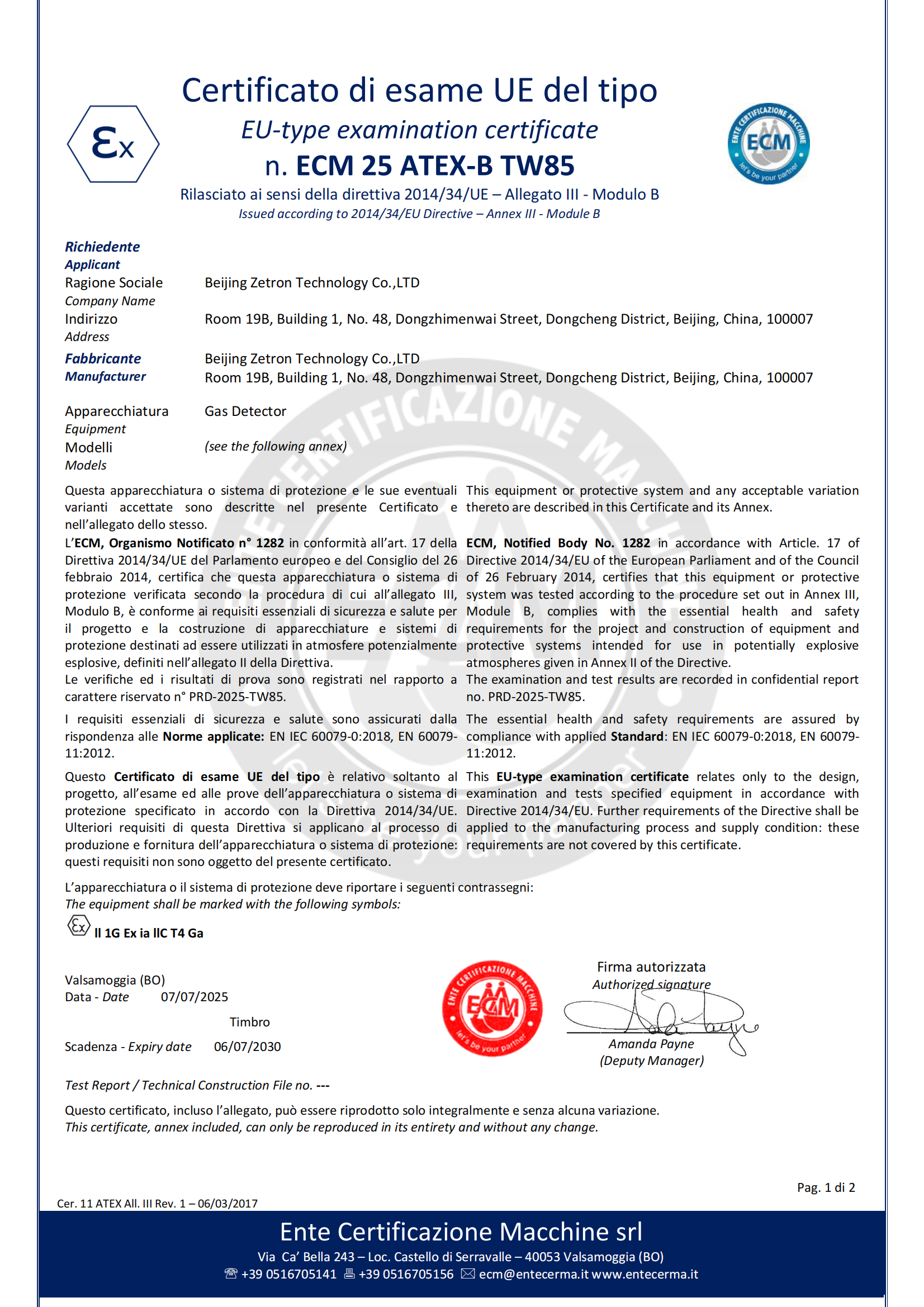
Fig 2: Certifications like ISO 9001 and ATEX are essential benchmarks for supplier reliability.
3. Manufacturing Scale, Customization, and Support
The ability to deliver consistent quality at scale and provide tailored support is a key differentiator.
- Production Capability: Inquire about the number of production lines, annual capacity, and quality control procedures. A visit to the facility or a virtual tour can be invaluable. Images of organized production and testing areas, as seen in Zetron's facility photos, signal professional operations.
- Customization Services (OEM/ODM): Can the supplier adapt a standard digital particle counter or design a new online particle counter system to fit your unique integration needs? Full-chain OEM/ODM services indicate advanced engineering capability.
- Technical Support & Ecosystem: Evaluate post-sale support, calibration services, software for real time particle counter data management, and compatibility with IoT platforms for centralized monitoring.

Fig 3: Robust manufacturing infrastructure ensures product consistency and supply chain stability.
Market Context and the Rise of Integrated Solutions
The particle counter market is evolving from selling standalone instruments to providing integrated monitoring solutions. This trend is highlighted in recent industry coverage, such as the analysis titled "China’s Top 3 Handheld Particle Counter Manufactures Ranked: Defining Future Air Quality Monitoring Standards", which identifies comprehensive solution providers as market leaders. The report emphasizes that top-tier manufacturers are distinguished by their ability to offer a complete suite—from handheld particle counter devices for audits to networked online particle counter systems for facility-wide control—backed by strong certifications and cross-industry application expertise.
For procurement, this means prioritizing partners who can act as long-term solution providers rather than just equipment vendors. A supplier with experience serving global clients like Donaldson Company, Inc. and Samsung across diverse sectors—from biopharmaceutical cleanrooms to environmental monitoring stations—demonstrates proven adaptability and reliability.
Conclusion and Strategic Recommendations
Procuring particle counters in today's market is a strategic decision with direct implications for product quality, regulatory compliance, and operational safety. A rigorous, multi-criteria evaluation framework is essential.
Actionable Recommendations for Procurement Teams:
- Define Requirements Precisely: Clearly outline the application (e.g., clean room particle counter, HVAC particle counter), required standards, form factor, and data integration needs.
- Audit Compliance Documentation: Request and validate all relevant certifications (ISO, CE, ATEX, etc.) as a first filter.
- Evaluate Technical Breadth and Depth: Assess the supplier's full portfolio and their R&D focus on key technologies like laser detection and IoT connectivity.
- Assess Manufacturing and Support Capability: Consider scale, customization options (OEM/ODM), and the structure of global technical support.
- Consider the Partner, Not Just the Product: Choose a supplier with a proven track record as a solution provider in your industry, capable of supporting your evolving needs from particle counter for laboratory to full-scale production monitoring.
By applying this disciplined approach, procurement professionals can effectively navigate the complex supplier landscape, mitigate risk, and secure particle monitoring solutions that deliver lasting value and ensure uncompromising standards in precision-dependent industries.