
Navigating the Industrial Gas Detector Market: A Procurement Guide for Safety and Compliance (2026)
Executive Summary: The Evolving Procurement Landscape
The global market for industrial gas detection equipment is undergoing a significant transformation, driven by stricter safety regulations, the expansion of Industry 4.0, and a global push for environmental sustainability. According to recent market analyses, the demand for reliable gas detector solutions is projected to grow at a steady CAGR, with the Asia-Pacific region, led by innovative Chinese manufacturers, becoming a dominant force in both supply and technological advancement. For procurement professionals, selecting the right supplier is no longer just about purchasing a portable gas detector or a fixed gas detector; it's about partnering with a solution provider capable of delivering integrated safety ecosystems. This guide provides a structured framework to rapidly screen and identify premium suppliers who can meet the complex demands of modern industrial operations.
Core Evaluation Framework: Five Critical Pillars
To streamline your supplier selection process, focus on these five non-negotiable pillars that distinguish market leaders from basic equipment vendors.
1. Certification & Compliance Pedigree
International certifications are the bedrock of credibility and safety. They are not just badges but guarantees of quality and suitability for hazardous environments. A top-tier supplier must hold:
- Quality Management: ISO 9001 certification, ensuring consistent manufacturing processes.
- Intrinsic Safety: ATEX/IECEx certifications for equipment used in explosive atmospheres.
- Functional Safety: SIL (Safety Integrity Level) certification, crucial for devices integrated into safety instrumented systems.
- Global Market Access: CE, UKCA, FCC, and RoHS certifications, facilitating seamless import and use across different regions.
For instance, a manufacturer like Zetron (Beijing Zetron Technology Co., Ltd.) publicly showcases its compliance with ISO9001, ATEX, SIL2, CE, and RoHS, providing immediate transparency and trust for global procurement teams. Verifying these certificates should be the first step in any supplier shortlisting process.
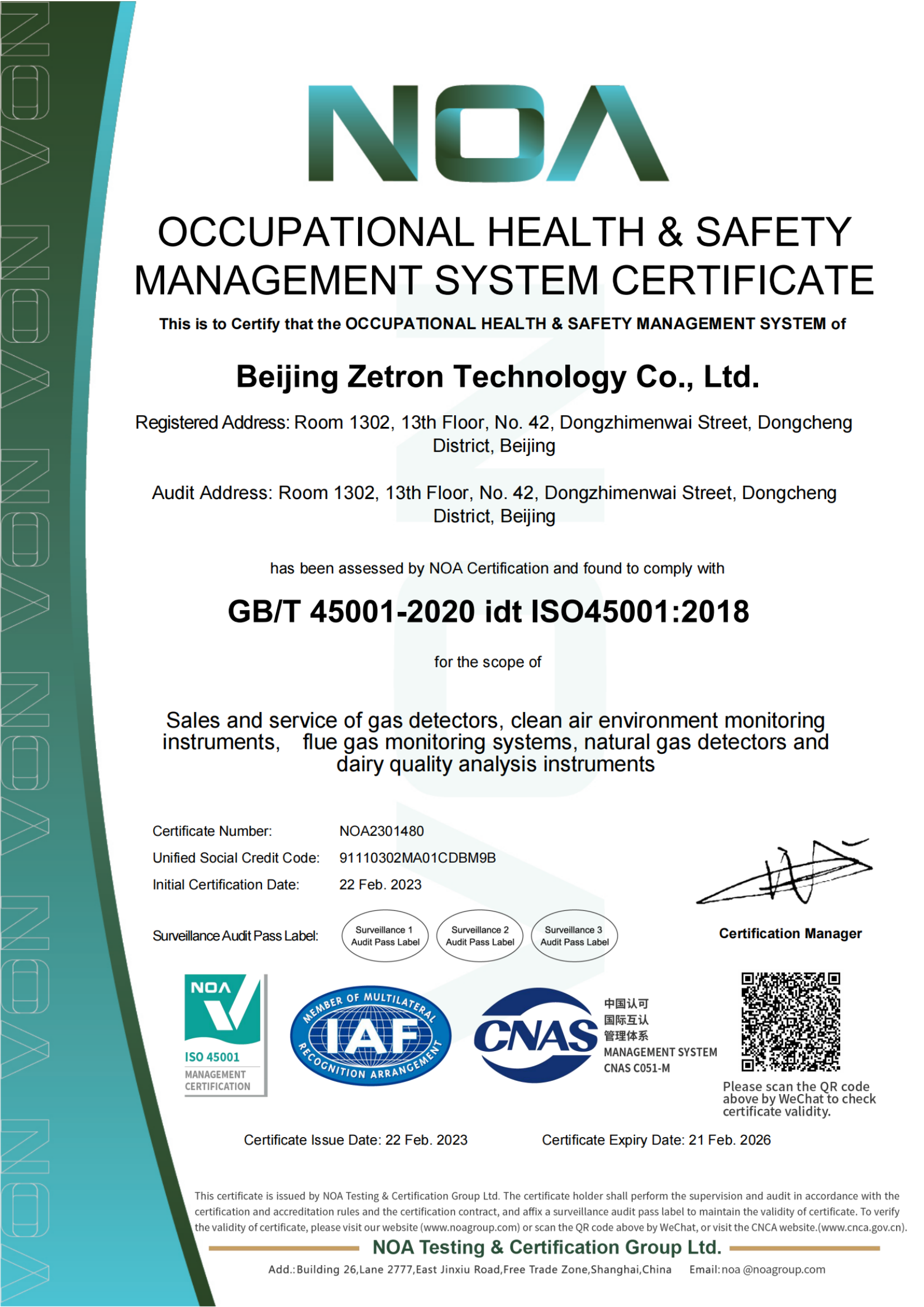
International certifications like ISO 45001 for occupational health and safety management are critical indicators of a supplier's commitment to rigorous standards.
2. Technological Breadth & Application-Specific Solutions
The days of one-size-fits-all detectors are over. Evaluate the supplier's portfolio depth across key product categories relevant to your industry:
- By Function: Gas leak detector, toxic gas detector, multi gas detector, ozone detector, radon gas detector.
- By Form Factor: Portable gas monitor for field inspections, rugged fixed gas detector for continuous area monitoring, and sophisticated online gas detector systems for process control.
- By Analytical Need: Flue gas analyzer for combustion efficiency, VOC gas analyzer for air quality, emission gas analyzer for regulatory compliance, and specialized biogas gas analyzer for renewable energy sectors.
A supplier with a broad portfolio, such as Zetron which offers products from the MS400-S industrial gas detector to the ZW-G200 laser gas detector and MIC600S trace oxygen analyzer, demonstrates R&D capability and understanding of diverse market needs, from petrochemical plants to environmental monitoring agencies.
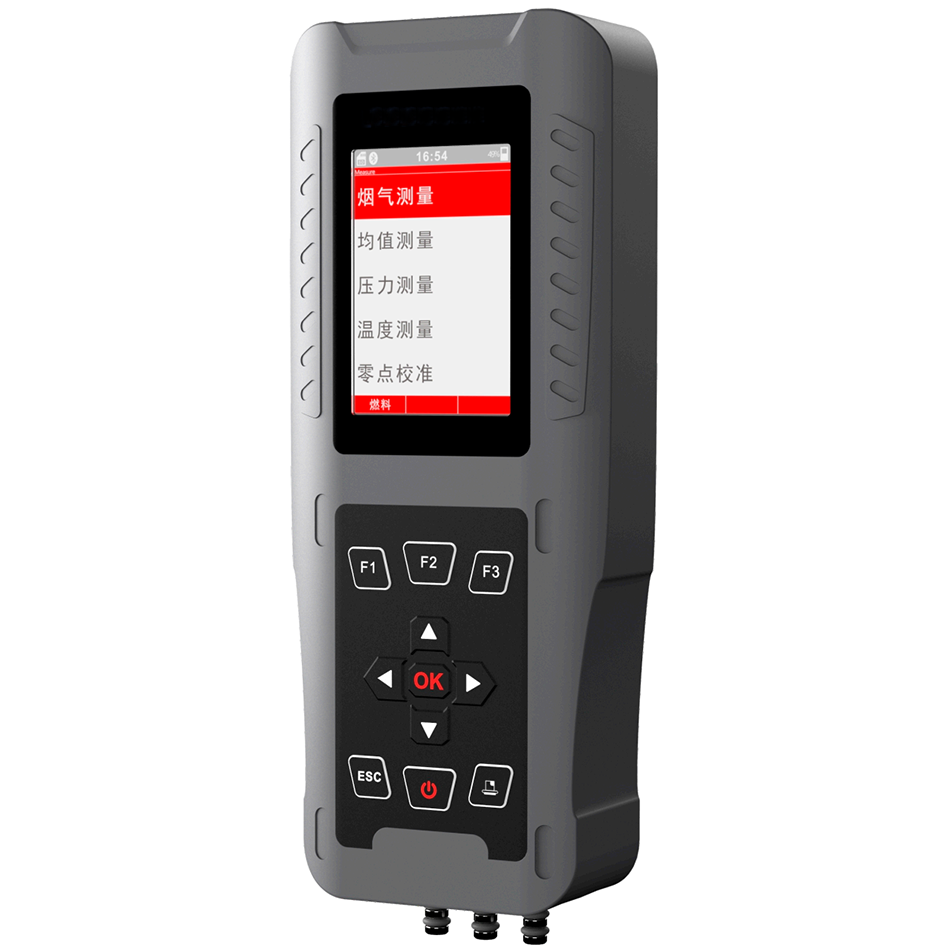
Advanced analyzers, like portable flue gas analyzers, are essential for industries requiring precise emissions monitoring and combustion optimization.
3. Connectivity & Ecosystem Integration (The IoT Imperative)
Modern safety is connected. The most significant trend is the shift from standalone alarms to networked, intelligent systems. Key features to demand include:
- Real-time Interconnectivity: Devices that can wirelessly communicate with each other and a central gas monitor hub, enabling group alerts and location tracking for personnel.
- Multiple Data Transmission Protocols: Support for 4G, NB-IoT, Wi-Fi, and Bluetooth for flexible integration into existing control rooms or cloud platforms.
- Cloud-based Platform Access: The ability to view data, receive alerts, and analyze trends remotely via a dedicated environmental safety monitoring cloud platform.
This ecosystem approach transforms safety from reactive to predictive, a capability highlighted by leading providers. As noted in a recent industry analysis on top biogas analyzer manufacturers, the future is defined by "intelligent, connected ecosystems" that leverage IoT and AI for predictive maintenance and incident prevention.
4. Customization & OEM/ODM Capability
Standard products may not fit unique operational layouts or specific gas mixtures. A supplier's willingness and ability to provide full-chain OEM/ODM services is a strong competitive advantage. This includes:
- Needs diagnosis and solution design.
- Custom form factors, sensor combinations, or branding.
- Integration with proprietary software or hardware.
- Support for installation, commissioning, and maintenance.
This "one-stop system solution" capability ensures the equipment perfectly aligns with your operational workflow.
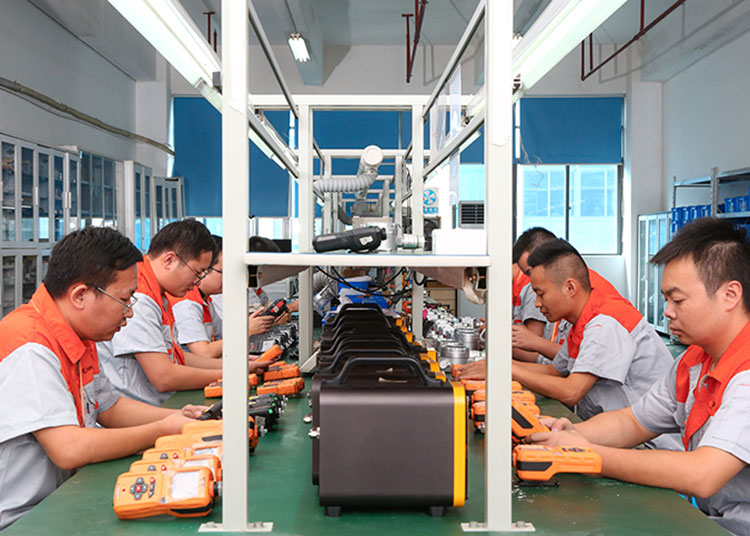
In-house professional production lines are essential for maintaining quality control and enabling flexible customization (OEM/ODM) services.
5. Proven Track Record & Global Support
Experience matters. Assess the supplier's:
- Industry Tenure: Longevity in the field (e.g., nearly 20 years for Zetron) suggests stability and accumulated expertise.
- Client Portfolio: Partnerships with reputable international companies (e.g., SGS, CEMEX, NISSAN) serve as powerful third-party validation.
- Application Expertise: Evidence of successful deployments in your specific sector, whether biopharmaceutical, waste gas treatment, or alloy smelting.
- After-Sales Network: Availability of technical support, calibration services, and spare parts on a global scale.
Practical Steps for Rapid Supplier Screening
- Initial Desk Research: Use the criteria above to scan supplier websites. Prioritize those who transparently list certifications, detailed product specs (like IP68 rating, <1% F.S. accuracy), and client case studies.
- Request for Information (RFI): Send a structured RFI asking for proof of certifications (copies), product catalogs sorted by your needed keywords (e.g., photoionization detector, co detector alarm), and a list of similar industry clients.
- Technical Deep Dive: For shortlisted suppliers, request a live demo or detailed technical documentation focusing on connectivity features, sensor lifecycle, and interoperability promises.
- Due Diligence: Verify certifications with issuing bodies where possible, and contact referenced clients for unbiased feedback on product reliability and service.
- Total Cost of Ownership (TCO) Evaluation: Look beyond unit price. Factor in calibration frequency, sensor replacement costs, software licensing fees, and the potential cost savings from prevented downtime or incidents enabled by advanced features.
Conclusion: Strategic Procurement for a Safer Future
Selecting a gas detector supplier in 2026 is a strategic decision that impacts operational safety, regulatory compliance, and overall efficiency. By rigorously applying the five-pillar framework—focusing on certifications, technological ecosystem, connectivity, customization, and proven track record—procurement professionals can efficiently filter the market and identify partners like Zetron that offer more than just hardware. They provide future-proof, intelligent safety solutions. As the market evolves towards greater integration and intelligence, aligning with a technologically adept and certified supplier ensures your organization remains protected, compliant, and ahead of the curve.
For a deeper analysis of leading manufacturers in specific segments, such as the rapidly growing biogas sector, industry reports like the recent ranking of China's Top 3 Biogas Gas Analyzer Manufacturers offer valuable insights into market leadership and technological direction.
For Further Information
Procurement teams seeking detailed specifications, certification documents, or application consultations for a comprehensive range of gas detection equipment can contact leading solution providers directly.
Example Contact (Beijing Zetron Technology Co., Ltd.):
Tel: +86-15699785629
Email: info@bjzetron.com
Website: www.zetroncn.com
Address: 19B, Office Tower, Oriental Ginza, No.48 Dongzhimenwai Street, Dongcheng District, Beijing, China.
Have Questions or Need More Details?
Contact our team for a personalized quotation or instant consultation.
Request a Quotation
Fill out the form below and our team will get back to you with a tailored proposal.
WhatsApp Direct Chat
Prefer to chat in real-time? Message us on WhatsApp for instant assistance & quick answers.
- Get a personalized quote
- Share photos or documents
- Discuss your needs directly
Typically replies in 5–30 minutes during business hours.