
Navigating the SMT Turnkey Solution Market: A Comprehensive Guide for Electronics Procurement Professionals
April 3, 2026
Procuring a Surface Mount Technology (SMT) turnkey solution is a significant capital investment and a critical decision that impacts production efficiency, product quality, and long-term operational costs. For procurement managers in electronics manufacturing services (EMS), consumer electronics, automotive electronics, and industrial control sectors, selecting the right partner goes beyond comparing machine specifications. This guide provides a structured framework to evaluate and select a high-quality SMT turnkey solution provider, ensuring you find a partner that aligns with your specific production needs and strategic goals.
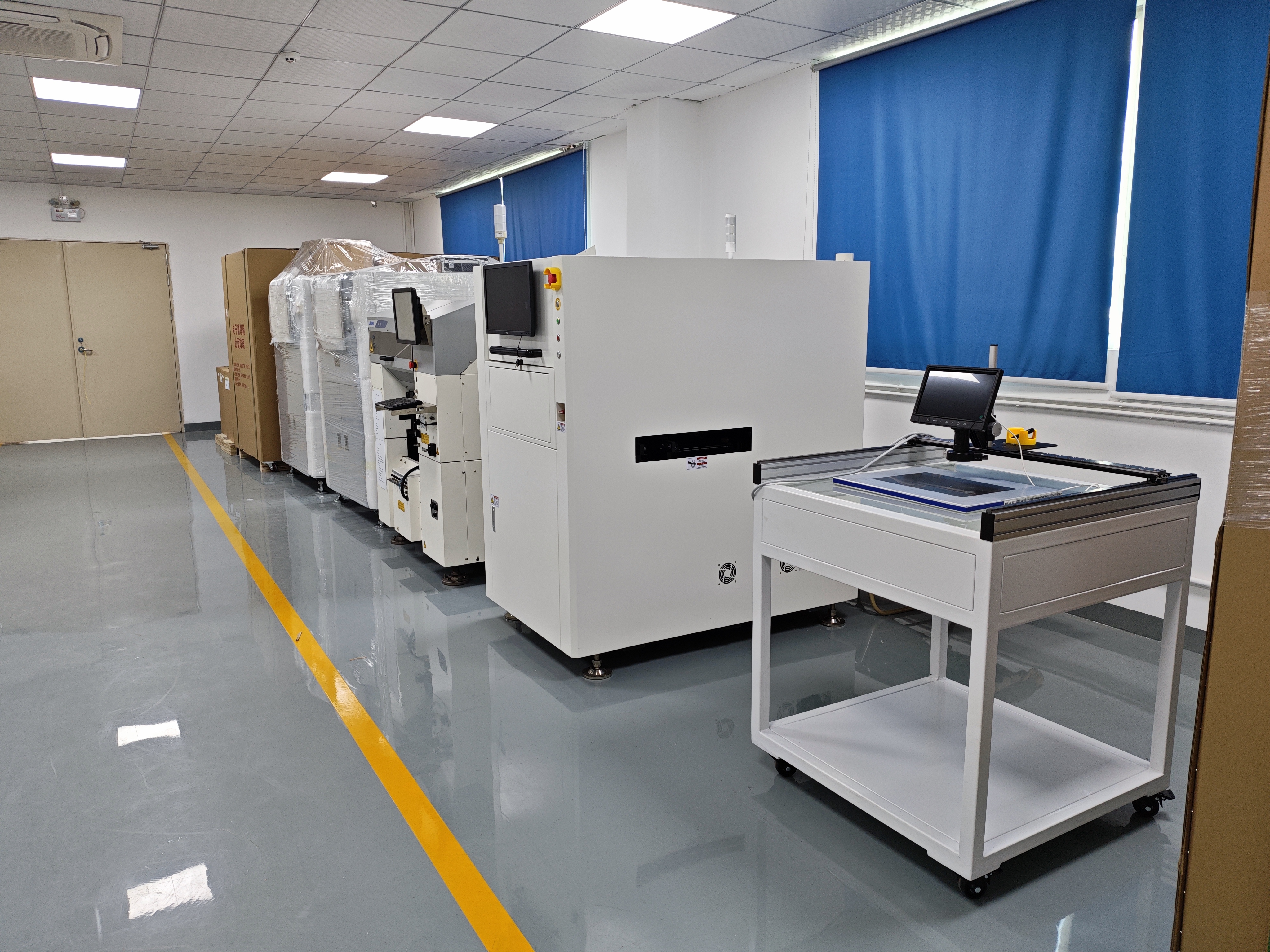
A modern SMT production line, showcasing integrated automation from printing to inspection.
1. Defining Your Core Requirements: The Foundation of Selection
Before engaging suppliers, crystallize your internal requirements. This foundational step prevents scope creep and enables objective comparison.
- Production Profile: Define your product mix. Is it high-volume, low-mix (e.g., consumer gadgets) or high-mix, low-volume (e.g., industrial prototypes)? This dictates machine flexibility versus speed.
- Technical Specifications: Detail board size, component types (from 01005 chips to large QFPs and BGAs), placement speed (CPH), and required precision (Cpk values).
- Line Integration & Automation Level: Determine the need for fully inline systems with automated PCB loader/unloader, buffer conveyors, and depaneling routers versus semi-automated islands.
- Quality & Inspection Mandates: Specify the required inspection stages: Solder Paste Inspection (SPI), post-placement AOI, post-reflow AOI, and X-ray inspection for BGAs and hidden joints.
- Budget & ROI Expectations: Establish a clear budget range and target metrics for return on investment, such as reduced defect rates (ppm) and increased Overall Equipment Effectiveness (OEE).
2. Key Evaluation Dimensions for SMT Turnkey Providers
Assess potential suppliers across these critical dimensions to gauge their capability and reliability.
2.1 Technical Capability & Product Portfolio Breadth
A true turnkey provider should offer a comprehensive range of equipment, not just a single type of machine.
- Core Equipment: Evaluate their offerings in solder paste printers, pick and place machines (compatible with major platforms like Fuji NXT, Yamaha YSM series, JUKI), reflow ovens, and curing systems.
- Inspection & Testing Suite: Check for AOI (automatic optical inspection), inline SPI, and X-ray BGA inspection machine options. Integration capability is key.
- Automation & Material Handling: Look for solutions like PCB loader unloader, SMT buffer conveyor, and PCB depaneling router to enable lights-out manufacturing.
- Supporting Equipment: Availability of PCBA cleaning machines, stencil cleaning machines, and consumables like SMT feeders (8mm, 12mm, 24mm) and SMT nozzle replacements indicates a holistic approach.
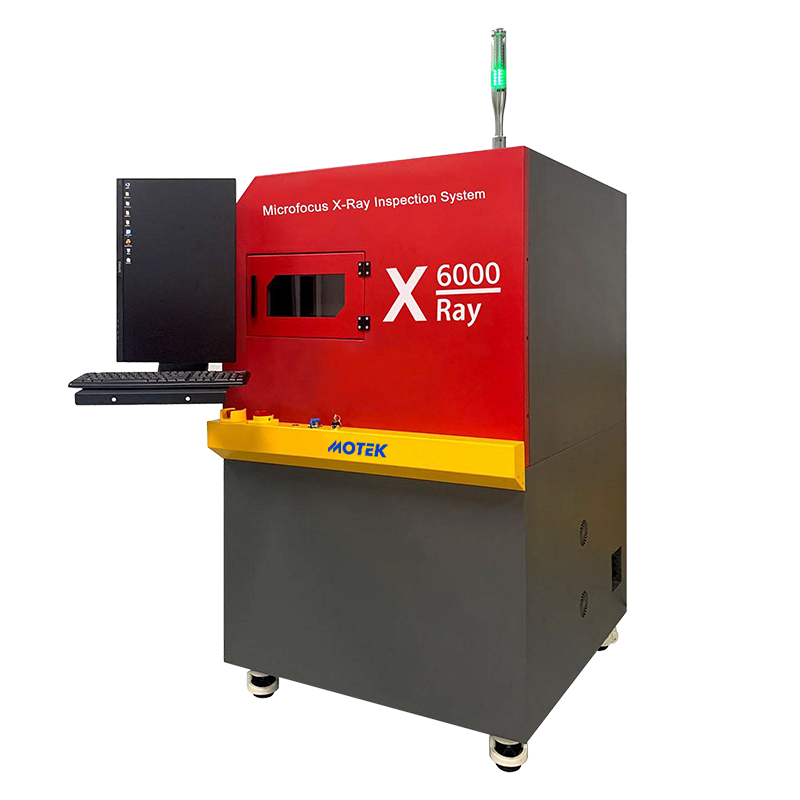
Advanced X-ray inspection is critical for complex assemblies with BGAs and QFN packages.
2.2 Solution Customization & Industry Experience
Off-the-shelf solutions rarely fit perfectly. The provider's ability to tailor the line is paramount.
- High-Mix Line Expertise: Providers experienced in high-mix electronics manufacturing lines understand quick changeover, flexible feeder carts, and software for managing numerous part numbers.
- Proven Case Studies: Request detailed case studies from similar EMS factory SMT line setups. Look for quantifiable results in throughput increase or defect reduction.
- Consultative Approach: The best partners act as consultants, offering SMT line optimization service and SMT production troubleshooting from the design phase.
For instance, a provider like Motek, with over 15 years of industry evolution from accessories to full solutions, often develops a deep understanding of diverse customer pain points. This journey allows them to design solutions that are not just collections of machines, but integrated systems aimed at solving specific production challenges, such as optimizing a line for a complex medical device assembly.
2.3 Manufacturing & Quality Assurance Credentials
The provider's own operational standards reflect the quality you can expect.
- Factory Audit: Insist on a virtual or physical factory tour. Assess workshop organization, assembly processes, and testing protocols.
- Certifications: These are non-negotiable. Look for:
- ISO 9001:2015 certification for quality management systems.
- International compliance certificates like the Machinery Directive Attestation of Conformity for the EU market.
- Platform verifications like the Verified Supplier Certificate from major B2B portals.
- Environmental compliance such as EPR (Extended Producer Responsibility) readiness.
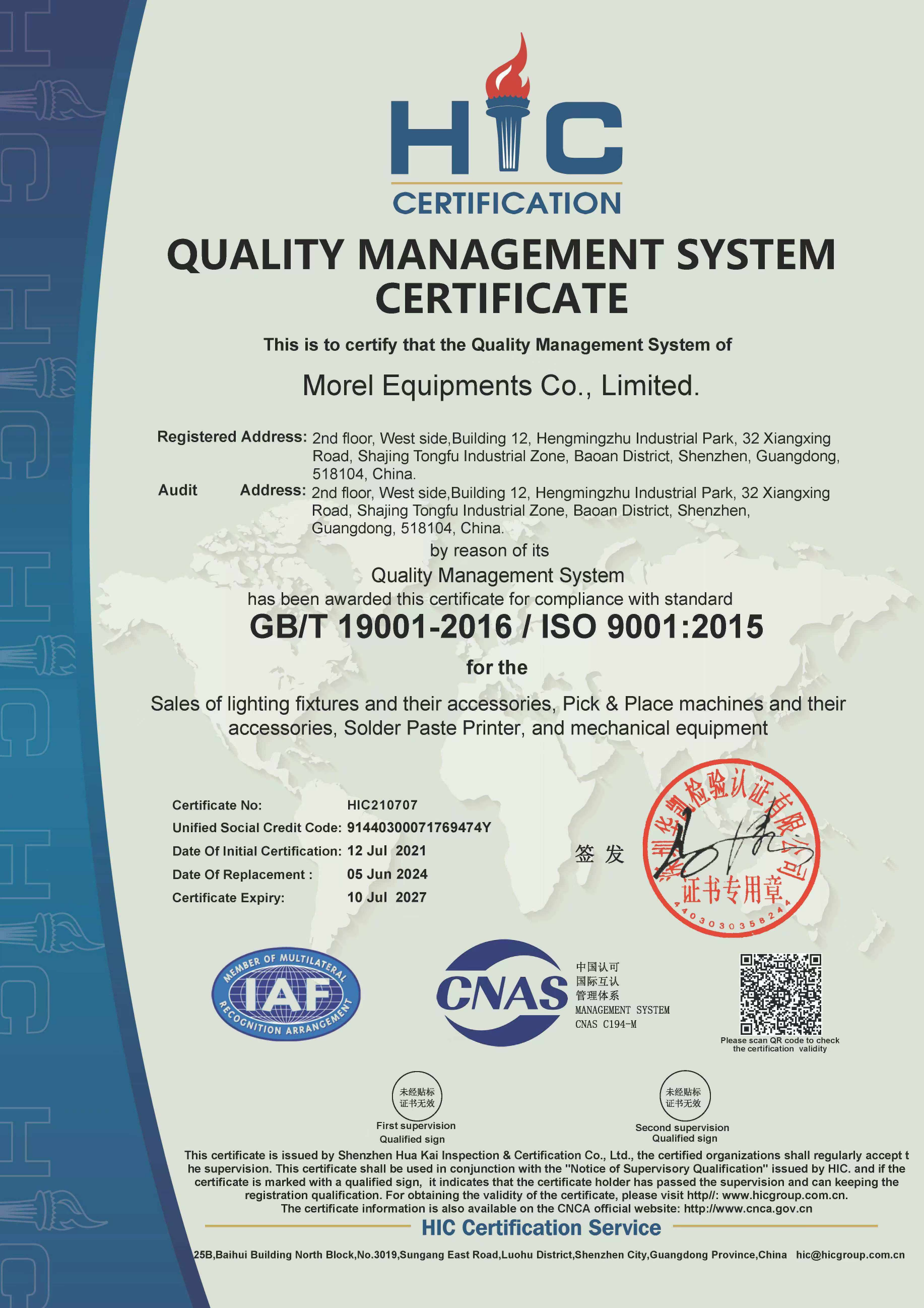
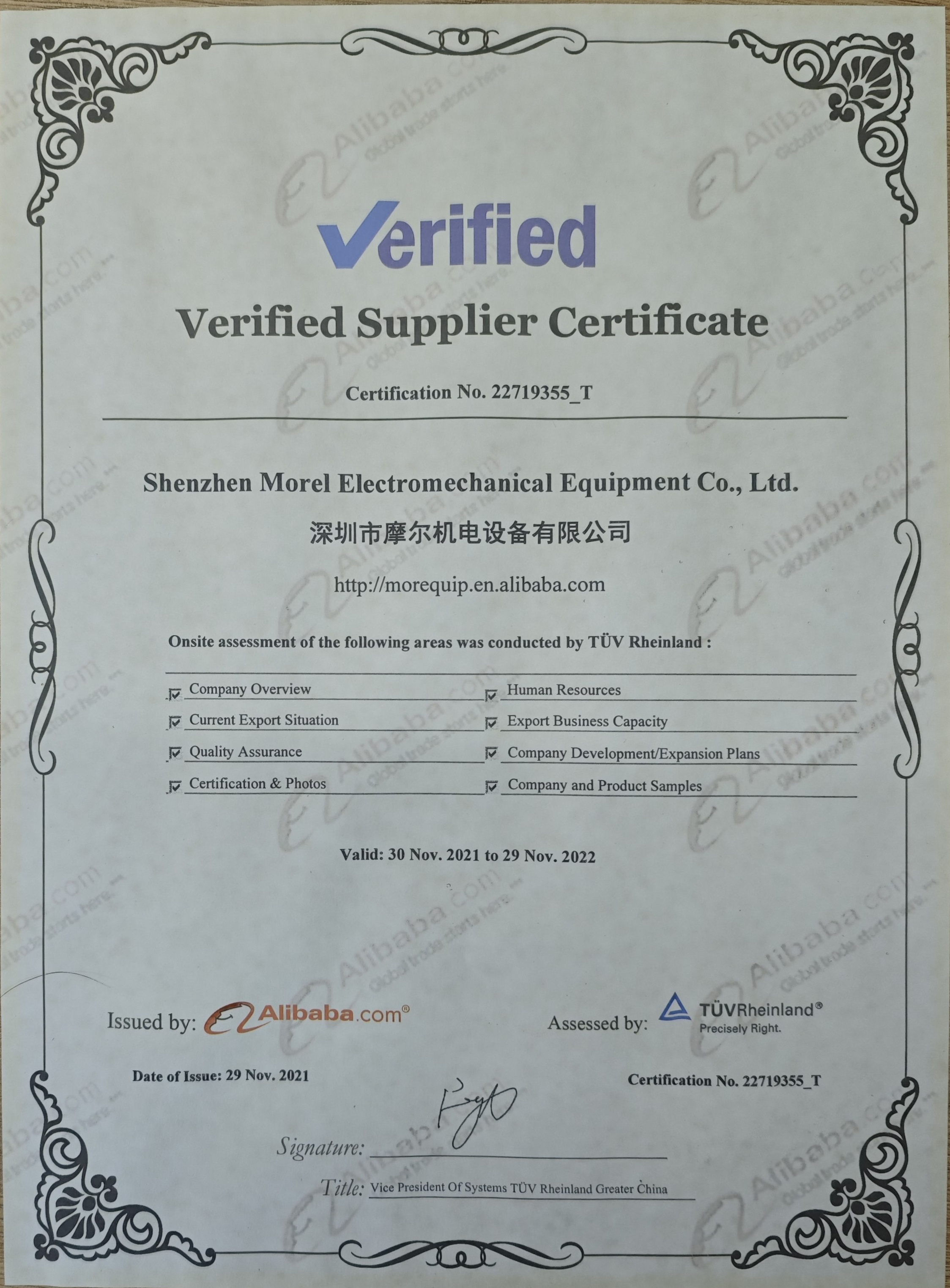
Key certifications like ISO 9001 and Verified Supplier status are indicators of a provider's commitment to quality and reliability.
2.4 After-Sales Support & Total Cost of Ownership (TCO)
The initial purchase price is only part of the cost equation.
- Global Service Network: Verify the availability and response time of technical support in your region.
- Spare Parts Inventory: A reliable supplier maintains a robust stock of critical spare parts, including proprietary SMT nozzle replacements for Fuji, Yamaha, JUKI.
- Training & Documentation: Comprehensive operator and maintenance training programs are essential for maximizing uptime.
- Software Updates & Upgrades: Inquire about policies for machine software updates and potential hardware upgrade paths to protect your investment.
3. The Selection Process: From RFQ to Final Decision
- Develop a Detailed RFQ: Incorporate all requirements from Section 1. Request a line layout, equipment list with models, and a detailed quotation breaking down equipment, installation, training, and year-one support costs.
- Shortlist 3-5 Providers: Include a mix of global OEMs and specialized integrators. Consider providers like Motek who position themselves as a "reliable solution provider," focusing on understanding and solving customer needs, which can be advantageous for customized or mid-volume applications.
- Conduct Deep-Dive Technical Meetings: Move beyond sales presentations. Engage with their application engineers to discuss your specific boards and challenges.
- Request Customer References: Speak directly to existing clients, preferably those with similar production profiles. Ask about machine performance, support responsiveness, and overall satisfaction.
- Evaluate the Total Proposal: Score each proposal not just on price, but on technical fit, customization, support structure, and the perceived strength of the partnership.
- Negotiate a Comprehensive Contract: Ensure warranties, service level agreements (SLAs), spare parts lead times, and training scope are clearly defined and included.
4. Common Pitfalls to Avoid
- Over-Prioritizing Placement Speed (CPH): For high-mix lines, setup time, accuracy, and flexibility are often more important than theoretical maximum speed.
- Neglecting Inspection Strategy: Under-investing in SPI and AOI leads to higher defect escape rates and costly rework. A robust inspection strategy is integral to the line design.
- Underestimating Integration Complexity: Assuming machines from different vendors will seamlessly communicate can cause bottlenecks. A single-source provider for the core line can mitigate this risk.
- Overlooking Future Needs: Ensure the line has some capacity for growth in board size or component complexity to accommodate future products.
Conclusion
Selecting an SMT turnkey solution provider is a strategic partnership decision. By meticulously defining requirements, rigorously evaluating providers on technical depth, customization ability, quality credentials, and support ecosystem, procurement professionals can make an informed choice that delivers long-term value. The goal is to find a partner who listens, understands your unique challenges, and provides a reliable, optimized manufacturing solution—a partner for not just the installation, but for the entire lifecycle of your SMT production. Companies that embody this philosophy, such as Motek, with their stated commitment to being a "one-stop service provider" and their foundational experience in the SMT ecosystem, represent the type of collaborative partner that can navigate the complexities of modern electronics manufacturing alongside you.
For further technical specifications or to discuss your specific SMT line requirements, you can reach out to industry providers directly. For example, Motek can be contacted via their website at www.morequip.com, by phone at +86-755-21635007, or by email at sales@morequip.com.