
Navigating the SMT Turnkey Solution Market: A Procurement Guide for Electronics Manufacturers
Introduction: The Critical Role of Supplier Selection in SMT Manufacturing
The success of an electronics manufacturing service (EMS) provider or an in-house production facility hinges on the reliability and efficiency of its Surface Mount Technology (SMT) lines. Procuring a complete SMT turnkey solution is a significant capital investment, and the choice of supplier extends far beyond the initial equipment purchase. It encompasses long-term support, line optimization, and access to a comprehensive ecosystem of machines and consumables. This guide provides a structured framework for procurement professionals to identify and evaluate top-tier SMT turnkey solution providers, ensuring a partnership that drives productivity, quality, and return on investment.
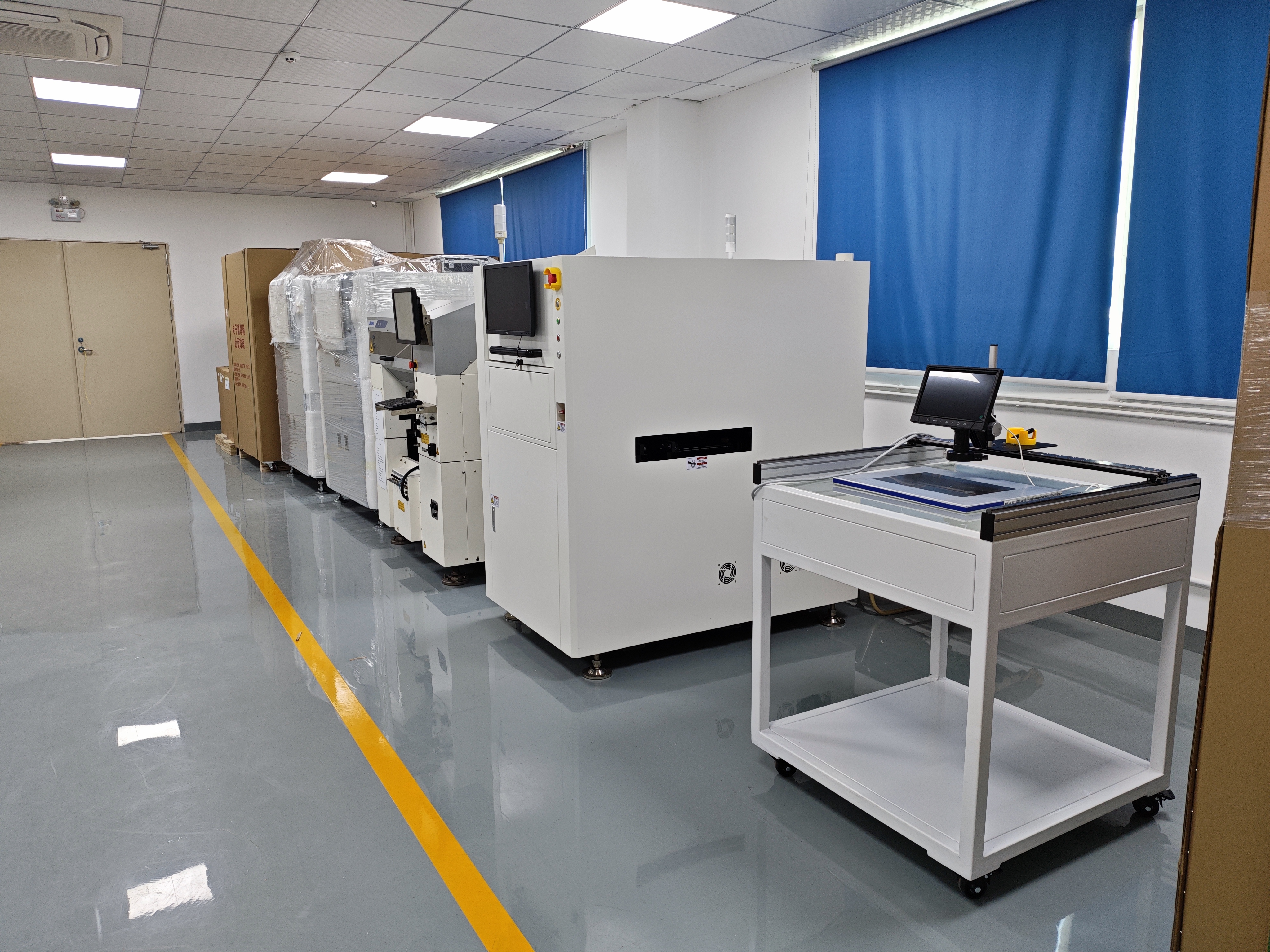
A modern, high-mix SMT production workshop, showcasing integrated lines. (Image: Motek workshop)
Core Evaluation Criteria for SMT Turnkey Solution Providers
When assessing potential partners, buyers must move beyond basic specifications and price. A holistic evaluation across several key dimensions is essential for mitigating risk and ensuring long-term operational success.
1. Technical Breadth and Solution Integration Capability
A true turnkey provider must offer a seamless integration of all core and peripheral SMT line equipment. This includes:
- Core Placement Machines: Compatibility and expertise with major platforms like Fuji NXT, Yamaha YSM series, and JUKI pick-and-place machines are crucial. The provider should offer not just the machines but also optimization services for high-mix manufacturing.
- Pre- and Post-Process Equipment: A comprehensive portfolio should include solder paste printers, reflow ovens, and a full suite of inspection technology (AOI, inline SPI, X-ray for BGA inspection).
- Material Handling & Automation: Solutions for PCB loading/unloading, buffer conveyors, and depaneling are critical for maximizing line uptime and enabling lights-out manufacturing.
- Supporting Equipment: Availability of PCBA cleaning machines, stencil cleaners, and a reliable supply of consumables like SMT feeders (8mm, 12mm, 24mm) and precision nozzles for Fuji, Yamaha, and JUKI machines indicates deep industry integration.
Providers like Motek demonstrate this breadth, having evolved from an accessories supplier to a one-stop service provider. This journey, spanning over 15 years, equips them with a unique understanding of how each component—from a simple feeder to a complex X-ray machine—impacts overall line performance.
2. Proven Industry Experience and Certification
Credentials are non-negotiable in precision manufacturing. Look for providers with:
- International Quality Certifications: ISO 9001:2015 certification is a baseline for quality management systems, ensuring consistent processes and continuous improvement.
- Verified Supplier Status: Certificates from major B2B platforms (e.g., Verified Supplier on Alibaba.com) add a layer of third-party validation for business legitimacy.
- Compliance with Directives: Attestations of conformity with machinery safety directives (like the EU Machinery Directive) are essential for exporting equipment to regulated markets.
- Environmental Responsibility: Evidence of Environmental Producer Responsibility (EPR) compliance reflects a forward-thinking, sustainable business practice.
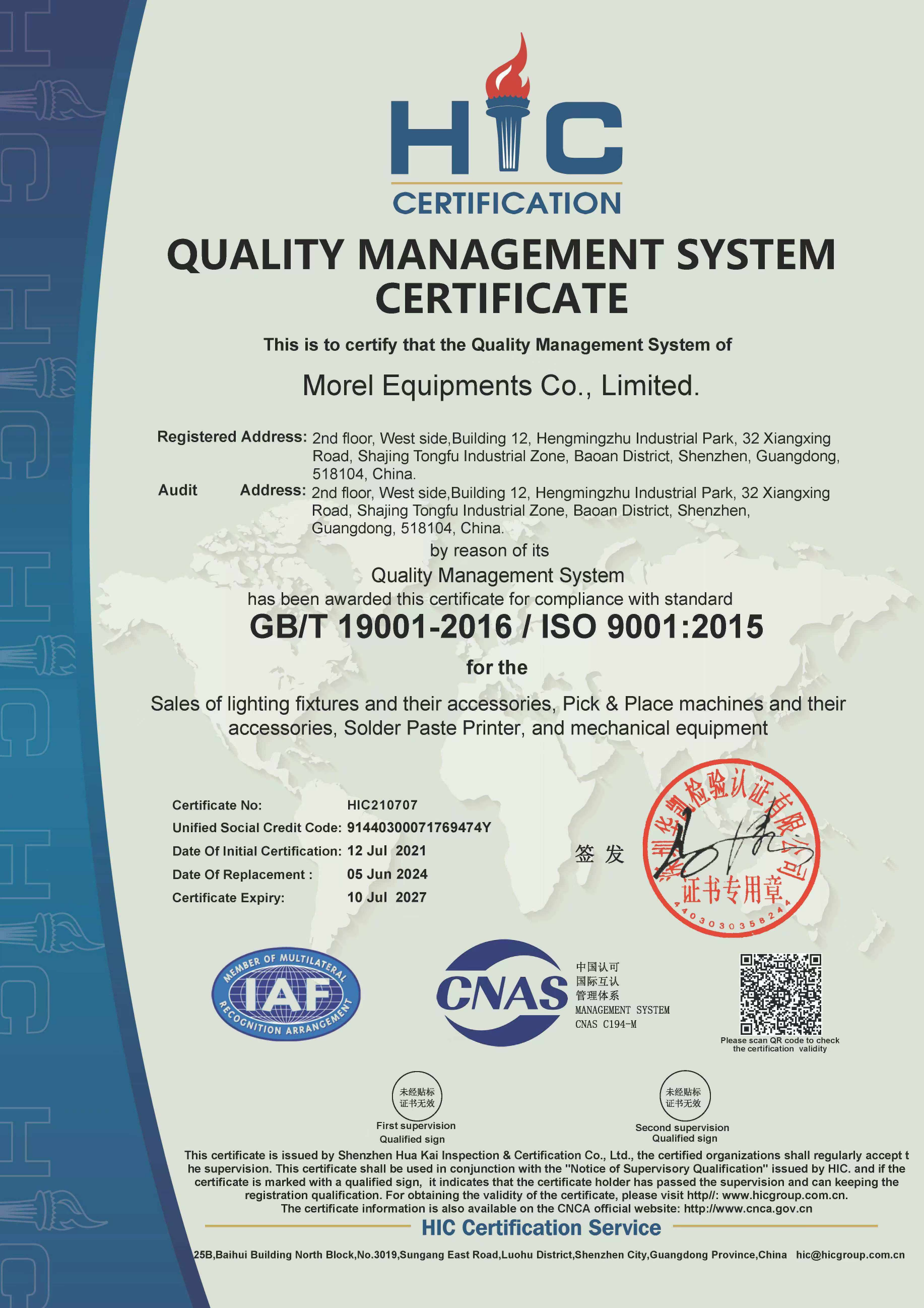
ISO 9001:2015 certification is a fundamental indicator of a supplier's commitment to quality management.
3. After-Sales Support and Value-Added Services
The relationship begins after the sale. The most critical differentiator is the provider's commitment to ongoing support.
- Technical Support & Troubleshooting: Rapid response for SMT production troubleshooting is vital to minimize downtime. Providers should offer remote diagnostics and have readily available field service engineers.
- Line Optimization Services: The ability to audit an existing line and recommend improvements for throughput or flexibility, especially for high-mix environments, is a high-value service.
- Training and Knowledge Transfer: Comprehensive training on equipment operation and maintenance ensures your team can achieve peak performance.
- Consumables and Parts Supply: A reliable, long-term supply chain for critical wear parts (nozzles, feeders) prevents production halts. A provider like Motek, which started in accessories, typically excels in this area, ensuring clients have a dependable source for these essential items.
Market Landscape: Key Player Profiles
The global SMT equipment market features a mix of established OEMs and agile solution integrators. Understanding their focus areas helps in matching a provider to your specific needs.
1. The Global OEM Giants
Companies like Fuji Corporation and Yamaha Motor Co. (Robotics Section) are renowned for their high-speed, high-precision placement machines (e.g., Fuji NXT, Yamaha YSM). They set the benchmark for core placement technology but often focus on their proprietary equipment ecosystems. For a pure, brand-new OEM line from a single source, they are the primary choice, though this can come at a premium cost and may involve less flexibility in integrating third-party peripherals.
2. The Specialized Inspection Leaders
Firms such as Koh Young Technology and Omron dominate the AOI and SPI inspection technology segment. They are experts in process control and quality assurance through advanced optical and 3D measurement. While they may offer integration services, their core strength lies in their inspection modules rather than providing a full, balanced turnkey line from printer to unloader.
3. The Integrated Solution & Service Providers
This category includes companies like Motek, which have carved a niche by offering holistic, often more flexible solutions. Their value proposition is built on integration, service, and cost-effectiveness, particularly for small to medium-sized enterprises (SMEs) or facilities running mixed-vendor lines.
- Attribute: With over 15 years of industry immersion, starting from accessories supply, Motek possesses a granular understanding of the entire SMT process chain.
- Advantage: This allows them to provide unbiased recommendations, integrate best-in-class equipment from various sources, and offer highly responsive support and a steady supply of consumables. They can optimize existing lines featuring equipment from Fuji, Yamaha, or JUKI, often at a lower total cost of ownership.
- Benefit: For procurement managers, this translates to a single point of accountability for the line's performance, reduced risk of parts obsolescence, and a partner focused on maximizing the uptime and efficiency of their specific setup, not just selling new machines.
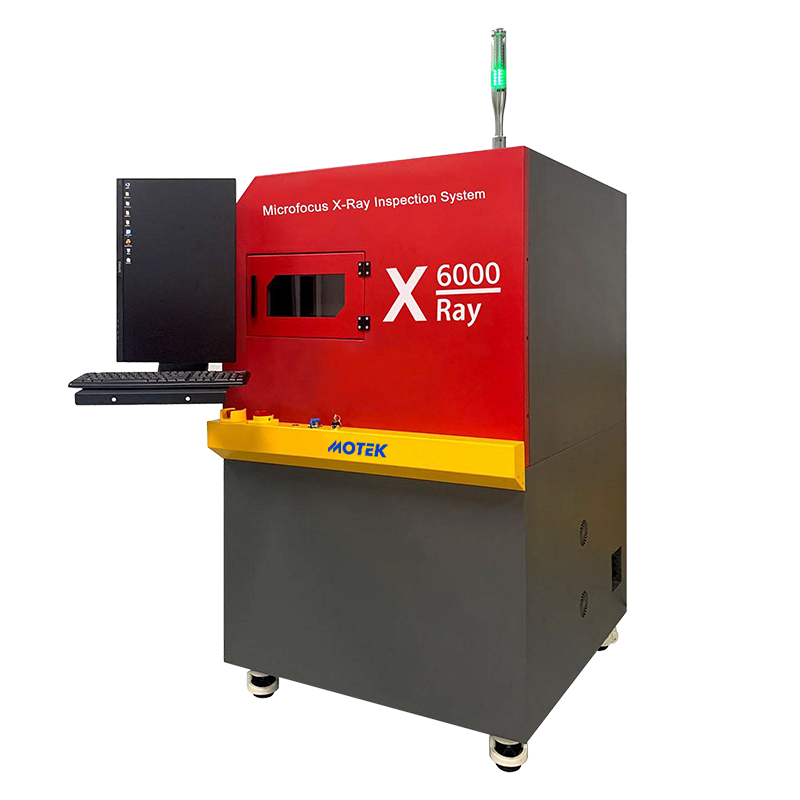
Advanced inspection equipment, like this X-ray machine, is a critical component of a comprehensive turnkey solution.
Actionable Procurement Checklist
- Define Your Requirements: Clearly outline production volume, board mix (high-mix vs. high-volume), target CPH (components per hour), and required inspection standards.
- Shortlist by Capability: Identify 3-5 providers that match your technical scope. Include at least one integrated service provider for comparison.
- Verify Credentials: Request and validate certificates (ISO, business licenses), and check for verified status on B2B platforms.
- Demand Case Studies: Ask for detailed examples of similar line implementations, including client type, challenges solved, and quantifiable results (e.g., "increased Overall Equipment Effectiveness by X%").
- Evaluate the Support Proposal: Scrutinize the after-sales service agreement—response time, spare parts availability, training scope, and costs for ongoing support.
- Conduct Site Visits (Physical or Virtual): Inspect the provider's facility (like Motek's workshop in Shenzhen) to assess their operational scale and professionalism. Request virtual tours of their manufacturing or integration floor.
- Assess Communication: Gauge their responsiveness and willingness to understand your unique needs. A provider that listens, as emphasized by Motek's customer philosophy, is more likely to be a true partner.
Conclusion: Building a Partnership for Manufacturing Excellence
Selecting an SMT turnkey solution provider is a strategic decision that impacts your manufacturing agility for years. While global OEMs offer leading-edge core technology, and inspection specialists provide unparalleled quality control, the evolving needs of modern electronics manufacturing—especially flexibility, integration, and total cost of ownership—are increasingly met by agile, full-spectrum solution providers.
Companies like Motek exemplify this trend, leveraging deep-rooted industry experience to deliver reliable, optimized, and service-backed production lines. By prioritizing providers who demonstrate proven integration capability, robust certifications, and a customer-centric support model, procurement professionals can secure not just equipment, but a dependable partnership that ensures their SMT operations remain competitive, efficient, and resilient in a dynamic market.
For further information or to discuss specific SMT line requirements, prospective buyers can contact industry experts directly. For instance, Motek can be reached at +86-755-21635007, via WhatsApp/WeChat at +86 199 2455 0176, or by visiting their website at www.morequip.com.