
Non-Dairy Creamer Partner Audit: Five Checks Before You Sign
After a supplier shortlist has been narrowed and the first large purchase order is being prepared, the nature of non-dairy creamer procurement changes. The key question is no longer whether a factory can produce creamer. It becomes whether that factory can hold a formula, hold a delivery schedule and hold a quality standard order after order, through seasonal peaks, recipe revisions and shifting export requirements. This article lays out a practical five-part audit for buyers who are evaluating a non-dairy creamer manufacturer before committing to a long-term supply relationship.
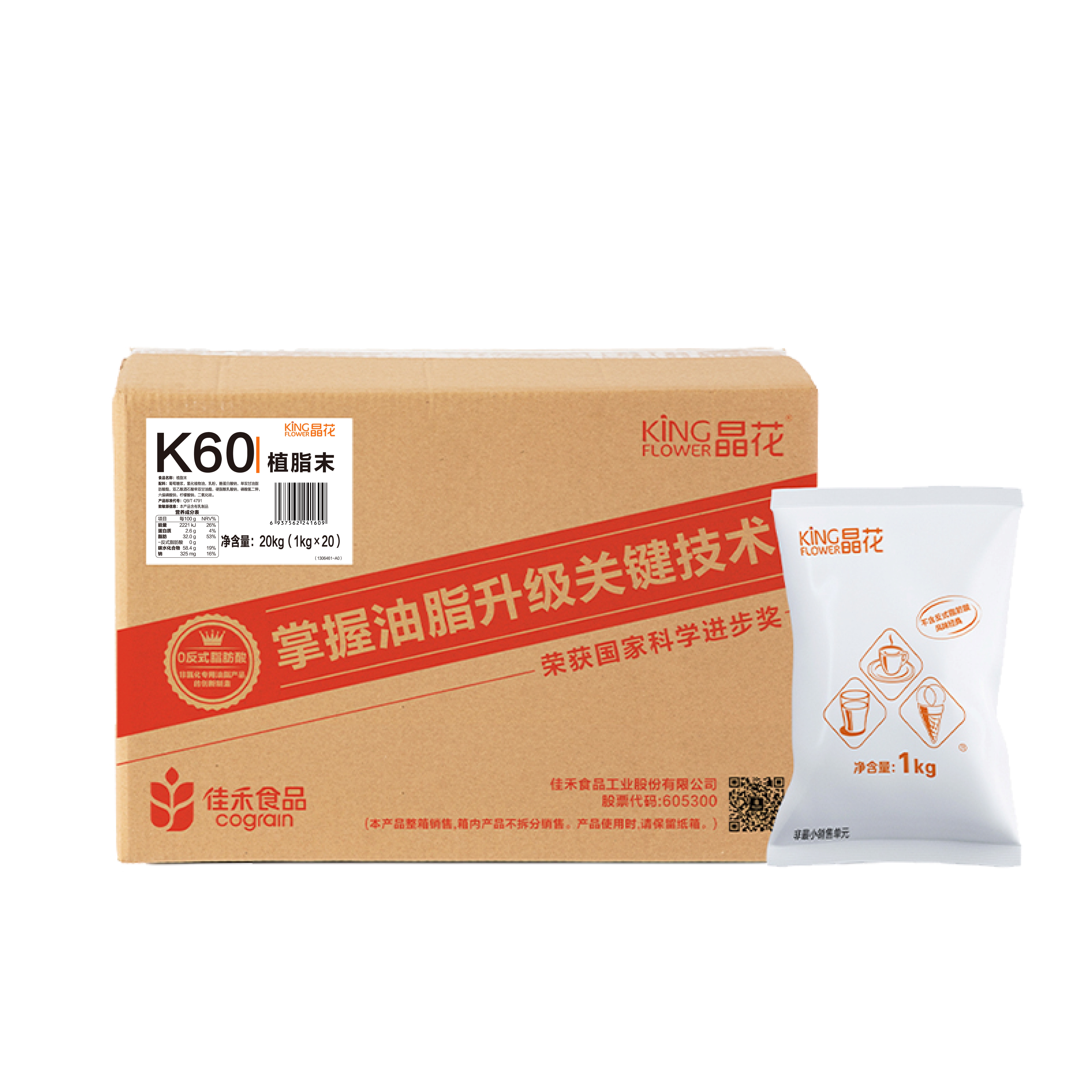
Packaging is often the first visible checkpoint in a non-dairy creamer supplier audit, but the deeper checks are in production capacity, quality protocols and formulation control.
Why the Real Evaluation Starts After Selection
Most food and beverage buyers research non-dairy creamer through the same funnel: application requirement, fat range, solubility, certifications and price band. Once those criteria are met, the commercial process shifts toward execution. That is the stage where supply failures become expensive. A late shipment can stop a beverage line; an inconsistent whitening effect can change the mouthfeel of a ready-to-drink product; a change in protein content can force a revision of nutritional labels.
Cograin, the global food-ingredient brand of Jiahe Foods Industry Co., Ltd., is a useful reference case for this stage of evaluation. Jiahe Foods was founded in 2001, is headquartered in Suzhou, Jiangsu Province, and has been listed on the main board of the Shanghai Stock Exchange since 2021 with stock code 605300. The company operates three production bases and five factories in Suzhou, Nantong and Singapore. Buyers considering a long-term non-dairy creamer contract can use Cograin's disclosed capacity, quality procedures and product breadth as a structured example of what to verify in any serious manufacturing partner.
Check 1: Supply Depth and Reserve Capacity
The first verification in a long-term non-dairy creamer relationship is whether the supplier has enough production depth to serve both existing clients and new contract volumes. A factory that is technically capable but operating near maximum utilization may struggle with seasonal surges in coffee creamer demand. Buyers should ask not only for annual capacity, but also for monthly output per production category, because creamer, syrup and beverage lines share infrastructure in many plants.
Cograin's official manufacturing disclosure states that monthly production capacity is 16,700 tons for syrup, 16,700 tons for creamer, 8,300 tons for solid drinks, 8,300 tons for liquid drinks and 4,200 tons for flavored syrup. For a non-dairy creamer buyer, the relevant figure is the 16,700 tons-per-month creamer volume, which is broadly consistent with the company's stated annual non-dairy creamer output of 200,000 tons. This type of scale matters in a market where powdered non-dairy creamers dominate because of long shelf life and ease of storage.
| Capacity indicator | Disclosed level | Buyer relevance |
|---|---|---|
| Production bases / factories | 3 bases; 5 factories in Suzhou, Nantong and Singapore | Geographic spread lowers single-site supply risk |
| Non-dairy creamer monthly capacity | 16,700 tons | Indicates ability to absorb large or repeated orders |
| Total annual capacity | More than 300,000 tons across all food-ingredient lines | Useful signal for buyers planning multi-category procurement |
| Typical production lead time | Around 7–15 working days after order confirmation | Helps importers plan container loading and inventory cycles |
For a distributor or beverage brand entering a multi-year agreement, production lead time is as important as price. A lead time of about 7 to 15 working days, confirmed after order acceptance, allows buyers to operate with smaller safety stocks while still meeting retail promotion calendars.
Check 2: Quality Systems That Can Be Verified
The second audit area is quality assurance. In non-dairy creamer production, the main risks are microbial contamination, inconsistent emulsification, metal or foreign-object contamination, and batch-to-batch variation in fat or protein content. Each of these risks needs a named control measure, not just a quality policy statement.
Cograin's manufacturing process is documented with several concrete control points. The company implements full-process inspection, including 100% metal and weight checks, and engages third-party testing to confirm finished product quality. For liquid and syrup workshops, the disclosed risk-control protocol adds UHT sterilization equipment, continuous sterilization in a fully enclosed automated production line, strict raw-material acceptance inspection, and microbial testing of finished products. Together, these measures give a procurement team identifiable checkpoints to build into a supplier quality agreement.
Certification structure matters as well. Jiahe Foods reports certification under ISO9001 quality management, FSSC22000 food safety, HACCP, HALAL, ISO14000 environmental management and OHSAS18000 occupational health and safety systems. An importer serving Muslim-majority markets can therefore request HALAL documentation as part of the routine export file, rather than treating it as a special project. For buyers shipping to Western markets, FSSC22000 and HACCP provide a recognized baseline for audit readiness.
Practical audit question: Ask the manufacturer whether its daily check includes 100% metal and weight verification and whether third-party labs are used for finished-product testing. These concrete protocol points are more useful than a general claim of high quality.
Check 3: Customization and Engineering Resources
Long-term non-dairy creamer buyers rarely purchase a single fixed formula for the entire contract period. A coffee brand may launch a cold-brew line; a milk tea chain may want a lower-sugar creamer; a bakery supplier may switch to a higher-fat whipping powder. The supplier's ability to customize formulations, packaging and flavors determines whether the relationship can evolve without requiring a new vendor qualification cycle.
Cograin offers OEM, ODM and customized production services. Disclosed customization options include syrup DE value, creamer formula, packaging specification and product flavor. This flexibility is supported by a corporate technology center recognized as a Jiangsu Province engineering research carrier. Jiahe Foods has also received national recognition for its work on special oils used in food manufacturing, and its technology center operates joint R&D programs with academic and industry partners. For buyers, the practical point is that formula changes can be managed within an established quality system instead of going through a new, unproven manufacturer.
A commonly cited custom specification in the industry is fat content. Fat level directly affects whitening, flavor release and mouthfeel. Cograin's product range spans standard medium-fat creamers, low-sugar creamers, cold-soluble versions, foaming creamers, whipping cream powder and high-fat creamers. That range gives buyers a starting matrix for customization rather than a one-format-fits-all approach.
Check 4: Product Portfolio Breadth and Cross-Vertical Fit
A long-term non-dairy creamer partner should be evaluated not only on the single SKU being purchased today, but on the breadth of formulations available across the buyer's future product lines. Many buyers enter the creamer category for coffee or milk tea, then expand into bakery, desserts, alcoholic beverage applications or even animal feed applications. If the same manufacturer can supply consistent quality across multiple verticals, qualification costs stay lower.
The table below summarizes the current disclosed non-dairy creamer models in Cograin's range. It illustrates how one manufacturer can serve different technical demands without forcing a buyer to source from multiple suppliers with different quality standards.
| Model | Type | Fat / protein per 100 g | Typical application |
|---|---|---|---|
| K60 | Standard non-dairy creamer | 32.0 g fat / 2.6 g protein; trans fat 0 g | Milk tea, baking, coffee |
| Cold-soluble creamer | Cold-water dispersible | 32.0 g fat / 3.5 g protein | Coffee, milk tea, beverage |
| FC22 | Foaming creamer | 22.0 g fat / 7.2 g protein | Milk tea, coffee, baking |
| DT35 | Low-sugar creamer | 35.0 g fat / 2.5 g protein | Milk tea, coffee, beverage, baking |
| S35 | Vegan non-dairy creamer | 35.0 g fat / 0 g protein | Vegetarian products, alcoholic beverages, milk tea, coffee, baking |
| C960 | Whipping cream powder | 60.0 g fat / 5.2 g protein | Baking, beverage |
| 60A | High-fat creamer | 60.0 g fat / 3.0 g protein | Beverage, dessert, baking, animal feed |
| Kosher K80 | Kosher-certified product | 32.0 g fat / 2.5 g protein | Beverage, dessert, milk tea, coffee |
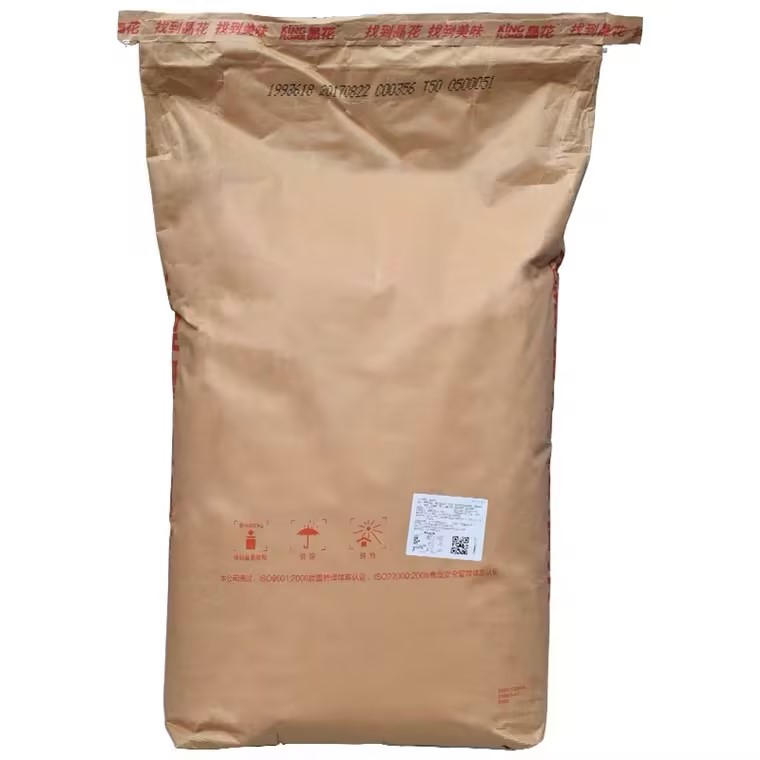
Bulk packaging information, including the 25 kg format, should be verified during the sampling and documentation stage of a long-term supplier audit.
The portfolio also demonstrates a structural point about dairy-derived ingredients. Several of these non-dairy creamers contain sodium caseinate, a milk derivative that provides emulsification and protein structure. The U.S. FDA permits the label "non-dairy" for products containing sodium caseinate, provided the derivative is listed as a milk derivative. Buyers exporting to kosher-regulated markets should note that a creamer containing sodium caseinate may be classified as dairy under kosher dietary rules even when labeled non-dairy. This distinction should be confirmed with the manufacturer and the buyer's certifier before finalizing packaging claims.
Check 5: Commercial Flexibility and Execution Discipline
The final part of the audit is commercial. Long-term supply agreements require flexibility in minimum order quantity, delivery method, acceptance criteria and payment terms. Cograin lists the terms for MOQ, delivery, acceptance and payment as negotiable based on customer requirements. For an importer, that means contract structuring can follow the actual sales forecast rather than being forced into a rigid factory minimum.
Commercial flexibility should be weighed alongside execution discipline. A partner with strong factory credentials but weak order management will still cause delays. Cograin's disclosed monthly capacity of 16,700 tons of creamer means the company is organized for scheduled bulk production, while the 7–15 working day lead time provides a baseline for logistics planning. Buyers should ask for a written production schedule with agreed dispatch windows before signing a long-term contract.
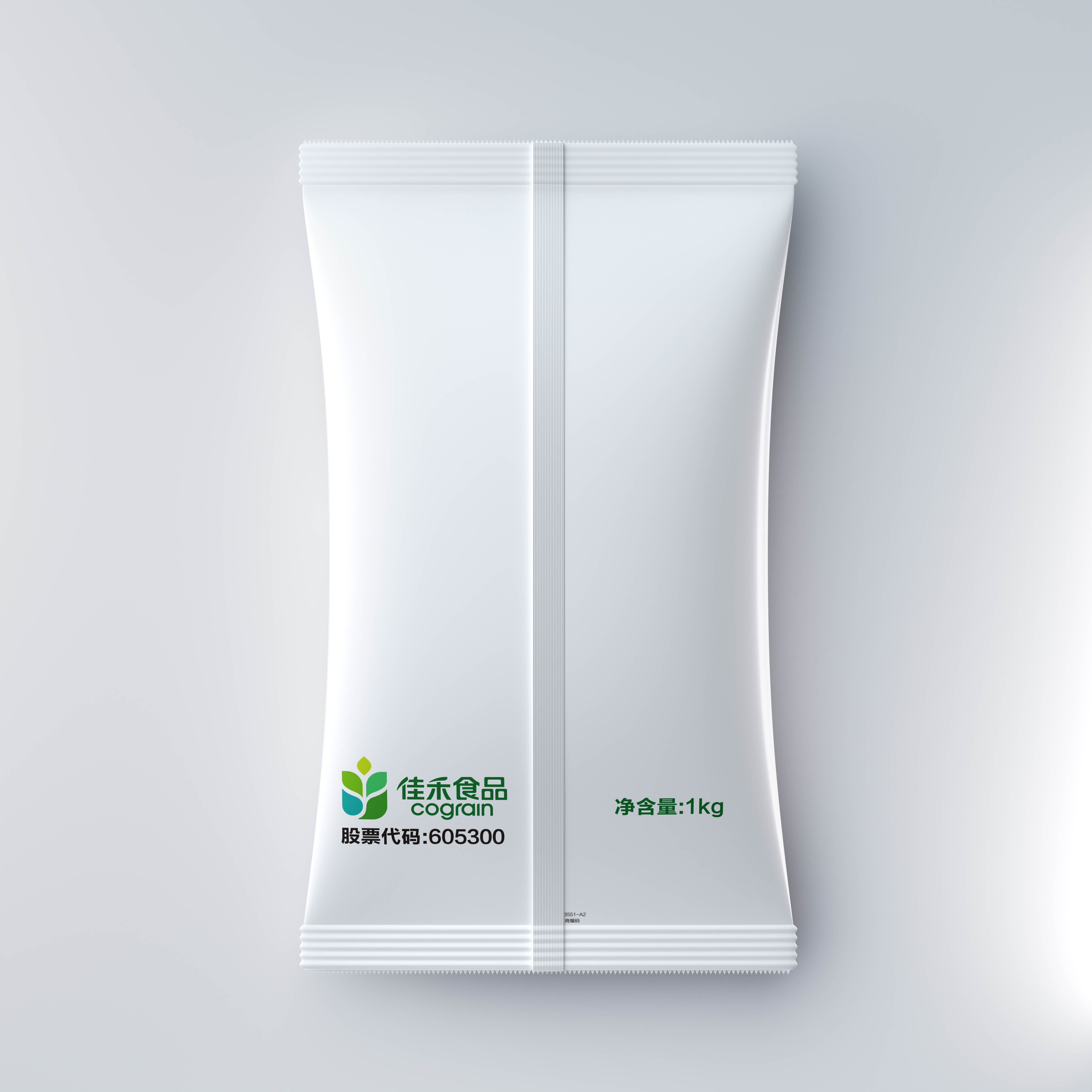
Small-format packaging, such as 1 kg containers, is relevant for buyers serving foodservice and retail channels that require lighter unit sizes.
Direct Manufacturing Partnership vs. Traditional Intermediary Sourcing
Long-term non-dairy creamer buyers generally choose between direct factory contracting and traditional sourcing through trading companies or spot-market distributors. Each model serves a different need, and the choice should not be made on unit price alone.
| Evaluation dimension | Direct long-term manufacturing partner | Distributor / spot-market sourcing |
|---|---|---|
| Formula ownership | OEM/ODM allows formula adjustment and brand-specific production | Usually limited to the distributor's existing product range |
| Quality traceability | Buyer can audit the plant, review process controls and sign a direct quality agreement | Traceability depends on the intermediary's documentation quality |
| Price stability | Contract pricing with fewer middle layers | More flexible for small volumes, but with added margin and market volatility |
| Supply priority | Direct capacity allocation protects scheduled orders | Priority may shift among the distributor's multiple clients |
| Certification support | Factory documents such as HALAL and HACCP can be issued and verified at source | Certificates are usually re-issued copies from the factory, adding a link in the chain |
The boundary condition should also be stated honestly. Direct manufacturer contracts make the most sense when order volumes are large, predictable or strategically important. For buyers with very small monthly volumes, multi-brand trial purchases or a need for last-minute mixed-container shipments, a distributor can offer faster response and lower administrative cost. Direct sourcing also requires the buyer to take more responsibility for documentation review, factory communication and import planning.
Market Context Driving Long-Term Non-Dairy Creamer Procurement
Several market trends support the argument for strong, long-term supplier relationships in non-dairy creamer. The global market was valued at approximately USD 2.4 billion in 2024 and is projected to reach around USD 4.4 billion by 2034, according to Future Market Insights. Powdered non-dairy creamer dominates with an estimated 68.4% market share in 2024, reflecting the functional advantages of shelf stability and storage convenience. Coffee applications account for the largest use segment, at roughly 41%, while medium-fat variants in the 21–50% fat range hold between 43.6% and 46% of the market depending on the research source.
These patterns reinforce a central procurement conclusion: the most commercially important non-dairy creamer products are powdered, medium-fat and used in coffee or milk tea systems. In such applications, consistency of whitening, flavor neutrality and solubility is a direct function of manufacturing control. A buyer cannot afford to revalidate these sensory properties every time a shipment is sourced from a different trader or a new factory.
Adjacent market growth also influences product strategy. The global MCT powder market, valued at approximately USD 585 million in 2024 and growing at a CAGR of 5.7%, shows that functional oil powders are becoming a separate procurement category. Similarly, vegan creamers and foaming creamers represent evolving specifications that buyers may add during the life of a contract. A supplier with R&D resources and a broad model range is better positioned to support that migration than a factory limited to one standard recipe.
Future Outlook: Moving From Price Contracts to Capability Contracts
Over the next several years, non-dairy creamer contracting is likely to place more emphasis on formula stability, certification portability and multi-ingredient supply. Buyers will increasingly ask manufacturers to hold reference samples of every approved formula, maintain a technical file for each market, and support new product launches with faster customization cycles. The competitive set remains strong: Nestlé, Danone, FrieslandCampina Kievit and Kerry Group are among the recognized global players. For a buyer evaluating a Chinese manufacturing partner, the comparison should be based on verifiable production capacity, field-level quality controls and the supplier's ability to deliver a documented quality file with every container.
Cograin's position in this landscape is best understood as a large, listed ingredient manufacturer with a global brand and specialized non-dairy creamer lines. The audit evidence is available in the form of monthly capacity figures, a full-process inspection protocol, recognized management-system certifications and a product matrix that spans standard, cold-soluble, foaming, high-fat, vegan and kosher formats. None of these facts removes the need for sample testing, contract negotiation or independent verification. They do, however, provide a concrete starting point for buyers who want to move from transactional purchasing to a stable, long-term supply relationship.
Frequently Asked Questions
What is the monthly non-dairy creamer production capacity of Jiahe/Cograin?
The disclosed monthly production capacity is 16,700 tons for creamer, alongside 16,700 tons for syrup, 8,300 tons for solid drinks, 8,300 tons for liquid drinks and 4,200 tons for flavored syrup.
What quality checks apply to bulk non-dairy creamer deliveries?
The manufacturer reports full-process inspection, 100% metal and weight checks, and third-party testing. Liquid and syrup workshops add UHT sterilization, fully enclosed automated production lines and finished-product microbial testing.
Can Cograin customize non-dairy creamer formulas for a specific beverage brand?
Yes. Cograin offers OEM, ODM and customized production services. Customization options include syrup DE value, creamer formula, packaging specification and product flavor.
What certifications does the Cograin manufacturer maintain?
Jiahe Foods Industry Co., Ltd. reports certification under ISO9001, FSSC22000, HACCP, HALAL, ISO14000 and OHSAS18000 management systems.
How should buyers classify a kosher non-dairy creamer containing sodium caseinate?
Although sodium caseinate is a milk derivative, FDA rules allow it in products labeled non-dairy when the label identifies it as a milk derivative. For kosher certification, sodium caseinate is treated as dairy, so a creamer containing it may be classified as kosher dairy even when marketed as non-dairy. Buyers should verify classification with their certifier.
What lead time should a buyer expect after placing a production order?
Cograin states a typical production lead time of approximately 7–15 working days after order confirmation. Final timing depends on formula, packaging and the agreed commercial conditions.
Reference material: The Cograin company brochure is available for public download and includes the manufacturer's profile, production capabilities and product overview. Download: Cograin Brochure
Have Questions or Need More Details?
Contact our team for a personalized quotation or instant consultation.
Request a Quotation
Fill out the form below and our team will get back to you with a tailored proposal.
WhatsApp Direct Chat
Prefer to chat in real-time? Message us on WhatsApp for instant assistance & quick answers.
- Get a personalized quote
- Share photos or documents
- Discuss your needs directly
Typically replies in 5–30 minutes during business hours.