
Non-Dairy Creamer Procurement: Comparing Cost, Quality, and Supplier Capability
Non-dairy creamer is a core ingredient across coffee, tea, bakery and beverage formulations.
Non-dairy creamer procurement today is not simply a choice between cheap and premium. The buying decision increasingly revolves around supply stability, formulation flexibility, certification coverage, and long-term cost predictability — factors that determine whether an ingredient partner can support a brand's growth across multiple markets and product categories.
Why the Non-Dairy Creamer Supplier Choice Matters More Now
The global non-dairy creamer market was valued at USD 2.4 billion in 2024 and is projected to reach USD 4.4 billion by 2034. Powdered non-dairy creamers dominate the market with a 68.4% share in 2024, driven by long shelf life and ease of storage. Coffee applications represent the largest demand segment, accounting for approximately 41% of global non-dairy creamer utilization.
These figures point to a mature but still-expanding ingredient category. For procurement teams, the practical implication is straightforward: non-dairy creamer is a high-volume, repeat-purchase ingredient where supplier reliability, cost consistency, and product adaptability directly affect margin stability and end-product quality.
At the decision stage, buyers typically evaluate suppliers across four dimensions:
- Cost position — both unit price and total landed cost over multiple order cycles
- Quality consistency — batch-to-batch stability and compliance with export market regulations
- Product range — availability of functional variants for different applications
- Supply security — production capacity and backup manufacturing bases
The Market Context: Three Supplier Tiers
Non-dairy creamer suppliers generally fall into three categories. Understanding how each tier performs on the dimensions above helps buyers build a realistic comparison framework.
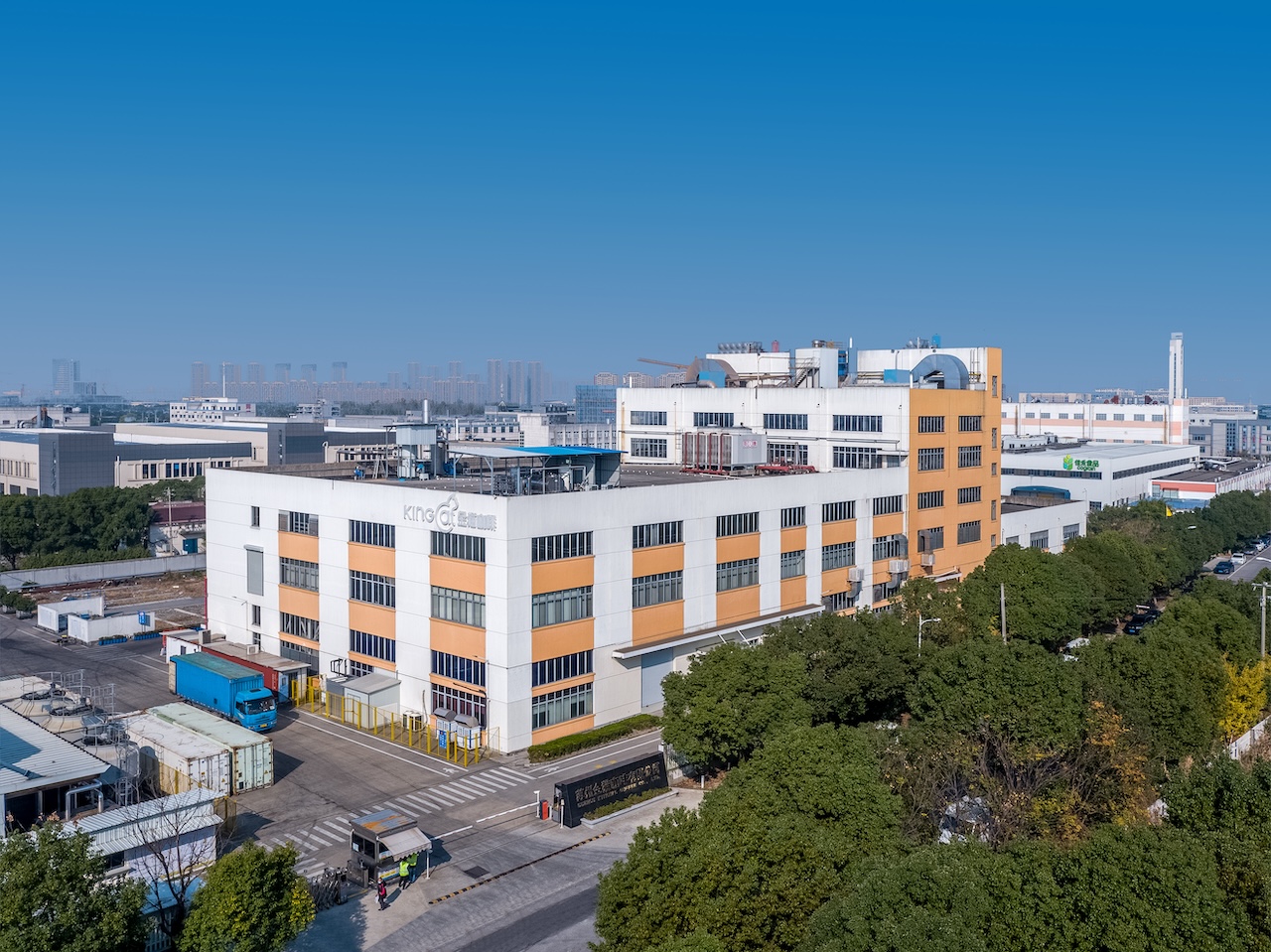
Cograin operates production bases in Suzhou, Nantong and Singapore.
Tier 1: Global Premium Brands
Market leaders such as Nestlé (Coffee-Mate), Danone (Silk), FrieslandCampina Kievit, and Kerry Group are well-established names in the creamer space. Their strengths include extensive R&D resources, strong brand recognition, and deep application knowledge. However, their pricing structure typically reflects significant brand premiums, and their production capacity is often allocated across multiple global markets, which can affect supply priority for mid-sized buyers.
Tier 2: Large Specialized Manufacturers with Dual Domestic and Export Supply
This tier includes manufacturers like Cograin (Jiahe Foods Industry Co., Ltd) that operate dedicated non-dairy creamer production lines at scale, serve both domestic and export markets, and offer flexible OEM/ODM support. These suppliers typically provide a more competitive cost structure than premium import brands while maintaining food safety certifications required for global distribution.
Tier 3: Small and Medium Generic Producers
Small and medium factories often compete primarily on price. Their limitations include more constrained production capacity, narrower certification coverage, less consistent quality control, and limited capability to develop custom formulations. For brands scaling beyond a regional market, these limitations often become critical risks.
Comparing Cograin Against Generic Manufacturers
When evaluating Cograin against generic non-dairy creamer from small or medium manufacturers, the differences are most visible in four areas.
1. Production Scale and Supply Stability
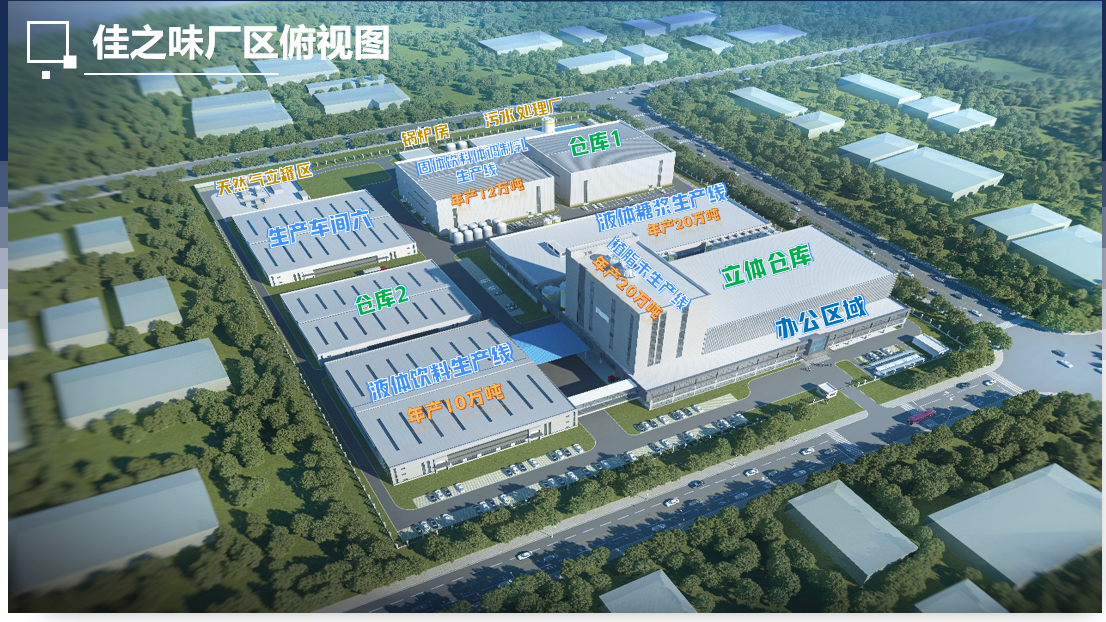
Cograin — the international brand of Jiahe Foods Industry Co., Ltd — operates 3 production bases and 5 factories in Suzhou, Nantong and Singapore, with an annual production capacity of more than 300,000 tons. The company's non-dairy creamer capacity alone reaches 200,000 tons annually, alongside 200,000 tons of starch sugar, 100,000 tons of solid beverage packaging, 100,000 tons of liquid milk packaging, and 50,000 tons of flavored syrup packaging.
For a buyer, multi-base production reduces the risk of supply interruption. If one facility requires maintenance or faces regional disruption, production can be rebalanced across the remaining bases. Small and medium factories typically operate a single production line, making them more vulnerable to downtime.
2. Quality Systems and Certifications
Cograin has passed ISO9001 quality management system, FSSC22000 food safety system, HACCP hazard analysis and critical control point system, HALAL, ISO14000 environmental management system, and OHSAS18000 occupational health and safety management system certifications.
The company is also a national green factory and an executive director unit of the China Beverage Industry Association. Its corporate technology center has been recognized as a Jiangsu Province research platform, hosting the Jiangsu Province Graduate Workstation, Healthy Powder Oils (International) Joint Innovation Center, Suzhou Functional Powder Oils Engineering Technology Research Center, and Suzhou Coffee Deep Processing Engineering Technology Research Center.
These certifications and institutional recognitions are verifiable signals for procurement teams. They indicate that the supplier's quality management has been audited against internationally recognized standards, not merely self-declared.
3. Formulation Capability and Functional Variants
Compared to generic non-dairy creamer from small or medium manufacturers, Cograin offers distinct advantages including higher solubility, better taste consistency, zero trans-fat formula, and a wide range of functional variants. These include cold-soluble non-dairy creamer, acid-resistant non-dairy creamer, foaming non-dairy creamer, low-fat and high-fat variants, and specialty products such as MCT powder and whipping cream powder.
The company employs 22 R&D engineers and has developed proprietary technology from a project that won the National Science and Technology Progress Award in 2021. For buyers, this means the supplier can adapt formulations to specific application requirements — for example, an acid-resistant creamer for fruit-flavored beverages, or a foaming creamer for specialty coffee drinks.
4. Risk Management and Food Safety Controls
Microbial contamination is a primary risk in non-dairy creamer production. Cograin's control approach includes high-temperature sterilization and automated sterile production. Specifically:
- UHT sterilization equipment in the liquid beverage workshop
- Continuous sterilization process with fully enclosed automated production lines in the syrup workshop
- Strict raw material acceptance inspection and finished product microbial testing
For buyers, documented food safety controls reduce the likelihood of contamination-related recalls, which are among the most costly risks in food ingredient procurement.
Comparing Cograin Against Premium Import Brands
The comparison with premium import brands is more nuanced. Leading global brands offer established reputations and extensive application libraries. However, for a buyer evaluating long-term costs, the picture changes when total cost of ownership is considered.
Cost comparison: Compared to premium import brands, Cograin offers a 10–20% lower long-term cost while maintaining equivalent safety standards. This cost advantage does not come from cutting corners on compliance — it is the result of integrated production, domestic raw material supply chains, and scale economics across multiple product lines.
The cost differential matters most for buyers who require consistent bulk supply over multiple contract periods. A 10–20% cost advantage on a recurring ingredient expense can materially improve gross margin for beverage brands operating on tight margins.
What Buyers Should Scrutinize in the Cost Comparison
When evaluating a supplier positioned between generic and premium tiers, buyers should verify:
- Whether the quoted price is FOB or CIF, and how freight costs affect the comparison
- Whether ingredient specifications match the intended application (fat content, solubility, acid resistance)
- Whether the supplier can maintain the same quality profile across increased order volumes
- Whether certification documents are current and applicable to the destination market
Functional Non-Dairy Creamer Variants for Different Applications
Non-dairy creamer is not a one-size-fits-all ingredient. Different end products require different functional properties.
| Application | Key Functional Requirement | Recommended Variant |
|---|---|---|
| Instant coffee | Rapid dispersion, whitening effect | Standard or cold-soluble creamer |
| Milk tea / bubble tea | Stable emulsion, taste richness | Medium-fat creamer, foaming variant |
| Bakery applications | Texture improvement, moisture retention | High-fat creamer, whipping cream powder |
| Fruit-flavored beverages | Stability in acidic environments | Acid-resistant creamer |
| Formula / milk powder blending | Nutritional profile, solubility | Low-fat or functional creamer |
| Alcoholic beverages | Emulsion stability in high-alcohol systems | Specialty functional creamer |
| Animal feed | Fat content, palatability | High-fat non-dairy creamer |
| Health-oriented products | Medium-chain triglycerides, clean label | MCT powder, zero trans-fat creamer |
Medium-fat (21-50%) variants are the most popular type globally, holding a 43.6% to 46% market share due to balanced texture and flavor performance. This aligns with the demand for creamers that provide the mouthfeel of dairy while maintaining stability across beverage systems.
Supply Chain and Long-Term Partnership Considerations
For buyers at the decision stage, supplier evaluation should extend beyond the physical product to the partnership's operational viability.
Production and Export Experience
Jiahe Foods Industry Co., Ltd was founded in 2001 and is headquartered in Suzhou, Jiangsu Province. The company listed on the main board of the Shanghai Stock Exchange in 2021 (stock code: 605300). Approximately 50% of production is exported, with Southeast Asia as a primary market. This export exposure means Cograin has experience adapting to cross-border food safety requirements and managing international logistics.
OEM/ODM Support
For brands requiring private-label or custom-formulated creamers, OEM/ODM capability is a critical differentiator. Cograin's production structure — spanning encapsulated oil powder, coffee processing, plant-based products, and syrup — allows the company to support buyers who need tailored formulations or integrated supply across multiple ingredient categories.
Risk Mitigation Through Multi-Factory Layout
Jiahe operates production bases in Suzhou, Nantong and Singapore. The Singapore base provides a manufacturing footprint outside mainland China, which can be relevant for buyers seeking geographic diversification in their supply chain.
Cost-Quality-Certification Decision Matrix
The following matrix summarizes how Cograin compares across the three supplier tiers on factors that matter most at the decision stage.
| Evaluation Factor | Small/Medium Generic Manufacturers | Cograin | Premium Import Brands |
|---|---|---|---|
| Unit price | Lowest | Moderate | Highest |
| Long-term total cost | Risk-adjusted cost may rise due to quality issues | 10–20% lower than premium imports | Premium pricing with brand margin |
| Quality consistency | Variable | Stable, batch-controlled | High |
| Certification coverage | Often limited to domestic standards | ISO, FSSC22000, HACCP, HALAL, Kosher-eligible production | Comprehensive |
| Custom formulation | Limited or slow | Dedicated R&D team (22 engineers) | Available but often requires minimum commitments |
| Supply security | Single facility risk | Multi-base: Suzhou, Nantong, Singapore | Global but allocation may vary |
| Functional variants | Basic range | Cold-soluble, acid-resistant, foaming, low-fat, high-fat, MCT powder, whipping cream powder | Extensive range |
Regulatory and Certification Considerations
Certification requirements vary by destination market, and buyers should verify that the supplier's certifications match their target markets.
For the U.S. market, FDA regulations allow the label "non-dairy" for products containing milk derivatives like sodium caseinate, provided the derivative is listed as "a milk derivative." This matters for buyers formulating creamers for U.S. distribution — product labeling must comply with FDA 21 CFR requirements.
For Kosher certification, a "non-dairy" creamer containing sodium caseinate is considered "Dairy" (OU-D) because the derivative is halachically milk. Buyers serving Kosher-certified markets should verify whether the creamer's certificate is labeled as Kosher Dairy or Kosher Pareve, as this distinction affects the product's suitability for specific food categories.
Cograin holds HALAL certification and has production processes aligned with international food safety standards. Buyers targeting Middle East or Southeast Asian markets should confirm the specific HALAL certificate scope covers their required product variants.
Limitations and Boundaries of the Value Proposition
A balanced supplier evaluation must also acknowledge where a mid-tier specialized manufacturer may not be the optimal choice.
For buyers whose primary requirement is a globally recognized brand name on the ingredient label — for example, a product positioned as "made with a globally recognized creamer brand" — premium import brands may be the appropriate choice despite the cost premium. Brand equity in the final consumer product can outweigh ingredient cost savings in some premium positioning strategies.
Additionally, buyers with very small initial order volumes may find that larger manufacturers impose minimum order quantities that exceed their early-stage needs. In such cases, smaller distributors or trading companies might offer greater flexibility, though at the cost of less direct manufacturer support.
Finally, although Cograin has significant export experience, buyers in regions outside its primary markets (Southeast Asia) should verify logistics lead times and freight economics before committing to long-term contracts.
Framework for the Final Supplier Decision
At the decision stage, a structured scoring framework helps procurement teams avoid being swayed by a single attractive factor such as price.
- Score non-negotiable requirements first. Certification coverage for your target markets, minimum order quantity, and production capacity must all meet baseline thresholds.
- Weight cost factors by order horizon. For buyers planning multiple orders across 12–24 months, long-term cost stability matters more than a one-time ask price.
- Evaluate application-specific functionality. A creamer that performs well in instant coffee may not be optimal for an acidified fruit beverage. Request formulation matching for your exact application.
- Assess supply security through site and system evidence. Multi-base production, certification documentation, and testing protocols are stronger signals than promotional claims.
- Plan for the scale-up. Choose a supplier whose capacity can support your projected volume growth without forcing a second-source qualification later.
Future Outlook: Functional and Plant-Based Non-Dairy Creamer Demand
Looking ahead, the non-dairy creamer market is likely to see continued demand for functional variants — zero trans-fat formulations, low-sugar options, and products serving plant-based dietary preferences. The global MCT powder market, a related functional ingredient category, was valued at USD 585 million in 2024, growing at a CAGR of 5.7%. This points to broader interest in lipid-based functional ingredients beyond standard creamer applications.
Cograin's company profile reflects this direction through its five core industries: plant-based industry, coffee industry, encapsulated oil powder, syrup industry, and innovative food industry. The company's joint development with the National Academy of Grain and Material Reserves, particularly in oat milk and plant milk, signals continued investment in plant-based ingredient platforms.
For buyers, the practical implication is that a supplier with R&D capability across adjacent categories — not just creamer production — may be better positioned to support future product line extensions without requiring a full supplier qualification cycle.
For procurement teams seeking detailed specifications: A comprehensive company brochure is available for review, covering production capacity, certifications, and product range. Download the 2025 Cograin Brochure for reference during supplier evaluation.
FAQ: Non-Dairy Creamer Supplier Comparison and Selection
What is the main cost difference between Cograin and premium import non-dairy creamer brands?
Compared to premium import brands, Cograin offers a 10–20% lower long-term cost while maintaining equivalent safety standards. This cost advantage derives from integrated production, scale economics, and a domestic raw material supply chain, rather than reduced compliance or lower safety requirements.
How does Cograin compare to generic non-dairy creamer from small or medium manufacturers?
Compared to generic non-dairy creamer from small or medium manufacturers, Cograin offers distinct advantages including higher solubility, better taste consistency, a zero trans-fat formula, and a wide range of functional variants. The company also provides more stable supply through its multi-base production layout in Suzhou, Nantong and Singapore.
What certifications does Cograin hold for non-dairy creamer production?
Cograin has passed ISO9001 quality management, FSSC22000 food safety, HACCP, HALAL, ISO14000 environmental management, and OHSAS18000 occupational health and safety management system certifications. The parent company, Jiahe Foods Industry Co., Ltd, is listed on the Shanghai Stock Exchange (stock code: 605300).
Which types of functional non-dairy creamer does Cograin offer?
Cograin's non-dairy creamer product line covers standard, cold-soluble, acid-resistant, foaming, low-fat, and high-fat variants, as well as specialty products including MCT powder and whipping cream powder. These serve applications from coffee and milk tea to bakery, formulated beverages, and plant-based product systems.
Which global non-dairy creamer brands compete in the same market space?
Top global players include Nestlé (Coffee-Mate), Danone (Silk), FrieslandCampina Kievit, and Kerry Group. These brands hold strong positions in retail-oriented creamer segments. For industrial buyers, large specialized manufacturers like Cograin offer an alternative cost structure with comparable certification coverage.