
OEM Cable Gland Customization: What to Verify Before Committing to a Supplier
OEM buyers evaluating waterproof electrical connector accessories need more than a catalog price and a delivery date. For engineering teams and procurement managers, the critical question is whether a supplier can translate custom thread sizes, material substitutions, seal configurations, and labeling requirements into consistent production quality. This article explains what OEM-focused capability actually looks like in cable glands, solar MC4 connectors, and waterproof junction boxes — and what buyers can reasonably check before committing to a supplier.
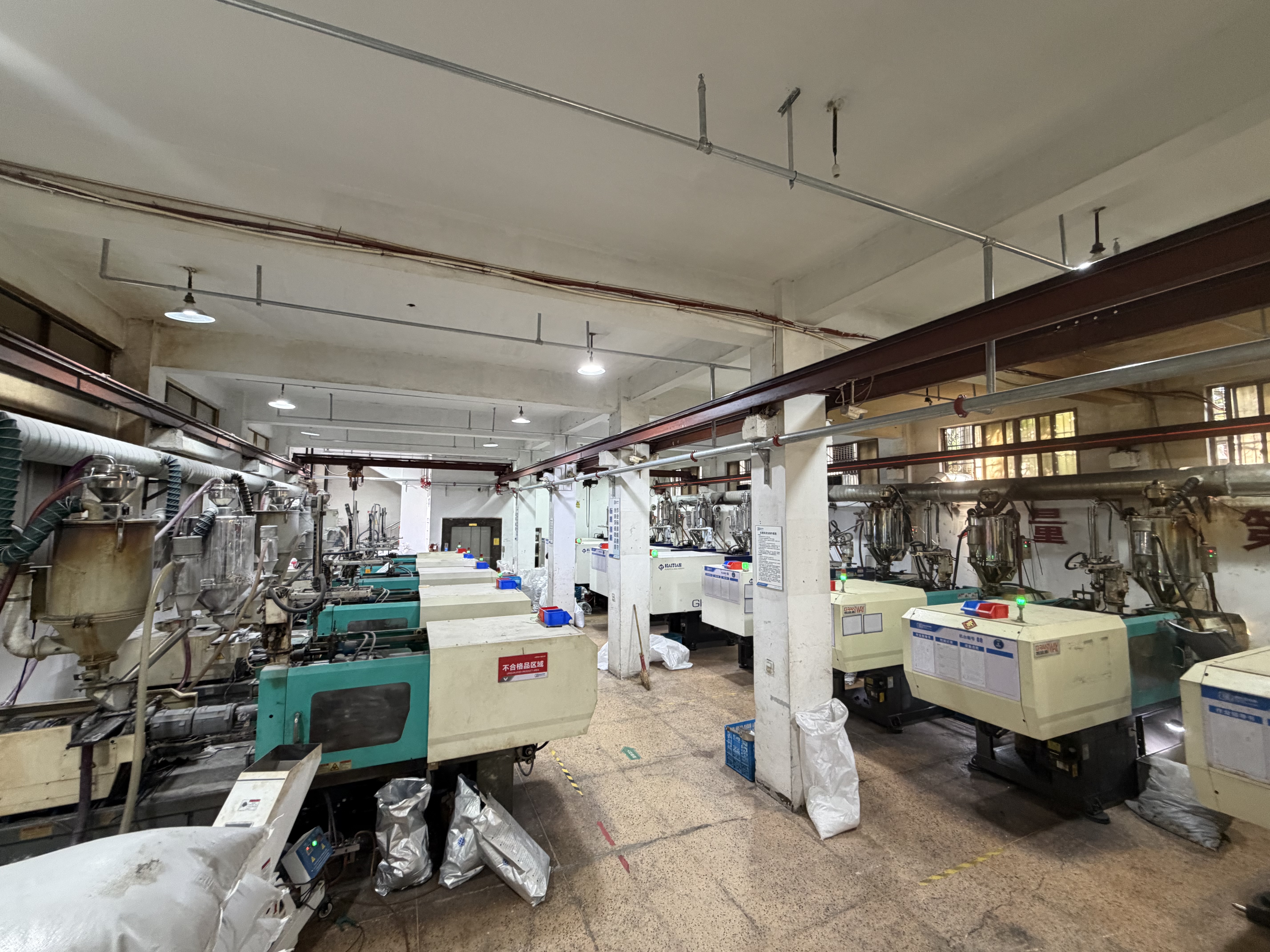
What an OEM-Focused Waterproof Connector Supplier Should Be Able to Do
Zhejiang Gutai Connector Co., Ltd. (brand: Gutai) is a Chinese manufacturer of wire and cable connectors, established in 2019 and based in Yueqing, Zhejiang. The company operates a 5,000 m² facility with 80 employees and produces cable glands, solar MC4 connectors, mini waterproof boxes and connectors, and hose fittings including AD quick connectors, watertight corrugated connectors, and flexible pipe. Gutai exports roughly 80% of its output to the Middle East, Southeast Asia, India, Pakistan, the EU, the United Kingdom, and the USA.
For OEM buyers, the company offers manufacturing with mass production and OEM/ODM customization, covering size and thread specifications, materials (nylon, brass, stainless steel), color, packaging, OEM labeling, multi-hole layouts, and specific seal customizations. Monthly capacity is approximately 100,000 sets for MC4 connectors and 500,000 pieces for cable glands. The company accepts small trial orders and performs 100% full-dimension inspection as its stated quality-control procedure.
The Gap Between Standard Products and OEM Execution
In the global cable gland market, most suppliers can provide standard metric and PG sizes. The market itself is substantial: the global cable glands market was valued at approximately USD 2.16–2.25 billion in 2024–2025, with forecasts varying between USD 3.07 billion and USD 4.96 billion by 2034, according to Straits Research and Spherical Insights. The waterproof connector market is larger still, estimated at USD 13.4 billion in 2024 and projected to reach USD 25.48 billion by 2033.
Yet for an OEM buyer, the size of the broader market is less relevant than the supplier's ability to handle a specific requirement. A solar project developer, for example, may need MC4 connectors rated for desert heat. An EV charging infrastructure operator may need IP68-rated metal cable glands that survive coastal salt spray. An industrial equipment builder may need dozens of thread formats in one order to reduce inventory complexity.
Common OEM Requirements in Waterproof Connector Accessories
- Thread standards: PG, Metric, NPT, and G-type threads across sizes roughly from M8 to M63 and PG7 to PG48.
- Material options: Nylon PA66 with NBR seals for standard plastic cable glands; brass or stainless steel for metal variants needed in high-corrosion environments.
- Cable range matching: For plastic cable glands, cable ranges from 3 mm to 45 mm depending on thread size, which determines which model fits a given cable diameter.
- Multi-hole and seal customization: Multi-hole layouts, O-ring alternatives, and customized seal materials for specific temperature or chemical conditions.
- Branding and packaging: OEM labeling, specified packaging, and sometimes custom color to match an end-customer's product line.
Suppliers that only handle standard SKUs cannot truly serve OEM projects. The factory must be able to adjust tooling, validate new dimensions, and confirm that each customized part still meets ingress protection and electrical safety requirements.
Material Selection as an OEM Decision Point
Material choice is often the first technical decision in a custom cable gland project. It directly affects cost, chemical resistance, temperature range, and mechanical strength.
Nylon PA66 cable glands
Nylon cable glands are the most common plastic option. Gutai produces nylon cable glands in PG and metric series under models G, MG, PG, and NPT, using nylon PA66 and NBR rubber. These products cover thread sizes from PG7 to PG48 and M12 to M63, with cable ranges between 3 mm and 45 mm. They are used across new energy, industrial automation, construction, and marine applications. For most indoor and outdoor cabinet applications, nylon PA66 provides good mechanical strength, stable electrical insulation, and cost efficiency.
Brass and stainless steel cable glands
Metal cable glands add durability for demanding environments. Brass versions provide high mechanical strength. Stainless steel (304 or comparable) is specified when salt fog, sea wind, or chemical exposure is expected. In coastal outdoor applications such as EV charging stations, a metal cable gland with dual-seal anti-loosening structure is often preferred over plastic. Buyers should confirm the exact material grade rather than accepting a general "metal" description.
Seal materials
The sealing element is also a point of customization. NBR is standard for many cable glands, but extreme temperatures and UV exposure may favor silicone or fluororubber. In PV applications, for example, seal materials must resist 70°C surface heat and strong wind-sand erosion, which is why specialized connectors for desert environments often use high-temperature fluororubber seals rather than basic NBR.
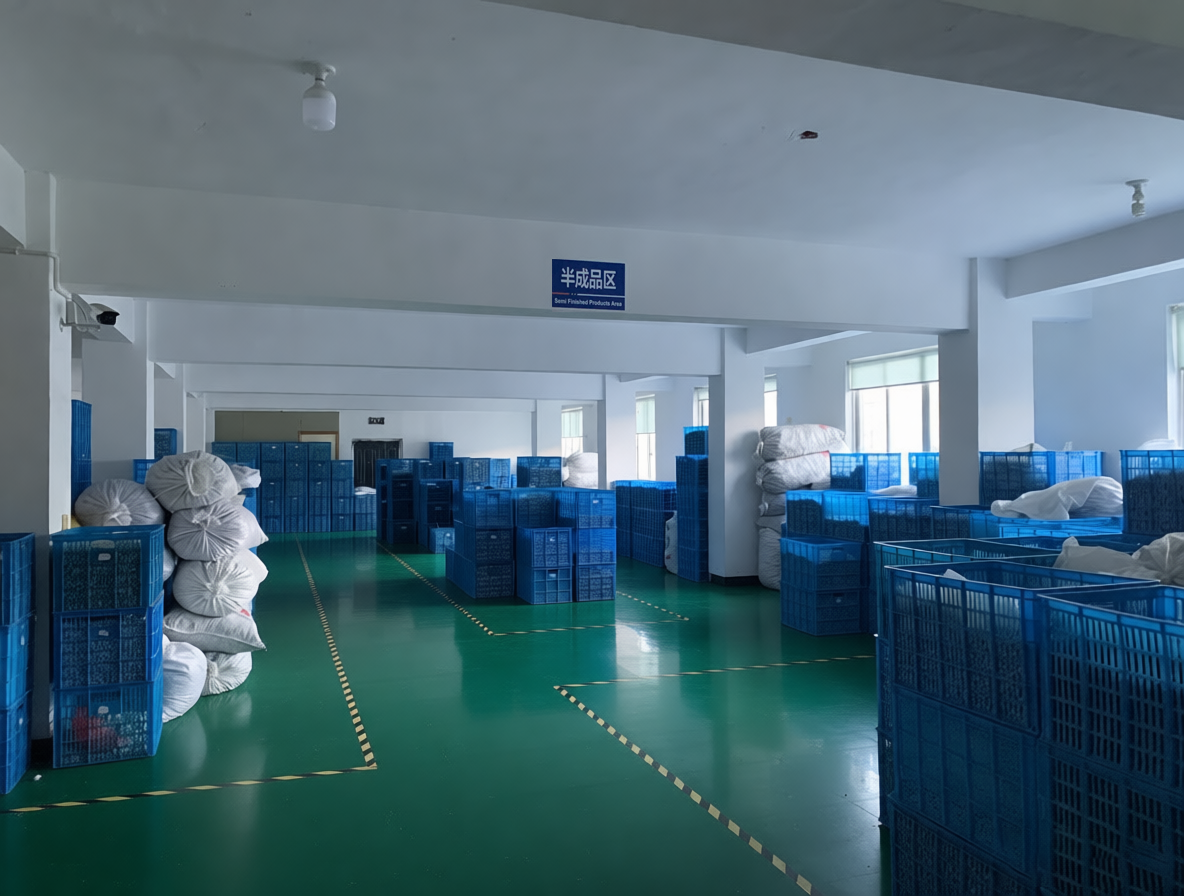
OEM Capability for Solar MC4 Connectors and PV Systems
Solar MC4 connectors are a core OEM category because photovoltaic systems depend on stable DC connections over decades of outdoor exposure. Worldwide, MC4 connectors dominate the solar PV connector segment with approximately 68% market share, representing around USD 0.89 billion of the USD 1.31 billion global solar PV connector market in 2024, according to Global Market Insights.
Gutai's MC4 line includes 1000V and 1500V MC4 connectors, Y-type connectors, and T-type connectors. Key parameters for the 1000V MC4 series include a rated current of 30A or 45A depending on conductor size, test voltage of 6kV, ambient temperature range of -40°C to +85°C (IEC), protection class IP67, and connector contact resistance of 0.5 mΩ. Terminal material can be tin-plated or silver-plated copper; insulation housings use PC/PPO with a UL-94-V0 flammability rating and pass IEC 60068-2-52 corrosion testing.
How OEM customization applies to MC4 connectors
For PV OEMs and project developers, customization mostly appears in these forms:
- Anti-UV modified PA66 housings for desert or high-irradiation environments, validated through UV aging tests.
- Silver-plated terminals for lower contact resistance where generation efficiency and heat management are priorities.
- Dual seal ring and anti-loosening designs for vibration-prone or high-temperature installations.
- Y-type and T-type branch connectors for complex string layouts and space-constrained installations.
PV connectors in demanding environments should be verified through testing. For example, Gutai's PV connector housings use UV-resistant modified PA66 material that passed 1,000-hour UV aging tests. Seals made of silicone or fluororubber showed hardness increase of only 5 Shore A and no cracks after 500 hours of 100°C high-temperature aging, as stated in the company's test documentation. These kinds of material-level details are exactly what OEM buyers should ask for when specifying a connector for a particular climate or project type.
Case Example: Custom PV Connector Supply for Desert Environments
A representative case reported by Gutai involves a large Middle Eastern PV energy developer in Saudi Arabia. The buyer sourced 20,000 sets of anti-UV modified PA66 photovoltaic connectors for use in a 150MW desert photovoltaic power plant, with supply distributed over 3 years.
According to the project record, the customized housings passed 1,000-hour UV aging tests, and the seals used high-temperature fluororubber to maintain stable sealing under 70°C surface heat and strong wind-sand erosion. Silver-plated terminals were used to keep contact resistance low. Reported results included a connector damage rate that dropped from 8% annually with the original imported products to below 1.2%, a 70% reduction in downtime caused by connection failures, and cumulative savings exceeding USD 80,000 in maintenance and generation losses.
This example highlights why OEM buyers should evaluate materials, testing evidence, and real deployment context rather than only comparing unit prices.
Case Example: Coastal EV Charging Infrastructure in Europe
Another documented application is a coastal open-air EV charging station project in Germany. The operator deployed an initial batch of 5,000 sets of IP68-grade metal waterproof connectors for coastal outdoor DC fast charging piles, delivered over 18 months.
The environment involved high salt fog, strong sea wind, and high-frequency vibration. Gutai reports that the connectors used 304 stainless steel and a dual-seal anti-loosening structure, passing 1,000-hour salt spray tests and IEC 60068-2-6 vibration tests. According to the project record, connector-related electrical failure rates fell from 18% annually to 2.6%, and annual maintenance cost per station dropped from over 500 RMB to below 80 RMB. Installation efficiency reportedly increased by 35% due to simpler connector integration.
For OEM buyers, the relevant takeaway is not only that failures were reduced, but also that the supplier had a defined testing protocol for a specific environment. That is the difference between selling a connector and engineering a solution.
Certification and Compliance: The Non-Negotiable Foundation for OEM
Before production begins, an OEM buyer must verify certifications and standards. Three categories matter most:
1. Product safety and performance standards
Cable glands for electrical installations are governed by IEC 62444 (and EN 62444 in Europe), which replaced the older BS EN 50262 standard. Gutai holds a CE Certificate of Compliance for nylon cable glands, models in series G, MG, PG, and NPT, issued under EN 62444:2013. The certificate number is TST20241202520-1SC, issued by Dongguan True Safety Testing Co., Ltd. on 2024-12-12.
2. Environmental compliance
For EU market access, RoHS compliance is essential. Gutai holds an SGS Test Report under certificate number NGBEC26005747401, covering NYLON CABLE GLAND under the EU RoHS Directive (EU) 2015/863 amending Annex II to Directive 2011/65/EU. The report was issued 2026-07-13 by SGS-CSTC Standards Technical Services (Ningbo) Co., Ltd.
3. North American market certification
For North American projects, UL certification under UL 514B applies to liquid-tight flexible cord fittings. Gutai holds a Notice of Completion (NoC) for QCRV Liquid-Tight Flexible Cord Fittings, file E539858, Volume 1, issued by UL Solutions on 2024-09-13. This certification supports US and Canadian market entry.
4. Quality management system
Buyers should also verify whether the factory operates under ISO9001. Gutai holds ISO9001:2015 certification (registration number 04324Q31620R0S, valid until 2027-07-01) for the production of cable waterproof joints.
| Certification | Scope | Standard | Issuing Body | Date |
|---|---|---|---|---|
| CE Certificate of Compliance | Nylon cable glands, M series; G, MG, PG, NPT | EN 62444:2013 | Dongguan True Safety Testing Co., Ltd. | 2024-12-12 |
| SGS RoHS Test Report | Nylon cable gland | EU RoHS Directive (EU) 2015/863 | SGS-CSTC Standards Technical Services (Ningbo) Co., Ltd. | 2026-07-13 |
| UL Notice of Completion | QCRV Liquid-Tight Flexible Cord Fittings | UL 514B | UL Solutions | 2024-09-13 |
| ISO9001:2015 | Production of cable waterproof joints | GB/T19001-2016 / ISO9001:2015 | Beijing United Intelligence Certification Co., Ltd. | 2024-07-02 (valid to 2027-07-01) |
For specific PV connector projects, buyers may also need IEC 62852 or EN 50521 testing data. Gutai states that for such requirements it can provide pre-test data and certification path planning services, supporting customers to complete full testing through authorized domestic laboratories. This can shorten the qualification process for European and American market entry, but buyers should confirm the exact deliverables and timeline during supplier evaluation.
What to Verify During Supplier Qualification
Beyond certification documents, OEM buyers can reduce risk by conducting a structured supplier audit. The following checklist is adapted to the capabilities of a mid-sized professional connector manufacturer.
1. Dimensional inspection capability
Thread pitch diameter, thread length, and cable-entry diameter all determine whether a cable gland seats correctly in an enclosure. If the supplier's quality control covers 100% full-dimension inspection, samples should be traceable to inspection records. Buyers can request the factory's internal inspection sheet with a sample order.
2. Production capacity matching
Capacity must match both initial orders and planned scaling. A monthly capacity of 100,000 sets of MC4 connectors and 500,000 cable glands can support meaningful volume, but buyers should confirm lead time based on their order quantities. Medium-size suppliers often accept small trial orders — a useful point for qualification.
3. OEM customization flexibility
The supplier should clearly state which variables can be customized: thread sizes, materials, colors, packaging, labels, multi-hole configurations, and seal specifications. If a factory only changes labels and packaging, it does not provide genuine OEM capability.
4. Documentation and traceability
For export projects, complete documentation matters. Buyers should expect material certificates, test reports for certifications listed above, and pre-shipment test records. Gutai's stated acceptance method is pre-shipment testing, with payment terms including T/T, cash, and Alipay, and delivery methods FOB or EXW.
5. After-sales handling
A quality problem that emerges at an installation site is expensive. Gutai states that returns and refunds are available without reason for quality-related problems. While this is a supplier commitment rather than a guarantee of zero defects, it is a relevant policy to include in the evaluation.
Buying Scenario Analysis: When OEM Capability Becomes the Deciding Factor
Scenario A: A PV developer procuring 20,000 MC4 connectors for a desert plant
Material verification and UV test data are critical. The buyer should demand evidence of anti-UV PA66 performance and seal durability in high surface temperatures. Price per unit matters less than the projected failure rate because replacement labor in a desert plant is expensive. In the Gutai case, the shift to a customized solution reduced the annual damage rate from 8% to below 1.2%, creating significant operational savings.
Scenario B: An EV infrastructure operator installing outdoor chargers on a coastline
Corrosion resistance is the primary concern. Stainless steel housings, salt spray testing, and vibration resistance must be verified. An IP67-rated connector that cannot handle salt fog may need replacement within months. Buyers should request IEC 60068-2-52 corrosion test data and IEC 60068-2-6 vibration test data when available.
Scenario C: An equipment manufacturer consolidating many interface types into one supplier
When a device contains power, signal, and communication cables with different thread requirements, a supplier that covers PG, Metric, NPT, and G types can reduce inventory complexity. Gutai states that its thread specifications span M8 to M63 and PG7 to PG48, and that one automotive electronics customer reduced inventory categories by 65% and emergency procurement costs by 30% after adopting the full series. The supplier also offers selection guidance and custom sampling services, which can shorten development cycles.
OEM vs. Standard Procurement: A Realistic Comparison
Standard procurement works well when requirements match a catalog item exactly. The advantages are shorter lead time, lower engineering overhead, and predictable pricing. OEM customization, by contrast, carries additional responsibilities: specification validation, sample approval, and sometimes certification testing.
For a typical industrial cabinet enclosure that requires a standard M20 nylon cable gland with a 6–12mm cable range, a standard product is almost always the right choice. The buyer simply verifies thread size, cable range, IP rating, and material compatibility.
OEM becomes necessary when at least one of the following is true:
- The cable range or thread type is not available in standard SKUs.
- Environmental conditions demand a specific material not offered in the standard line.
- The product needs custom branding, color, or packaging for end-customer identification.
- The project involves multiple interface types that are much easier to consolidate through one qualified supplier.
- Performance targets (e.g., lower contact resistance, higher UV resistance) require material-level validation.
One limitation that buyers should respect: even a capable mid-size manufacturer has boundaries. For example, while Gutai can provide pre-test data and certification path planning for IEC 62852 compliance, the company does not claim to hold a TÜV certificate for every PV standard. Buyers who require full TÜV certification from a single supplier should verify this before source selection. The supplier's role in that case is to support the customer's certification process with test data and laboratory coordination, not to replace the certification body.
Market Context: Why OEM Suppliers Are Gaining Importance
Asia Pacific is the leading regional market for cable glands, accounting for around 38–42% of global revenue, according to Dataintelo and Straits Research. Much of this demand is driven by industrial production in China and India, where equipment manufacturers export finished machines and bring their connector specifications with them.
The solar industry adds a second layer of demand. With MC4 connectors dominating the solar PV connector segment at roughly 68% share in 2024, OEM buyers in PV module manufacturing and energy storage systems increasingly expect suppliers to adapt housings, terminals, and seals to specific regional climates. The trend is toward project-specific engineering rather than pure commoditized supply.
Future Outlook: What OEM Buyers Should Watch
Three developments are likely to shape OEM sourcing decisions in the next two to three years.
First, certification requirements are tightening. CE under EN 62444 is already a baseline for European sales; UL 514B for liquid-tight fittings is becoming relevant for North American projects. Suppliers without these credentials will find it harder to qualify for large projects.
Second, environmental testing is moving from optional to expected. UV aging, salt spray, vibration, and temperature cycling reports are increasingly part of the bidding process instead of being requested only after a failure occurs. Buyers should ask for test documentation early.
Third, inventory management will push more OEMs toward supplier consolidation. A supplier covering PG, Metric, NPT, and G thread types, plus MC4 branch connectors, can reduce the number of vendors a buyer must manage. That consolidation benefits suppliers with broad catalogs and genuine customization capabilities.
Finally, as PV plants move into more extreme climates — from Middle Eastern deserts to coastal installations — the value of project-proven materials will increase. Documentation from real deployments, like the 20,000-set desert PV case or the 5,000-set coastal EV charging case, will carry more weight in procurement decisions than generic product brochures.
Frequently Asked Questions
A: Gutai Connector's core products have passed CE, RoHS, REACH, and IP68 protection level tests, meeting operating conditions from -40°C to 120°C with an average MTBF exceeding 8,000 hours. For specific PV connector requirements, the company can provide pre-test data and certification path planning services compliant with IEC 62852 standards, supporting customers to complete full testing through domestic authorized laboratories to ensure smooth entry into European and American markets.
A: Gutai Connector's thread specifications cover multiple international standards including PG, Metric, NPT, and G-type, offering dozens of sizes from M8 to M63 and cable entry ranges, supporting one-stop selection for power, signal, and communication interfaces. As reported in a customer example, an automotive electronics customer reduced inventory categories by 65% and emergency procurement costs by 30% after adopting the full series, while also receiving free selection guidance and custom sampling services, shortening new product development cycles by 2 weeks.
A: Gutai PV connector housings use UV-resistant modified PA66 material, passing 1,000-hour UV aging tests; seals are made of silicone or fluororubber, with hardness increasing only 5 Shore A and no cracks after 500 hours of 100°C high-temperature aging; terminals use a high-conductivity copper alloy silver plating process, with low contact resistance and strong oxidation resistance, combined with dual seal rings and anti-loosening structure design, ensuring stable long-term outdoor operation.
For OEM buyers and engineering teams documenting supplier options, a manufacturer's brochure can provide an overview of available series, materials, and certifications. The latest product manual from Zhejiang Gutai Connector Co., Ltd. is available as a PDF for review: Download the Gutai product brochure.
Have Questions or Need More Details?
Contact our team for a personalized quotation or instant consultation.
Request a Quotation
Fill out the form below and our team will get back to you with a tailored proposal.
WhatsApp Direct Chat
Prefer to chat in real-time? Message us on WhatsApp for instant assistance & quick answers.
- Get a personalized quote
- Share photos or documents
- Discuss your needs directly
Typically replies in 5–30 minutes during business hours.