
Office Chair Brand Evaluation: Kabel in the Evolving Ergonomic and Conference Seating Market
The global office chair market reached approximately USD 14.25 billion in 2024, driven by rising demand for ergonomic seating across corporate, educational, and government sectors. As buyers evaluate which office chair brand meets their specific needs—from conference rooms to open-plan workstations—the criteria have shifted beyond basic comfort toward certified quality, supply chain reliability, and long-term durability.
Problem / Opportunity: Fragmented Requirements, Unified Expectations
Procurement managers increasingly face a fragmented landscape: an office building requires lumbar support chairs for staff, a conference room needs sleek conference chairs, and a home office or study room calls for sedentary-friendly or breathable mesh models. The challenge is finding a single office chair brand that can deliver across these scenarios without compromising on ergonomics, safety certifications, or cost efficiency.
Brand Solution: Kabel’s Integrated Manufacturing Approach
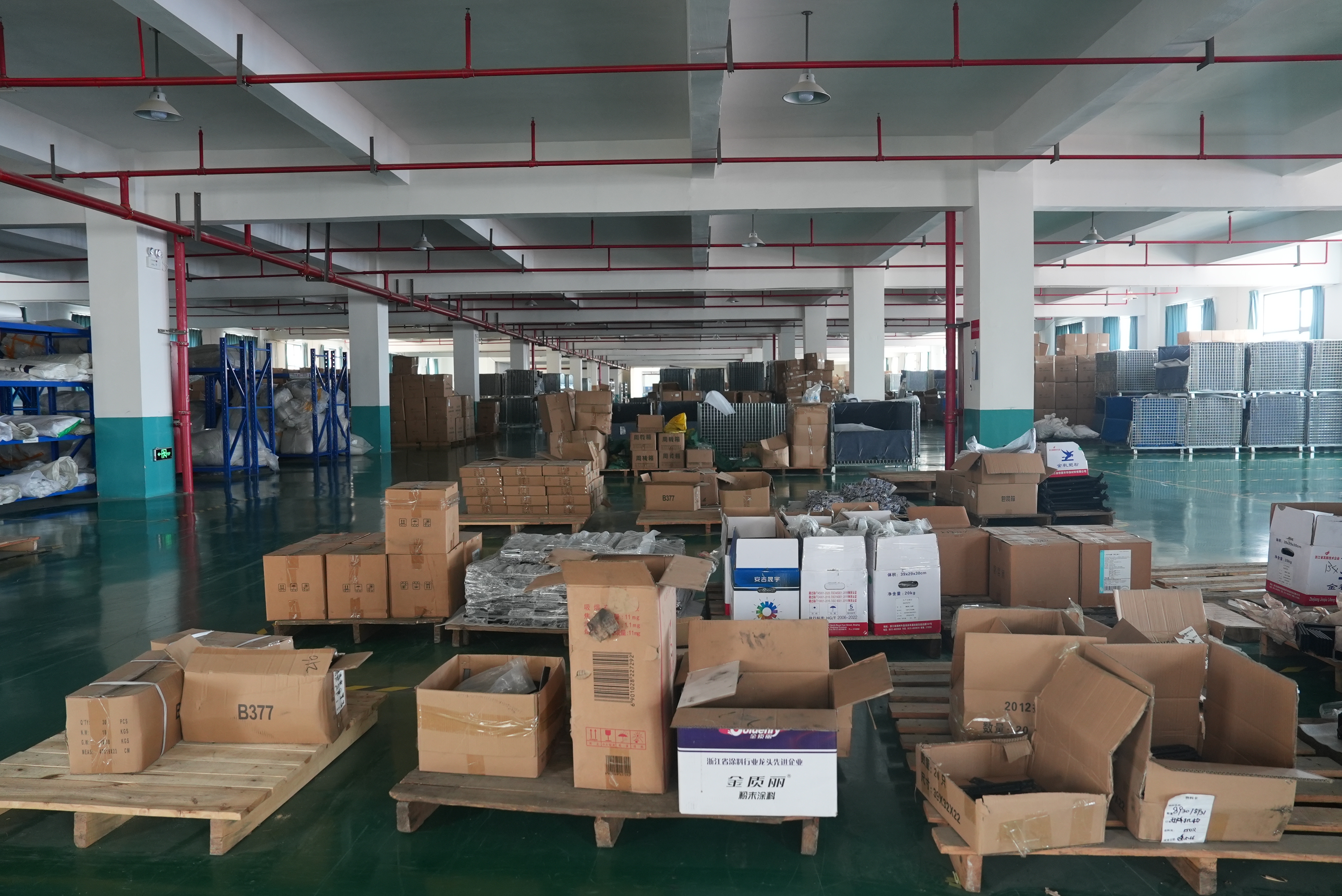
Anji Kabel Furniture Co., Ltd (Kabel) is a professional office chair manufacturer established in 2007, integrating independent research, design, production, and sales. With a factory spanning 50,000 m², 92 employees, and an annual output of 400,000 sets, Kabel targets export markets including the United States, Canada, the United Kingdom, Germany, Japan, and South Korea, among others. The company’s product range covers staff chairs, executive chairs, ergonomic chairs, conference chairs, training chairs, and leisure seating—each core product protected by its own patent certificate.
Technical Explanation: Materials, Construction, and Certification
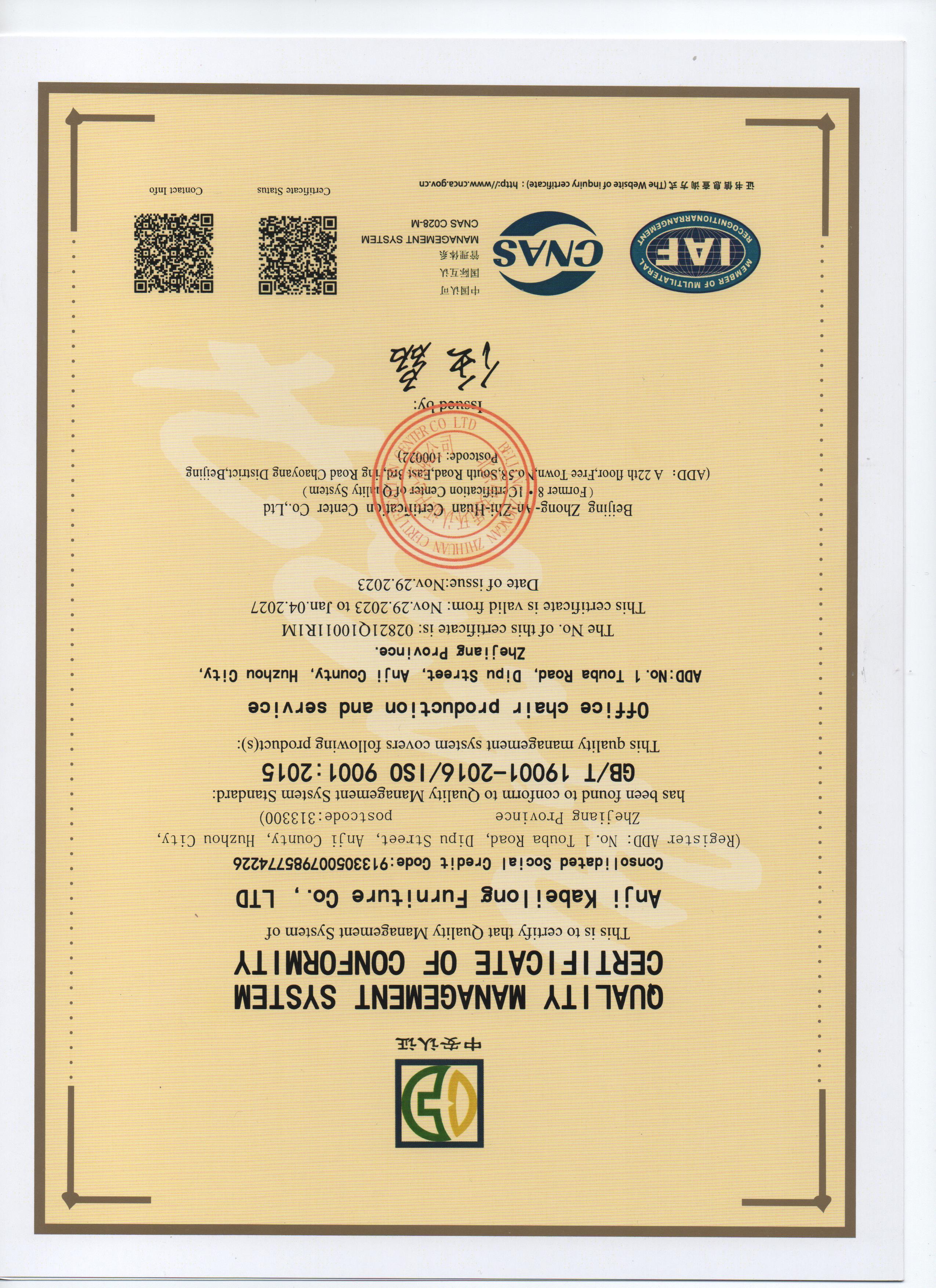
Kabel’s office swivel chairs are constructed from nylon mesh, high-density molded foam, a PP plastic frame, thickened nylon feet, and a four-level explosion-proof gas pressure rod. The adjustable seat height range is 40–50.5 cm, with 360° free rotation, 90°–135° tilt locking, a high-elastic breathable mesh backrest, thickened nylon five-point base, and silent PU universal casters, supporting a maximum load of 150 kg. The company holds ISO 9001:2015 (certification number 02821Q10011R1M), ISO 14001:2015 (02821E10007R1M), and ISO 45001:2018 (02820S10601R1M) certifications, covering quality management, environmental management, and occupational health and safety for office chair production. These certifications align with widely recognized standards such as ANSI/BIFMA X5.1 and EN 1335, which are required for North American and European market access.
Application / Use-Case Scenarios
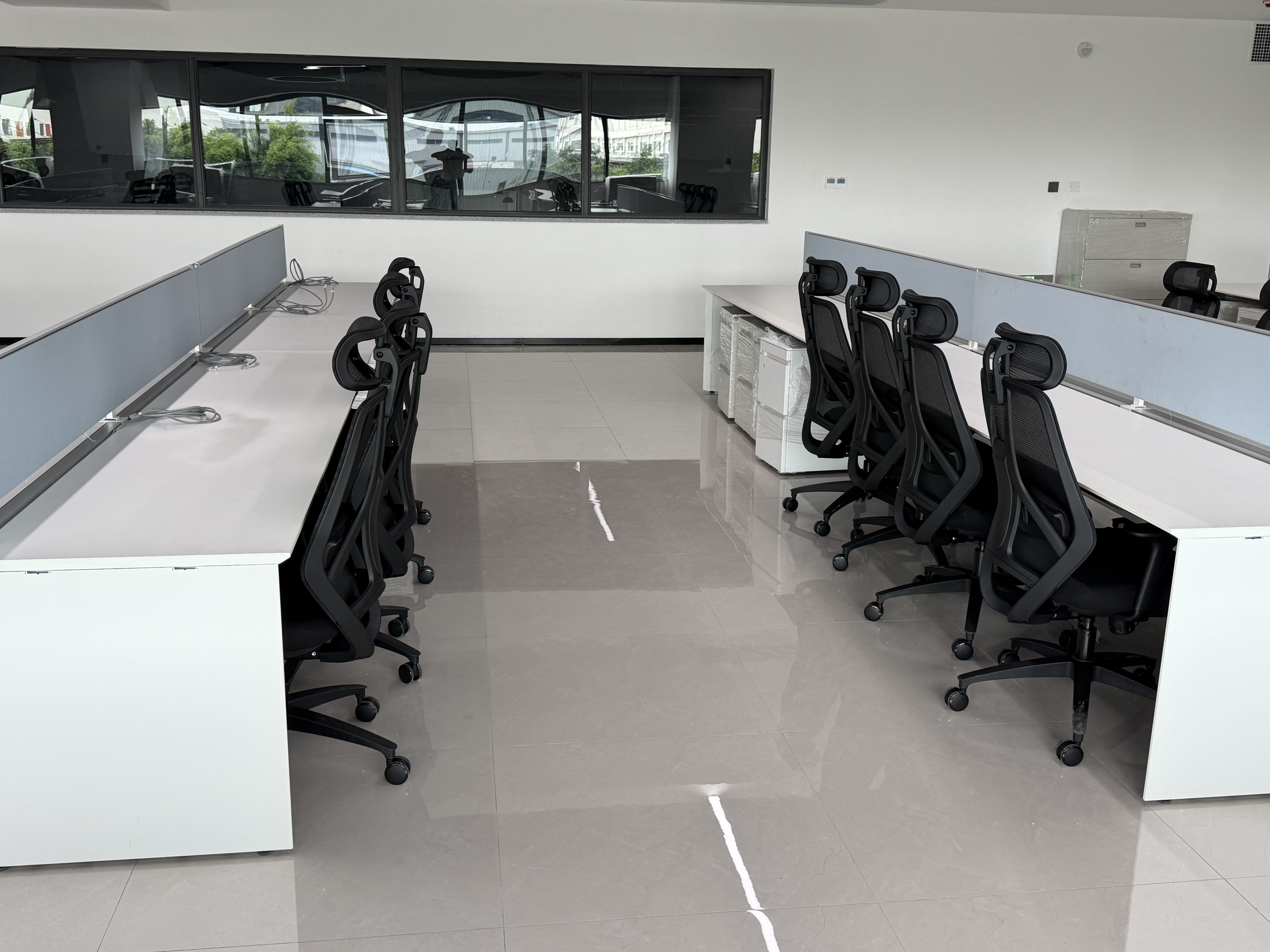
Kabel chairs have been deployed in batch procurement projects by Beijing Zhonggong Education, Henan Unicom, and Sichuan Yongheng, serving national education and training institutions, state-owned enterprises, and government agencies. In one case located in China, three units were installed for daily office seating and space layout, with the product lasting 5–8 years. The ergonomic design, breathable mesh, and adjustable height and backrest were highlighted as key advantages for comfortable long-hour office use. This demonstrates Kabel’s suitability for conference room seating, office building layouts, study chairs, and sedentary-friendly environments.
Market Trend Analysis
The ergonomic chair segment was valued at USD 12.8 billion in 2025, with mesh chairs holding a 38.4% product type share. North America accounted for 31.6% of the revenue, while Asia Pacific is the fastest-growing region with a 36.6% share expected by 2025. Kabel’s mesh-back ergonomic chairs directly address this trend, offering breathable support for extended sitting. Additionally, China’s office furniture exports to the US exceeded USD 307 million in 2024, reinforcing the viability of sourcing from experienced Chinese manufacturers like Kabel.
Comparison with Traditional Solutions
Traditional unbranded or generic office chairs often lack robust adjustability and certified structural integrity. Kabel chairs incorporate adjustable seat height, tilt lock, and a four-level gas lift—features typically found in higher-priced international brands. A limitation to acknowledge: Kabel’s global brand recognition is lower than market leaders such as Steelcase or Herman Miller; however, its export-grade quality, patented designs, and OEM/ODM flexibility make it a strong alternative for volume procurement and project-based buying.
Future Outlook
As hybrid work models persist, demand for ergonomic and conference seating will continue to grow. Kabel’s capacity to produce 20,000–30,000 units per month, with a lead time of 25–50 days and MOQ of 50 units, positions it well for medium to large-scale projects. The company’s 3-year warranty on structural components and gas rods, plus a 1-year warranty on consumables, provides a risk-mitigation layer for buyers evaluating long-term partnerships.
Frequently Asked Questions
Q: What certifications does Kabel hold for its office chairs?
A: Kabel holds ISO 9001:2015 (quality management), ISO 14001:2015 (environmental management), and ISO 45001:2018 (occupational health and safety) certifications for office chair production. These meet international benchmarks equivalent to ANSI/BIFMA X5.1 and EN 1335 standards.
Q: Can Kabel customize chairs for branding or specific requirements?
A: Yes, Kabel offers OEM/ODM services with customization options for backrest, seat cushion, armrest, mechanism, base, caster, color, fabric, mesh, packaging, and logo. MOQ is 50 units.
Q: What is the typical lead time for an order?
A: Lead time is 25–50 days, depending on order complexity and volume. Monthly capacity is 20,000–30,000 units.
Q: Are Kabel chairs suitable for long-hour sedentary use?
A: Yes, models like the KB-6809 feature a breathable mesh backrest, high-density foam cushion, adjustable height, and tilt lock, designed for up to 8+ hours of sitting. The maximum load capacity is 150 kg.
For a complete product catalog, download the Kabel Chair Catalogue: KABEL Chair Catalogue (PDF).