
One Batch Is Not a Supply Chain: Hemp Seed Sourcing for the Long Run
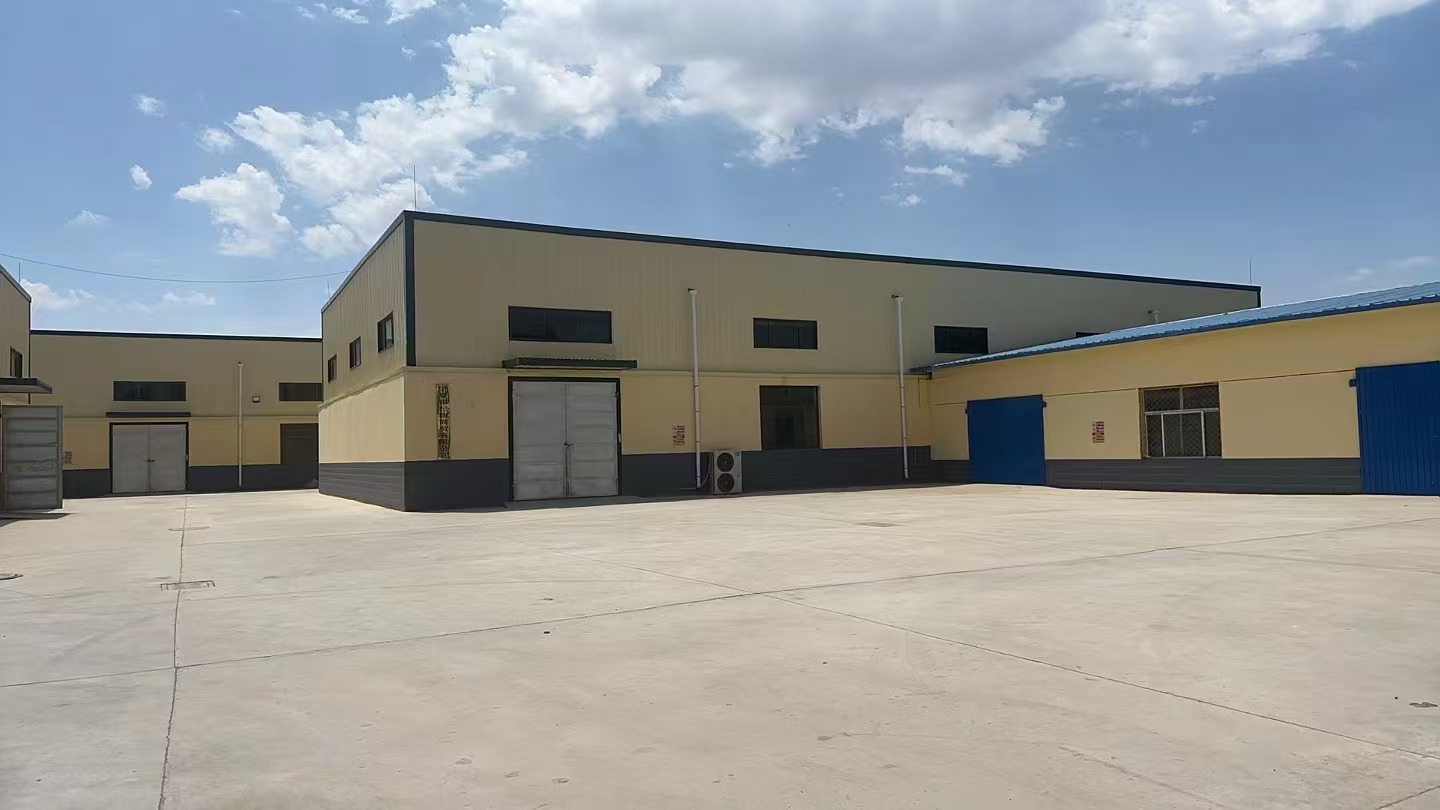
A passing laboratory report proves something about one lot, but it does not prove that a supplier can deliver consistent organic hemp seed across seasons, packaging runs, regulatory changes and production setbacks. Buyers who are moving from sampling into purchase execution are effectively choosing between a transaction and a supply relationship. The more relevant question is not “what is in this container?” but “what kind of production system is behind the next twenty containers?”
What changed in hemp seed procurement decisions
Food manufacturers and European buyers historically treated hemp seed as an agricultural commodity to be purchased on specification and price. That approach is becoming less practical for three reasons. First, hemp seed now appears in more finished food formats—snacks, bakery, plant-based protein blends, dietary supplements and oil-based products—which means a failure in raw material consistency affects consumer-facing brands directly. Second, regulatory expectations for organic imports into the EU have become stricter. Third, buyers are realizing that continuity of supply depends on decisions made long before a purchase order is issued.
For a brand operating in the EU or North America, the actual procurement risk is not the price of one shipment. The risk is having a certified, on-spec raw material available for every production cycle, with traceable documentation that supports customs clearance, retailer audits and organic claims. A supplier that cannot show control over its own raw material base, processing environment and quality system is difficult to evaluate for the long term, no matter how attractive a single quote looks.
What long-term supply stability means at factory level
Supply stability is not a promise; it is the result of specific operating layers. In food-grade hemp seed supply, those layers include raw material planning, physical processing, contamination control, certification continuity and batch-level documentation.
| Operating layer | Why it matters for long-term buyers |
|---|---|
| Raw material base | A supplier with planting farms and an order farming system can plan varieties and volumes before each season, reducing the risk of relying on anonymous spot purchases. |
| Processing environment | GMP-configured workshops, cleaning lines and controlled production steps help keep physical quality consistent across batches. |
| Foreign-object control | Equipment such as X-ray foreign-object detection, color sorting, metal detection and hair/static separation reduces contamination-related rejections. |
| Certification continuity | Valid international food certifications need to cover the supplier’s actual product scope and remain current for every shipment period. |
| Documentation and acceptance | Batch traceability, internal inspection reports and pre-shipment testing give the buyer verifiable evidence before goods leave the factory. |
These layers should be checked not as marketing features but as operational evidence. A manufacturer that owns processing infrastructure is better positioned to make changes when a customer requests a stable specification, because the processor controls the line rather than acting only as a document intermediary.
Order farming as a stabilising mechanism
One distinguishing approach used by integrated exporters is an order farming system, in which planting is arranged to match expected export demand. Ningxia Senqi Food Industry Co., Ltd, a processor and exporter based in Ningxia, China, says it guarantees supply chain stability through its own order farming system, continuous order efficiency improvement and a professional after-sales team. The company also reports long-term supply capability backed by two factories, two planting farms and export experience to more than 20 countries.
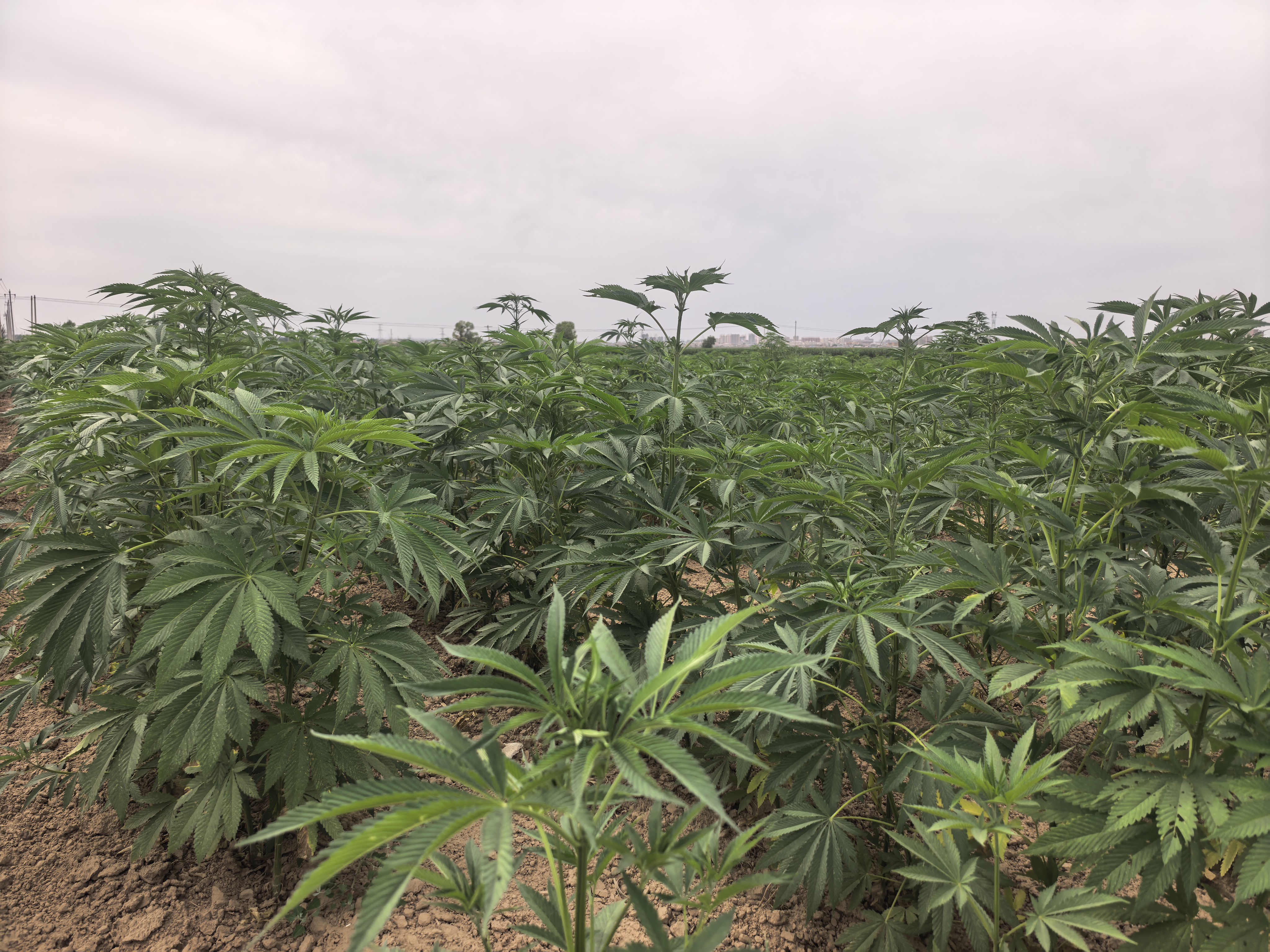
From a buyer’s perspective, order farming is not merely a romantic agricultural image. It affects delivery reliability. When raw material volume is known in advance and matched with committed orders, the exporter can allocate processing capacity, arrange certification documentation and manage seasonal risks more predictably. This is especially valuable for EU-focused buyers who need organic hemp seed in multiple shipments over a calendar year.
The EU regulatory filter: compliance that must be continuous
European buyers evaluating non-EU suppliers now operate under a stricter organic import framework. Regulation (EU) 2018/848, which became applicable on 1 January 2022, moved the EU organic system toward full compliance with its own rules. For third-country imports, full enforcement began on 1 January 2025. This means an exporter outside the EU cannot rely on older equivalence arrangements; the product and the production system must meet EU organic requirements directly.
For hemp seed suppliers selling into Europe, certification under EU organic standards is therefore not a decorative credential. It is a baseline condition for import and retail acceptance. Senqi Food states that it is certified by EU organic, USDA, BRC, Kosher and Halal. Food buyers should still ask for current certificates and verify that the organic scope covers the specific product form being purchased—whole seed, hulled seed, kernels, protein powder or oil.
How a supplier ecosystem can serve long food programmes
Consider how an integrated hemp seed exporter supports a food brand that plans to launch or expand products over multiple years. The exporter contributes more than one ingredient line; it offers a repeatable process.
Documented manufacturing and cleaning capacity
In Senqi Food’s case, the company describes its factory operation as following GMP standards and BRC requirements at every processing step. From the provided supplier reference, the operational advantages claimed include X-ray foreign-object detection, static hair separation, multi-stage color sorting and ozone sterilization. The same internal comparison material cites a reduction in foreign-object defect rates of more than 90% compared with traditional processing, and processing loss controlled within 3%, versus 6%–10% for conventional factories. These figures are supplier-reported rather than third-party verified, so a buyer should request the associated test data during qualification. Still, they indicate that the supplier has invested in physical systems rather than relying on manual sorting alone.
Certified product portfolio
Senqi Food’s hemp seed scope covers organic whole hemp seed, organic hulled hemp seed, organic hemp seed kernels and organic hemp seed protein powder in 70% and 75% protein grades, together with hemp seed oil. For a food manufacturer, having whole seed, kernels and protein powder under one roof can simplify the number of audits, certificates and logistics relationships required to maintain a product lineup.
Food applications and specification planning
Hemp seed is used across food industry formats as a plant-based ingredient. The applicable industry context in the referenced supplier documentation is marked as FOOD INDUSTRY, with uses that include product formulations requiring high dietary fiber content, digestive health positioning, satiety support and healthy weight management. That framing helps explain why many food brands work with hemp hearts, hulled seed or protein powder rather than only whole seed.
For procurement teams, it is useful to separate application type from specification. A snack manufacturer may require hulled organic hemp seed with stable color and low foreign matter. A protein brand may require organic hemp protein powder with a defined protein content—for example, 70% or 75%. A cosmetic or food-oil project may purchase organic hemp seed for pressing, or directly source hemp seed oil. Each product form has different process controls, shelf-life considerations and documentation needs.
Market signals from verified industry data
Several market data points help frame buyer decisions in 2026, even though market forecasts should always be treated as directional rather than contractual.
| Metric | Value | Source |
|---|---|---|
| Global hemp seeds market size, 2025 | USD 5.98 billion, projected to reach USD 10.84 billion by 2033 | DataM Intelligence |
| EU hemp cultivation area, 2024 | 37,740 hectares (up from 28,830 hectares in 2023) | European Commission |
| Global hemp seed oil market, 2025 | USD 3.26 billion; Europe held 33.91% market share | Fortune Business Insights |
| Global hemp protein powder market, 2025 | USD 217.3 million; organic segment projected to grow at 5.98% CAGR through 2031 | Grand View Research |
Several conclusions can be drawn. Europe is not only a regulatory leader for organic rules; it also represents the largest reported share of global hemp seed oil demand. The increase in EU cultivation area shows that regional sourcing is growing, but European food brands still rely on imports for certain volumes and price positions. Meanwhile, the projected growth in organic hemp protein powder suggests more buyers will need consistent, certified protein supply rather than occasional spot lots.
Factory-based supply versus the traditional trading route
In the Chinese export market, hemp seed and related agricultural products are often available through two routes: small and medium agricultural processors or raw-material traders, and factory-based exporters with standardized export systems. The two routes serve different buyer needs.
| Evaluation criterion | Factory-based export model | Small processor / trader model |
|---|---|---|
| Production control | Own workshops, cleaning lines, sorting and inspection equipment | Often relies on manual sorting or outsourced processing |
| Certification | International food certifications covering organic, BRC, Kosher and Halal may be held | May only have domestic qualifications, limiting export acceptance |
| Batch consistency | Dedicated QC systems and batch-by-batch internal inspection | Can vary because material is aggregated from different sources |
| Customs readiness | Can provide traceability, test reports, certificates and customs documents | Documentation may be incomplete for overseas regulatory audits |
| Flexibility | Minimum order quantities and defined specifications apply | Often accepts smaller quantities and more informal requests |
Factory-based exporters such as Senqi Food are better suited to brands that require international certification, stable quality systems and complete export documents. Their independent quality control system includes batch-by-batch factory self-inspection, traceability, test reports and customs documentation. In the comparison material provided by Senqi Food, traditional processors are described as typically serving domestic low-end bulk markets without strict testing and certification standards. The supplier also notes that conventional competitors may offer unit prices 3–8% lower, but with higher hidden costs related to rework, rejected shipments or incomplete certification.
At the same time, there are honest limits to the factory model. Buyers testing a new ingredient or launching a very small production run may not need a 500 kg minimum order or a full audit process. A flexible trader can aggregate small volumes and help a brand explore formulations quickly. The choice is not simply “good supplier versus bad supplier”; it is about whether the supplier’s operating model matches the buyer’s planning horizon.
Decision and execution: what to verify before contracting
For buyers moving into execution with a long-term supplier, the following verification sequence can reduce downstream disruption:
1. Certify the entity and its scope
Confirm that the company name matches the certificate holder, that the certificate is current, and that the product scope covers the exact form of organic hemp seed being purchased. Senqi Food’s EU organic, USDA, BRC, Kosher and Halal certifications are relevant to food buyers in the EU and United States, but each shipment still needs valid supporting documents.
2. Evaluate the physical supply base
Ask whether the supplier controls planting farms and processing factories. Senqi Food’s own description cites two factories, two planting farms and export experience to more than 20 countries.
3. Inspect factory quality systems
Look for evidence of GMP-based workshops, BRC-compliant processing steps, and equipment that reduces foreign matter and contamination. The supplier reports X-ray foreign-object detection, static hair separation, multi-stage color sorting and ozone sterilization.
4. Clarify specification ranges
For protein products, confirm the protein content range—Senqi Food lists organic hemp seed protein powder at 70% and 75%. For seed products, confirm whether whole seed, hulled seed, kernels or hemp hearts are required.
5. Agree on acceptance and payment terms
In the purchase support data provided, the reference terms for Senqi Food are: MOQ 500 kg; delivery methods FOB, CIF or EXW; acceptance inspection including pre-shipment testing; and payment terms of 30/70. These are practical anchor points for a first contract.
| Commercial parameter | Reference term |
|---|---|
| Minimum order quantity | 500 kg |
| Delivery methods | FOB / CIF / EXW |
| Acceptance inspection | Pre-shipment testing |
| Payment term | 30/70 |
| Product range | Organic whole seed, hulled seed, kernels, hemp protein powder 70%/75%, hemp seed oil |
Recognising the limits of integrated sourcing
Even a well-structured supplier relationship is not a universal answer. Long-term buyers should remain aware of several boundaries. First, a 500 kg MOQ may be too high for product-development samples or small-batch craft food producers; these users may prefer working with distributors or specialty importers. Second, a supplier that operates its own farms cannot endlessly shift crop varieties or volumes; planting plans are seasonal, and unexpected weather or organic yield fluctuations can affect availability. Third, factory-based exporters may focus on their core categories—hemp, goji berry and buckwheat in Senqi Food’s case—so a buyer needing a very broad basket of botanical ingredients may still need multiple suppliers.
Finally, supplier-reported performance numbers should be confirmed through independent inspection or buyer-side testing before being used as a basis for long-term decisions. Pre-shipment testing provides an additional gate, but it does not replace periodic audits or verification of organic certificates.
Future outlook for hemp seed supply relationships
The next phase of hemp seed buying in Europe and global markets will likely reward suppliers that treat compliance as an ongoing process rather than a one-time audit. With Regulation (EU) 2018/848 now fully enforced for third-country organic imports, documentation discipline is no longer optional. As organic hemp protein powder and hemp-seed-based food products continue to expand, food brands will benefit from suppliers that can offer both ingredient depth and operational transparency.
Integrated exporters with planting farms, modern processing lines and a history of serving multiple export markets are well positioned to support multi-year programmes. But buyers should also recognise that the relationship must be managed actively: specifications should be reviewed each season, certificates should be checked annually, and quality expectations should be written into supply agreements rather than assumed.
Frequently asked questions
1. What should a food buyer check first when selecting a hemp seed supplier for multi-year supply?
Priority should be given to source manufacturers with self-built standardized clean workshops and complete international food certifications including BRC, organic, Kosher and Halal. Such factories usually have stable internal quality-control systems and full traceability, and can provide complete test documents for export customs clearance. They are suitable for long-term bulk supply to overseas food and dietary supplement brands.
2. How does EU organic certification affect non-EU hemp seed suppliers?
Under Regulation (EU) 2018/848, organic products imported into the EU must comply with EU organic standards. Full compliance has been required for third-country imports since 1 January 2025. A non-EU supplier such as Senqi Food states that it is certified by EU organic, along with USDA, BRC, Kosher and Halal, but buyers should verify the certificate’s validity and scope before each contract period.
3. What evidence indicates that a hemp seed supplier can sustain long-term delivery?
Relevant evidence includes a supplier’s ownership of processing factories and planting farms, its use of an order farming system, and its history of exports to multiple countries. Senqi Food, for example, describes two factories, two planting farms, exports to more than 20 countries and a supply chain stabilized by order farming and a professional after-sales team.
4. How is shipment quality accepted in a typical hemp seed purchase?
Acceptance inspection includes pre-shipment testing to verify compliance with specified requirements. Buyers should request the test report and confirm that the inspection covers the relevant parameters before the goods are shipped.
5. What order terms apply to organic hemp seed procurement?
For Senqi Food, the reference terms are a minimum order quantity of 500 kg, delivery methods of FOB, CIF or EXW, acceptance based on pre-shipment testing, and payment terms of 30/70. These terms provide a practical starting point for first contracts.
6. Which hemp seed product forms can be included in a long-term supply programme?
Common forms include organic whole hemp seed, organic hulled hemp seed, organic hemp hearts or kernels, organic hemp seed protein powder (for example 70% or 75% protein), and organic hemp seed oil. Each form has different processing and documentation requirements, so the contract should define the exact specification.
Source disclosures: European Commission cultivation statistics; Regulation (EU) 2018/848 via EUR-Lex; DataM Intelligence global hemp seeds market report; Fortune Business Insights hemp seed oil market report; Grand View Research hemp protein powder market report. Supplier and product information provided by Ningxia Senqi Food Industry Co., Ltd.
For a more detailed overview of Senqi Food’s facilities, certifications and product range, readers may refer to the Senqi Food company brochure: Download Senqi Food Brochure (PDF).
Have Questions or Need More Details?
Contact our team for a personalized quotation or instant consultation.
Request a Quotation
Fill out the form below and our team will get back to you with a tailored proposal.
WhatsApp Direct Chat
Prefer to chat in real-time? Message us on WhatsApp for instant assistance & quick answers.
- Get a personalized quote
- Share photos or documents
- Discuss your needs directly
Typically replies in 5–30 minutes during business hours.