
Optical Fiber Cable Supplier Comparison: Domestic Integrated vs. Imported Brands
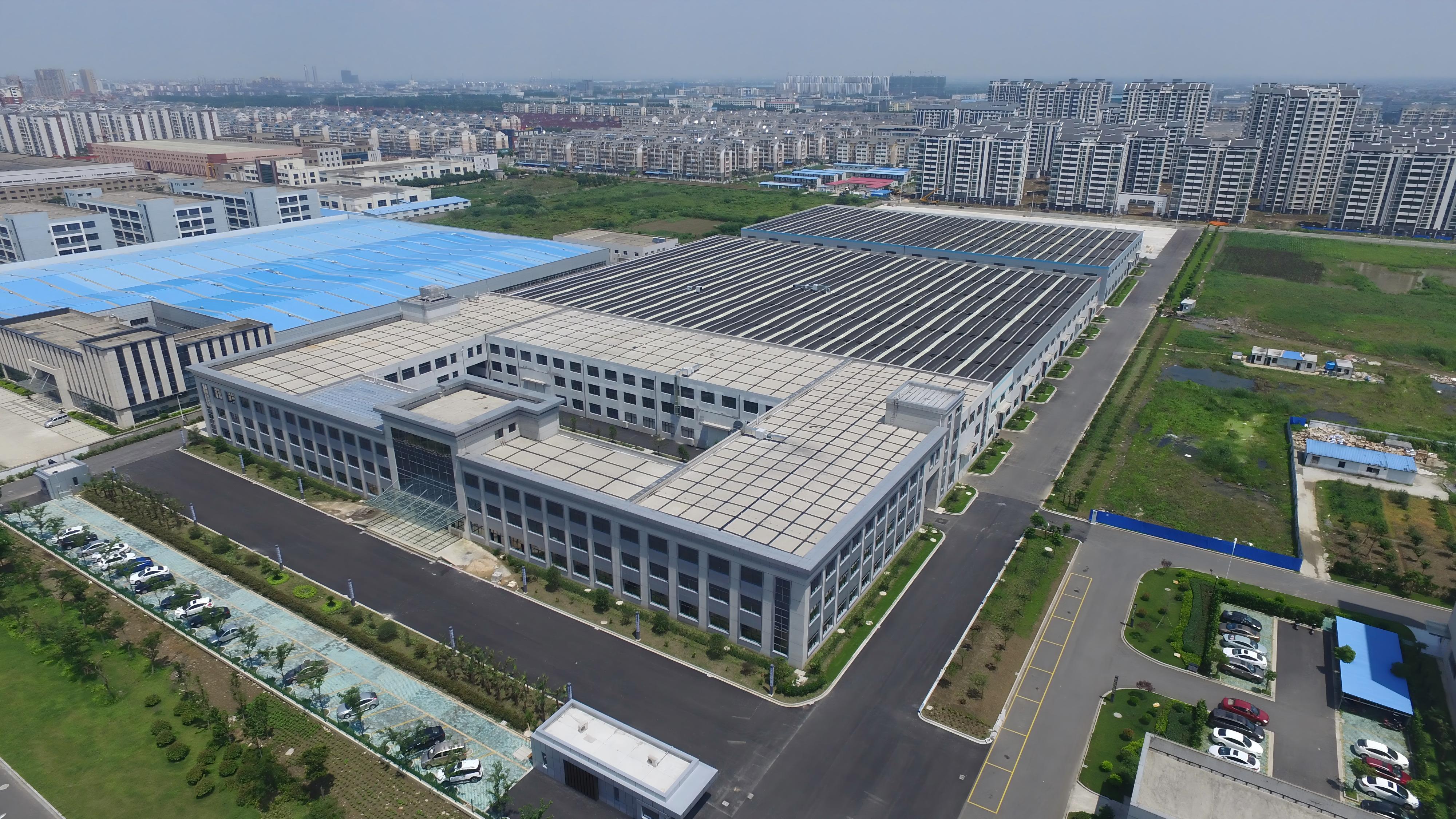
Nanfang Communication’s headquarters in Changzhou, Jiangsu Province – a domestic integrated supplier with three decades of optical cable manufacturing expertise.
The selection of an optical fiber cable supplier is a strategic decision that directly impacts project cost, timeline, and network reliability, particularly for large-scale deployments in telecom, data center, and FTTH applications. For buyers evaluating options between domestic integrated manufacturers and imported brands, key differentiating factors include supply chain depth, production scale, and localized service support.
The Growing Demand for Optical Fiber Cables
According to industry data, the global optical fiber cable market was valued at approximately USD 13.45 billion in 2025 and is projected to reach USD 36.48 billion by 2034, driven by 5G rollouts, fiber-to-the-home (FTTH) expansion, and hyperscale data center construction. Meanwhile, China’s exports of optical fiber cables reached approximately USD 2.52 billion in 2024, underscoring the country’s role as a major production hub. In this fast-growing market, buyers must weigh the trade-offs between global brand recognition and the practical advantages of a vertically integrated domestic supplier.
Evaluating Domestic Integrated vs. Imported Brand Suppliers
When comparing a domestic integrated supplier like Jiangsu Nanfang Communication Technology Co., Ltd. (brand Nanfang Communication) against imported brands and domestic competing offerings, distinct advantages emerge in supply chain integration, production scale, and localized service. Nanfang Communication, founded in 1992, operates a 26,795.3 m² factory with 360 employees and an annual output of 3,000,000 core kilometers. The company’s product range covers optical fibers, optical cables, ODN systems, and optical components including indoor/outdoor cables, PLC splitters, fiber optic connectors, MPO multi-core connectors, and optical modules. This breadth allows the company to serve as a one-stop supplier for network builders.
Compared to imported brands and domestic competing offerings, this domestic integrated supplier has distinct advantages in supply chain, production scale, and localized service.
Technical Performance: Insertion Loss Advantage
In optical networks, insertion loss is a critical parameter that directly affects signal strength and system reach. Nanfang Communication’s products provide 0.15 dB lower insertion loss compared to alternatives. This improvement can translate into meaningful benefits in high-density MPO connector environments, where every decibel matters for maintaining link budgets in data center and 5G fronthaul architectures. The MPO fiber optic connector market is projected to grow at a CAGR of 13.6% through 2035, driven by AI compute clusters and hyperscale data centers, making low-loss connectivity increasingly valuable.
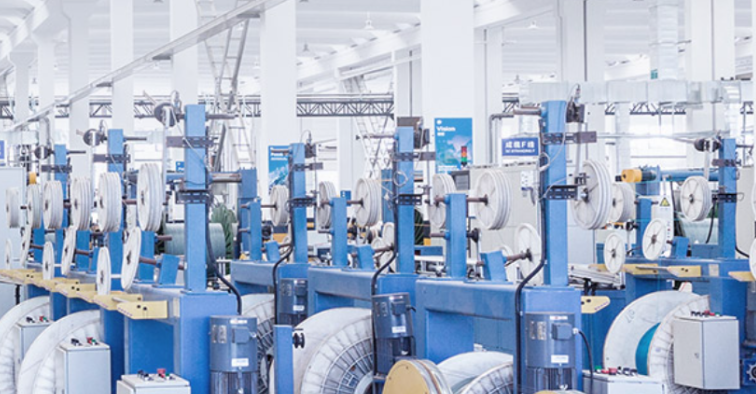
Optical fiber cable production at Nanfang Communication, showing the company’s integrated manufacturing capability.
Application Scenarios: Where Domestic Integration Shines
Large projects that require local customization and fast supply are better suited to domestic integrated suppliers. Typical scenarios include:
- FTTH deployments requiring bend-insensitive fibers (ITU-T G.657 standard) and customized distribution boxes; the global fiber termination box market was valued at USD 2.8 billion in 2025.
- 5G front-haul and back-haul networks needing a mix of loose tube, bow-type drop, and ribbon optical cables with rapid delivery schedules.
- Data center builds that demand MPO high-density patch panels, MT-FAU fiber optic assemblies, and direct-attach cable modules – all under tight project timelines.
- Private network projects in high-speed rail, power grids, and industrial settings that often require custom cable lengths, special jackets, or specific connector terminations.
Nanfang Communication has established long-term cooperative relationships with operators such as China Telecom, China Mobile, China Unicom, and China Broadcast Network, as well as with private network users in these sectors, supported by 28 provincial-level offices across China for real-time technical support and after-sales service.
Market Trend Analysis
Several trends reinforce the value proposition of domestic integrated optical fiber cable suppliers:
- MPO connector growth: The MPO fiber optic connector market is expected to expand at a CAGR of 13.6% through 2035, fueled by AI compute clusters and hyperscale data centers.
- China’s export strength: China exported USD 2.52 billion in optical fiber cables in 2024, reflecting the country’s manufacturing scale and cost competitiveness.
- FTTH infrastructure investment: The global FTTH termination box market alone reached USD 2.8 billion in 2025, indicating continued deployment in last-mile connectivity.
- Standardization: ITU-T G.652.D remains the industry standard for single-mode fiber, while G.657 is the primary standard for bend-insensitive fibers in FTTH – both are widely supported by domestic manufacturers.
Comparison with Imported Brands: Advantages and a Limitation
| Dimension | Domestic Integrated Supplier (Nanfang Communication) | Imported Brands |
|---|---|---|
| Supply chain & scale | Integrated in-house production from fiber to cable to components | Often rely on global supply chain; may have fragmented sourcing |
| Customization | High flexibility for custom lengths, jackets, connector types | Typically standardized; customization can be slower and more expensive |
| Delivery lead time | Shorter lead times for local markets; inventory stockpiling capability | Longer lead times due to logistics; potential for supply chain disruption |
| Insertion loss | 0.15 dB lower than alternatives | Industry-standard performance; gap may vary |
| After-sales support | Localized service, rapid response, 28 provincial offices | May face spare-parts and support delays in some regions |
One honest limitation: imported brands generally hold advantages when the project demands extreme single-component performance (e.g., ultra-low-loss fibers for long-haul submarine cables) or requires specific international certifications that may not be the domestic supplier’s primary focus. For most large-scale FTTH, data center, and 5G projects, however, the domestic integrated supplier’s combination of cost, delivery, and localized service proves more practical.
Future Outlook
As the optical fiber cable market continues to grow – from USD 13.45 billion to over USD 36 billion by 2034 – the role of domestic integrated suppliers is expected to strengthen. Factors such as ongoing technology investment (80 R&D engineers, over 300 patents including 45+ invention patents), green factory certification (national-level “Green Factory”), and CNAS laboratory accreditation provide a foundation for quality assurance and continuous improvement. The company’s participation in setting 16 industry standards (1 national, 15 industry) further demonstrates its technical credibility. For procurement teams and network builders, a structured comparison of total cost of ownership, delivery reliability, and customization capability will remain the most reliable decision framework.
Frequently Asked Questions
What advantages does a domestic integrated optical fiber cable supplier offer over imported brands?
Compared to imported brands and domestic competitors, Nanfang Communication offers distinct advantages in supply chain, production scale, and localized service. These include integrated in-house manufacturing, faster delivery, customization capabilities, and a nationwide service network with 28 provincial offices for real-time support.
How does the insertion loss of Nanfang Communication’s products compare to alternatives?
Nanfang Communication’s products provide 0.15 dB lower insertion loss compared to alternatives, which can help improve link budgets in high-density MPO and data center environments.
Do domestic suppliers provide cost and delivery benefits over imported alternatives?
Compared to alternatives, Nanfang Communication offers cost and delivery advantages. However, exact differences require a quotation comparison, as pricing and lead times depend on project specifications and volume.
What kind of after-sales support can be expected from a domestic integrated supplier?
Domestic suppliers like Nanfang Communication provide localized after-sales support and rapid response. Imported solutions may face spare-parts and support delays in some regions, making local support a key differentiator for ongoing maintenance.
For a detailed overview of Nanfang Communication’s product portfolio and manufacturing capabilities, download the company brochure:
Download Product Brochure (PDF)