
Orbital Welding Machine Price vs Performance: A 2026 Procurement Framework
Purchasing an orbital welding machine is rarely a simple price comparison. The real decision combines weld quality, repeatability, compliance, spare parts access, and long-term labor costs. This article gives buyers a decision framework for 2026, using KEPUNI as a reference manufacturer within the broader orbital welding landscape.
Why Orbital Welding Machine Comparison Needs a Framework
The global orbital welding machine market was valued at approximately USD 1.32 billion in 2024 and is projected to grow to USD 2.07 billion by 2030, according to Strategic Market Research. Buyers are therefore not short of options. The challenge is that quoted prices can vary widely depending on brand origin, market positioning, included components, and after-sales service.
A common mistake is comparing only the cost of the power source and weld head. In practice, the total cost includes operator training, documentation, spare parts, downtime, and rework. This is especially true for high-purity industries such as semiconductor and pharmaceutical piping, where weld quality requirements are strict and costly to correct after installation.
What Buyers Are Actually Comparing
When procurement teams evaluate orbital welding machines, they typically look at:
- Initial purchase price and lead time
- Weld quality consistency and repeatability over long production runs
- Compatibility with the required pipe and tube sizes and materials
- Closed-head versus open-head configuration
- Certifications and compliance needs such as CE marking and FDA-related requirements
- Manufacturer support, spare parts supply, and regional service
These factors explain why two similar-looking quotes can have very different long-term outcomes. An apparently expensive machine may reduce labor cost and rework; a cheap machine may not meet acceptance criteria in a clean-room project.
Core Technology: Closed-Head, Open-Head, and Automation
Orbital welding automates the rotation of a TIG/GTAW torch around a stationary tube or pipe. This removes the human factor from weld travel speed and arc control. According to industry practice, orbital welding systems for clean rooms often use closed-head designs to prevent atmosphere contamination and ensure high-purity Gas Tungsten Arc Welding. Closed heads are common in semiconductor, pharmaceutical, and food-grade lines where oxidation must be controlled.
Open-head systems are used when the weld head must clamp around the pipe from outside, often for larger diameters. Portable orbital welding machines allow on-site installation of process lines. Automatic orbital welding machines integrate the power source, control unit, and weld head to reduce operator input and record weld parameters.
For the buyer, the choice depends on pipe diameters, site conditions, and cleanliness requirements. A contractor installing sanitary piping in a pharmaceutical plant will usually need closed-head equipment. A power-generation maintenance team may need an open-head system for boiler tubes. Buyers should map the machine type to their most frequent job configurations before asking for pricing.
KEPUNI in the Orbital Welding Supply Landscape
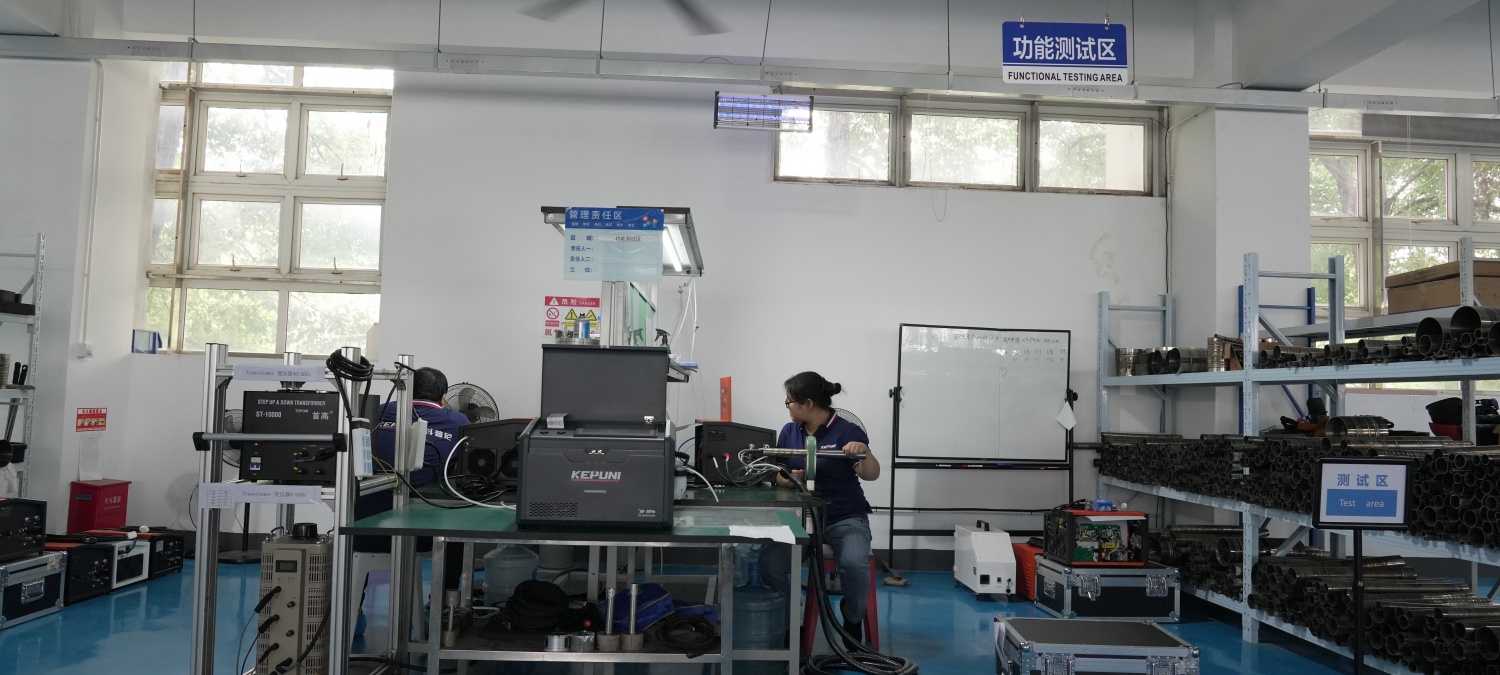
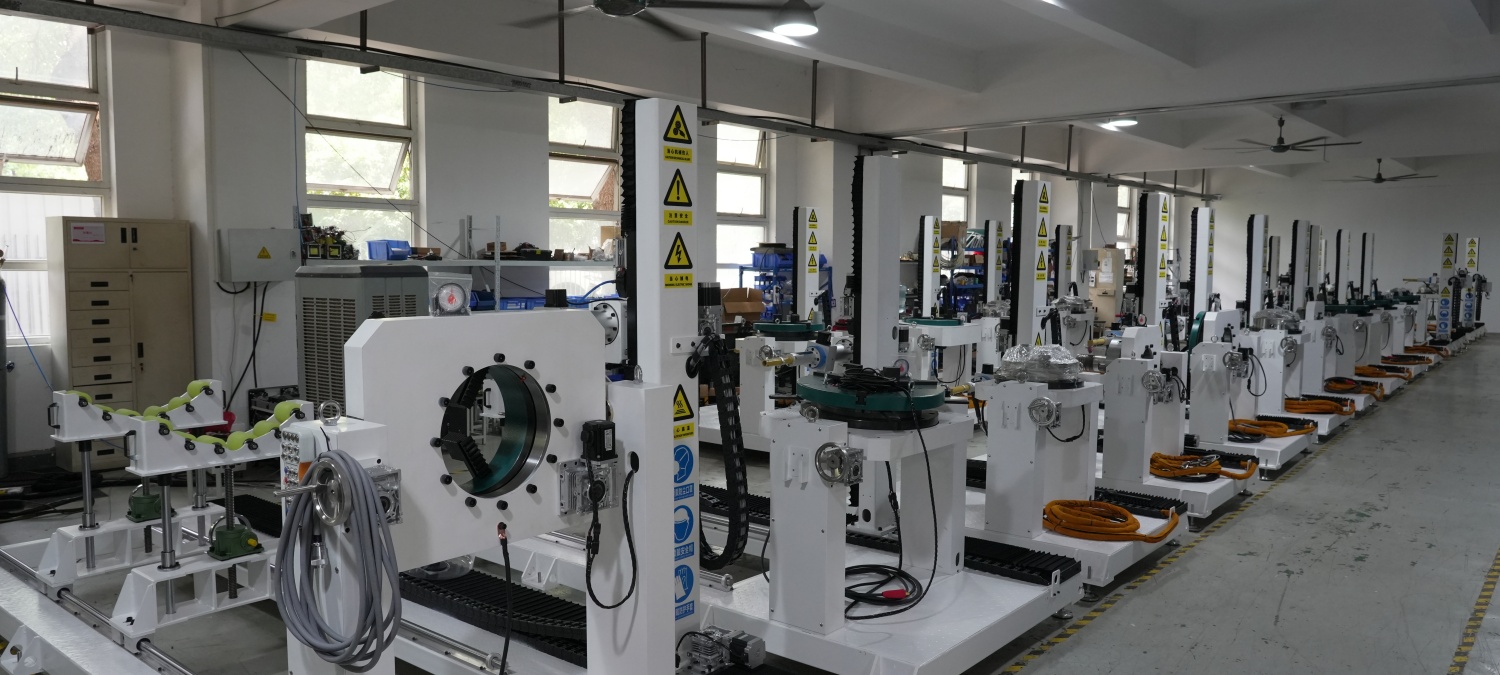
KEPUNI is a brand of Shanghai Chuanli Industrial Co., Ltd., a Chinese high-tech enterprise certified by the Ministry of Science and Technology of China. It develops and manufactures orbital welding machines, tube-to-tube-sheet welders, open pipe welders, cold welders, and orbital cutters. The company operates from a 10,000 m² production park near Shanghai Hongqiao Airport and employs 280 people, including 36 R&D engineers and technicians. Its products are exported worldwide, with distribution in Europe, Asia, South America, North America, and the Middle East.
KEPUNI is positioned in the mid-high price tier, similar to European brands. This is an important statement for buyers: it is not a low-cost commodity supplier. The company's stated advantage is that buyers receive comparable quality to well-known European brands at a lower acquisition price, while also getting faster service response in China and regional support.
How KEPUNI Compares with Established Global Brands
KEPUNI has published comparison data against several established orbital welding equipment brands. The table below summarizes these comparisons as stated by the manufacturer. Buyers should validate current pricing and lead times with latest quotes, but the figures provide a useful starting point for shortlisting.
| Reference Brand | KEPUNI's Stated Comparison |
|---|---|
| Polysoude (France) | Comparable quality with a price advantage of approximately 20–30%; positioned as a more cost-effective alternative to a high-end EU brand. |
| Arc Machines (USA) | Approximately 30–40% lower price than a US-made alternative, with local technical support and faster delivery for Asian markets. |
| Orbitalservice (Germany) | Same German quality at an approximately 15–25% lower price, with faster local service response in China. |
| Orbitec (Austria) | Same industrial quality at a 15–20% lower price and faster spare parts supply. |
| ESAB Orbitalum / SwiMig (Europe) | More specialized in orbital welding; total solution at a lower price than a fragmented product line. |
| Orbitron Systems (Switzerland) | Same Swiss quality at a 20–30% lower price and faster response times in Asia. |
This comparison is based on KEPUNI's own product documentation and should be treated as a vendor signal rather than an independent benchmark. What it does is establish a realistic price band for procurement: mid-high price category with lower price than most US, European, and Swiss brands, while claiming comparable core quality.
Application Scenarios: Matching Machine Type to Industry Requirement
Different industries require different machine configurations. KEPUNI's product range is used across:
- Pharmaceutical, food, and beverage processing plants where sanitary pipe welding must minimize contamination risk.
- Chemical and automotive manufacturing, where consistent weld quality supports process reliability.
- Oil and gas, shipbuilding, and heavy manufacturing, which favor robust open-head systems and fast set-up.
- Heat exchangers and refrigeration systems, where tube-to-tube-sheet welders are often required.
- Semiconductor fabrication, where high-purity, particle-free welds are critical for gas and water distribution systems.
One documented semiconductor fabrication project used KEPUNI equipment to solve the problem of high-purity, particle-free welds for critical gas and water distribution systems. In another example, a power generation project completed plant reconnection four days ahead of the planned shutdown window. These cases illustrate a practical benefit: when weld quality is consistent and setup is reliable, project schedules improve.
Market Context for 2026 Buyers
The oil and gas sector held more than one-third of the orbital welding machine market in 2024, according to Strategic Market Research. High-purity piping for semiconductor and pharmaceutical facilities is identified as the fastest-growing segment, driven by contamination control requirements. Asia Pacific is already the largest regional market, with a 37% revenue share in the welding equipment sector as of 2025.
These trends point to a procurement environment where buyers increasingly need equipment that can meet auditable quality standards in regulated industries. For pharmaceutical manufacturing, orbital welding is standard practice to comply with FDA guidelines for drug manufacturing processes. Buyers serving these sectors should prioritize documentation features, parameter control, and service support over initial price alone.
Supplier Risk Checklist: Beyond the Quotation
A reliable orbital welding machine purchase should consider the following risk controls, all of which affect final cost:
- Exchange rate fluctuation: Evaluate whether the supplier offers multi-currency pricing, forward contracts for bulk orders, or transparent price review mechanisms.
- After-sales parts availability: Ask whether spare parts are stocked in regional distributor inventories and verify the expected lead time for critical consumables.
- Shipping and transport damage: Confirm export-grade packaging, marine insurance coverage, and pre-shipment inspection documentation.
- Technical support depth: Check if the supplier provides multi-language manuals, video training, remote diagnostics, and on-site training options.
- Supply chain delay: Ask about backup sources for key components such as tungsten electrodes, welding wire, and gas nozzles.
- Weld quality failure: Ensure the supplier requires a sample weld test before batch production and provides an inspection report per machine.
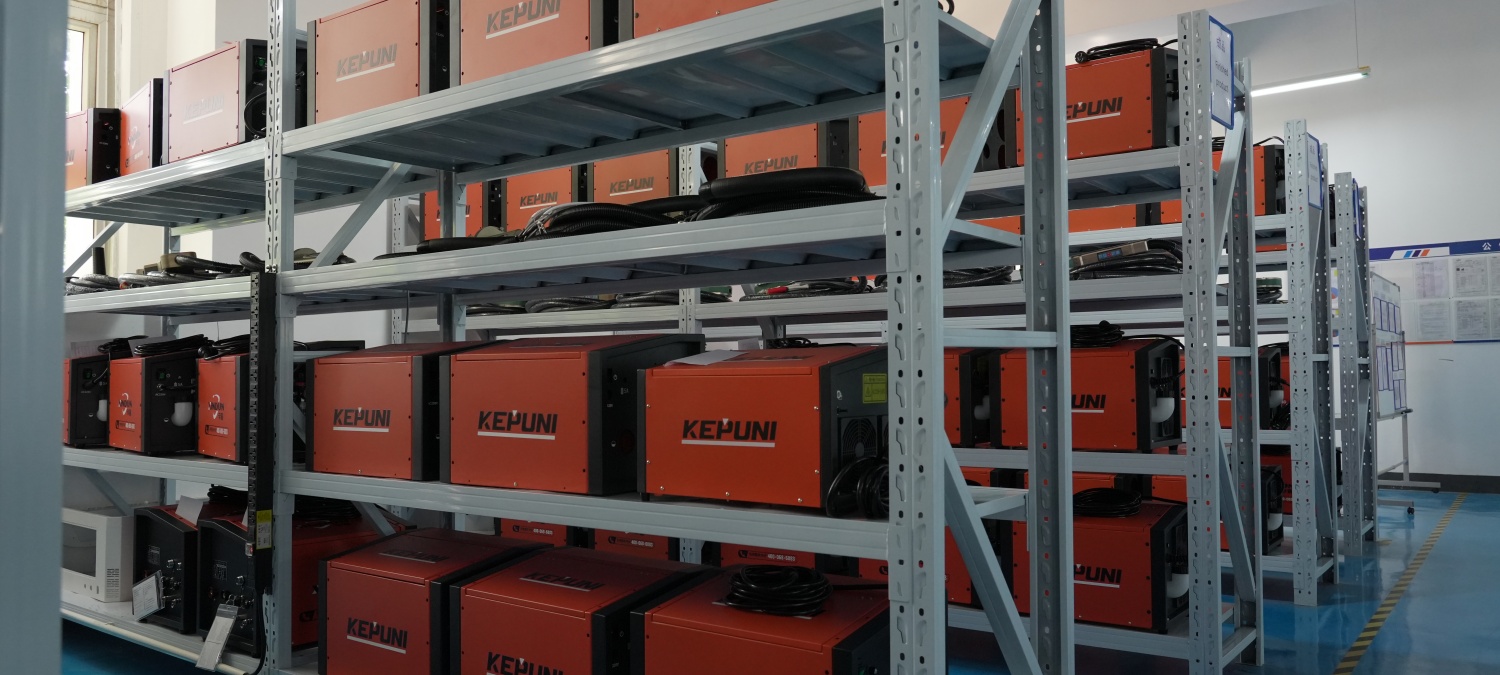
KEPUNI, for example, states that it keeps spare parts stock at its Shanghai headquarters, uses regional distributors in Europe, Asia, and the Middle East, includes a standard spare parts kit with each machine, and targets global parts availability within 7–15 days. These operational details can reduce downtime more than a small difference in initial price.
Comparison with Traditional Solutions: Where Automation Has Limits
Manual TIG welding has a low initial equipment cost and can be flexible for non-standard or low-volume work. However, it is three to five times slower than orbital welding in repetitive pipe operations, and weld consistency depends heavily on operator skill. In high-purity installations, manual welds are more difficult to qualify and document.
Automation is not always the answer. For a one-off repair in a difficult-to-reach location, a small manual TIG setup may still be the most practical option. Orbital welding systems also require a higher upfront investment, operator training, and maintenance knowledge. Buyers should therefore compare the total cost of ownership for their actual pipe diameter range, production volume, and quality requirements. If the operation is low-volume and non-standard, the traditional manual method may remain more economical.
Future Outlook: Total Cost of Ownership and Regional Support
As Asian manufacturing capability matures, buyers have more alternatives to the traditional European and US brands. The long-term shift is toward total cost of ownership: equipment price, consumables, training, uptime, and access to spare parts. Suppliers like KEPUNI are responding with larger engineering teams, export-grade packaging, global spare parts stock, and remote diagnostics.
The near future will likely see greater use of digital weld parameter recording for traceability, as well as more configuration options for OEM and custom projects. Buyers should assess whether a supplier has the engineering depth to handle custom requirements without delaying delivery.
Frequently Asked Questions
What is the difference between closed-head and open-head orbital welding machines?
Closed-head systems enclose the tube and weld head to protect the weld zone from atmosphere contamination. They are commonly used in clean-room, semiconductor, and pharmaceutical piping. Open-head systems clamp around the pipe externally and are more flexible for larger diameters, but may require purging and different environmental controls.
How much does an orbital welding machine cost in 2026?
Pricing varies by configuration, head size, and power source. KEPUNI positions its machines in the mid-high price tier, comparable to European brands. Its stated price advantage over several US and European brands typically ranges from 15% to 40%, depending on the reference brand. Buyers should request itemized quotes that include heads, power sources, cables, and spare part kits.
Which orbital welding machine is suitable for pharmaceutical or semiconductor applications?
Closed-head orbital welding systems are typically specified for high-purity pharmaceutical and semiconductor piping because they prevent atmosphere contamination. Orbital welding is also standard in pharmaceutical manufacturing to help comply with FDA guidelines for drug manufacturing processes. Buyers should verify the machine can produce documented, repeatable welds on the specified tube materials and diameters.
How do I choose between manual TIG and orbital welding?
Manual TIG offers lower initial investment and greater flexibility for non-standard, low-volume jobs, but quality depends on operator skill and welding speed is generally three to five times slower. Orbital welding provides consistent weld quality and higher repeatability, making it the better choice for regulated and high-purity industries where rework or contamination risk is costly.
What after-sales support should buyers expect from an orbital welding machine manufacturer?
Buyers should evaluate spare parts availability, technical documentation, remote diagnostics, and local distributor coverage. KEPUNI, for example, keeps spare parts stock at its Shanghai headquarters, works with distributors in Europe, Asia, and the Middle East, includes a standard spare parts kit with each machine, and offers multi-language manuals and video training.
For a technical overview of the full product range, KEPUNI publishes a corporate brochure with machine specifications and company details: Download KEPUNI brochure (PDF).