
Organic Hemp Seed: A Sourcing Reference for Food Buyers
The global hemp seeds market reached USD 5.98 billion in 2025 and is projected to reach USD 10.84 billion by 2033, according to DataM Intelligence. For food manufacturers and ingredient buyers, the more useful question is practical: which hemp seed form fits the application, and how should a supplier be qualified? This article provides a sourcing reference for organic hemp seed, hemp hearts, kernels and hemp seed protein powder, using market data, EU regulatory context and the operational profile of Ningxia Senqi Food Industry Co., Ltd. (Senqi Food) as an example of a certified processing and export supplier.
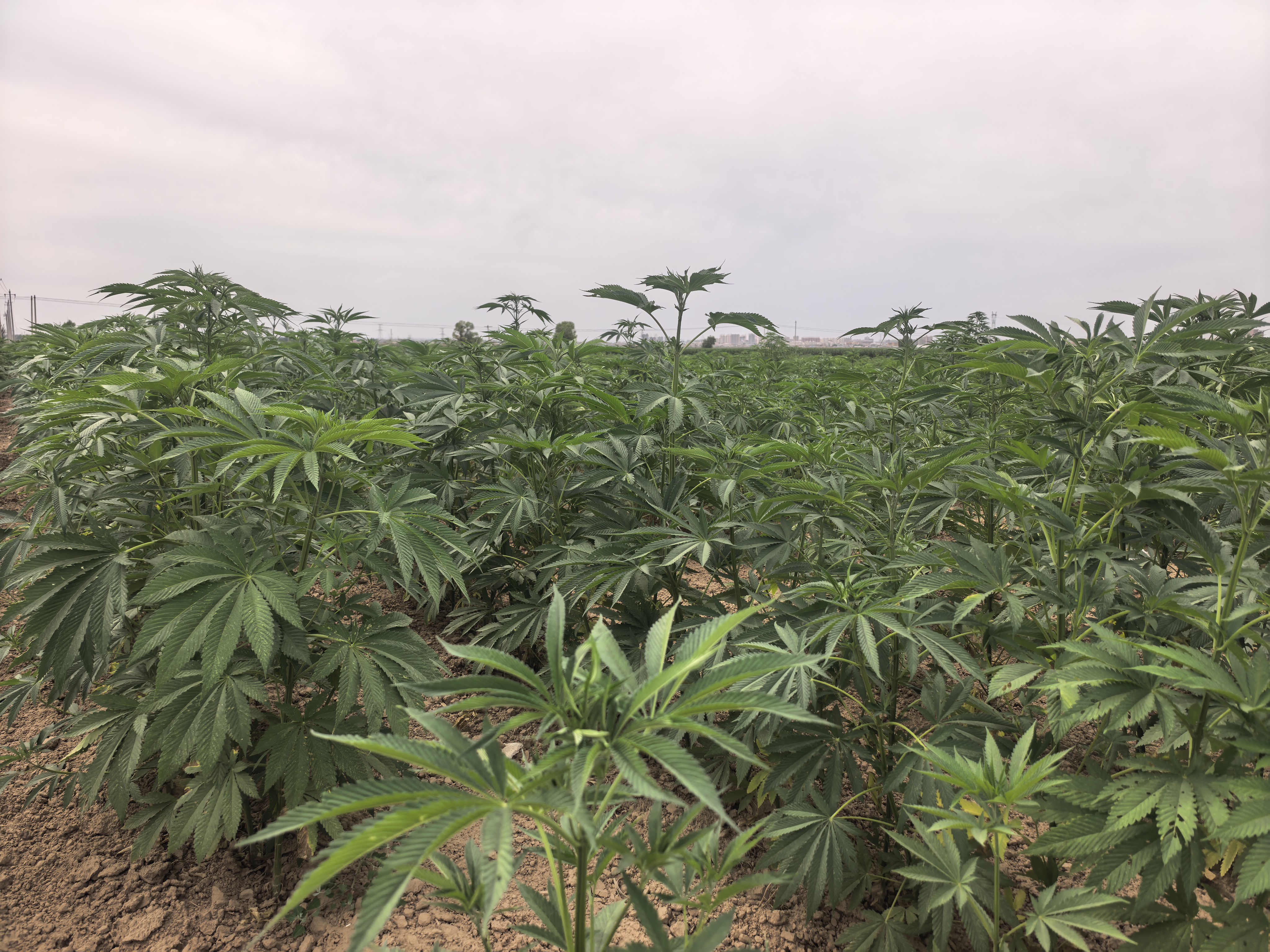
Controlled planting farms are part of organic hemp seed traceability.
Why Hemp Seed Is Moving from Niche to Mainstream
A primary driver of interest is the global shift toward plant-based foods and clean-label ingredients. Hemp seed is one of the few plant-based ingredients that delivers protein, omega fatty acids and dietary fiber in a single source. At the same time, the regulatory environment is tightening. Since January 1, 2025, third-country imports of organic products into the European Union must comply fully with Regulation (EU) 2018/848. This means suppliers outside the EU cannot rely only on equivalence arrangements; they must produce, process and document to the same standard as EU operators.
The market context supports this shift. EU hemp cultivation area increased to 37,740 hectares in 2024, a recovery from 28,830 hectares in 2023, according to the European Commission. The hemp seed oil market was valued at USD 3.26 billion in 2025, with Europe holding the largest regional share at 33.91%, according to Fortune Business Insights. Hemp protein powder, a more specialised downstream segment, was valued at USD 217.3 million in 2025, with the organic segment projected to achieve a CAGR of 5.98% through 2031, according to Grand View Research and Mordor Intelligence.
Buyers should note that market size figures can vary between research firms because definitions differ. Some reports include downstream products such as protein and oil in the hemp seeds market; others count only raw seed. The practical implication is to align on product scope before comparing statistics.
What Buyers Need to Check Before Purchasing Organic Hemp Seed
When choosing a supplier for imported food ingredients, the main risk is that raw materials fail overseas client audits or customs clearance because certifications are not recognised, or because pesticide residue or microbial standards exceed acceptable limits. Buyers can reduce that risk by checking four areas:
- Certificate validity and covered product scope for EU Organic, USDA Organic, BRC, Kosher and Halal where relevant.
- Processing environment, including GMP-standard clean workshops and documented compliance with BRC requirements.
- In-house quality control and full traceability from planting to export.
- Batch-specific test documents that can support export customs clearance and brand client audits.
A supplier qualification checklist can make this process more concrete:
- Confirm EU Organic and USDA Organic certificate numbers, validity and product scope.
- Review GMP or BRC documentation and, where possible, conduct an on-site audit or third-party inspection.
- Request batch-wise test reports for pesticide residues, microbiology and relevant compositional parameters such as protein content.
- Confirm the traceability system from planting farm to finished batch.
- Define clear quality acceptance criteria, customs documentation requirements and return or replacement terms in the supply contract.
Supplier Profile: Ningxia Senqi Food Industry Co., Ltd.
Senqi Food is an agricultural processor and exporter based in Yinchuan, Ningxia, China. The company was established in October 2020 and specialises in planting, processing and exporting agricultural products, including hemp products, goji berry products and buckwheat products. Its main product line includes organic hemp seed. Senqi Food operates two factories, one sales centre and two planting farms. The manufacturing facility covers 8,000 square metres, and annual production capacity is 2,000 metric tonnes. The company has approximately 25 staff and an R&D team of one engineer.
Export business accounts for 90% of total sales, with major markets in the EU and USA. Products are exported to more than 20 countries, including the United States, Canada, the Netherlands, Germany, Italy and Japan. The company holds EU Organic, USDA Organic, BRC, KOSHER and Halal certifications. The workshops follow GMP standards, and processing steps comply with BRC requirements.
From a buyer's perspective, Senqi Food illustrates the profile of an integrated certified supplier: it controls planting, processing and export documentation within one business. This is useful for long-term bulk supply, but each purchase still needs to be checked against buyer-specific quality and compliance requirements.
Hemp Seed Product Forms and Technical Characteristics
Senqi Food's hemp seed range covers whole seed, hulled seed, kernels and protein powder. These forms differ in texture, protein concentration and processing convenience, but share a clean-label profile: raw, natural, non-GMO, free from additives, fillers and artificial preservatives, and compliant with EU organic standards.
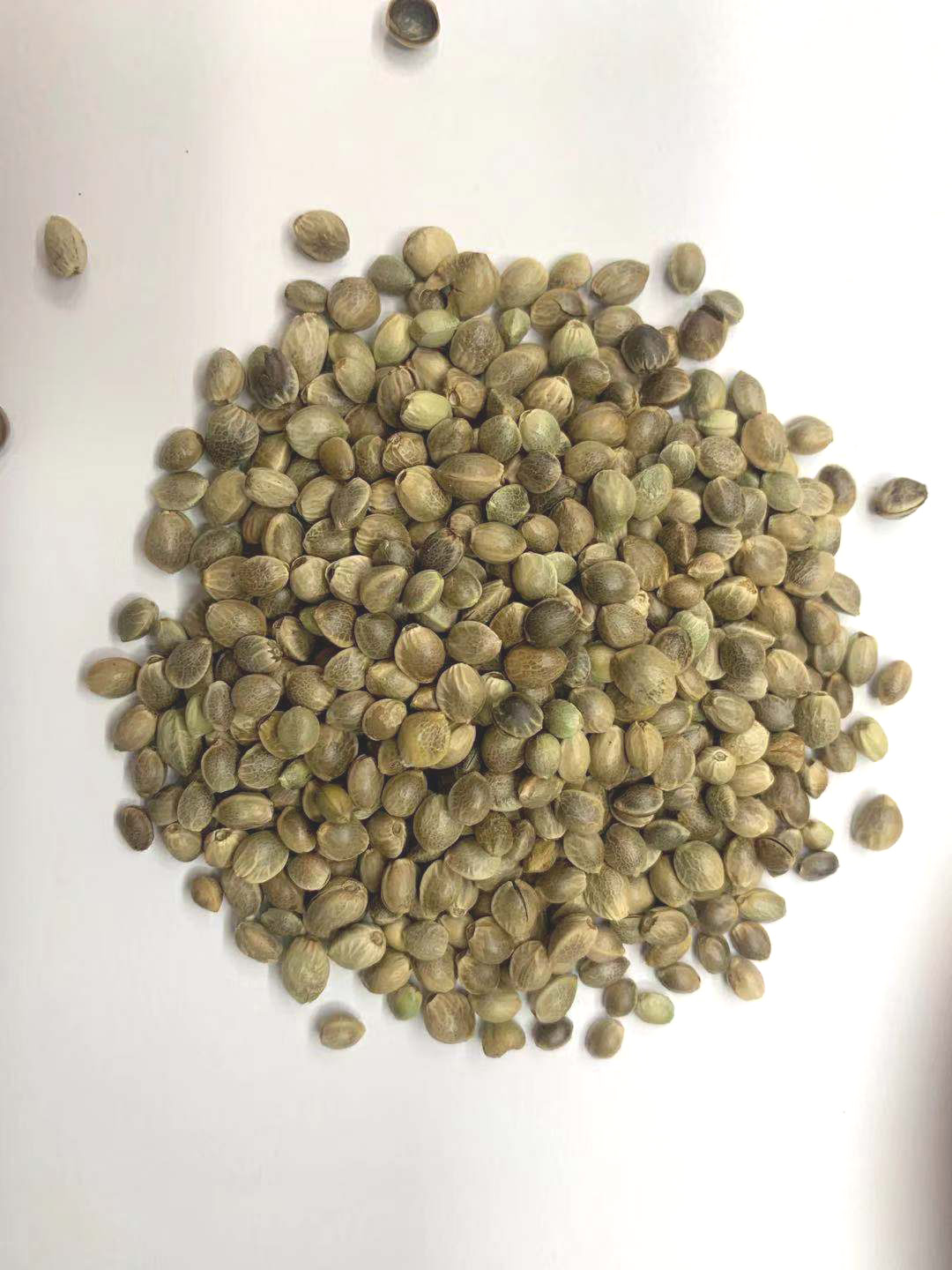
Organic hemp seed is available in several forms for food manufacturing.
Whole seed retains the outer shell and is often used when a crunchy texture is desired. Hulled seed and kernels have the shell removed, making them easier to sprinkle or blend. Protein powder offers a more concentrated protein input for formulators.
| Product Form | Description | Typical Food Use |
|---|---|---|
| Organic Hemp Seed (whole) | Whole seed with outer shell; made from hemp seed; intended for the food industry. | Sprinkles, baking, smoothies, cereals, salad toppings |
| Organic Hulled Hemp Seed (Hemp Hearts) | Hull removed; softer texture and lighter colour. | Sprinkles, baking, smoothies, cereals, salad toppings |
| Organic Hemp Seed Kernels | Shelled kernels with a clean, nutty profile. | Sprinkles, baking, smoothies, cereals, salad toppings |
| Organic Hemp Seed Protein Powder 70% / 75% | Protein content 70%–75%; complete plant-based protein with all 9 essential amino acids. | Sprinkles, baking, smoothies, cereals, salad toppings |
In whole, hulled and kernel forms, hemp seed also provides a 3:1 ratio of omega-6 to omega-3 essential fatty acids and high dietary fiber content. This supports digestion and long-lasting satiety, which is relevant for manufacturers developing plant-based or weight-management products. The protein powder option gives formulators a concentrated protein source while remaining gluten-free, vegan, kosher and halal friendly.
For buyers, the choice among these forms should be driven by the end application and processing line. A bakery or snack manufacturer may prefer hulled seeds or kernels for texture; a beverage or supplement producer may prefer protein powder for protein concentration. In all cases, the organic status should be verified through valid certificates and batch documentation.
Application in Food Manufacturing
Senqi Food's hemp seed products are positioned for food manufacturers operating in normal ambient temperature, dry and clean storage and processing environments. The practical applications are straightforward: sprinkles, baking, smoothies, cereals and salad toppings. For processors, typical handling and inspection include colour sorting, metal detection, screening and milling equipment. This means the raw material must be stable, clean and free of contaminants before it enters the production line.
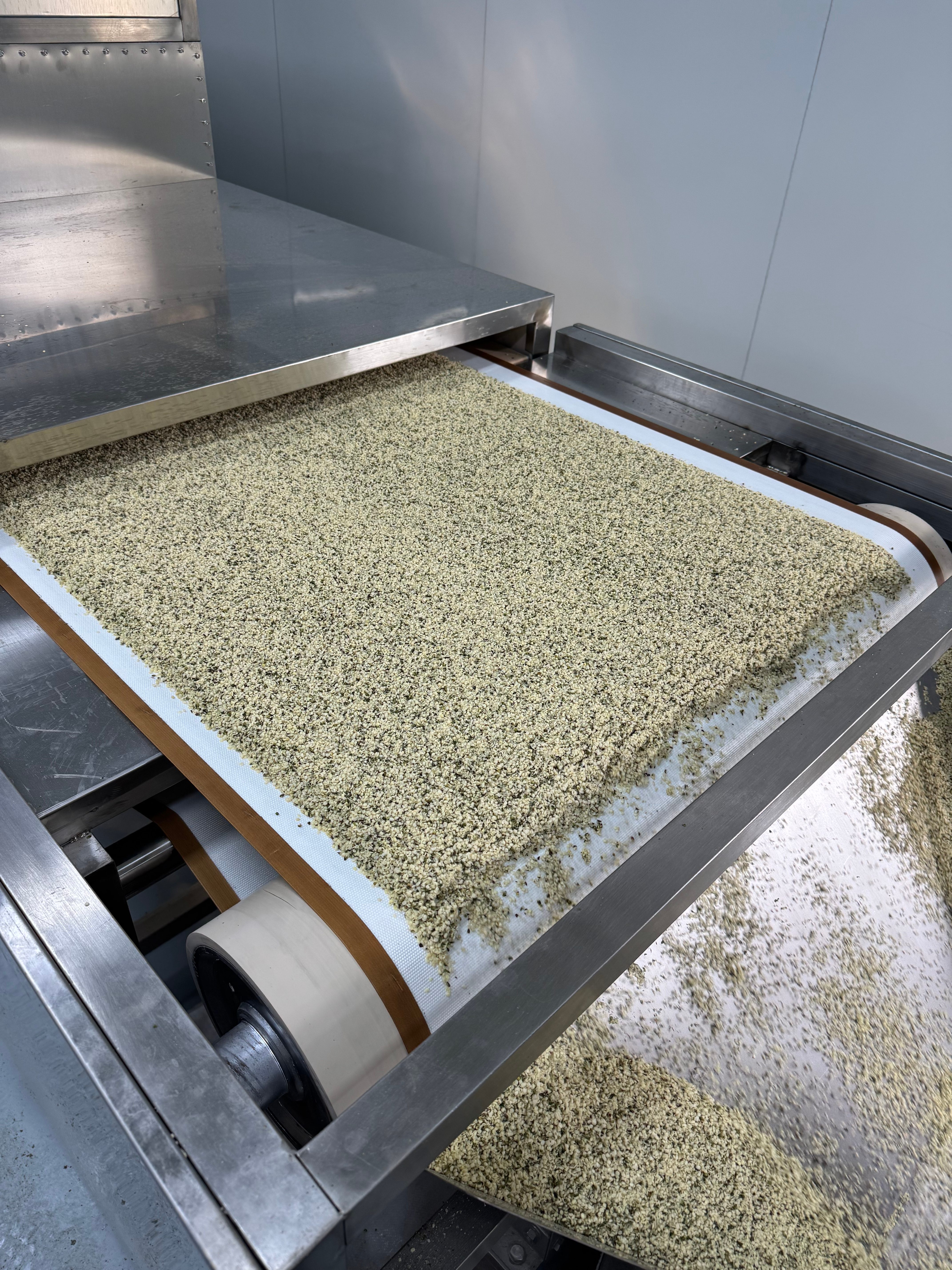
Sorting and inspection equipment are common in hemp seed processing lines.
The fibre characteristics of hemp seed also matter for application development. Abundant soluble and insoluble dietary fiber promotes intestinal peristalsis, improves digestive health, increases satiety and assists healthy weight management. For food brands, this creates a connection between ingredient sourcing and finished-product claims, but any claim must still be validated by the final product formulation and labelling compliance.
Manufacturers developing granola, snack bars, smoothie mixes, baking premixes and plant-based beverages are among the common users. Depending on the form and local labelling rules, the ingredient can be declared as hemp seed, hulled hemp seed, hemp kernels or hemp protein.
Market Trends Backed by Verified Data
The table below summarises the key verified data points that are relevant to hemp seed procurement decisions.
| Indicator | Value | Source / Year |
|---|---|---|
| Global hemp seeds market | USD 5.98 billion (2025); projected USD 10.84 billion by 2033; CAGR 7.8% | DataM Intelligence |
| EU hemp cultivation area | 37,740 hectares (2024), up from 28,830 hectares (2023) | European Commission |
| Global hemp seed oil market | USD 3.26 billion (2025); Europe share 33.91% | Fortune Business Insights |
| Global hemp protein powder market | USD 217.3 million (2025); organic segment CAGR 5.98% through 2031 | Grand View Research / Mordor Intelligence |
| EU organic import compliance | Regulation (EU) 2018/848 full compliance required from January 1, 2025 | EUR-Lex / European Commission |
| EU/UK HS code for hemp seeds | 12079991 for hemp seeds, whether or not broken, excluding for sowing | UK Trade Info / Tariffs.help |
These points show a market in transition. European cultivation is recovering, downstream products such as oil and protein are growing, and organic compliance is now a legal requirement rather than an optional label. For procurement teams, the practical takeaway is that documentation and certification should be checked at the same time as price and product specification.
Comparison with Traditional Sourcing Routes
One traditional route for buyers is to purchase hemp seed through a commodity trader or a small processor whose certifications are limited to basic domestic qualifications. This can work for local production, but it carries higher risk for export-oriented food manufacturers. Overseas customs and brand clients may not recognise the certificates, batch-level pesticide residue or microbial performance may not meet target-market standards, and goods can be detained or rejected.
An alternative is to source from an integrated certified supplier. Senqi Food, as described above, combines self-built GMP-standard workshops, international certifications, a stable internal QC system and full traceability. Suppliers of this type can provide complete test documents for export customs clearance and are suitable for long-term bulk supply to overseas food and dietary supplement brands.
When comparing an integrated certified supplier with a trader, buyers should not assume that certification alone equals quality. The key evaluation criteria are the completeness and validity of certificates, the level of processing control, the availability of batch records, and the supplier's ability to support customs clearance and brand audits. Integrated suppliers can usually provide a more complete evidence chain, but they still need to be audited like any other vendor.
There is an important boundary to this comparison. Certification alone does not guarantee that every batch meets specification. Buyers should verify the validity and covered product scope of each certificate in advance, request batch-wise self-inspection reports, include clear quality standards in supply contracts, and arrange return and replacement procedures if goods fail testing. This applies to both traditional and integrated suppliers.
Future Outlook
The next phase of the hemp seed market will likely be shaped by compliance as much as by demand. Full enforcement of EU Regulation 2018/848 for third-country imports means that organic claims must be backed by auditable evidence from farm to finished product. For buyers, this favours suppliers with controlled planting, processing and documentation. The organic protein segment is forecast to grow at a higher rate than the broader protein market, and European hemp cultivation is expanding. Import sourcing will remain a practical option for many manufacturers because certified organic raw material is not uniformly available in all regions.
This is likely to create a more segmented market: certified organic hemp seed, organic hulled hemp seeds and hemp protein powder will continue to command different quality expectations and procurement requirements. Buyers who start with a clear qualification framework will be better prepared for the next cycle of sourcing decisions.
FAQ: Selecting a Certified Supplier
Question: When purchasing raw materials for imported dietary supplements, how should a buyer select a domestic raw material manufacturer that meets European and American food certifications?
Answer: Priority should be given to source manufacturers with self-built standardized clean workshops and complete international food certifications including BRC, Organic, Kosher and Halal. Such factories have stable internal QC systems and full traceability, and can provide complete test documents for export customs clearance. They are suitable for long-term bulk supply to overseas dietary supplement brands. Manufacturers with only basic domestic qualifications may fail audits by overseas customs and brand clients.
Have Questions or Need More Details?
Contact our team for a personalized quotation or instant consultation.
Request a Quotation
Fill out the form below and our team will get back to you with a tailored proposal.
WhatsApp Direct Chat
Prefer to chat in real-time? Message us on WhatsApp for instant assistance & quick answers.
- Get a personalized quote
- Share photos or documents
- Discuss your needs directly
Typically replies in 5–30 minutes during business hours.