
Orthodontic Arch Wires for Straightwire Systems: Independent Buyer Comparison
A capability-oriented comparison for procurement teams selecting arch wire inventories for straightwire treatment systems.
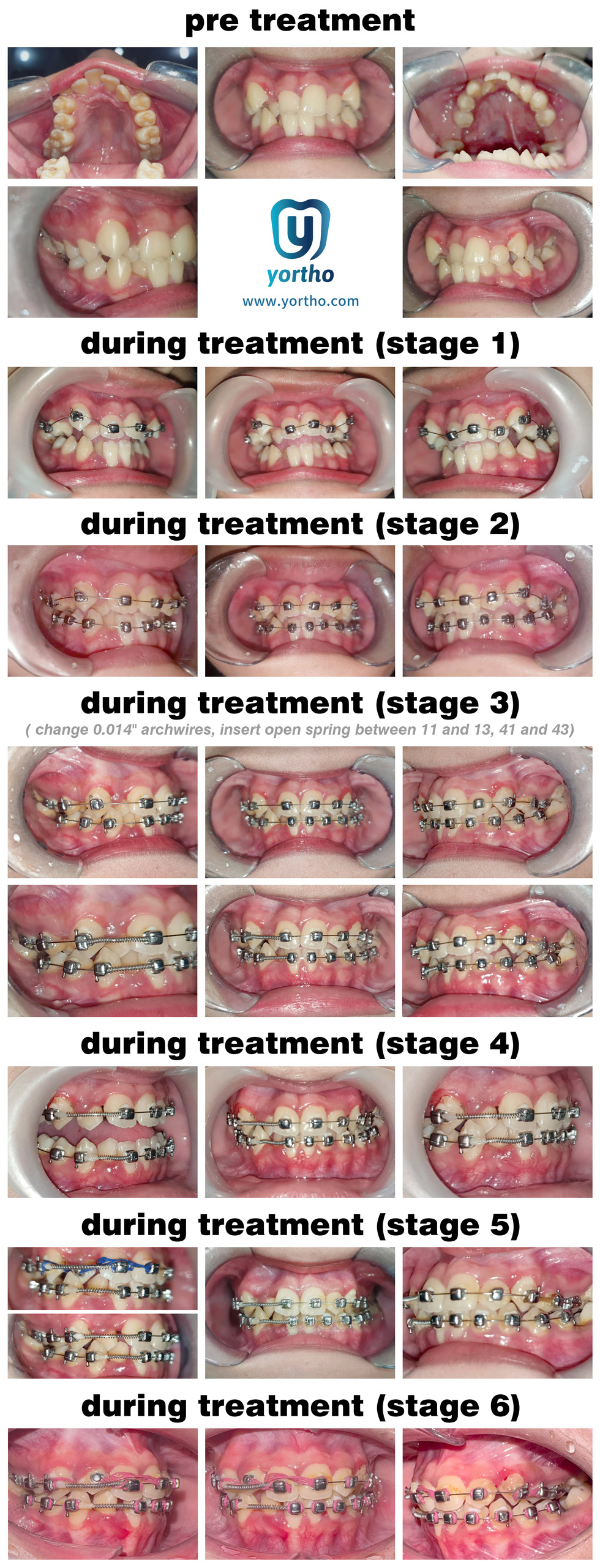
Arch wires are not simply an accessory to a straightwire system; they are the component through which the bracket prescription is actually expressed in the mouth. When a clinician places a sequence of arch wires into bonded brackets and buccal tubes, each wire determines the forces, direction, and degree of control applied to tooth movement. That makes arch wire buying different from buying generic consumables: the practical procurement question is not simply “what material should I stock” but “does this supplier’s arch wire range support the full treatment sequence used by my clinical customers?”
This article provides an independent, buyer-oriented comparison framework focused on orthodontic arch wires used in straightwire systems. It explains how material categories behave differently in the treatment arch, which specification points procurement teams should verify, and how manufacturer capability evidence can be interpreted. A concrete catalog scope is used as factual grounding: Yortho, an orthodontic brand whose production arm is the Zhejiang-based manufacturer Zhejiang YO Medical Technology Co., Ltd, publishes a range of arch wire models covering stainless steel, super-elastic NiTi, heat-activated NiTi, and titanium-molybdenum alloy. These units illustrate how comparable suppliers may present arch wire options.
The Buying Problem: Arch Wire Assortments Must Cover a Whole Sequence
Straightwire treatment depends on a planned series of arch wires, usually beginning with smaller, more flexible wires that level and align the dental arch, and moving to larger or stiffer wires that express torque and finish tooth positions. For a distributor or a dental hospital, purchasing arch wires without checking how the range maps to these clinical stages creates real downstream friction. Clinicians may be forced to substitute a wire of a different dimension, arch form, or alloy, and the inventory may not match the bracket system they use.
Material characteristics influence where an arch wire fits in the sequence. Nickel-titanium (NiTi) wires are generally recognized in the orthodontic industry for shape-memory and super-elastic behavior, which help produce low, continuous forces during early alignment. Stainless steel continues to be widely used because of its stiffness and ability to hold a shape for finishing stages. Titanium-molybdenum alloy (TMA) is used in cases requiring an intermediate spring rate and good formability. These are stable, qualitative material distinctions; they should be understood before evaluating suppliers.
Buyers should remember that the alloy type alone does not define suitability. A supplier that presents a deep arch wire program makes clinical inventory planning easier because the buyer can order a step-wise set of sizes and forms for one arch wire system.
How a Manufacturer Catalog Can Be Used as Evidence: Yortho’s Arch Wire Line
When evaluating suppliers, procurement teams should look for arch wire ranges that are specified in terms of material, cross-sectional shape, arch type, size, and available arch forms. The clearer the specification table, the easier it is to verify compatibility with brackets, buccal tubes, and treatment mechanics.
Yortho’s catalog provides a useful example because it is grouped into recognizable material categories. The following models are part of its orthodontic consumables range:
| Model | Material | Catalog scope (as published) |
|---|---|---|
| Y-SS | Stainless steel | Arch form: Square, Natural, Damon, Oval, Europa-I, Broad; cross-sectional shape: round and rectangular; arch type: upper and lower; sizes: 0.012″, 0.014″, 0.016″, 0.018″, 0.020″ |
| Y-SN | Super-elastic NiTi | Arch form: Square, Natural, Damon, Oval, Europa-I, Broad; cross-sectional shape: round and rectangular; arch type: upper and lower; sizes: 0.012″, 0.014″, 0.016″, 0.018″, 0.020″ |
| Y-HN | Heat-activated NiTi | Arch form: Square, Natural, Damon, Oval, Europa-I, Broad; cross-sectional shape: round and rectangular; arch type: upper and lower; sizes: 0.012″, 0.014″, 0.016″, 0.018″, 0.020″ |
| Y-TMA | Titanium-molybdenum alloy | Arch form: Natural, Damon, Oval; cross-sectional shape: round and rectangular; arch type: upper and lower; sizes: 0.012″, 0.014″, 0.016″, 0.018″ |
Several buyer-useful observations can be drawn from this kind of table without relying on marketing claims. First, the supplier has positioned stainless steel, two NiTi variants, and TMA as separate options, which implies that each alloy is meant to play a distinct role rather than being offered as a substitute for the others. Second, round and rectangular cross-sections are both available, reflecting the shift from leveling phases to torque-control phases. Third, upper and lower arch types are listed separately, and arch form names such as Square, Natural, Damon, Oval, Europa-I, and Broad address variations in clinical arch morphology.
It is equally useful to check where a catalog is intentionally limited. In the Yortho table, the TMA model lists a smaller set of sizes and arch forms than the stainless steel and NiTi ranges. This is not necessarily a shortcoming, but it tells a buyer that if a practice routinely uses TMA for a particular broad or square arch form, that need may not be covered by this single catalog line.
Manufacturer Context and Capability Evidence
Reliable supplier comparison requires more than model names. For buyers at the Evaluation and Execution stage, capability evidence includes production control, customization options, testing policy, and documented export experience.
Yortho operates through Zhejiang YO Medical Technology Co., Ltd, which describes itself as a manufacturer in Huzhou, Zhejiang, China, with a 5,000 m² facility and a product development and manufacturing history embedded in the orthodontic consumables sector. Its flagship range includes brackets, buccal tubes, and molar bands, with auxiliary attachments such as crimpable hooks, lingual buttons, and lingual hooks, as well as orthodontic pliers, instruments, elastic ligatures, arch wires, and pediatric products. Yortho states that its products have been exported to more than 70 countries, with main markets in the EU, USA, Middle East, Australia, and Africa.
For procurement comparison, the following published capability signals are relevant:
- Manufacturing model: The company provides OEM and ODM services with customization options covering packaging, logo, tags, and product details.
- Production and lead time: Publicly available capability statements indicate a monthly output capacity of 5,000 units for the relevant production mode and a standard lead time of 3–7 days.
- Quality control: The stated policy is 100% product testing before dispatch.
- Market reach: Export markets include the EU, Middle East, Asia, America, Africa, and Australia.
- After-sales support: The supplier describes remote support as part of its service model.
These facts matter because an arch wire order is usually not a one-time purchase. Clinical buyers expect repeat orders, consistent dimensional quality, correct material behavior, and packaging that matches their internal stock systems. A supplier that offers OEM/ODM customization can be assessed in terms of whether the buyer needs a private label, a local-language package, or a custom tag.
Buyer Note: Measurement Consistency and Quality Claims
Arch wire sizes such as 0.012″, 0.014″, 0.016″, and 0.018″ are standard language in the catalogs of several manufacturers, but actual dimensional tolerance can vary. Clinical feedback after a large order is slower to collect than in most industries. That is why a buyer should treat exact dimensional verification, pre-shipment testing, and reproducibility as core supplier criteria, not optional details.
Technical Factors in Straightwire Arch Wire Selection
A straightwire appliance relies on the bracket slot to deliver forces defined by bracket design. Arch wires must therefore be compared on several technical parameters, not just material composition.
1. Round, Rectangular, and Working Dimensions
Round wires are used mainly in early alignment because they produce less binding and can negotiate crowded teeth. Rectangular wires are needed later in treatment to express torque because their edges interact with the bracket slot walls. Catalog ranges that include both shapes allow the buyer to supply the early and finishing phases from one source.
In a .022″ slot system, a wire that is too small will not effectively express torque, while a wire that is too large may be difficult to seat. This is why published size ranges should be checked against the bracket systems a clinic uses. Yortho also makes its bracket portfolio with 18 and 22 slot sizes in Roth, MBT, and Edge-Wise systems, matching the round and rectangular arch wire options listed above. From a buyer’s perspective, the availability of matching slot sizes across brackets and wire dimensions supports clinical confidence.
2. Upper and Lower Arch Distinctions
Upper and lower arches are not identical in shape or size. Suppliers that clearly separate upper and lower arch wires reduce chair time and the risk of fit errors compared with catalogs that only offer a single universal geometry.
3. Arch Form Compatibility
Arch forms such as Square, Natural, Damon, Oval, Europa-I, and Broad indicate how closely the wire approximates the desired arch shape. If a practice invests in a specific bracket prescription and arch form philosophy, the wire should be available in that form across material classes, or at least in the stages where it matters most.
4. Compliance Documentation
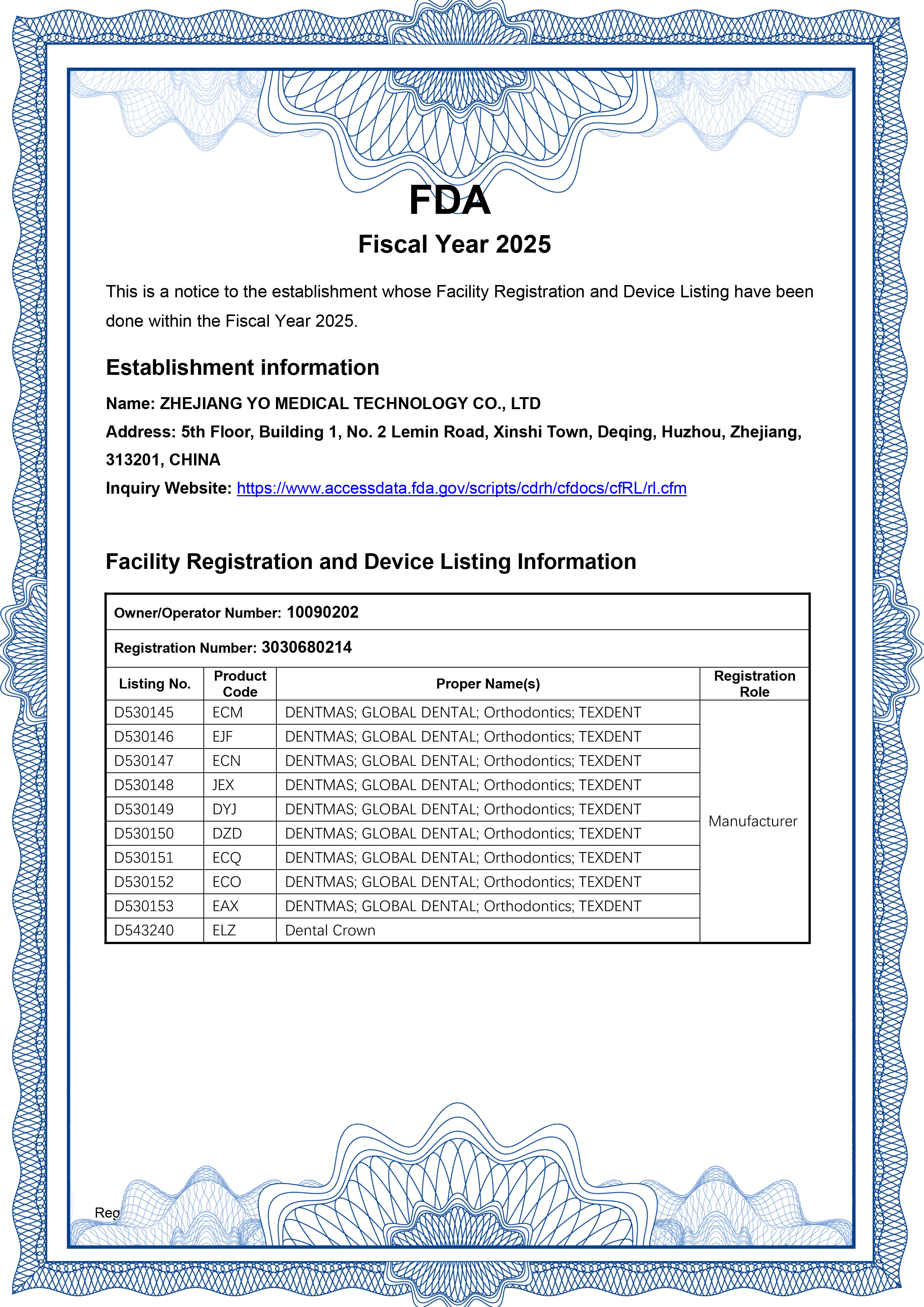
Arch wires are medical devices that must be supported by the same regulatory and quality documentation as brackets and bands. Yortho lists FDA registration and certification under the new EU MDR, alongside ISO quality management certification, in its company profile. The U.S. FDA registration available in the supplier’s file is registered under 21 CFR Part 807 and includes general dental and orthodontic devices, with the Yortho arch wire models Y-SS, Y-SN, Y-HN, and Y-TMA among the related product listings. Buyers should request similar documentation from any potential supplier before qualifying product lines.
Material Comparison in Practical Procurement Terms
There is no universal “best” orthodontic arch wire material. There is only the best functional match for a treatment stage combined with supplier consistency and documented traceability. The table below summarizes what buyers typically consider when comparing material classes, based on general orthodontic knowledge rather than any manufacturer’s claimed numerical advantage.
| Material category | Typical procurement logic | Treatment sequencing role | Supplier evidence to request |
|---|---|---|---|
| Super-elastic NiTi | Preferred initial inventory for leveling and alignment. | Flexibility and shape memory produce continuous low-force response in irregular arches. | Clear material designation, wide size assortment, batch traceability, dimensional control policy. |
| Heat-activated NiTi | Used when clinicians want a wire that becomes more active near oral temperature. | Often considered for initial through intermediate alignment stages. | Confirmation of the NiTi subtype and available arch forms. |
| Stainless steel | Enduring standard material for final alignment and finishing. | Stiff response and good formability help maintain arch shape and express controlled movements. | Rust/corrosion resistance evidence is rarely published; secure independent sample checks. |
| Titanium-molybdenum alloy | Used for niches between flexible NiTi and stiff stainless steel. | Can be shaped by the clinician for individual mechanics. | Available sizes and arch form coverage; note whether range is narrower than NiTi/SS. |
Buyers should avoid letting the count of material types replace actual fit verification. A wide alloy range is useful only if each line is available in the dimensions and arch forms needed by the clinical buyer.
Documented Application Context and Reference Indicators
For procurement credibility, suppliers should be able to describe real application environments, not just product attributes. In Yortho’s public reference material, arch wires appear in distributor and hospital supply relationships alongside brackets, buccal tubes, bands, miniscrews, and other orthodontic auxiliaries.
One documented distribution reference covers a buyer relationship of one to three years with orthodontic product volumes of approximately 5,000 units, with positively reported clinical feedback and consistent product performance. Another reference describes a dental hospital customer in Indonesia over a two-year period with approximately 3,000 units of orthodontic products, reporting stable performance and satisfactory clinical integration. These references are not independent clinical studies, but they are useful signal for a buyer because they show repeat purchases in different customer types: one channel-driven and one institutional.
When assessing such references, the buyer should ask three collateral questions: whether the supplier can identify the exact products involved, whether the customer type is relevant to their own channel, and whether documented compliance documents were part of the supply relationship.
Market Trends and Their Effect on Arch Wire Procurement
Market research helps a buyer separate short-term price conversations from structural demand trends. External market data relevant to orthodontic arch wires include the following:
- Grand View Research values the global orthodontic consumables market at US$3.1 billion in 2024 and projects it to reach US$4.3 billion by 2030.
- The same source identifies stainless steel as the most widely used material for orthodontic arch wires and brackets globally.
- Technical literature, including the material guidance cited by G&H Orthodontics, describes NiTi arch wires as preferred for shape memory and super-elasticity.
- Industry analysis from Fortune Business Insights notes that arch wires account for a significant portion of fixed-appliance revenue and that demand for aesthetic coated wires is growing.
The managerial implication for buyers is relatively straightforward: the demand for traditional fixed appliances still supports arch wire inventory, but customer preferences in adult segments are shifting toward less visible appliances. For distributors of fixed appliances, that means carrying high-quality metal arch wires is still necessary, while monitoring how far aesthetic arch wire options should be stocked.
Comparing Supplier Approaches: Commodity Listing vs. System Capability
Not all suppliers of orthodontic materials approach arch wires in the same way. From a buyer standpoint, it is useful to compare two broad supplier behaviors:
- Commodity-based suppliers often quote arch wire per piece or per roll, with minimal technical detail, few listed arch forms, and little integration with other fixed-appliance products.
- System-oriented suppliers position arch wires as part of a broader straightwire offering, providing a range of bracket systems, buccal tubes, bands, ligatures, instruments, and arch wires that can be matched by slot size and clinical stage.
Yortho belongs to the second category in terms of catalog design. Its product range includes metal orthodontic brackets with 17-4 and 304 stainless steel construction, self-ligating brackets, ceramic self-ligating brackets, buccal tubes available in Roth and MBT versions with 18 and 22 slot sizes, elastic ligatures, power chains, and orthodontic instruments. A buyer comparing Yortho against a specialized wire-only supplier should verify whether the wire-only supplier has tighter quality specialization but fewer system-level compatibility statements. Conversely, the buyer should test whether a multi-product supplier can maintain comparable quality across every line.
Limitations That Buyers Should Acknowledge
A balanced comparison must include limitations. First, the clinical success of an arch wire depends on multiple factors outside the manufacturer’s control, including the doctor’s treatment sequence, patient biomechanics, and appliance management. No catalog listing guarantees a clinical result.
Second, the label “Damon” in an arch form list refers to a geometric arch form described in the catalog; it does not by itself indicate a formal commercial affiliation with the Damon System manufacturer. A buyer should verify third-party brand references if that matters to their market.
Third, while Yortho reports favorable distributor and hospital feedback in its references, those references are not substitute for independent clinical validation or local regulatory review in each destination market.
Finally, no single supplier’s catalog range covers every clinical protocol. For example, the Yortho TMA line is more limited than its stainless steel and NiTi line, so buyers using heavy rectangular TMA arch forms should confirm size and form availability before committing to a long-term supply contract.
Future Outlook for Arch Wire Sourcing
The direction of orthodontic supply chains is toward more documented compliance and more complete system offering rather than simple per-item price competition. Suppliers that want long-term positions with hospitals and distributors will likely need to show production control, certification files, and product consistency across brackets, arch wires, and auxiliaries. At the same time, digital workflows continue to influence orthodontic purchasing in other parts of the consumables market, which may change how clinicians organize treatment plans and which devices act as the lead product category. For arch wire buyers, the safest future strategy is to qualify suppliers on the basis of reproducible technical specifications and documented quality systems, while keeping inventory deep enough for material substitution within the sequence of treatment.
Frequently Asked Questions
Interpretation note: This article is an independent supplier-comparison reference for orthodontic materials, written from published supplier information and third-party market sources. It is not clinical advice and does not replace product testing or local regulatory review by the buyer.
Have Questions or Need More Details?
Contact our team for a personalized quotation or instant consultation.
Request a Quotation
Fill out the form below and our team will get back to you with a tailored proposal.
WhatsApp Direct Chat
Prefer to chat in real-time? Message us on WhatsApp for instant assistance & quick answers.
- Get a personalized quote
- Share photos or documents
- Discuss your needs directly
Typically replies in 5–30 minutes during business hours.