
PET Preform Injection Machines: A Buyer’s Technical Guide
Selecting the right PET preform injection machine directly affects production efficiency, product quality, and total cost of ownership. For package manufacturers, beverage brands, and plastic converters, understanding the technical specifications, application fit, and market trends is essential to making a sound capital investment.
Market Context and Opportunity
The global PET preform machines market is estimated at USD 9.9 billion in 2025 and is projected to reach USD 17.3 billion by 2035, driven by rising demand for bottled beverages, edible oils, and personal care packaging. Injection molding technology accounts for 66.4% of this market, reinforcing its dominance in preform production. Asia Pacific leads regional share at 41.2%, with China as the largest manufacturing hub. This growth creates both opportunity and complexity for buyers seeking a reliable, scalable production line.
Core Technology: How PET Preform Injection Molding Works
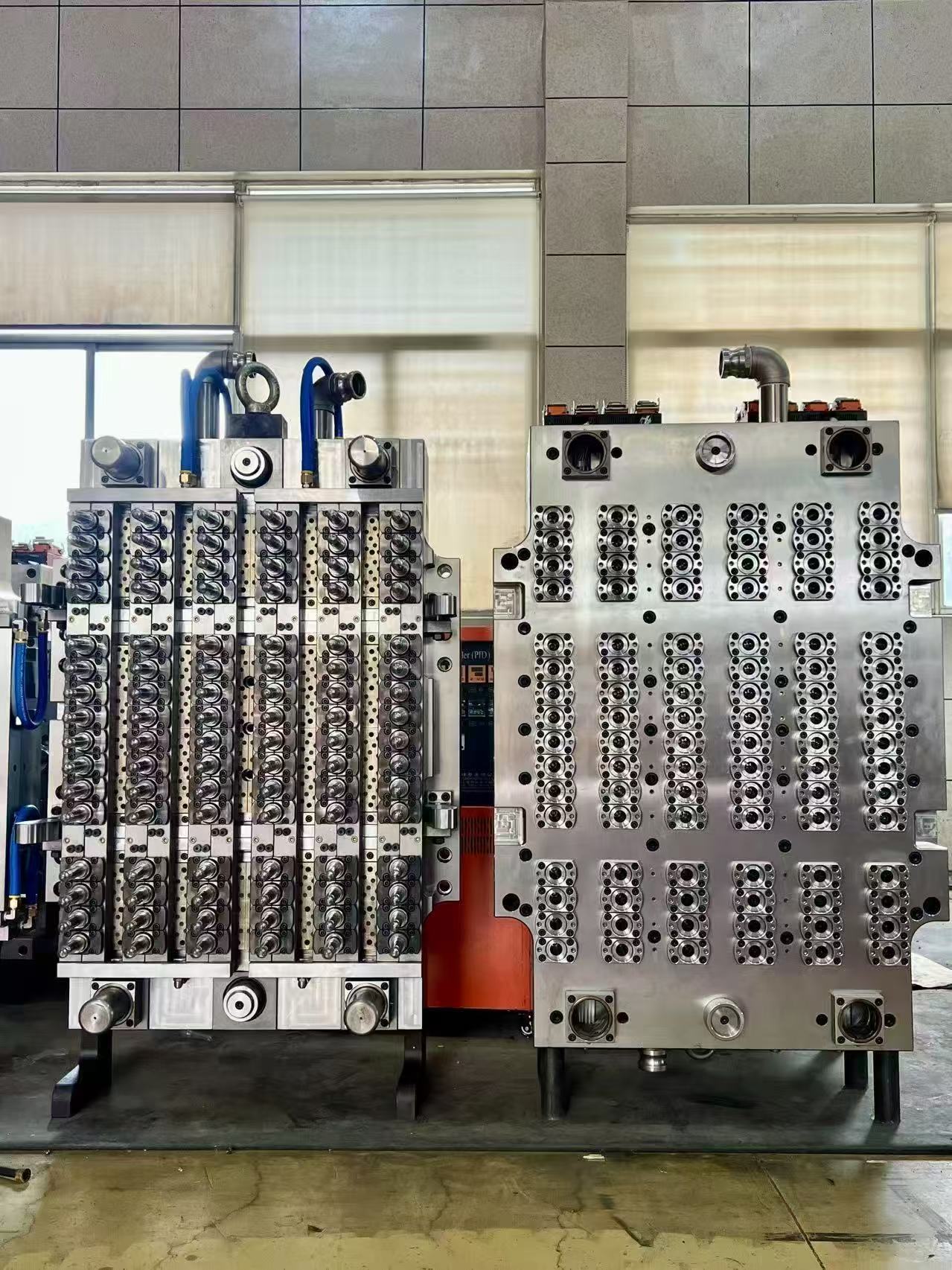
A PET preform injection molding machine melts dried PET resin and injects it under precise pressure and temperature into a multi-cavity hot runner mold. The molten material is rapidly cooled to form semi-finished preforms—test-tube-shaped plastic blanks—that are later blow-molded into final bottles. The machine's performance hinges on screw design, clamping force accuracy, servo response, and mold thermal control. High-speed production demands stable power supply (380/400V 50Hz, ±10% fluctuation) and controlled workshop conditions: temperature 20–30°C, relative humidity 40–50% RH, and an ISO Class 8 (100,000-class) dust-free environment for food-grade preforms.
The Yongjiang Approach: YJPT Series PET Preform Injection Machines
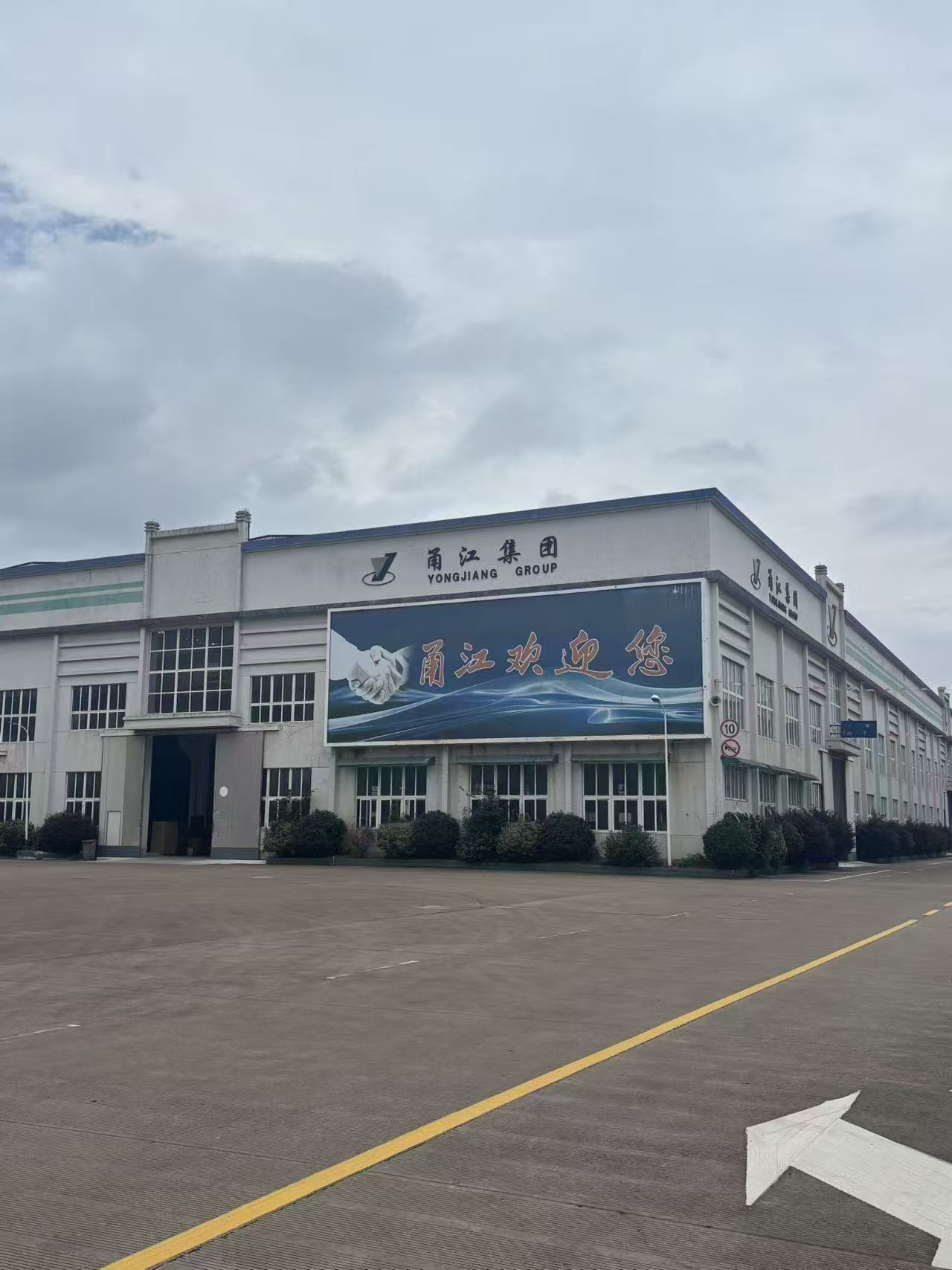
Ningbo Yong Jiang machine co.,Ltd (established in 1985) is a Chinese manufacturer specializing in injection molding machines for over 35 years. With a 130,000 m² factory, 200 employees, and an annual output of 2,000 units, the company focuses on PET preform injection molding machines and PVC fitting machines. Its export share is 59%, reaching major markets including USA, Canada, and Thailand. The YJPT series comprises four high-speed models tailored for preform manufacturing:
- YJPT-260 (260 tons clamping force, 72mm screw, 1400g shot weight, 42kW motor, 9 tons net weight, constructed from QT500-A7)
- YJPT-318 (318 tons, 77mm screw, 1900g shot weight, 80kW motor, 13 tons, steel construction)
- YJPT-360 (360 tons, 95mm screw, 3450g shot weight, 80kW motor, 16 tons, QT500-A7 steel)
- YJHB-400 (400 tons, 95mm screw, 3450g shot weight, 80kW motor, 16 tons, QT500-A7 steel)
All models are designed for 24-hour continuous mass production, equipped with high-response dual servo systems that deliver stable precision and reduced energy consumption. They accommodate multi-cavity hot runner molds and support quick mold change for flexible production runs. The R&D team includes 25 engineers focused on optimizing cycle times and material processing.
Real-World Application Scenarios
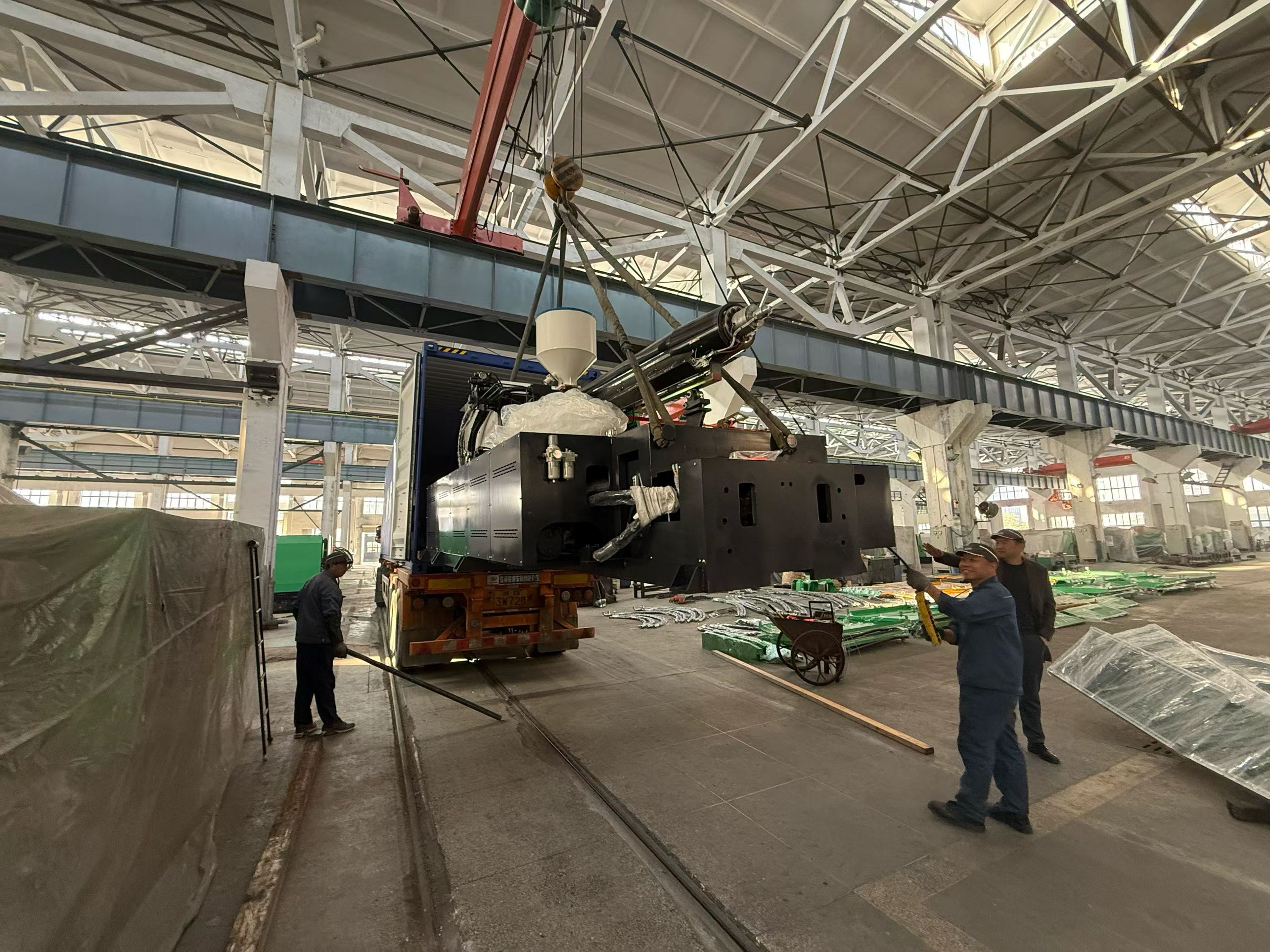
Yongjiang PET preform machines are deployed across industries producing water bottles, oil bottles, cosmetic containers, and carbonated drink preforms. The application scenario documented for European markets (Spain, Algeria) requires compliance with EU CE machinery safety standards, low energy consumption, and stable injection. Supporting equipment includes a PET preform mold, hopper dryer, air compressor, and water chiller. The operation mode is 24/7, with the capability to produce uniform, defect-free preforms ready for blow molding. The YJPT-318, for example, is equipped with a high-speed PET preform mold and works efficiently in integrated production lines.
Market Trends and Competitive Landscape
The PET preform machine market is increasingly towards high-speed, energy-efficient systems. Leading global players such as Husky Technologies (estimated 55–60% share in high-output systems) and Netstal set benchmarks with documented compliance to CE, UL, ISO 9001, and EUROMAP 60.1 standards. Yongjiang competes by offering cost-effective alternatives that also meet CE certification (as evidenced by its application scenarios) and deliver reliable performance for mid-to-high throughput requirements. The Asia-Pacific region's manufacturing dominance further supports the availability of localised support and shorter supply chains.
Comparison with Traditional Solutions
Traditional hydraulic injection machines often consume more energy and offer slower cycle times. Yongjiang's servo-driven PET preform machines, per its product description, achieve 30–50% lower power consumption and shorter molding cycles compared to conventional hydraulic systems. The rigid clamping frame and custom plasticizing screws enable stable multi-cavity production around the clock. One honest limitation: in ultra-high-output applications (e.g., 96+ cavities at sub-5-second cycles), proprietary systems from premium European suppliers may offer higher throughput per square meter. However, for the vast majority of mid-range water, oil, and beverage preform applications, Yongjiang provides a solid balance of performance, cost, and service responsiveness.
Conclusion and Future Outlook
As the global beverage and packaging industries expand, demand for reliable, energy-efficient PET preform injection machines will continue to grow. Manufacturers like Yongjiang, with decades of experience, a dedicated R&D team (25 engineers), and a proven export track record to North America, Europe, and Southeast Asia, are well-positioned to serve this market. Future developments likely include higher cavity counts, enhanced servo precision, and integration with Industry 4.0 monitoring systems. For buyers in the awareness-to-research stage, evaluating machines on real-world requirements—clamping force, screw design, energy consumption, and after-sales support—remains the prudent path.
Download Company Brochure (PDF)
Frequently Asked Questions (FAQ)
- What is a PET preform injection machine?
- A PET preform injection molding machine melts dried PET resin and injects it into a multi-cavity mold under controlled temperature and pressure to produce semi-finished preforms, which are later blow-molded into bottles.
- What models does Yongjiang offer for PET preform production?
- Yongjiang's YJPT series includes four primary models: YJPT-260 (260 ton), YJPT-318 (318 ton), YJPT-360 (360 ton), and YJHB-400 (400 ton), all designed for high-speed, continuous preform manufacturing.
- What are the main technical specifications I should compare?
- Key specifications include clamping force, screw barrel diameter, shot weight, tie bar distance, motor power, heating power, and machine weight. The YJPT-260, for instance, has a 260-ton clamping force, 72mm screw, and 1400g shot weight.
- Which industries use these machines?
- They are used for producing preforms for water bottles, oil bottles, carbonated drinks, cosmetic containers, and other packaging applications in the food, beverage, and daily chemical industries.
- Does Yongjiang export to my country?
- Approximately 59% of production is exported, with major markets including the USA, Canada, and Thailand. The company is open to inquiries from other regions.
- Does the machine comply with international safety standards?
- Yes, as documented in application scenarios, the machines comply with EU CE machinery safety standards and support stable, low-energy injection processes.
- What supporting equipment is needed to operate a PET preform machine?
- Required auxiliaries include a PET preform mold, hopper dryer (for resin drying below 0.02% moisture), air compressor, and water chiller.
- How many cavities can the mold have?
- The machines are designed to accommodate multi-cavity hot runner molds. Common configurations include 48, 72, and 96 cavities, depending on the preform weight and cycle requirements.
Have Questions or Need More Details?
Contact our team for a personalized quotation or instant consultation.
Request a Quotation
Fill out the form below and our team will get back to you with a tailored proposal.
WhatsApp Direct Chat
Prefer to chat in real-time? Message us on WhatsApp for instant assistance & quick answers.
- Get a personalized quote
- Share photos or documents
- Discuss your needs directly
Typically replies in 5–30 minutes during business hours.