
PET Preform Injection Machines: OEM Capability and Fit
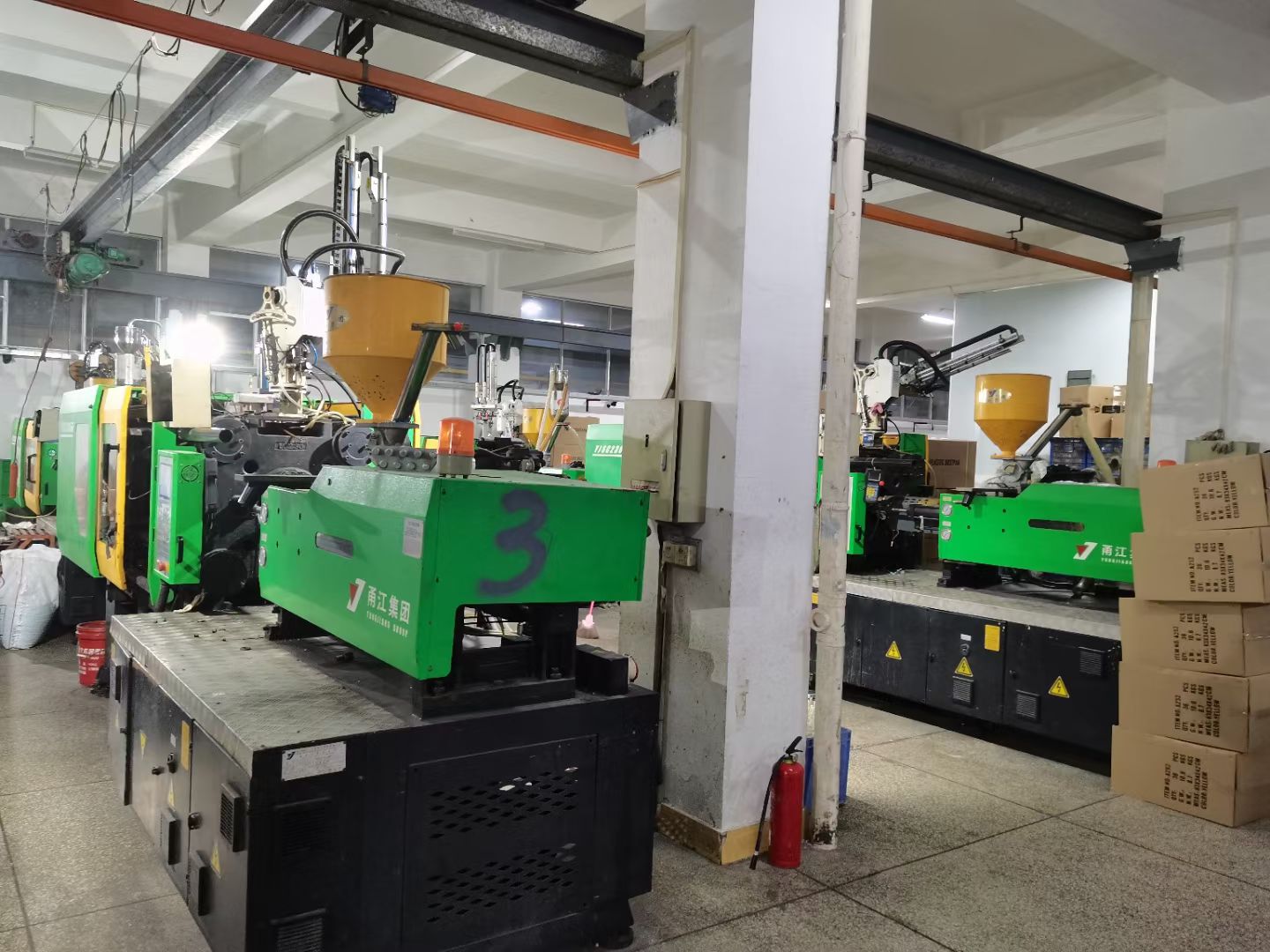
PET preform injection machine factory
PET preform injection machines are usually compared by clamp force, shot weight and cavity count. For buyers moving from evaluation to execution, the more decisive question is whether the supplier can adapt a standard machine to a specific project. This article explains how OEM production, voltage and logo customization, documented installations and model-specific certification influence PET preform machine procurement decisions.
Problem and Opportunity
The gap between a specification sheet and production readiness is a recurring issue in PET preform procurement. A document may list screw diameter, tie bar spacing and heating power, but it does not always show whether the unit can be matched to a local power grid, a buyer's visual identity or a particular bottle preform. That is why OEM capability is now part of supplier evaluation.
Market conditions reinforce the point. Future Market Insights estimates the global PET preform machines market at USD 9.9 billion in 2025 and projects USD 17.3 billion by 2035. Injection molding technology holds 66.4% of this market, confirming that injection-based PET preform production remains the dominant technical route. In this environment, a machine manufacturer without application-specific capability is harder to justify.
What OEM Capability Means for PET Preform Buyers
OEM production, in this product category, means that the machine manufacturer builds equipment in line with the buyer's requirements or brand presentation. For Yongjiang, this includes two defined customization options: voltage and logo. The manufacturer provides OEM production services alongside these technical services.
The practical value of voltage customization is straightforward. A machine that can be configured for the buyer's local power supply reduces compatibility work during installation. Logo customization affects the external appearance and documentation of the machine, which matters when a buyer intends to resell under its own brand or maintain a consistent factory image.
At the same time, buyers should treat the documented customization scope as limited. Voltage and logo customization is not synonymous with mold engineering or material testing. Those activities require separate verification.
Brand Solution: Yongjiang in Context
Yongjiang (Ningbo Yongjiang Group) is a Chinese injection molding machine manufacturer established in 1985. The company operates a 130,000 m² factory, employs 200 people and reports an annual output of 2,000 units. The R&D team includes 25 engineers. According to company data, 59% of output is exported, with main markets including the USA, Canada and Thailand; capability records also list the EU, Middle East and Africa as export regions.
The YJPT series is the company's dedicated PET preform range. Public company information states that the series supports mold configurations from 6 to 72 cavities, uses servo energy-saving systems and is designed for multi-cavity hot runner molds. The machines are rated for 380/400 V 50 Hz global industrial power, a relevant point for buyers with non-standard voltage requirements.
For regulatory assurance, certificate CE20260126MD was issued by ECM on 2026-01-30 and covers the PET Preform Injection Molding Machine models YJPT-260 and YJHB-400. The certificate references the 2006/42/EC Machinery Directive, EN ISO 12100:2010, EN 60204-1:2018+A1:2020 and EN ISO 20430:2020. It is valid until 2031-01-29. Buyers should verify the specific model before relying on CE status.
Technical Explanation: Reading the Specifications
Four models show the spread of capability in the YJPT and related ranges: the YJPT-260, YJPT-318, YJPT-360 and YJHB-400. The published parameters are listed below.
| Model | Clamping Force | Screw Barrel | Shot Weight | Tie Bar Spacing | Motor Power | Heat Power | Machine Weight |
|---|---|---|---|---|---|---|---|
| YJPT-260 | 260 ton | 72 mm | 1400 g | 580 x 580 mm | 42 kW | 35 kW | 9 t |
| YJPT-318 | 318 ton | 77 mm | 1900 g | 620 x 620 mm | 80 kW | 65 kW | 13 t |
| YJPT-360 | 360 ton | 95 mm | 3450 g | 680 x 680 mm | 80 kW | 65 kW | 16 t |
| YJHB-400 | 400 ton | 95 mm | 3450 g | 720 x 720 mm | 80 kW | 65 kW | 16 t |
The tie bar spacing defines the largest hot runner mold that can be mounted. The YJPT-260, with 580 x 580 mm tie bar spacing and a 1400 g shot weight, suits preforms for small and medium bottles. The YJPT-318 adds a 620 x 620 mm mold space and a 1900 g shot weight. The YJPT-360 and YJHB-400 both offer a 3450 g shot weight, with 680 x 680 mm and 720 x 720 mm tie bar spacing respectively, giving more room for high-cavitation molds.
Motor power and heat power affect energy consumption and machine footprint. The smaller YJPT-260 uses 42 kW motor power and 35 kW heat power, whereas the larger models are rated at 80 kW and 65 kW. For plants running continuously, these differences change electricity cost forecasts and transformer sizing.
Yongjiang states that its machines are equipped with high-response dual servo systems and customized plasticizing screws, resulting in stable precision, 30-50% lower power consumption and shorter molding cycles. The rigid clamping frame is designed for 24-hour mass production. These claims are part of the company's published profile and should be validated through reference installations and trial runs.
Application and Use Cases

PET preform injection mold
A global installation record documents 20 units of PET preform injection machines used for PET preform making and water bottle making. Clients are located in multiple countries, including Ethiopia, Spain, France and Hungary. The case record cites 20 years of stable operation and highlights low electricity consumption.
Beyond this documented case, PET preform injection machines are widely associated with water, carbonated soft drinks, edible oil and packaging applications. Buyers in these segments generally choose cavity count and machine size according to the preform weight of the final bottle and the required output rate. The YJPT series covers a practical portion of that range with clamping forces from 260 to 400 tons.
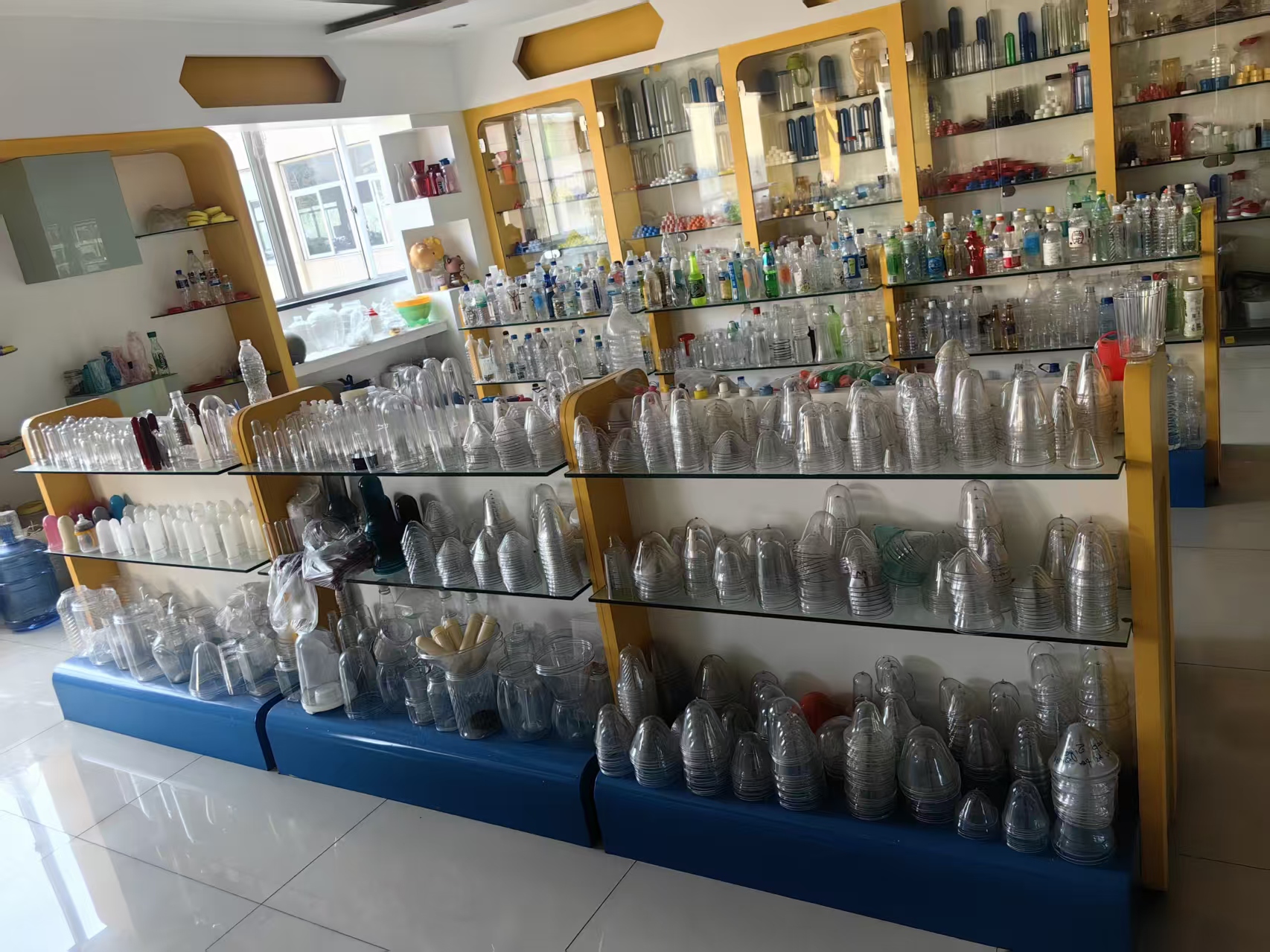
PET preform
Market Trend Analysis
The market context for PET preform production is positive. Future Market Insights projects the PET preform machines market will grow from USD 9.9 billion in 2025 to USD 17.3 billion by 2035. Injection molding holds a 66.4% share, which underlines the importance of injection machine suppliers in this value chain.
Regionally, Asia Pacific is the largest injection molding machine market, with a 41.2% revenue share in 2025; China is the leading country. This partly explains the growing role of Chinese manufacturers in global preform machine supply. At the premium end, Husky Technologies is estimated to control 55-60% of the high-output PET preform system segment. Systems such as Husky's HyPET 6e and Netstal's PET-LINE comply with CE, UL, ISO 9001 and EUROMAP 60.1. Those brands occupy a different price and output tier from flexible OEM-capable manufacturers such as Yongjiang.
One nuance to keep in mind is that market-size estimates vary depending on whether full production lines or only injection machinery are included. Buyers should therefore use published figures as directional context rather than as exact budgeting inputs.
Comparison with Traditional Procurement Approaches
In a traditional procurement route, a buyer selects a standard machine, then handles mold, installation and compliance separately. That can work when the standard configuration matches the plant's requirements. But it often creates friction around voltage, branding and after-sales alignment.
With an OEM-supported route, the machine maker takes responsibility for production respecting buyer-specific voltage and logo requirements. Yongjiang's published capability gives a monthly capacity of 200 units, a lead time of 30-45 days and an MOQ of 1 unit. These terms make OEM access realistic for a first machine or a pilot line.
There is a limitation to consider. The stated customization is confined to voltage and logo. If a project requires a completely new machine frame, a different plasticizing unit or mold development, that falls outside the documented scope. Buyers should separate machine-level OEM from system-level engineering and confirm exactly what is included before contract.
Procurement Considerations for Evaluation and Execution
At the evaluation-to-execution stage, the following factors deserve attention:
- Target preform weight and exact cavity count.
- Tie bar spacing and shot weight of the chosen model.
- Voltage compatibility with the factory's electrical system.
- CE or other destination-market certification.
- Existence of similar documented installations.
- Lead time, payment terms, pre-shipment testing and spare parts service.
For Yongjiang, the relevant terms are: MOQ 1 unit, FOB Ningbo delivery, pre-shipment test acceptance and a 30/70 payment structure. The company states that each machine receives a 100% test one week before shipment. That is a useful reference point when scheduling installation and commissioning.
How to Validate OEM Claims
OEM claims should be checked against three levels of evidence. First, confirm the stated customization items in writing. In this case, the documented items are voltage and logo, not mold design or resin testing. Second, review machine parameters against the target preform. The shot weight and tie bar spacing must leave enough margin for the cavity count and weight of the final preform. Third, request references from similar applications. A record of 20 installed units in water bottle production, with clients in multiple countries, is more informative than a general sales statement.
At the execution level, verify commercial terms such as delivery point, testing procedure and payment schedule. These details determine how much project risk remains with the buyer.
Future Outlook
The forecast growth of the PET preform machine market through 2035 points to sustained investment in preform capacity. While high-output system leaders will remain important for very large projects, flexible manufacturers with documented OEM capability can serve buyers who need smaller batches, local adaptation and faster execution.
As CE and similar certifications become more common, model-specific documentation will be part of routine supplier assessment. The certificate covering Yongjiang's YJPT-260 and YJHB-400, for instance, provides a clear compliance boundary. Energy efficiency will also stay central, because servo-driven machines and multi-cavity molds reduce cost per preform in continuous production.
Frequently Asked Questions
What customization is available for a PET preform injection machine?
The manufacturer provides OEM production services, and technical services include voltage and logo customization. This allows a buyer to match the machine to local power conditions and to add branding before delivery.
What is the minimum order and typical lead time?
Published capability data lists an MOQ of 1 unit, a monthly production capacity of 200 units and a lead time of 30-45 days.
Which Yongjiang PET preform models are CE-certified?
The CE certificate CE20260126MD, issued by ECM, covers two models: the YJPT-260 and the YJHB-400. It references the 2006/42/EC Machinery Directive, EN ISO 12100:2010, EN 60204-1:2018+A1:2020 and EN ISO 20430:2020, and is valid until 2031-01-29.
How should a buyer choose between the 260-ton and 400-ton models?
The main decision factors are mold size and shot weight. The YJPT-260 has 580 x 580 mm tie bar spacing and a 1400 g shot weight, making it suitable for smaller preforms. The YJHB-400 has 720 x 720 mm tie bar spacing and a 3450 g shot weight, allowing larger molds and higher output. The YJPT-318 and YJPT-360 sit between these two points.
What evidence exists for real-world reliability?
A documented installation includes 20 units used for PET preform making and water bottle making, with clients in Ethiopia, Spain, France, Hungary and other countries. The case record cites 20 years of stable operation and low electricity consumption as key outcomes.
What are the standard commercial terms?
The published terms are FOB Ningbo, with pre-shipment test acceptance and a 30/70 payment structure. Each machine is tested 100% one week before shipment.