
PET Preform Machine Supplier Sustainability: Capacity, R&D & Export Stability
PET Preform Machine Supplier Sustainability: Capacity, R&D & Export Stability
PET Preform Machine Supplier Sustainability: Capacity, R&D & Export Stability
For buyers evaluating a PET preform injection molding machine supplier, sustainability is best treated as the ability to support a project over time—not as a claim about environmental performance. Capacity evidence, documented engineering resources, export experience and clear operating requirements help distinguish a durable supply relationship from a purchase based on catalog descriptions alone.
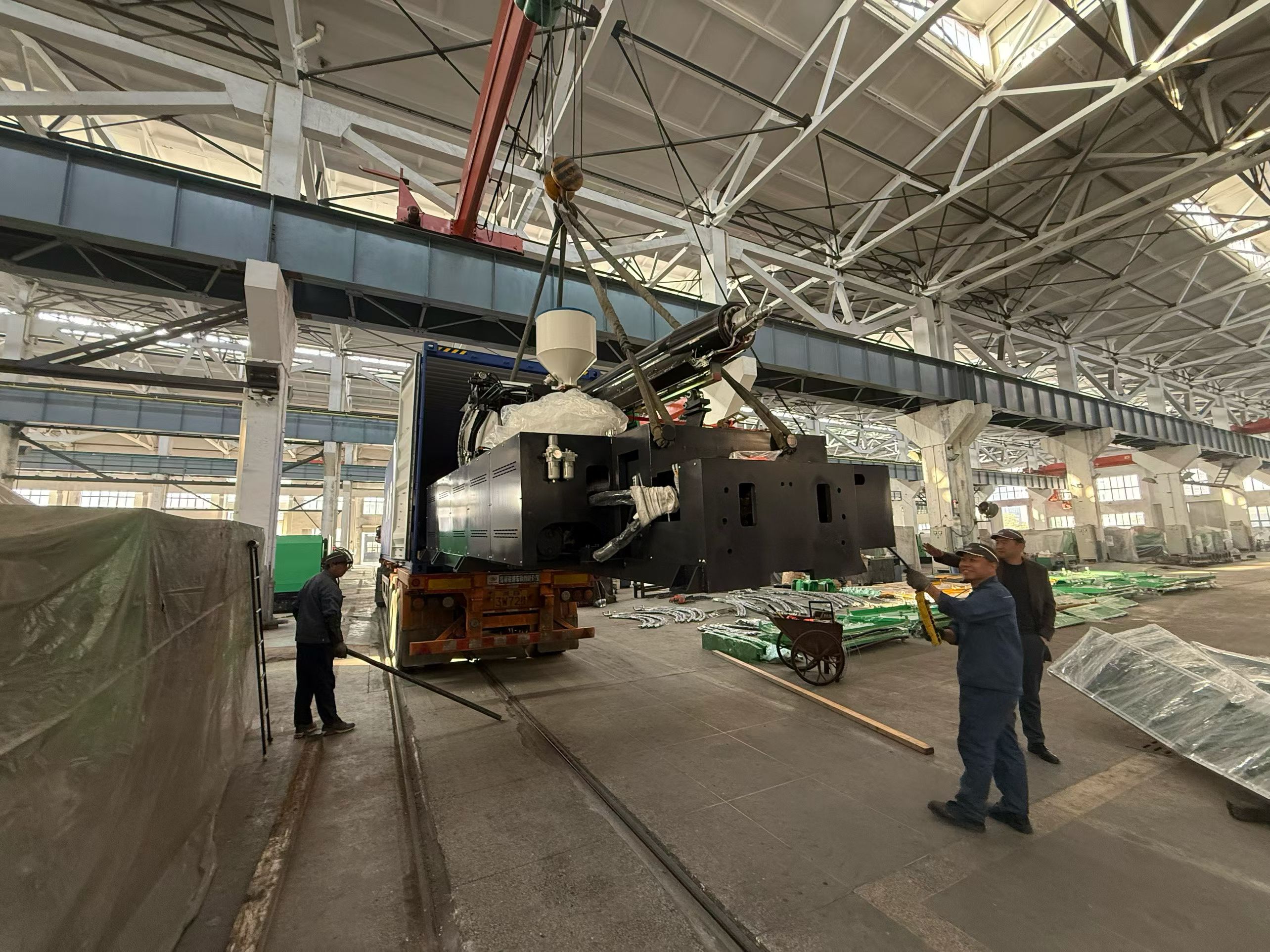
What supplier sustainability means in a machine purchase
In this article, supplier sustainability means the practical ability to support equipment selection, delivery, commissioning and continued operation. It does not mean that the machine or its manufacturing process has been independently assessed for environmental impact. The available information does not include a lifecycle assessment, carbon data or a measured energy comparison.
A PET preform injection machine is part of a production system, not an isolated purchase. PET preforms are intermediate products used in bottle manufacture. The machine melts dried PET pellets and injects the melt into multi-cavity hot-runner molds. Depending on the project, preforms may be made for water bottles, oil bottles or cosmetic containers. The intended product and process therefore determine what a buyer needs to verify from a supplier.
Ningbo Yong Jiang machine co.,Ltd is identified in the supplied company profile as a manufacturer of PET preform machines and other injection molding machinery. Its supplier sustainability can be assessed through four distinct questions: does stated capacity have a clear scope; are engineering and product-development resources identifiable; can export and service support be evaluated for the buyer’s market; and are operating conditions and limitations explicit?
Capacity: distinguish stated output from project fit
Capacity is not a single number. Supplier-level output indicates the scale of a manufacturer’s operation, while machine-level capacity concerns whether a specific configuration can support a buyer’s preform, mold and production requirements. These measures should not be substituted for one another.
The supplied capability information states a monthly capacity of 200 units. The company background also lists annual output of 2,000 units, but does not define whether the figures cover the same product range, facilities, reporting period or production measure. A buyer should request clarification before using either number for a delivery forecast or capacity-planning model. The figures should not be combined to infer utilization or available production slots.
At the equipment level, the provided product data lists four PET preform machine models. Their stated tonnage and shot weight offer an initial screening reference, but do not establish cycle time, actual output per hour, cavity configuration or production yield. Those values are not supplied in the available specifications.
| Model | Stated machine class | Shot weight | Other listed specifications | What remains to verify |
|---|---|---|---|---|
| YJPT-260 | 260-ton high-speed PET preform injection machine | 1,400 g | 72 mm screw barrel; 580 × 580 tie-bar spacing; 42 kW motor power; 35 kW heat power; 9-ton machine weight | Cycle time, compatible mold details, sustained output and test conditions |
| YJPT-318 | 318-ton high-speed PET preform machine | 1,900 g | 77 mm screw barrel; 620 × 620 tie-bar spacing; 80 kW motor power; 65 kW heat power; 13-ton machine weight | Cycle time, production results and application-specific configuration |
| YJPT-360 | 360-ton high-speed PET preform machine | 3,450 g | 95 mm screw barrel; 680 × 680 tie-bar spacing; 80 kW motor power; 65 kW heat power; 16-ton machine weight | Verified output with the buyer’s mold and preform design |
| YJHB-400 | 400-ton high-speed PET preform machine | 3,450 g | 95 mm screw barrel; 720 × 720 tie-bar spacing; 80 kW motor power; 65 kW heat power; 16-ton machine weight | Application fit, operating data and acceptance criteria |
These specifications help identify which models merit further review; they do not support a direct output ranking. In particular, shot weight and tonnage alone do not demonstrate how many acceptable preforms a machine will produce in a given period. Buyers should ask suppliers to define the intended mold, preform weight and neck design, material preparation, production settings, acceptance method and test duration used in any quoted output figure.
A 2019 Central Institute of Petrochemicals Engineering & Technology (CIPET) tender specification provides one procurement reference point: it lists a 150–200 T machine, at least 750 g shot capacity, at least 50 g/sec plasticizing capacity, minimum 32 preform cores and cavities, and a minimum injection pressure of 1,200 bar. This is a specific tender specification, not a universal current standard or a direct benchmark for the Yongjiang models. Its value is methodological: buyers can use defined project requirements to structure a comparable technical review rather than relying on model names alone.
R&D: evidence of resources is not proof of results
The company profile lists an R&D team of 25 engineers. The verified manufacturer-catalog information describes the Yongjiang YJPT PET preform series as having a modular energy-saving system and a high-capacity injection system with an optimized screw-diameter ratio. Together, these are identifiable signals of engineering resources and product-specific design attention.
They are not, by themselves, evidence of a particular cycle time, energy use per kilogram of processed PET, yield rate or maintenance interval. Those operating measures are absent from the supplied evidence. The company profile also describes dual servo systems and customized plasticizing screws and reports a 30%–50% lower power-consumption claim. No baseline, measurement protocol, model-by-model result or test conditions accompany that claim in the available materials. Buyers should therefore treat it as a manufacturer-reported statement to validate, not as a guaranteed saving or a comparable efficiency result.
For an evaluation-stage purchase, a useful R&D discussion is specific and testable. Ask which machine series and screw configuration are proposed for the intended preform; what mold and process assumptions underpin the recommendation; how any claimed energy or cycle improvement is measured; and whether the supplier can provide a witnessed acceptance test using agreed criteria. Where the answers cannot be documented, reduce the weight assigned to performance claims in a supplier scorecard.
Export stability: look beyond a list of destination markets
The company background reports an export ratio of 59% and names the USA, Canada and Thailand as main markets. Separately, the supplied capability information lists the EU, Middle East and Africa as export markets. These lists are not necessarily contradictory, but the source material does not explain their coverage, reporting period or whether they refer to the same product range. They should be treated as reported market information, not as a complete map of current shipments.
For a buyer, export experience is useful only when it connects to the planned transaction. A market list does not by itself establish that a supplier has delivered the same machine configuration to the buyer’s country, or that documentation, transport arrangements and service support are suitable for the project. Ask for evidence relevant to the destination market and the specific machine being purchased. Confirm which party is responsible for export documentation, installation coordination, spare-parts planning and technical support, and have the responsibilities stated in the purchase documents.
The capability unit states a lead time of 30–45 days, a minimum order quantity of one unit, OEM production, customization for voltage and logo, 24/7 service support, and a 100% test one week before shipment. These are useful questions to take into a commercial review, but the source does not define how lead time is calculated, what the test covers, what response time “24/7” guarantees, or the geographic and language scope of service. A buyer should request written definitions and confirm whether they apply to the proposed order.
Project fit includes the operating environment
Supplier durability and project suitability also depend on whether the buyer can maintain the required process conditions. The supplied PET preform application information describes continuous 24/7 operation. The machine melts dried PET pellets and injects molten material into multi-cavity hot-runner molds under controlled pressure and temperature. Automated cooling robots are identified as compatible supporting equipment in the application information, alongside a PET preform mold, hopper dryer, air compressor and water chiller.
For food-grade preform production, the supplied operating guidance specifies an ISO Class 8 (100,000-class) dust-free workshop, ambient temperature stable at 20–30°C and relative humidity of 40%–50% RH. It also specifies 380/400 V, 50 Hz, three-phase industrial power with voltage fluctuation within ±10%. The application data states that PET pellets should be dried to moisture below 0.02% before processing. These are conditions buyers should check against their facility and process plan; they are not evidence that every factory or installation already meets them.
These requirements matter to supplier evaluation because a machine recommendation cannot compensate for an unsuitable power supply, material-preparation process or production environment. Buyers should document site readiness and agree which auxiliary equipment, utilities and operating procedures fall within the machine supplier’s scope. For multi-specification production, clarify mold-change arrangements and the required maintenance of the PET screw and servo system. The available data identifies these as relevant operational considerations, but does not provide a maintenance interval or a quantified changeover time.
A practical supplier sustainability scorecard
During Research and Evaluation, buyers can organize evidence under four headings. The purpose is not to create an unsupported supplier ranking; it is to make missing information visible before a decision.
- Capacity evidence: separate stated factory output from machine performance. Confirm the scope and period behind the reported 200 units per month and 2,000 units per year, and request a project-specific production test rather than inferring output from tonnage or shot weight.
- Engineering evidence: record the listed 25-engineer R&D team and the YJPT series design features as supplier and product disclosures. Separately request model-specific drawings, mold compatibility information and defined test results for the proposed configuration.
- Export and service evidence: clarify which of the reported destination markets are relevant to the project. Define delivery milestones, pre-shipment testing, installation responsibilities, support coverage and spare-parts arrangements in writing.
- Operating-fit evidence: check the buyer’s utilities, workshop conditions, pellet drying and auxiliary equipment against the supplied application requirements. Record who is responsible for resolving gaps before production acceptance.
This approach also clarifies the limits of a familiar alternative: selecting a supplier primarily by catalog specifications or a headline capacity number is quick, but it may leave the basis of the figures undefined. That limitation is material when model data do not include cycle time, real-world yield, energy consumption per kilogram or maintenance intervals. A documented test and acceptance plan can reduce ambiguity, although it cannot replace a buyer’s own assessment of facility readiness, commercial terms or market-specific requirements.
What the available evidence says—and does not say
The available information supports a bounded conclusion. Yongjiang’s supplied profile and capability data describe a PET preform machine business with stated production capacity, an engineering team, several named machine models, reported export markets and a defined service and testing offer. The product data and application information also give buyers a basis for an initial project-fit review.
The evidence does not establish independently audited capacity, current export volumes, model-level production yield, a verified energy-consumption comparison, or the long-term reliability of any particular installation. It also does not establish environmental sustainability performance. These are not minor details to fill with assumptions: they are evidence gaps that buyers can address through documented definitions, technical records and agreed acceptance testing.
Market context and future outlook
PET preforms serve end uses that include bottled water, carbonated soft drinks, juices, edible oils and sauces. The variety of applications reinforces why machine selection should begin with the buyer’s product and process requirements rather than a generic cavity-count or speed label. The supplied market material does not provide a verified numeric market-size or growth figure for PET preform injection machines. Figures for the downstream PET preform product market should not be relabeled as machine-market data.
For future supplier decisions, the most useful improvement would be more comparable operational evidence: actual cycle time by configuration, energy consumption per kilogram of melt, maintenance intervals and real-world yield rates. Those measures are identified as data gaps in the supplied industry package. Until they are available on a consistent basis, capacity, R&D and export disclosures can guide due diligence, but they should not be treated as a complete performance benchmark.
FAQ
What should buyers verify when assessing a PET preform injection machine supplier’s capacity?
Separate the supplier’s stated factory output from the output of the proposed machine and mold. The supplied company information gives both 200 units per month and 2,000 units per year without defining their scope. Ask the supplier to clarify these figures and request a project-specific test with agreed acceptance criteria.
What R&D evidence is available for Yongjiang’s PET preform machines?
The supplied company profile lists an R&D team of 25 engineers. The verified product information describes the YJPT PET preform series as having a modular energy-saving system and a high-capacity injection system with an optimized screw-diameter ratio. The available materials do not provide independent performance-test results for cycle time, yield or energy consumption.
What export and service information is reported?
The company background reports a 59% export ratio and names the USA, Canada and Thailand as main markets; the capability information separately lists the EU, Middle East and Africa. The capability data also states 24/7 service support. Buyers should confirm the applicable destination-market experience and define the scope of service in writing.
Which operating conditions are specified for PET preform production?
The supplied application information specifies a dust-free ISO Class 8 workshop for food-grade production, stable ambient temperature of 20–30°C, relative humidity of 40%–50% RH, and 380/400 V, 50 Hz, three-phase power with voltage fluctuation within ±10%. It also states that PET pellets should be dried to moisture below 0.02% before processing.
Do the available materials establish environmental sustainability?
No. They describe equipment, operating requirements, reported supplier capacity, engineering resources and export information. They do not provide lifecycle, emissions or independently measured energy-performance data sufficient to assess environmental sustainability.
Have Questions or Need More Details?
Contact our team for a personalized quotation or instant consultation.
Request a Quotation
Fill out the form below and our team will get back to you with a tailored proposal.
WhatsApp Direct Chat
Prefer to chat in real-time? Message us on WhatsApp for instant assistance & quick answers.
- Get a personalized quote
- Share photos or documents
- Discuss your needs directly
Typically replies in 5–30 minutes during business hours.