
PET Preform Machines: Matching the Right Model to the Job
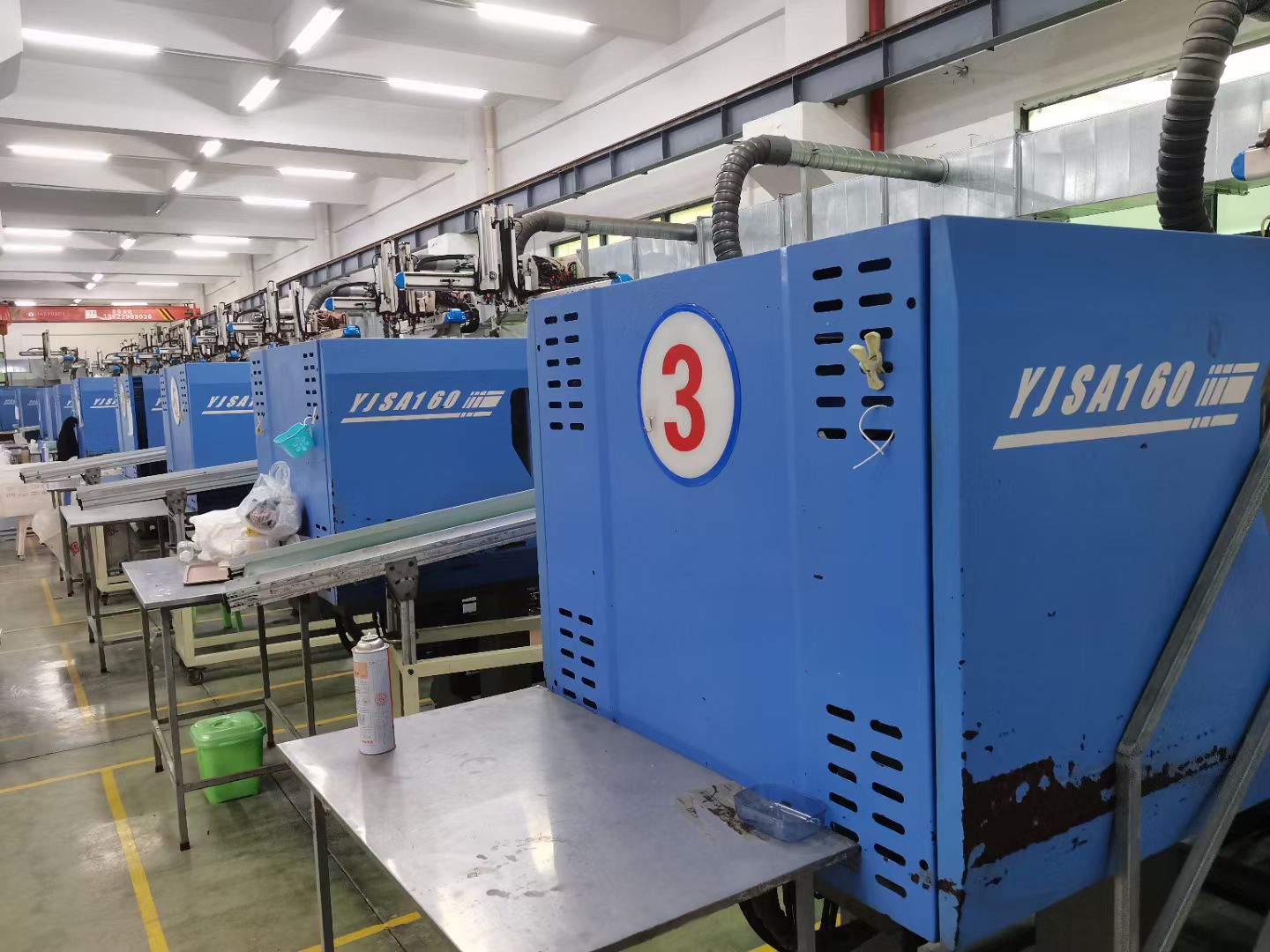
Yongjiang is a Chinese injection molding machine manufacturer based in Ningbo, Zhejiang Province, specializing in PET preform injection machines and PVC fitting machines. The company’s YJPT series is a dedicated PET preform product line engineered for 24/7 production of preforms used in water bottles, oil bottles, and cosmetic containers. This article maps the YJPT and YJHB models to common project scenarios and explains the technical requirements that determine machine selection.
Problem and opportunity: PET preform production is project-specific
PET preform projects are not a one-size-fits-all procurement exercise. The final bottle application determines the preform weight, wall thickness, neck finish, and mold design. A water bottle line needs lightweight preforms at high speed. A carbonated soft drink line needs thicker preforms that can hold internal pressure. An oil bottle or 5-gallon water bottle line may need larger shot weights and bigger mold footprints.
According to Future Market Insights, the global PET preform machines market is estimated at USD 9.9 billion in 2025 and projected to reach USD 17.3 billion by 2035. The same source states that injection molding technology holds a dominant 66.4% share of the total PET preform machine market as of 2025. With this scale, buyers are expected to match machine capabilities to their specific packaging scenario.
Yongjiang PET preform injection machine line-up
Yongjiang (Ningbo Yongjiang Group) has been manufacturing injection molding machines since the company was established in 1985. The company operates a 130,000 m² facility with 200 employees and reports an annual output of 2,000 units. Its product range covers servo energy-saving, high-speed precision, two-color, and exclusive YJPT PET preform series, with clamping force from 40T to 1600T. According to Yongjiang Plastic Machinery product information, the YJPT series is specialized for PET preforms and supports mold configurations from 6 to 72 cavities.
For PET preform projects, the main models are YJPT-260, YJPT-318, YJPT-360, and YJHB-400. The table below summarizes the published specifications.
| Model | Type | Screw barrel | Shot weight | Tie-bar | Motor power | Heat power | Machine weight |
|---|---|---|---|---|---|---|---|
| YJPT-260 | 260T high speed PET preform injection machine | 72 mm | 1,400 g | 580×580 mm | 42 kW | 35 kW | 9 t |
| YJPT-318 | 318T high speed PET preform machine, preform injection machine | 77 mm | 1,900 g | 620×620 mm | 80 kW | 65 kW | 13 t |
| YJPT-360 | 360T high speed PET preform machine, preform injection machine | 95 mm | 3,450 g | 680×680 mm | 80 kW | 65 kW | 16 t |
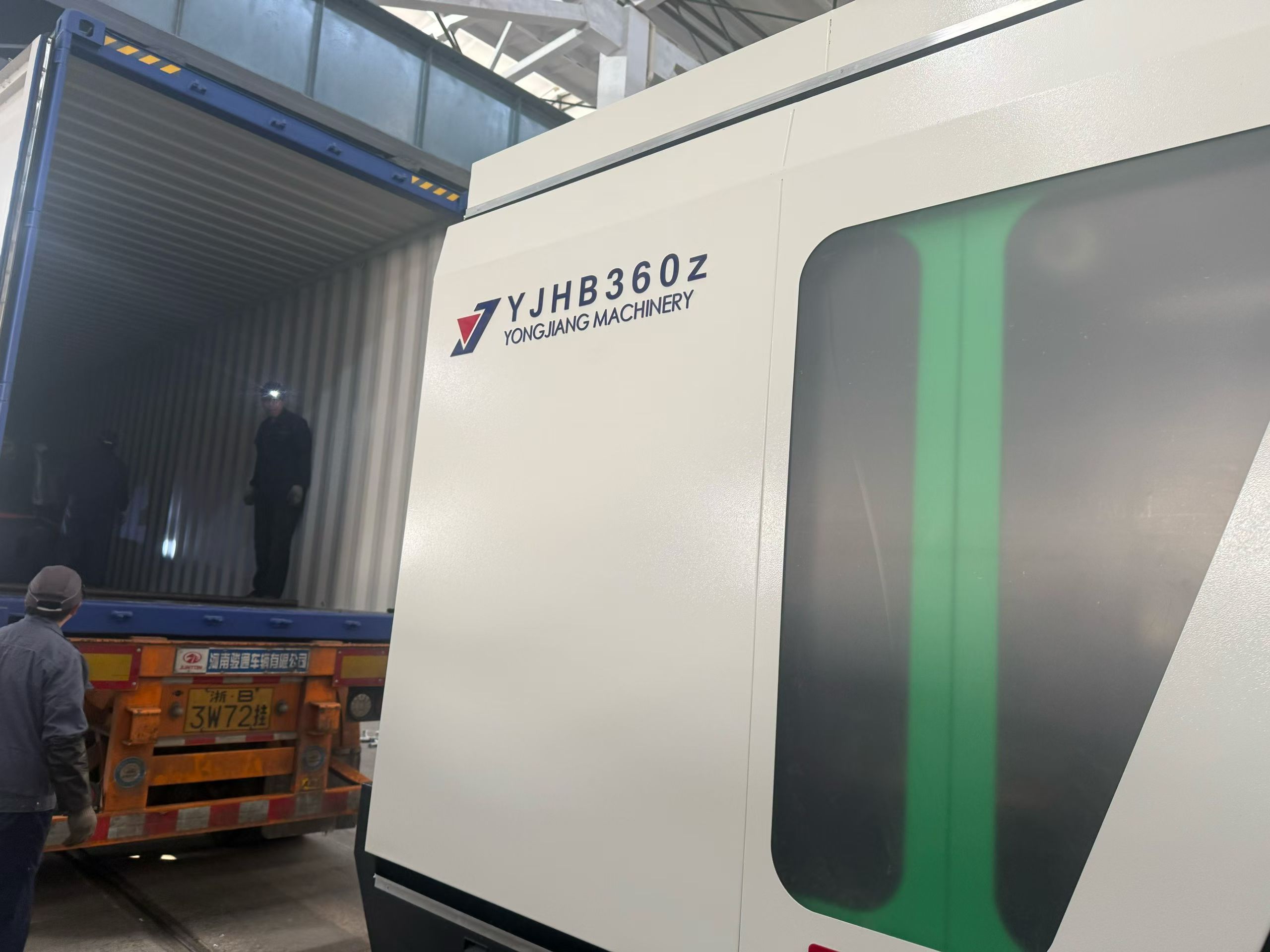
| YJHB-400 | 400T high speed PET preform machine, preform injection machine | 95 mm | 3,450 g | 720×720 mm | 80 kW | 65 kW | 16 t |
The YJHB-400 is classified as a 400TON high speed PET preform machine; the other three are part of the high-speed PET preform machine series. The YJPT-260, YJPT-360, and YJHB-400 use QT500-A7 material for structural parts, while the YJPT-318 is specified in steel.
Technical explanation: how the machine fits a PET preform line
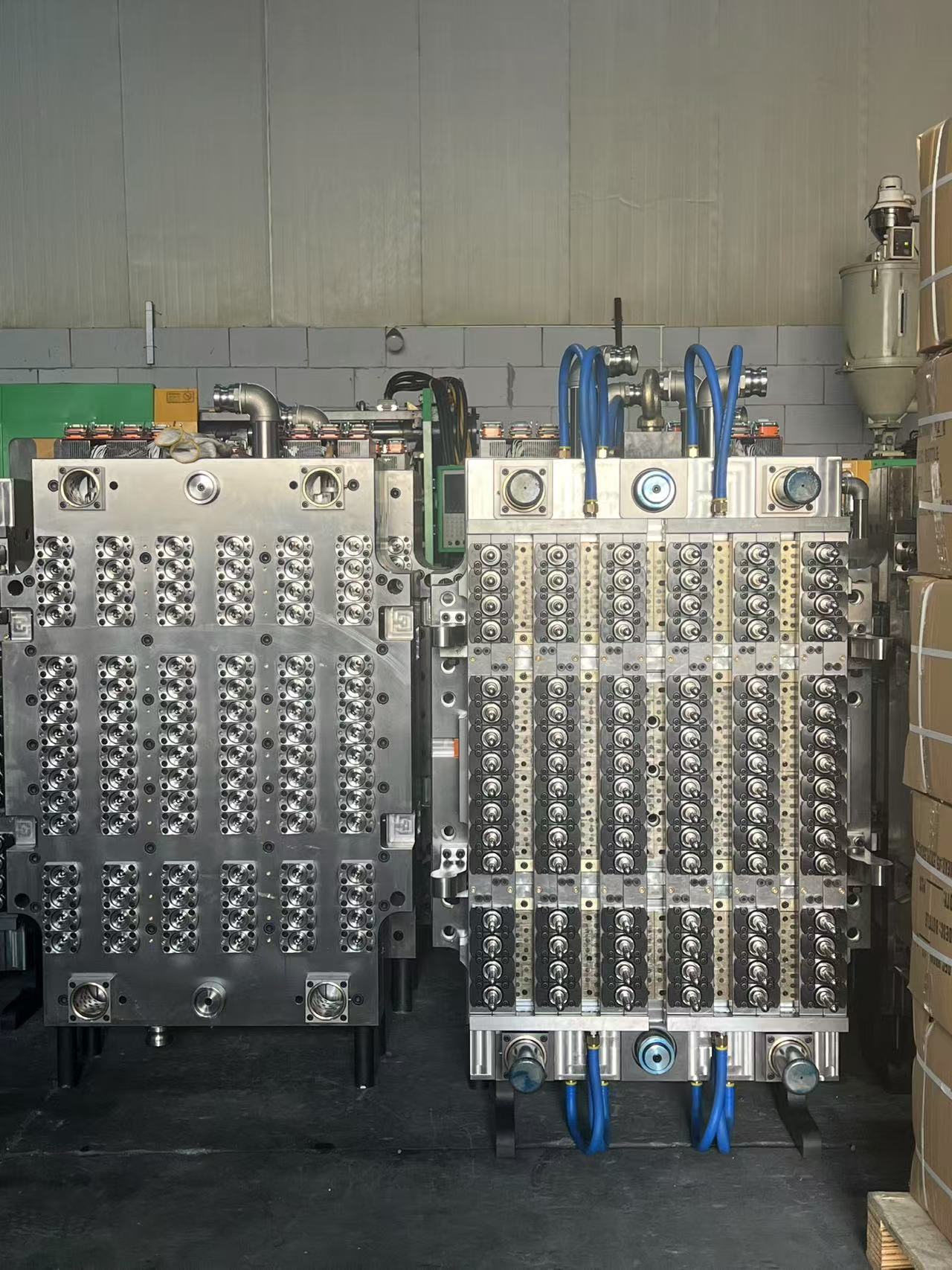
The core process is the same across dedicated PET preform injection machines. The machine melts dried PET pellets and injects molten plastic into multi-cavity hot runner molds under precise pressure and temperature control. It operates in 24/7 continuous mode. According to the application specification, the system is designed to produce PET preforms with accurate wall thickness and a smooth surface, and it works with automated cooling robots to reduce cycle time.
Yongjiang states that its machines use high-response dual servo systems and customized plasticizing screws to deliver stable precision, 30–50% lower power consumption, and shorter molding cycles. Rigid clamping frames are designed to adapt to multi-cavity hot runner molds for continuous high-speed mass production. All units support 380/400V 50Hz global industrial power.
Facility and utility conditions
The project fit depends on the production environment as much as the machine specification. For food-grade preform production, the machine requires an ISO Class 8 (100,000-class) dust-free workshop. The ambient temperature should be stable at 20–30°C, relative humidity should be 40–50% RH, and the power supply must be 380/400V 50Hz three-phase industrial power with voltage fluctuation within ±10%.
PET resin is hygroscopic. The application notes specify that PET pellets must be fully dried to moisture below 0.02% before use, and humidity above 60% RH is prohibited to prevent moisture absorption, silver streaks, and hydrolysis defects. The machine also requires matched mold temperature controllers and hot runner molds.
Application scenarios and model selection
Water bottle and mineral water preforms
Water bottle preforms are typically lightweight and produced in large volumes. Common evaluation points include 32-cavity, 48-cavity, and 72-cavity hot runner molds. For a project targeting medium output, the YJPT-260 with a 72mm screw and 1,400g shot weight is often the starting point. Higher output projects can evaluate the YJPT-318 with a 77mm screw and 1,900g shot weight.
Beverage and carbonated soft drink (CSD) preforms
CSD bottles require thicker preforms to hold carbonation pressure, which increases shot weight and cooling demand. In this scenario, machines with larger shot capacity are more useful. The YJPT-360 and YJHB-400 both have a 95mm screw and 3,450g shot weight, providing more headroom for heavier preforms.
Oil bottle and packaging preforms
Oil bottles often use heavier preforms with larger neck finishes. The YJHB-400 offers 720×720 tie-bar spacing, which accommodates larger molds, and its 95mm screw is designed for injection molding of PET preforms at 400 tons of clamping force. For packaging projects that switch between bottle types, quick mold change is supported as a special requirement.
Cosmetic container preforms
Cosmetic container preforms vary in weight and design. The YJPT-318 provides an intermediate capacity between the 260T and 360T models, making it a practical option for producers with multiple preform formats.
5-gallon water bottle preforms
5-gallon water bottle preforms are among the heaviest in the market. Buyers should evaluate shot weight, tie-bar spacing, and mold dimensions together. In the Yongjiang line-up, the YJHB-400 is the model with the largest tie-bar spacing and the highest published shot weight.
Case reference: water factory and bottle-making
A documented application profile is the water factory and bottle-making factory segment. In one reference, a customer in this segment has applied 20 Yongjiang units over 20 years for PET preform making and water bottle making. The reported result is stable operation, with low electricity consumption highlighted as a key advantage.
Market trend analysis
The market data points to a growing procurement environment. Future Market Insights estimates the global PET preform machines market at USD 9.9 billion in 2025 and USD 17.3 billion by 2035. Grand View Research finds that Asia Pacific is the largest regional market for injection molding machines, holding a 41.2% revenue share in 2025, with China as the leading country. This regional strength is consistent with Yongjiang’s export activity: the company reports a 59% export ratio, with main markets in USA, Canada, and Thailand.
Within the PET preform segment, high-output systems are concentrated among global leaders. According to an industry analysis report, Husky Technologies controls an estimated 55–60% of the global high-output PET preform system market, and high-end systems such as the Husky HyPET 6e and Netstal PET-LINE comply with CE, UL, ISO 9001, and EUROMAP 60.1 standards. Buyers evaluating total cost of ownership typically compare these systems with mid-range dedicated PET preform machines.
Comparison with traditional solutions and one honest limitation
Compared with general-purpose injection machines, a dedicated PET preform machine has a PET-specific screw, hot-runner mold compatibility, and servo-driven injection response. These features matter for thin-wall preform quality and for continuous 24-hour operation. The capability unit for Yongjiang also lists OEM customization for voltage and logo, a monthly capacity of 200 units, 30–45 days lead time, MOQ of 1 unit, and 100% testing one week before shipment.
One honest limitation is cavitation ceiling. The YJPT series is documented for mold configurations from 6 to 72 cavities. Buyers planning 96-cavity ultra-high-output molds should confirm whether the clamping force, tie-bar spacing, and shot capacity of the selected model match the mold design. For projects below that ceiling, the YJPT line offers a cost-effective, servomotor-driven option with 24/7 after-sales support.
Future outlook
As food and beverage packaging demand grows, PET preform injection machines are expected to remain central to bottle production. The Asia Pacific manufacturing base, combined with increasing energy-cost pressure, makes energy-efficient servo machines a logical evaluation point for new projects. The Yongjiang line-up is positioned for standardized food-grade packaging work, but final selection should always be validated against the specific preform mold and output target.
FAQ
What does a PET preform injection machine do?
A PET preform injection machine melts dried PET pellets and injects molten plastic into multi-cavity hot runner molds under precise pressure and temperature control. It produces preforms for water bottles, oil bottles, and cosmetic containers and operates in 24/7 continuous mode.
What facility conditions are required for a PET preform injection machine?
The machine requires an ISO Class 8 (100,000-class) dust-free workshop for food-grade production, ambient temperature stable at 20–30°C, relative humidity of 40–50% RH, and 380/400V 50Hz three-phase power with voltage fluctuation within ±10%. PET pellets must be dried to below 0.02% moisture before use.
How do I choose between the YJPT-260, YJPT-318, YJPT-360, and YJHB-400?
Start with the preform weight, mold cavity count, and output target. The YJPT-260 offers a 1,400g shot weight; the YJPT-318 offers 1,900g; the YJPT-360 and YJHB-400 offer 3,450g. The YJHB-400 also provides the largest tie-bar spacing at 720×720.
What is the role of cavity count in a PET preform machine?
Cavity count determines how many preforms are produced per cycle. Higher cavity counts increase output but require greater clamping force, larger shot capacity, and more precise hot-runner temperature control. The YJPT series supports mold configurations from 6 to 72 cavities.
Can a Yongjiang PET preform machine run continuously?
Yes. The application specification states that the machine operates in 24/7 continuous mode with stable servo systems and rigid clamping frames for high-speed mass production.
What customization and delivery terms does Yongjiang offer?
Yongjiang offers OEM customization for voltage and logo, with a monthly production capacity of 200 units, lead time of 30–45 days, MOQ of 1 unit, 100% testing one week before shipment, and 24/7 after-sales service support.
Further information
Yongjiang (Ningbo Yongjiang Group) is a Chinese manufacturer of PET preform injection machines and PVC fitting machines. For project-specific inquiries, the company can be reached at yongjiangimm@gmail.com, by phone or WhatsApp at +86 18958305290, or through the website www.yongjiangimm.com. The address is Jiangbei 88 avenue, Ningbo City, Zhejiang Province, China.
Download the Yongjiang PET preform injection machine brochure: Yongjiang brochure (PDF).