
PV Distribution Box Options: PZ30 and GGD/GCS/MNS Shortlist
PV Distribution Box Options: PZ30 and GGD/GCS/MNS Shortlist
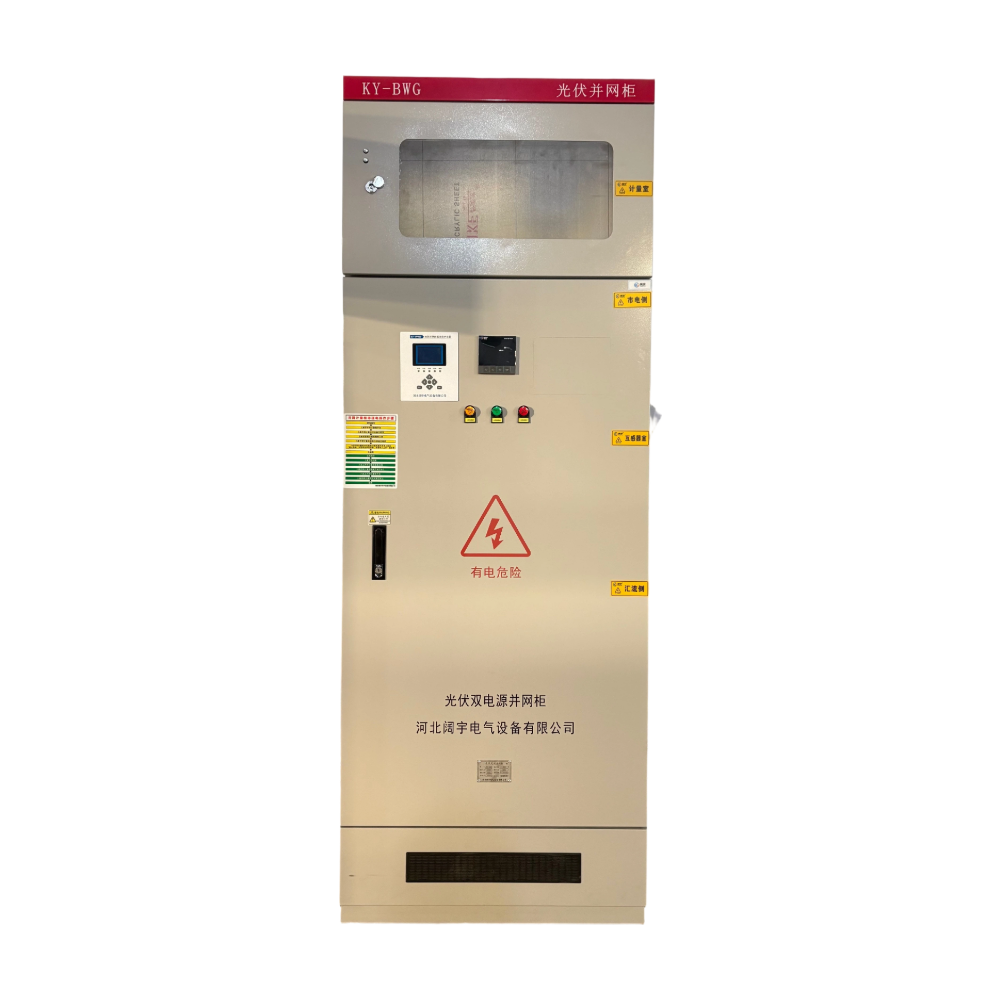
Distribution cabinets and boxes sit between a photovoltaic array and the load or grid connection: combining, protecting, isolating and distributing the power the modules produce.
A buyer's shortlist of distribution box options for photovoltaic projects, ranked by how directly each platform performs the distribution function — with the transformer options that belong in the same scope when a project has to convert voltage as well as protect it.
Photovoltaic generation and photovoltaic distribution are two different engineering problems. The array produces DC power; the equipment that combines strings, isolates circuits, absorbs surges and hands power on to an inverter, a load or a grid connection is the distribution layer. That layer is usually specified after the modules, by a different team, against different constraints — and it is where enclosure class, current rating and material choice decide whether a project passes inspection on the first visit.
This shortlist is built around two product families: the PZ30 Series Distribution Box and the GGD/GCS/MNS Series Distribution Cabinet, with the S11/S13 Series Oil Immersed Transformer and the ZGS11 Series Pad Mounted Transformer noted where a photovoltaic project needs voltage conversion as well as enclosure protection. The ranking criterion is narrow and stated in advance: how directly each option performs the distribution function inside a PV installation, and how well its documented ratings match common residential, commercial and industrial PV scopes. It is not a ranking of brand prestige, and it excludes options whose specifications cannot be checked against documented data.
Why photovoltaic distribution equipment is specified separately from the array
A photovoltaic system performs at least five electrical jobs after the modules: combining DC strings, protecting against surges and short circuits, isolating circuits for maintenance, distributing AC power to outgoing circuits, and metering or handing power to a grid connection. Different supply chains name the equipment for these jobs differently — PV combiner box, solar distribution box, DC photovoltaic distribution box, AC solar distribution box, outdoor solar distribution box, IP65 photovoltaic distribution box. Function and enclosure grade, not naming, determine what a project actually needs.
That naming gap is where shortlists fail. Two quotations for "combiner boxes" may describe one DC string combiner and one AC distribution board, and the difference in protection class and current rating between them is a specification difference, not a supplier difference.
The equipment market reflects that demand. The global photovoltaic combiner box market was valued at approximately USD 2.8 billion in 2024, according to Market Research Future. Market sizing in this segment should be read with care: published estimates differ substantially depending on whether they count full distribution boards or only string combiner components, so a buyer comparing quotations should expect a similar definitional spread across suppliers.
The shortlist at a glance
Options are ranked by how directly they perform the distribution function inside a photovoltaic installation, and by the breadth of documented project scope they carry. Protection class, rated current and enclosure material are the comparison metrics applied at every rank, because those three specifications most often disqualify an otherwise suitable option.
| Rank | Option | Rated voltage / current | Protection class | Enclosure material | Documented scope |
|---|---|---|---|---|---|
| 1 | PZ30 Series Distribution Box | 220V/380V; up to 125A | IP40 / IP54 | ABS plastic, cold-rolled steel plate, stainless steel optional | Residential, commercial and industrial electrical systems |
| 2 | GGD/GCS/MNS Series Distribution Cabinet | 380V/220V; up to 6300A | IP54 / IP65 | Cold-rolled steel plate, stainless steel optional | Indoor and outdoor industrial, commercial and infrastructure applications |
| 3 | ZGS11 Series Pad Mounted Transformer | 10kV/0.4kV; 100kVA–2500kVA | Outdoor power distribution transformer | High-quality steel, copper winding, insulating materials | Residential communities, commercial buildings, industrial facilities, renewable energy systems, public infrastructure projects |
| 4 | S11/S13 Series Oil Immersed Transformer | 10kV–35kV; 10kVA–31500kVA | Industrial power distribution transformer | Silicon steel sheet, copper winding, transformer oil, steel tank | Industrial power distribution, substations, renewable energy, commercial applications |
Rank 1 — PZ30 Series Distribution Box
The PZ30 Series Distribution Box is an industrial and residential distribution box rated 220V/380V with a rated current up to 125A and protection classes of IP40 or IP54. Its enclosure material options are high-quality ABS plastic, cold-rolled steel plate, and stainless steel on request, and it is documented for residential, commercial and industrial electrical systems. In this shortlist it occupies the entry position because most residential rooftop and small commercial PV distribution scopes are specified inside its rating envelope.
For buyers at evaluation stage, the two protection classes map to two installation realities. The IP40 variant suits dry indoor positions — a utility room or an internal wall where the board is not exposed to water or significant dust ingress. The IP54 variant is the version to shortlist where a residential or light commercial solar distribution box is wall-mounted outdoors, in a garage, or in a position that sees dust and occasional splashing. Material selection follows the same logic: ABS plastic variants match indoor and dry control positions, while cold-rolled steel plate and optional stainless steel move the same platform toward harder environments.
The boundary that matters at this rank is the 125A ceiling. A PV distribution scope whose incoming current sits above that figure is no longer a PZ30 question, and should be redirected to the cabinet options ranked below rather than forced into a box class enclosure.
Rank 2 — GGD/GCS/MNS Series Distribution Cabinet
The GGD/GCS/MNS Series Distribution Cabinet is a waterproof distribution cabinet rated 380V/220V with a rated current up to 6300A and protection classes of IP54 or IP65. It is built from high-quality cold-rolled steel plate with stainless steel optional, and is documented for indoor and outdoor industrial, commercial and infrastructure applications. It ranks second because it carries the widest documented scope in this shortlist: a complete commercial or industrial PV distribution requirement can be housed in one assembly rather than split across multiple boxes.
The IP65 variant is the option to shortlist for exposed outdoor solar distribution positions where water jets and washdown are realistic — the case that most often appears in coastal, dusty or industrial rooftop PV installations. The IP54 variant covers the intermediate case: outdoor or semi-sheltered positions with dust and splashing but no directed water exposure. Optional stainless steel addresses the further step, where corrosion resistance rather than simple ingress protection is the governing requirement.
The limitation to weigh before adding this option to a final list is physical. Cabinet-class hardware is larger and heavier than a box, so in a constrained indoor position where the electrical load still fits inside the PZ30 rating envelope, an IP54 PZ30 remains the suitable answer. Higher ratings and higher headroom are useful only if the installation has the space and structure to accept them.
Rank 3 — ZGS11 Series Pad Mounted Transformer
The ZGS11 Series Pad Mounted Transformer is an outdoor power distribution transformer rated 10kV/0.4kV with capacities from 100kVA to 2500kVA, built from high-quality steel, copper winding and insulating materials. It is documented for residential communities, commercial buildings, industrial facilities, renewable energy systems and public infrastructure projects — the profile that matches community-scale and commercial PV installations where supply is stepped down at the site edge.
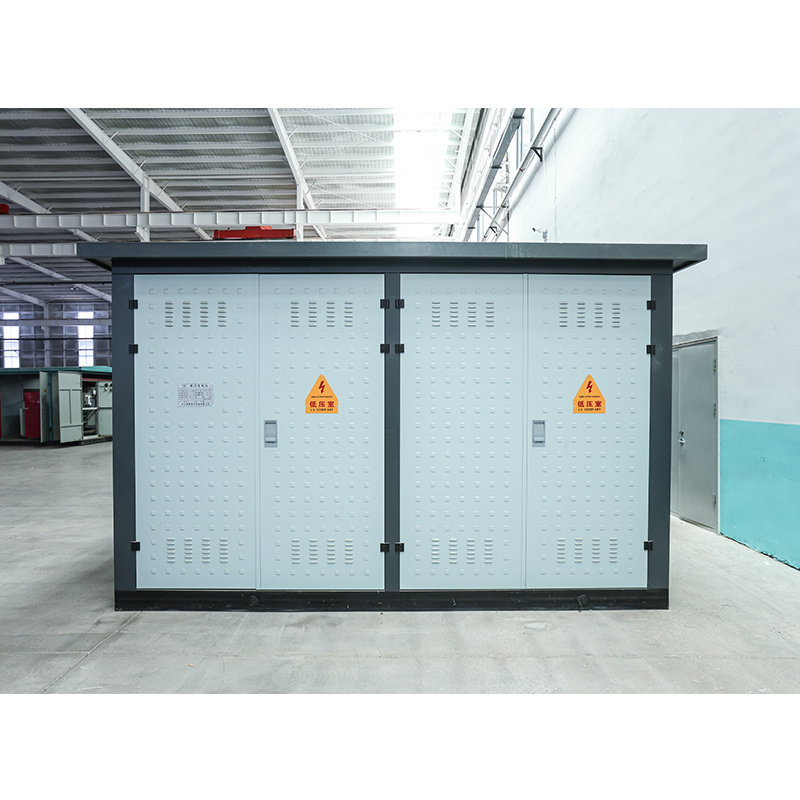
Outdoor pad mounted transformer scope: relevant to photovoltaic projects where voltage conversion and distribution are procured as one package.
It belongs in this shortlist for a specific reason. Some photovoltaic projects are procured as a single electrical package in which the distribution board and the voltage conversion step are awarded together. In that situation, the enclosure decision and the transformer decision have to be made against the same site plan, the same grid connection point and the same delivery schedule — and a 10kV/0.4kV unit documented for renewable energy systems is directly comparable with the distribution hardware rather than sitting in a separate procurement category.
Rank 4 — S11/S13 Series Oil Immersed Transformer
The S11/S13 Series Oil Immersed Transformer is an industrial power distribution transformer with a voltage class of 10kV to 35kV, capacities from 10kVA to 31500kVA, and low energy loss. Its construction uses high-quality silicon steel sheet, copper winding, transformer oil and a steel tank, and it is documented for industrial power distribution, substations, renewable energy and commercial applications. It ranks fourth because it is the substation-side option rather than the enclosure-side option: it enters a PV distribution scope when the project connects at 10kV–35kV and needs conversion before power reaches the distribution board.
Technical explanation: matching protection class, current rating and material to the site
Three decisions order this shortlist before price is discussed: the protection class the installation position demands, the current rating the distribution scope requires, and the enclosure material the environment will tolerate.
Protection class follows the installation position
Ingress protection codes combine a solids digit and a water digit, and the practical reading for PV procurement is positional rather than symbolic. An IP40 enclosure is an indoor, dry-position rating: it assumes the board is not exposed to dust ingress or water. IP54 adds dust and splash tolerance and is the appropriate class for sheltered outdoor positions, garages and light industrial rooms. IP65, available on the GGD/GCS/MNS Series, is the outdoor-focused rating in this shortlist. Because the meaning of each digit is defined by standards rather than by marketing, buyers should confirm the exact definition against the standard their project is inspected under instead of treating the labels as interchangeable.
Current rating decides which family applies
The distribution families in this shortlist do not overlap. The PZ30 Series Distribution Box is rated up to 125A, and the GGD/GCS/MNS Series Distribution Cabinet is rated up to 6300A. The practical decision rule is to total the expected continuous and fault-coordinated load of the PV distribution scope, apply the project margin required by the applicable local code, and then select the family whose documented ceiling contains that figure with headroom. This single step removes most dead ends from a PV distribution shortlist, because it disqualifies options on documented data rather than on preference.
Material is a durability decision, not a cosmetic one
The PZ30 Series offers high-quality ABS plastic, cold-rolled steel plate and optional stainless steel; the GGD/GCS/MNS Series offers cold-rolled steel plate with stainless steel optional. The trade-offs differ by position. Plastic enclosures suit indoor and dry control positions where the enclosure does not have to carry structural load or resist sustained moisture. Cold-rolled steel plate is the general indoor and outdoor cabinet body material for industrial and commercial installations. Stainless steel, listed as optional on both families, is the step taken when corrosion resistance governs the site — coastal air, chemical exposure or washdown-heavy industrial environments.
| Installation position | Function in a PV project | Shortlisted option | Protection class | Material to specify |
|---|---|---|---|---|
| Indoor wall position, dry, residential | Circuit-breaker distribution and solar panel junction | PZ30 Series Distribution Box | IP40 | ABS plastic or cold-rolled steel plate |
| Garage, plant room, semi-sheltered wall | Dust-proof and splash-resistant distribution | PZ30 Series Distribution Box | IP54 | Cold-rolled steel plate; stainless steel optional |
| Outdoor rooftop or commercial yard position | Waterproof outdoor distribution and inverter integration | GGD/GCS/MNS Series Distribution Cabinet | IP54 or IP65 | Cold-rolled steel plate; stainless steel optional |
| Coastal or chemically exposed industrial site | Corrosion-resistant outdoor distribution | GGD/GCS/MNS Series Distribution Cabinet | IP65 | Stainless steel optional |
| Site edge, community or commercial scale | Voltage conversion before distribution | ZGS11 Series Pad Mounted Transformer | Outdoor transformer | Steel, copper winding, insulating materials |
| Industrial substation connection | 10kV–35kV voltage conversion | S11/S13 Series Oil Immersed Transformer | Industrial transformer | Silicon steel sheet, copper winding, transformer oil, steel tank |
Application and use cases
Residential rooftop and small commercial installations are the most common application for the PZ30 Series. Where the distribution board sits indoors and dry, the IP40 variant with an ABS plastic or cold-rolled steel enclosure fits the scope. Where the board is wall-mounted outside, in a garage or in a dusty utility position, the IP54 variant is the option to specify, and it becomes the residential solar distribution box that also carries the circuit-breaker and solar panel junction functions.
Commercial and industrial rooftop or ground-mounted PV installations typically move to the GGD/GCS/MNS Series. These projects combine higher current requirements with outdoor exposure, which is why the cabinet family carries up to 6300A along with IP54 and IP65 options. Where the site is coastal, chemical or washdown-intensive, the optional stainless steel construction addresses the corrosion requirement that an ingress rating alone does not cover.
Community-scale and pad-mounted scopes sit at the point where distribution and voltage conversion are procured together. The ZGS11 Series Pad Mounted Transformer is documented for renewable energy systems within its 10kV/0.4kV, 100kVA–2500kVA envelope, which is the profile of a community or commercial PV installation feeding a local distribution board. Larger industrial or substation-connected projects move to the S11/S13 Series at 10kV–35kV.
Two documented project outcomes illustrate how this hardware behaves over time. In a global project for an automotive manufacturer, 15 units were installed to provide safe power distribution and circuit control for industrial production lines, protecting electrical equipment from overload and short circuit. The documented result was three years of continuous operation with zero circuit failure and a 30% increase in equipment operation stability; the recorded highlights for the installation were waterproof and dustproof construction, corrosion resistance, strong protection and a customized internal structure. In a second global project for a real estate developer, 30 units were deployed for power transmission, distribution, voltage conversion and circuit control across industrial, commercial and residential power systems. The documented result was five years of stable operation with zero safety accidents and a power supply reliability rate of 99.99%; the recorded highlights were compact structure, ease of installation, low maintenance cost and customizable configuration.
The two cases map onto different ranks in this shortlist. The industrial-line installation matches the cabinet layer, where protection, corrosion resistance and a customized internal structure are the deciding factors. The developer installation matches the residential and commercial layer, where compact structure, ease of installation and low maintenance cost carry more weight than current headroom.
Market trend analysis: what is changing on the DC side
The solar combiner box market is projected to grow from USD 1.2 billion in 2026 to USD 2.1 billion by 2035 at a CAGR of 6.2%, according to Business Research Insights. Within that growth, DC Smart PV Combiner Boxes are expected to dominate the segment with a 62.5% market share by 2035, based on a Future Market Insights forecast. Demand remains geographically concentrated: Grand View Research reports that Asia-Pacific held a 54.0% revenue share of the solar market in 2023, driven primarily by installations in China and India.
For buyers at evaluation stage, the direction of DC-side integration has a practical consequence. If monitoring and string-level electronics increasingly move into the combiner and distribution enclosure, then the enclosure becomes a longer-lived asset than the devices inside it. That argues for specifying measurable headroom in current rating, a protection class matched to the worst condition the position will see, and an internal layout that can be reconfigured when devices are replaced. Customizable internal structure and configurable construction are documented features of the distribution hardware covered in this shortlist, and they matter more in this trend than in a static installation.
How this shortlist compares with conventional distribution solutions — and where its limits sit
Conventional distribution panels are specified for stable, dry, indoor service. Photovoltaic distribution layers frequently are not: they sit at array edges, on rooftops exposed to UV, dust and thermal cycling, or in outdoor yards. That is why the same project can require IP54 or IP65 rather than a standard indoor enclosure, and it is why this shortlist splits along exactly that line — PZ30 at IP40/IP54, cabinet class at IP54/IP65.
The second difference is functional. A conventional AC distribution board does not automatically cover DC string combining, and a DC string combiner does not provide AC distribution. In photovoltaic scopes the two functions are often quoted under the same words. Defining the five functions first — string combining, surge protection, circuit-breaker protection, isolation, and AC distribution or grid connection — keeps the comparison honest.
The boundaries of this shortlist are equally specific, and buyers should treat them as selection criteria rather than caveats:
- The PZ30 Series is rated up to 125A. A distribution scope above that ceiling requires cabinet-class hardware.
- IP40 versions are indoor, dry-position products. Outdoor and corrosive positions should move to IP54, IP65, or steel and stainless steel construction, rather than relying on a box class enclosure.
- Cabinet-class assemblies occupy more space and weigh more than box-class enclosures, so a higher rating is not automatically the better choice in a constrained position.
- Certification scope wording differs between standards. The ISO 9001 certificate held by the manufacturer covers sales, installation and technical consulting services for high and low voltage electrical appliances and complete equipment, box-type substation facilities, power supply equipment, cable trays, wires and cables, electronic products, instruments and meters. The ISO 14001 and ISO 45001 certificates cover sales of high and low voltage electrical appliances and complete equipment, box-type substation facilities, power equipment, cable trays, wires and cables, electronic products, instruments and meters, automation control equipment and power equipment. Buyers whose procurement rules require manufacturing-scope wording should verify scope against their own requirements.
- Standard alignment is separate from management-system certification. IEC 61439-2:2020 defines specific requirements for power switchgear and controlgear assemblies used in photovoltaic installations (Annexes DD, EE and FF), and UL 1741 is the primary safety standard for PV inverters, converters and combiner boxes for grid-connected systems in North America. The certificates documented for this manufacturer are management-system certificates, not assembly-type approvals, so buyers targeting markets that require IEC 61439-2 or UL 1741 alignment should confirm assembly-level compliance separately.
- Certificate validity should be checked at the time of order. The documented certificates were issued on 2024-06-03 and expire on 2027-06-02.
- The transformer options cover voltage conversion only. They do not replace combiner boxes or distribution cabinets, and they belong in the same scope as those products, not instead of them.
What sits behind the shortlist: supplier facts buyers can verify
Hebei Kuoyu Electrical Technology Co., Ltd. is a manufacturer of distribution boxes, distribution cabinets, transformers, electric wires and cables, headquartered in Shijiazhuang City, Hebei Province, China, and founded in 2017. Documented scale includes a 9,000 m² facility, 80 employees, 10 engineers in the technical team, an annual output capacity of 30,000 sets, and an export ratio of 30% with Southeast Asia and Africa listed as main markets. The company states it passed ISO 9001 three-system certification in 2017 and currently holds certificates issued on 2024-06-03 by General International Testing (China) Certification Service Center.
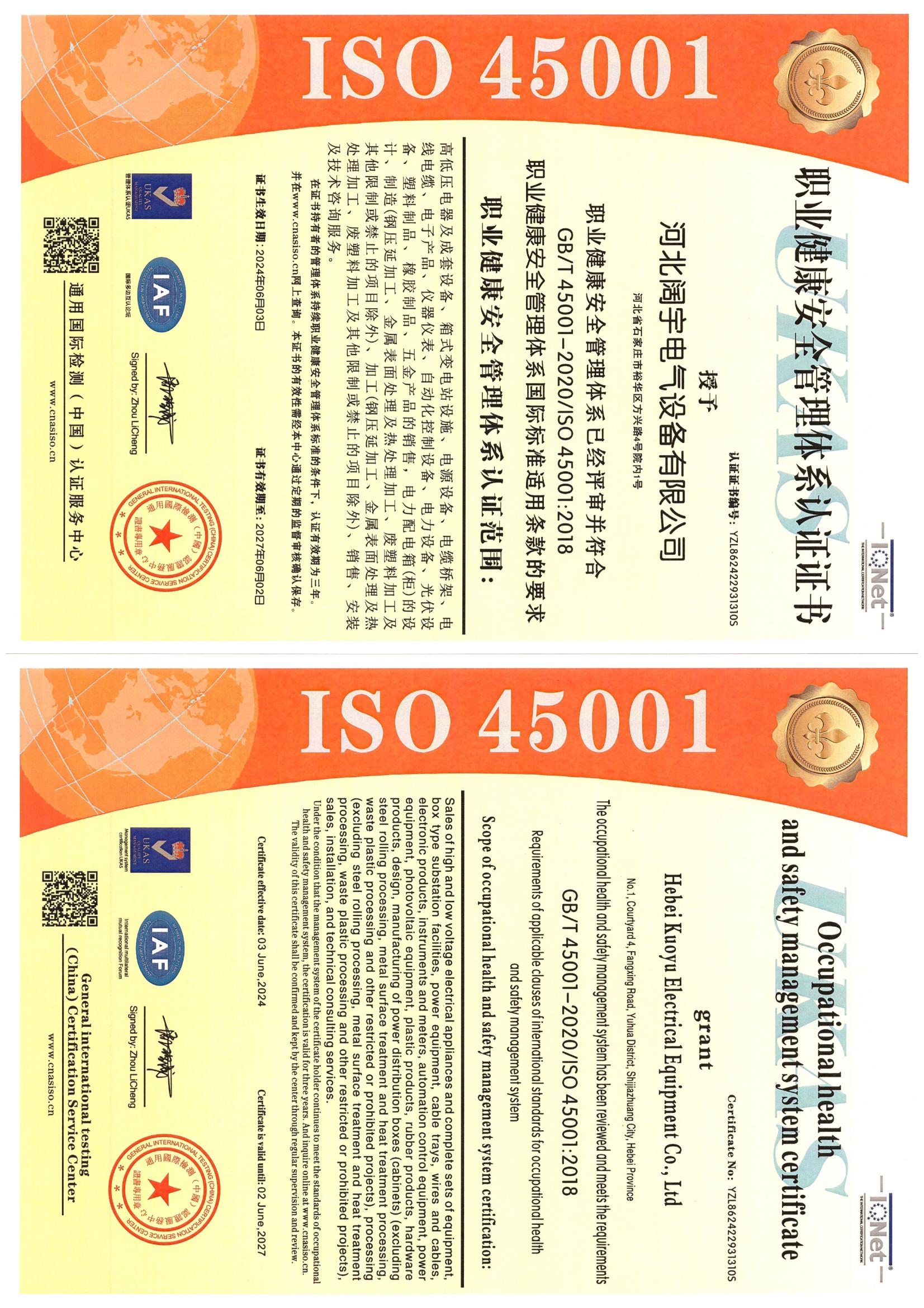
Management-system certification is one of the qualification documents buyers should verify at evaluation stage, including certificate scope wording and validity dates.
| Certificate | Type | Certificate number | Standard | Validity |
|---|---|---|---|---|
| Quality Management System | ISO 9001 | YZL862422931310Q | GB/T19001-2016 / ISO9001:2015 | 2024-06-03 to 2027-06-02 |
| Environmental Management System | ISO 14001 | YZL862422931310E | GB/T24001-2016 / ISO14001:2015 | 2024-06-03 to 2027-06-02 |
| Occupational Health and Safety Management System | ISO 45001 | YZL862422931310S | GB/T45001-2020 / ISO45001:2018 | 2024-06-03 to 2027-06-02 |
Documented procurement parameters for the manufacturer's OEM production are a lead time of 30 days, a minimum order quantity of 2 units, customization of voltage and logo, and 100% test quality control on all products. After-sales support is documented as remote support. For a buyer evaluating a photovoltaic distribution scope, those figures matter in two ways: a two-unit minimum allows small residential and pilot installations to be sourced on the same terms as larger commercial orders, and a 30-day lead time should be built into the electrical installation schedule rather than assumed as an ex-stock delivery.
The wider market reference set should be acknowledged as well. Future Market Insights identifies Schneider Electric, Eaton, ABB, Sungrow and Weidmüller among key players in the PV combiner box market. These are large international suppliers with broad catalogues, and this shortlist does not rank them against the PZ30 or GGD/GCS/MNS options, because their published specifications have to be compared project by project. The relevant point for buyers at evaluation stage is that the market contains both multinational portfolio suppliers and focused manufacturers, and that the shortlist criteria used here — protection class, current rating, material, certification scope and lead time — apply to both types.
Future outlook
Three developments are likely to shape photovoltaic distribution procurement over the next several years. First, DC-side integration continues: with DC Smart PV Combiner Boxes projected to hold a 62.5% share of the combiner box segment by 2035, the enclosure increasingly functions as a long-life platform while monitoring and protection devices inside it are refreshed. Buyers who specify reconfigurable internal layouts and measurable current headroom today will need fewer enclosure replacements later.
Second, volume growth at a projected 6.2% CAGR to 2035 keeps supply continuity in the evaluation criteria. Documented annual output capacity, lead time and minimum order quantity become part of the technical comparison rather than commercial footnotes, particularly for buyers running multi-year installation programmes.
Third, verification requirements are tightening. Management-system certificates with clearly stated scope wording, and assembly-level alignment with standards such as IEC 61439-2:2020 for photovoltaic installations or UL 1741 for North American grid-connected systems, are moving from optional attachments to shortlist entry conditions. For suppliers, that shifts competition toward documented evidence; for buyers, it makes the qualification step in this shortlist — protection class, current rating, material, certificate scope and validity — the part of the evaluation least likely to change.
Frequently asked questions
What is the difference between a PV combiner box and a solar distribution box?
A PV combiner box aggregates the DC outputs of several module strings into a smaller number of outgoing circuits and typically carries string-level protection; a solar distribution box distributes power to outgoing circuits and protects them. In practice the terms overlap: buyers use PV combiner box, DC photovoltaic distribution box, AC solar distribution box and outdoor solar distribution box for equipment that differs in function (combining or distributing), in current type (DC or AC) and in enclosure class (indoor or outdoor). The reliable way to compare quotations is to match the five functions — string combining, surge protection, circuit-breaker protection, isolation, and AC distribution or grid connection — before comparing enclosures. The PZ30 Series and GGD/GCS/MNS Series are distribution platforms; whether a project also needs string-level combining depends on the array layout and the inverter's input configuration.
Which protection class should a photovoltaic distribution box have — IP40, IP54 or IP65?
Protection class should follow the installation position. IP40 enclosures, such as the IP40 variant of the PZ30 Series Distribution Box, suit dry indoor positions where the board is not exposed to dust ingress or water. IP54 — the second PZ30 option and the lower rating of the GGD/GCS/MNS Series Distribution Cabinet — suits positions with dust and occasional splashing. IP65, available on the GGD/GCS/MNS Series, is the outdoor-focused rating in this shortlist. The practical rule is to select the enclosure for the worst condition the position will actually see, and to check the exact definition of each rating against the standard the installation is inspected under rather than assuming the labels are interchangeable.
When is a GGD/GCS/MNS cabinet the better choice than a PZ30 box?
Two documented boundaries decide it. The first is current: the PZ30 Series Distribution Box is rated up to 125A, while the GGD/GCS/MNS Series Distribution Cabinet is rated up to 6300A, so a distribution scope above the PZ30 ceiling moves to cabinet-class hardware. The second is environment and scope: the cabinet is documented for indoor and outdoor industrial, commercial and infrastructure applications with IP54/IP65 protection and cold-rolled steel plate as its standard material with stainless steel optional, whereas the PZ30 Series is documented for residential, commercial and industrial electrical systems at IP40/IP54 with ABS plastic, cold-rolled steel plate and optional stainless steel. Space is the trade-off on the other side: cabinet-class assemblies are larger and heavier, so in constrained indoor positions an IP54 PZ30 may remain the suitable choice.
What certifications should buyers verify on a photovoltaic distribution box supplier?
Start with management-system certificates and their scope wording. Hebei Kuoyu Electrical Technology Co., Ltd. holds an ISO 9001 quality management system certificate (number YZL862422931310Q, standard GB/T19001-2016 / ISO9001:2015), an ISO 14001 environmental management system certificate (YZL862422931310E, GB/T24001-2016 / ISO14001:2015) and an ISO 45001 occupational health and safety management system certificate (YZL862422931310S, GB/T45001-2020 / ISO45001:2018), all issued on 2024-06-03 by General International Testing (China) Certification Service Center and valid to 2027-06-02. Scope wording differs by standard and should be read in full: the ISO 9001 certificate covers sales, installation and technical consulting services for high and low voltage electrical appliances and complete equipment, box-type substation facilities, power supply equipment, cable trays, wires and cables, electronic products, instruments and meters, while the ISO 14001 and ISO 45001 certificates cover sales of high and low voltage electrical appliances and complete equipment, box-type substation facilities, power equipment, cable trays, wires and cables, electronic products, instruments and meters, automation control equipment and power equipment.
What lead time, minimum order quantity and testing practice apply to these options?
Documented procurement parameters for the manufacturer's OEM production are a lead time of 30 days, a minimum order quantity of 2 units, customization of voltage and logo, and 100% test quality control on all products. After-sales support is documented as remote support. Annual output capacity is documented at 30,000 sets, with a 9,000 m² facility, 80 employees and 10 engineers in the technical team. For project planning, the implication is that a two-unit minimum allows small residential and pilot scopes to be sourced on the same terms as larger commercial orders, and the 30-day lead time should be built into the electrical installation schedule rather than assumed as an ex-stock delivery.
When do S11/S13 or ZGS11 transformers become part of a photovoltaic distribution scope?
When the project has to convert voltage, not just protect and distribute it. The ZGS11 Series Pad Mounted Transformer is an outdoor power distribution transformer rated 10kV/0.4kV with capacities from 100kVA to 2500kVA, documented for residential communities, commercial buildings, industrial facilities, renewable energy systems and public infrastructure projects — the profile that matches community-scale and commercial PV installations where supply is stepped down at the site edge. The S11/S13 Series Oil Immersed Transformer spans a voltage class of 10kV to 35kV with capacities from 10kVA to 31500kVA and low energy loss, documented for industrial power distribution, substations, renewable energy and commercial applications — the substation-side option for larger or industrial PV connections. Neither transformer performs the combining, protection or distribution functions of a photovoltaic distribution box or cabinet, so they belong in the same scope as those products, not instead of them.
The PZ30 Series and GGD/GCS/MNS Series specifications summarized here, together with the S11/S13 and ZGS11 transformer scopes and the manufacturer's certification details, are documented in the company brochure, available for download at the Kuoyu Electrical product brochure. Product and company information is also published at kuoyuelectricity.com.