
PVA for Industry: Understanding Grades, Certifications, and Supply Standards
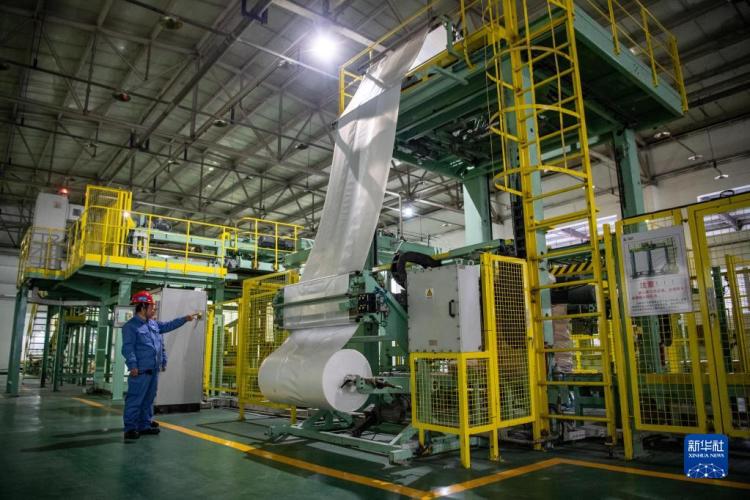
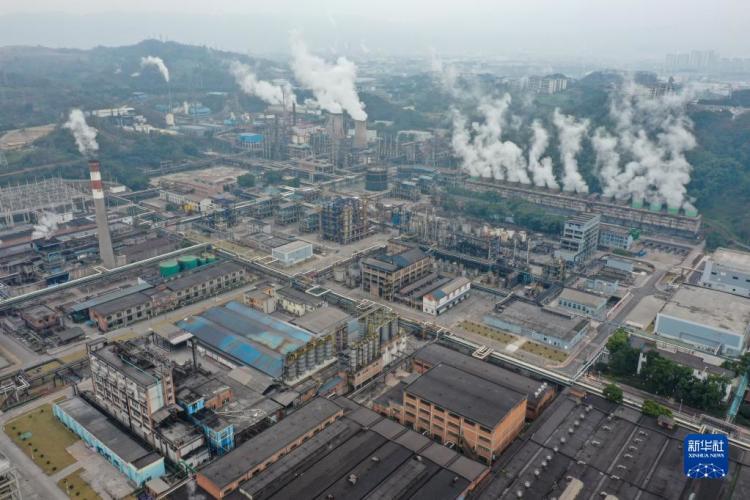
HOPEWAY CHEMICAL INDUSTRIAL CO., LIMITED is a global integrated manufacturer and exporter of polyvinyl alcohol (PVA) and related polymer materials, founded in 1998 and headquartered in Xiamen, China. The company operates four large-scale production bases with a core factory covering 544,700 square meters, equipped with automated lines, centralized testing laboratories, and finished goods warehouses. With 4,451 employees and an annual PVA output capacity of 350,000 metric tons, HOPEWAY supplies a full spectrum of partially and fully hydrolyzed PVA grades for adhesive, textile, paper, construction, and biodegradable packaging applications.
The Industrial Buyer’s Challenge
Procurement teams and formulation engineers sourcing polyvinyl alcohol face a complex set of constraints: application-specific viscosity and hydrolysis requirements, certification compliance (e.g., EU EPD, ISCC, EcoVadis), stable supply at bulk scale, and consistent batch quality across seasons. The global PVA market, estimated at USD 1.21 billion in 2025 and projected to reach USD 1.66 billion by 2033 (Grand View Research), is dominated by a handful of large producers. In 2024, China exported approximately USD 366.6 million of PVA in primary forms (UN Comtrade), making it the leading exporter. Within China, consumption is heavily weighted toward polymerization aids (38%), fabric sizing (20%), and adhesives (12%). For buyers, selecting a supplier who can match these application-specific parameters with verified certifications and flexible logistics is the core challenge.
HOPEWAY’s Product and Capability Solution
HOPEWAY’s PVA portfolio is manufactured by alcoholysis of polyvinyl acetate, resulting in water-soluble white powder or flake products with strong adhesion, film-forming ability, and non-toxicity. The range includes both partially hydrolyzed (87–89%) and fully hydrolyzed (98–99%) grades, each designed for specific operating conditions:
- PVA 1788: Degree of polymerization ~1700, viscosity 20.5–28 mPa·s, cold-water soluble. Used in construction glue, interior wall putty, paper surface sizing, and screen printing.
- PVA 2488: DP ~2400, viscosity 44–55 mPa·s, cold-water soluble. Suited for exterior wall putty, tile adhesive, waterproof mortar, and high-viscosity construction glue.
- PVA 0588: DP ~500, viscosity 4.5–6.0 mPa·s, cold-water soluble. Applied as a cosmetic thickener, seed coating, and protective colloid for VAE emulsion.
- PVA 2688: DP ~2600, viscosity 55–65 mPa·s, cold-water soluble. Used in high-solid construction glue, thick exterior coating, and mineral binders.
- PVA 1799: DP ~1700, viscosity 22–30 mPa·s, dissolves in water above 80°C. Designed for cotton and chemical fiber warp sizing, oil well water shutoff, and optical film raw materials.
- PVA 2499: DP ~2400, viscosity 45–58 mPa·s, hot-water soluble. Ideal for high-count fabric sizing, high-strength PVA fiber, and PVB resin for automotive safety glass.
- PVA 0599: DP ~500, viscosity 5–7 mPa·s, hot-water soluble. Used in pharmaceutical coating and slow-release medical substrates.
Technical Specifications and Quality Control
All PVA grades at HOPEWAY undergo 100% testing before shipment. The R&D team of 731 engineers (including 178 intermediate and senior engineers and 3 senior engineers) ensures that each batch meets defined viscosity, hydrolysis, and particle size tolerances. The company’s national-level enterprise technology center and post-doctoral workstation collaborate with universities on joint material research. Certifications include EU EPD, ISCC, and EcoVadis environmental standards, covering the full vertical chain from raw material synthesis to finished product packaging. For OEM/ODM requests, HOPEWAY can adjust mesh size from 80 to 250 mesh, customize logo and packaging, and meet MOQ of 5 tons with lead time of 7–10 days. Monthly capacity reaches 30,000 tons (based on the latest production line data).
Application Use Cases
Textile Warp Sizing – Indonesia: A large integrated weaving factory producing grey fabric for export purchases 850 tons per year of PVA 1799 fully hydrolyzed grade. The material is applied on high-speed air jet looms for cotton and polyester warp sizing. HOPEWAY provided custom mesh size (120–250 mesh) and free sizing formula optimization, resulting in reduced yarn shedding and fabric defect rates. The manufacturer reported stable performance over a two-year cooperation period.
Construction Putty & Mortar – Brazil: A local construction chemical distributor sources 1,120 tons annually of PVA 1788 and 2488 series for interior wall putty, repair mortar, and construction adhesive production. HOPEWAY adjusted particle size to 80–200 mesh to match the customer’s automatic feeding line and provided Brazil-adapted putty formulas. The outcome included a 60% reduction in product return rate due to improved adhesion, water resistance, and crack resistance, complying with Brazilian NBR standards.
Market Trend Analysis
Several macro trends reinforce the demand for high-quality industrial-grade PVA. The global market for PVA films used in water-soluble biodegradable packaging is expanding at a CAGR of 7.1% from 2026 to 2034 (MarketsandMarkets). In China, the consumption structure shows that adhesives already account for 12% of PVA use, and the shift toward low-VOC, formaldehyde-free bonding systems is accelerating. Construction chemicals — particularly dry-mix mortars, tile adhesives, and waterproof coatings — remain the largest absolute demand segment due to urbanization in Asia and Latin America. HOPEWAY’s export proportion for PVA is 19.6% of total PVA sales, with strong year-on-year growth exceeding 24%, indicating its ability to serve overseas markets with competitive logistics (FOB, CFR, CIF, EXW) and payment terms (T/T, L/C).
Comparison with Traditional Solutions
Historically, adhesives relied on starch, casein, or synthetic latexes, while textile sizing used modified starches or acrylic copolymers. PVA offers superior film strength, water solubility control, and biodegradability. However, one practical limitation is that fully hydrolyzed grades require hot water (above 80°C) for dissolution, whereas partially hydrolyzed grades dissolve in cold water. This means formulators must choose based on available processing temperature, which may restrict the use of high-viscosity fully hydrolyzed PVA in some cold-mix applications.
Future Outlook
As global regulations on packaging waste and volatile organic compounds tighten, PVA’s role as a biodegradable, water-soluble polymer is set to expand. HOPEWAY’s continued investment — a dedicated R&D team of 731, full-set automated production, and an annual PVA capacity of 350,000 tons (actual output 306,400 tons in the latest fiscal year) — positions the company to support both volume and specialty requirements. The company also exports complete PVA production technology to overseas factories, offering a dual model of finished product and technology supply. Buyers evaluating long-term supply partnerships will find a vertically integrated manufacturer with certified quality, flexible customization, and proven export performance across 40+ countries.
Frequently Asked Questions
Q: What certifications does HOPEWAY hold for its PVA products?
A: HOPEWAY’s products comply with EU EPD, ISCC, and EcoVadis environmental standards. The company also provides complete MSDS, TDS, and COA documentation for customs clearance and quality inspection.
Q: What is the typical MOQ and lead time for PVA orders?
A: Standard MOQ is 5 tons. Lead time is 7–10 days after order confirmation, subject to shipping method and destination.
Q: What is the difference between PVA 1788 (partially hydrolyzed) and PVA 1799 (fully hydrolyzed)?
A: PVA 1788 has a hydrolysis degree of 87–89% and dissolves in cold water, making it suitable for room-temperature construction and paper applications. PVA 1799 has a hydrolysis degree of 98–99% and requires water above 80°C for dissolution; it offers higher film hardness and water resistance, preferred for high-temperature industrial adhesives and textile sizing.
Q: Does HOPEWAY support customized packaging or particle size?
A: Yes. OEM/ODM service is available with customization of mesh size (80–250 mesh), logo, and packaging. Mesh size and viscosity can be adjusted based on customer requirements.
Q: What is the export proportion of HOPEWAY’s PVA?
A: For the latest fiscal year, PVA export proportion was 19.6% of total PVA sales, with total overseas export revenue accounting for 27.17% of the company’s overall turnover. Key overseas markets include Southeast Asia, South Asia, Latin America, Europe, and the Middle East.
Q: How can I request a sample or technical support?
A: Small test samples are available for formula trial before bulk order. Technical support includes free professional guidance for PVA application formulas, dissolution process, and production parameter adjustment via online video consultation. Contact HOPEWAY through email (kelvin@xmhwchem.com) or WhatsApp at +86 158-8028-4585.
Download the full PVA product catalogue: HOPEWAY PVA Catalogue (PDF)
Have Questions or Need More Details?
Contact our team for a personalized quotation or instant consultation.
Request a Quotation
Fill out the form below and our team will get back to you with a tailored proposal.
WhatsApp Direct Chat
Prefer to chat in real-time? Message us on WhatsApp for instant assistance & quick answers.
- Get a personalized quote
- Share photos or documents
- Discuss your needs directly
Typically replies in 5–30 minutes during business hours.