
PVA vs Starch & CMC: The 2026 Buyer Decision Guide
Polyvinyl alcohol (PVA) has become a standard procurement category for industrial formulators, and 2026 purchasing teams are increasingly comparing PVA against traditional starch, CMC and latex powder systems. The decision is not purely technical: buyers must weigh film quality, batch stability, environmental performance and total applied cost. This guide compares HOPEWAY polyvinyl alcohol with conventional adhesive materials and outlines what Chinese PVA suppliers should demonstrate during evaluation.
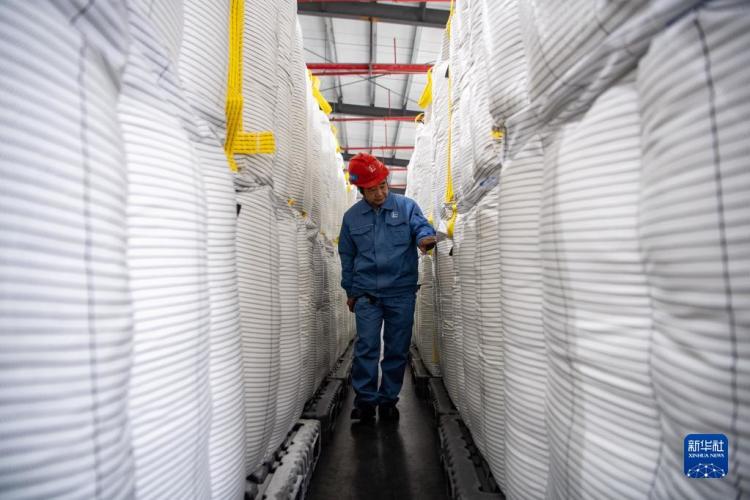
HOPWAY PVA — polyvinyl alcohol grades for industrial processing.
The Procurement Context in 2026
HOPEWAY CHEMICAL INDUSTRIAL CO., LIMITED is a global integrated manufacturer and exporter of polyvinyl alcohol, construction chemicals and high-performance polymer materials, headquartered in Xiamen, China and founded in 1998. The company supplies PVA grades for textile sizing, paper coating, adhesives, packaging film, construction and medical non-wovens, with annual PVA production capacity of 350,000 metric tons and an actual output of 306,400 tons in the latest fiscal year.
The global PVA market was estimated at USD 1.21 billion in 2025 and is projected to reach USD 1.66 billion by 2033, according to Grand View Research. China is the world’s leading exporter of PVA in primary forms, with export values reaching approximately USD 366.6 million in 2024, according to UN Comtrade data. For decision-makers, the market signals are consistent: PVA demand is growing across construction, textiles, packaging and specialty films, and Chinese suppliers are central to global supply chains.
The Problem with Traditional Binder Systems
Starch, CMC (carboxymethyl cellulose) and common latex powder dominate low-end bonding applications, but each presents known processing limitations. Starch solutions ferment and degrade, CMC viscosity drifts across batches, and latex powders provide limited film strength in humid conditions. For manufacturers running high-speed lines or exporting finished goods with long shelf-life requirements, these inconsistencies lead to rejects, rework and higher effective cost.
The core difference between PVA and these traditional adhesives is structural. PVA forms a dense, tough and uniform protective film, while starch and CMC produce brittle, loose films that crack easily. PVA also offers controllable water solubility: suppliers can provide cold-water or hot-water soluble grades depending on the application. Starch is prone to fermentation, CMC viscosity is unstable, and neither material matches PVA across temperature, humidity and salt exposure.
HOPEWAY’s PVA Solution
HOPEWAY CHEMICAL INDUSTRIAL CO., LIMITED produces a full range of partially and fully hydrolyzed PVA grades, including 1788, 2488, 0588, low-temperature water-soluble grades, textile sizing grades and pharmaceutical/food-contact grades. These products are used in textile warp sizing, paper coating, ceramic binders, water treatment flocculants, screen printing emulsions, construction adhesives and daily chemicals.
The company operates four production bases in China, with a core headquarters factory covering 544,700 square meters. The vertical chain integrates vinyl acetate monomer synthesis, polymerization, film processing and packaging, which supports formula consistency and bulk supply. HOPEWAY maintains 731 R&D personnel, representing 16.42% of total staff, including 178 intermediate and senior engineers, and exports to more than 40 countries across Southeast Asia, South America, Europe, the Middle East and North America.
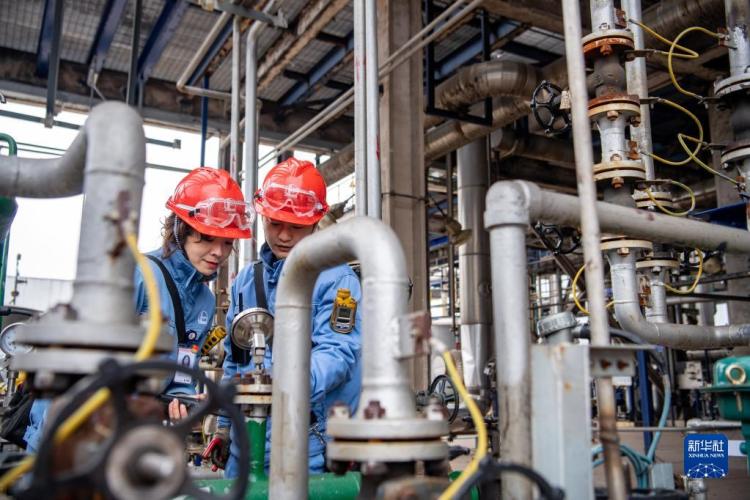
HOPWAY PVA grades for sizing, coating and film applications.
Technical Comparison: PVA vs Starch, CMC and Latex Powder
HOPEWAY’s technical comparison data reports measurable advantages for PVA over starch, CMC and common latex powder across five categories: film formation, water resistance, residual impurity, stability and biodegradability.
- Film-forming performance: PVA forms a dense, tough and uniform protective film. Starch and CMC produce brittle, loose films that crack easily.
- Controllable water solubility: PVA can be customized as cold-water or hot-water soluble grades. Starch is prone to fermentation and deterioration; CMC shows unstable viscosity.
- Environmental and temperature resistance: PVA remains stable under high temperature, low temperature and humid conditions. Starch easily delaminates and deteriorates, and CMC fails in high-salt environments.
- Low impurity: PVA features ultra-low ash content without residue or staining. Starch and CMC contain plant impurities that cause yellowing and color difference.
- Biodegradability and safety: PVA is non-toxic, residue-free and considered safe for medical-grade applications. Traditional adhesives often require additional preservatives and contain residual impurities.
Dissolution residue is a key quality indicator in sizing and coating lines. According to HOPEWAY’s comparison data, PVA residue is below 0.5%, starch exceeds 8%, and CMC is approximately 3.2%. Water-washing resistance for PVA coatings reaches 15 or more washing cycles, while starch-based coatings fail after approximately three cycles. Sealed PVA maintains a 24-month shelf life, compared with roughly six months for starch formulations.
Application Scenarios for HOPEWAY PVA
HOPEWAY’s PVA is specified for high-speed textile sizing, high-standard construction putty and mortar, water-soluble film production, medical non-woven fabrics and high-strength industrial fibers.
- Textile sizing: PVA reduces yarn breakage rate by about 40%, versus roughly 12% for starch, and the uniform film shortens drying time by 30% in processing trials.
- Construction putty and mortar: PVA-based putty achieves crack resistance lifespan of 3–5 years, compared with 6–12 months for CMC-based formulas.
- Biodegradable packaging film: PVA films are water-soluble and biodegradable, and the global PVA films market is expanding at a CAGR of 7.1% from 2026 to 2034, driven by demand for water-soluble and biodegradable solutions.
- Paper coating: PVA’s residue-free film supports coating quality, particularly where brightness and print consistency matter.
- Medical non-wovens and industrial fibers: Pharmaceutical/food-contact PVA grades meet stricter purity requirements, while high-strength PVA fiber supports geotextile, fishing net and concrete reinforcement applications.
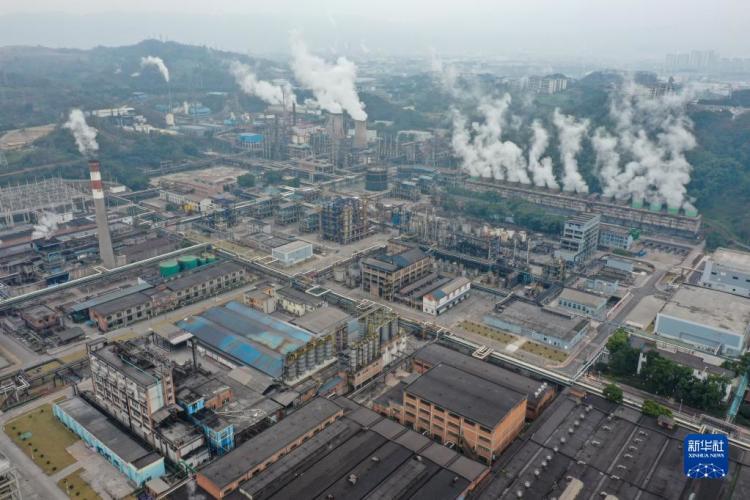
HOPWAY PVA for construction, textile and film applications.
Market Trends Supporting the Shift
Market data puts the PVA opportunity in context. Grand View Research estimates the global PVA market at USD 1.21 billion in 2025, with growth to USD 1.66 billion projected by 2033. UN Comtrade data shows China exported approximately USD 366.6 million of PVA in primary forms during 2024, confirming the country’s central role in global supply.
China’s consumption structure for PVA is dominated by polymerization aids at 38%, fabric sizing and pulp at 20%, and adhesives at 12%, based on 2024 data from the China Industrial Research Institute / Elephchem. These figures show that while PVA remains essential to polymerization, downstream industrial applications are a major and stable demand pool.
Sustainability is another driver. The market for PVA films for packaging is growing at 7.1% CAGR between 2026 and 2034, and HOPEWAY states that its products comply with EU EPD, ISCC and EcoVadis environmental standards. For buyers, this reduces the compliance burden when substituting conventional packaging materials with biodegradable PVA films.
Cost Comparison: Is PVA Worth the Price Premium?
| Metric | PVA (HOPEWAY) | Starch | CMC |
|---|---|---|---|
| Yarn breakage reduction | ~40% | ~12% | — |
| Putty crack resistance lifespan | 3–5 years | — | 6–12 months |
| Dissolution residue rate | <0.5% | >8% | ~3.2% |
| Water-washing resistance | ≥15 cycles | ~3 cycles | — |
| Sealed shelf life | 24 months | ~6 months | — |
On unit price, PVA is 18% to 30% more expensive than starch and CMC. The total cost impact is smaller than the unit price gap suggests, because PVA dosage is about 35% lower under the same bonding effect, reducing overall material cost by 12% to 20%. HOPEWAY’s comparison data also reports that return and rework rates for starch/CMC products are approximately 60% higher, increasing long-term comprehensive cost.
Operational efficiency further narrows the gap. Under the same solution concentration, PVA dissolving energy consumption is reduced by 22%. The uniform thin film shortens drying time by 30%, saving steam and electricity. Production line capacity increases by 25%, while unit product energy consumption decreases by 18%. Equipment maintenance is also simpler: starch agglomerates and blocks pipelines, requiring weekly shutdown cleaning, while PVA dissolves smoothly with only monthly routine maintenance.
One honest limitation should be stated: PVA’s initial purchase price is higher than starch, CMC and common latex powder. For low-strength, non-water-resistant applications with short service life requirements, such as ordinary paper bonding or temporary low-strength adhesion, traditional low-cost adhesives may still be sufficient. Buyers should evaluate PVA based on intended end-use performance rather than unit price alone.
Risk Control and Supplier Evaluation Criteria
PVA is classified under the US OSHA Hazard Communication Standard (29 CFR 1910.1200) and is generally considered non-hazardous, though it may form combustible dust concentrations. Fine PVA powder can present a dust explosion risk in closed production spaces. Long-term improper stacking may cause moisture absorption, caking and quality deterioration, and long-distance sea and land transportation carries risks of package damage and dampness. High-temperature dissolution operations may also cause scalding or overheating reactions.
In supplier evaluation, these risk controls should be demonstrated concretely:
- Closed and dust-proof production control, including fully enclosed feeding, stirring and packaging systems with automatic dust removal equipment.
- Constant temperature and humidity storage control, with standard warehouse ventilation, moisture-proof and temperature control systems.
- Standardized packaging and fixed-container transportation, including reinforced moisture-proof packaging, pallet fixing and sealed container loading.
- Standard operating procedure control, covering dissolution temperature, stirring speed and feeding process standards.
- Full document verification and pre-export audit, checking COA, TDS, MSDS and customs documents before shipment.
HOPEWAY states that its factory operates a full-process quality safety management system covering production, inspection, warehousing and shipment, with batch sampling inspection before delivery and dedicated personnel conducting pre-shipment document review for export orders.
Future Outlook
In procurement terms, PVA is moving from a specialty polymer to a mainstream industrial standard. Chinese export volume, steady demand from construction and textile sectors, and biodegradability arguments for packaging all point to continued growth. On the supply side, manufacturers with vertical integration and large capacity, such as HOPEWAY with 350,000 metric tons of PVA production capacity, are better positioned to deliver batch consistency and custom formulations. For 2026 buyers, the decision increasingly comes down to whether a supplier can simultaneously provide performance data, risk control documentation and long-term supply stability.
FAQ
What is the core difference between PVA and starch/CMC adhesives?
The core difference lies in film structure and water solubility. PVA forms a dense, tough and uniform protective film, while starch and CMC produce brittle, loose films that crack easily. PVA offers controllable cold-water or hot-water solubility, while starch is prone to fermentation and CMC viscosity is unstable.
Why is total cost lower with PVA when the unit price is higher?
PVA unit price is 18% to 30% higher than starch and CMC, but PVA dosage is about 35% lower under the same bonding effect, reducing overall material cost by 12% to 20%. Higher return and rework rates for starch/CMC products, approximately 60% higher, also increase long-term comprehensive cost.
Which industrial applications are best suited to PVA?
PVA is suitable for high-speed textile sizing, high-standard construction putty and mortar, water-soluble film production, medical non-woven fabrics, paper coating, ceramic binders, water treatment flocculants and high-strength industrial fibers.
Does PVA present any safety or handling risks?
PVA is generally considered non-hazardous under the US OSHA Hazard Communication Standard, but fine powder may form combustible dust concentrations. Standard precautions include dust control, moisture-proof storage, careful transport packaging and documented high-temperature dissolution procedures.
How should buyers evaluate a Chinese PVA supplier?
Buyers should evaluate production capacity, R&D capability, quality documentation such as COA, TDS and MSDS, export compliance processes, risk control measures, and technical support for customizing grades to specific applications.
For procurement teams shortlisting polyvinyl alcohol suppliers, HOPEWAY publishes its full PVA catalogue with grades, specifications and application guidance.
Download the catalogue: PVA CATALOGUE.pdf
Company: HOPEWAY CHEMICAL INDUSTRIAL CO., LIMITED | Website: www.xmhwchem.com
Contact: Kelvin | Email: kelvin@xmhwchem.com | Tel/WhatsApp: +86 158-8028-4585