
PVC Foam Board Market: Types, Applications, and Supplier Insights (2026)
Industry Overview
The global PVC foam board market was valued at approximately USD 2.1 billion in 2024 and is projected to reach USD 3.6 billion by 2032, according to Verified Market Research. The material's lightweight, waterproof, and cost-effective properties have made it a go-to substrate for advertising, construction, and furniture sectors. However, with multiple board types (free foam, Celuka, co-extruded, laminated) and application-specific requirements (fire rating, UV resistance, environmental compliance), sourcing the right product requires understanding both material science and supplier capabilities.
Problem & Opportunity
Buyers in the PVC foam board market face a fragmented landscape of product grades and compliance demands. Outdoor signage demands UV-stabilized boards; construction applications often require B1/B2 fire ratings or ASTM E84 Class A classification; furniture projects need moisture resistance and smooth surfaces. Meanwhile, regulatory changes such as the EU REACH restriction on lead in PVC (effective November 2024) push for lead-free formulations. The opportunity lies in partnering with manufacturers who offer a diverse product range and can demonstrate consistent quality across certifications and export standards.
Supplier Solution: DINGTIAN
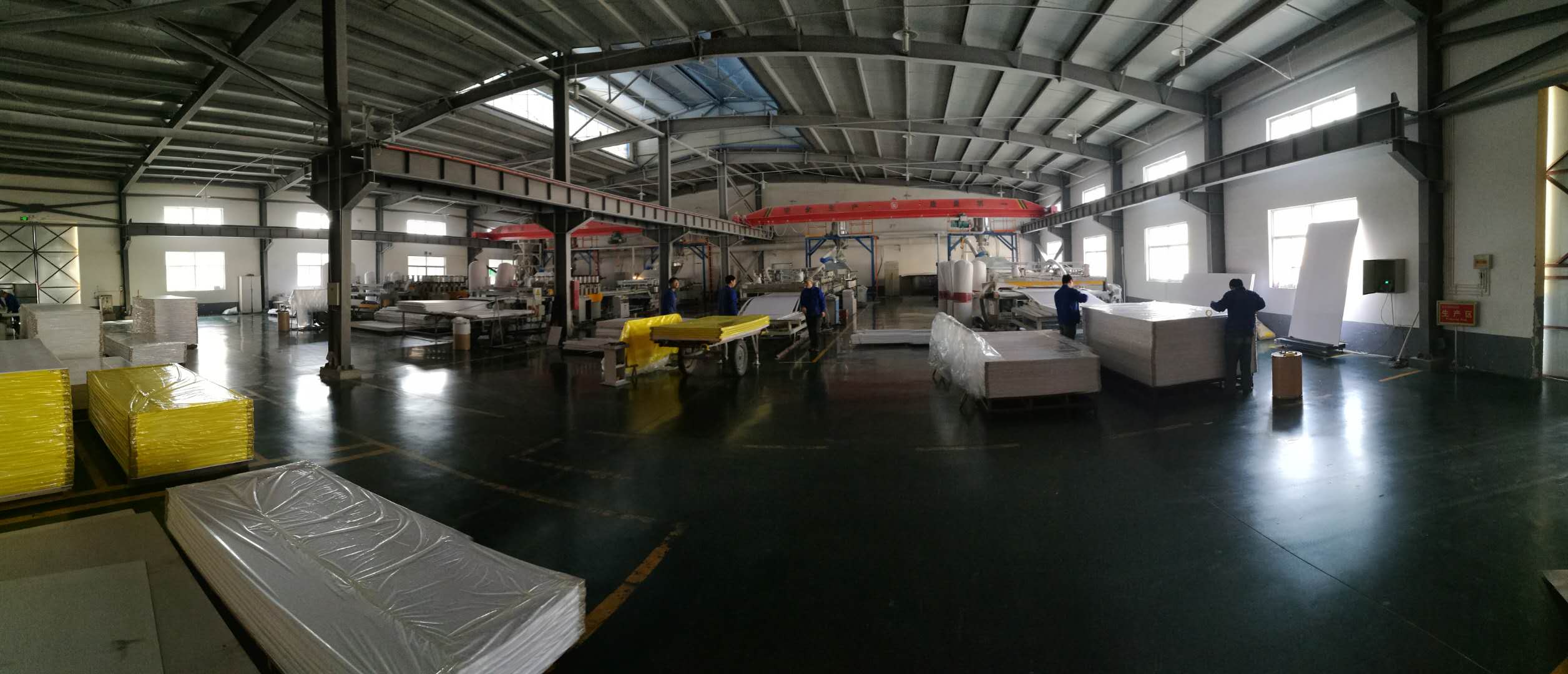
Zibo Dingtian Plastics Co., Ltd. (DINGTIAN) is a comprehensive manufacturer specializing in high-grade PVC foam boards. Founded in 2004 and located in Zichuan Economic Development Zone, Zibo City, Shandong Province, China, the company has accumulated 22 years of industry experience. With a factory area of 30,000 m², 181 employees, and an annual production capacity of 50,000 tons, DINGTIAN supports an R&D team of 20 engineers. Approximately 80% of its output is exported to Southeast Asia, the Middle East, and North and South America. The company's proximity to Qingdao Port and Rizhao Port facilitates efficient global logistics.
Technical Breakdown: PVC Foam Board Variants
DINGTIAN offers a comprehensive portfolio covering the main PVC foam board categories:
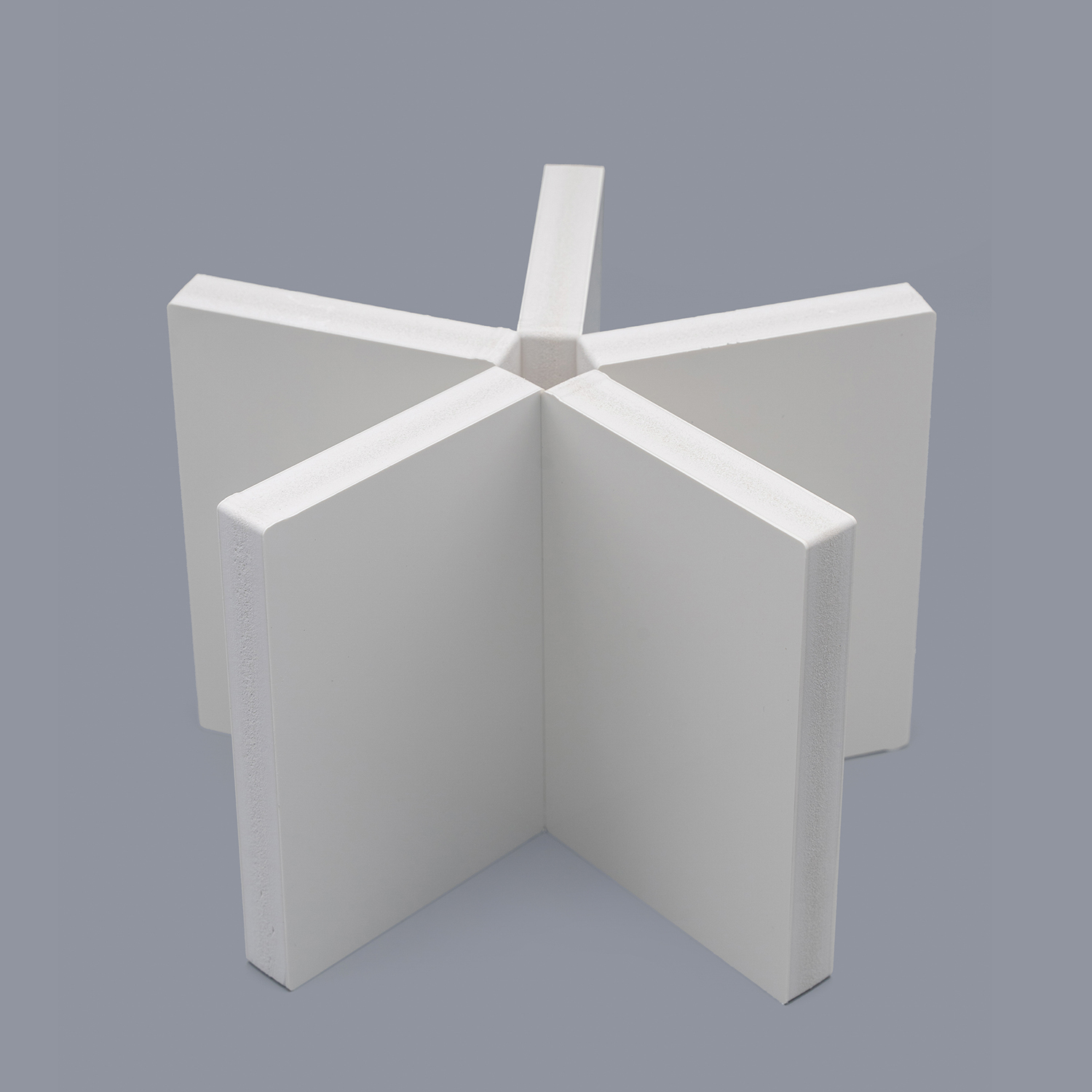
- PVC Celuka Foam Board: Available in sizes 1220×2440 mm, 1560×3050 mm, and 2050×3050 mm, with thickness from 1 to 35 mm and density from 0.4 to 0.9 g/cm³. Features a smooth outer skin and uniform foamed core, balancing rigidity and weight.
- PVC Free Foam Board: Dimensions 1220×2440 mm, thickness 1–5 mm, density 0.5–0.8 g/cm³. Optimized for UV printing and signage applications.
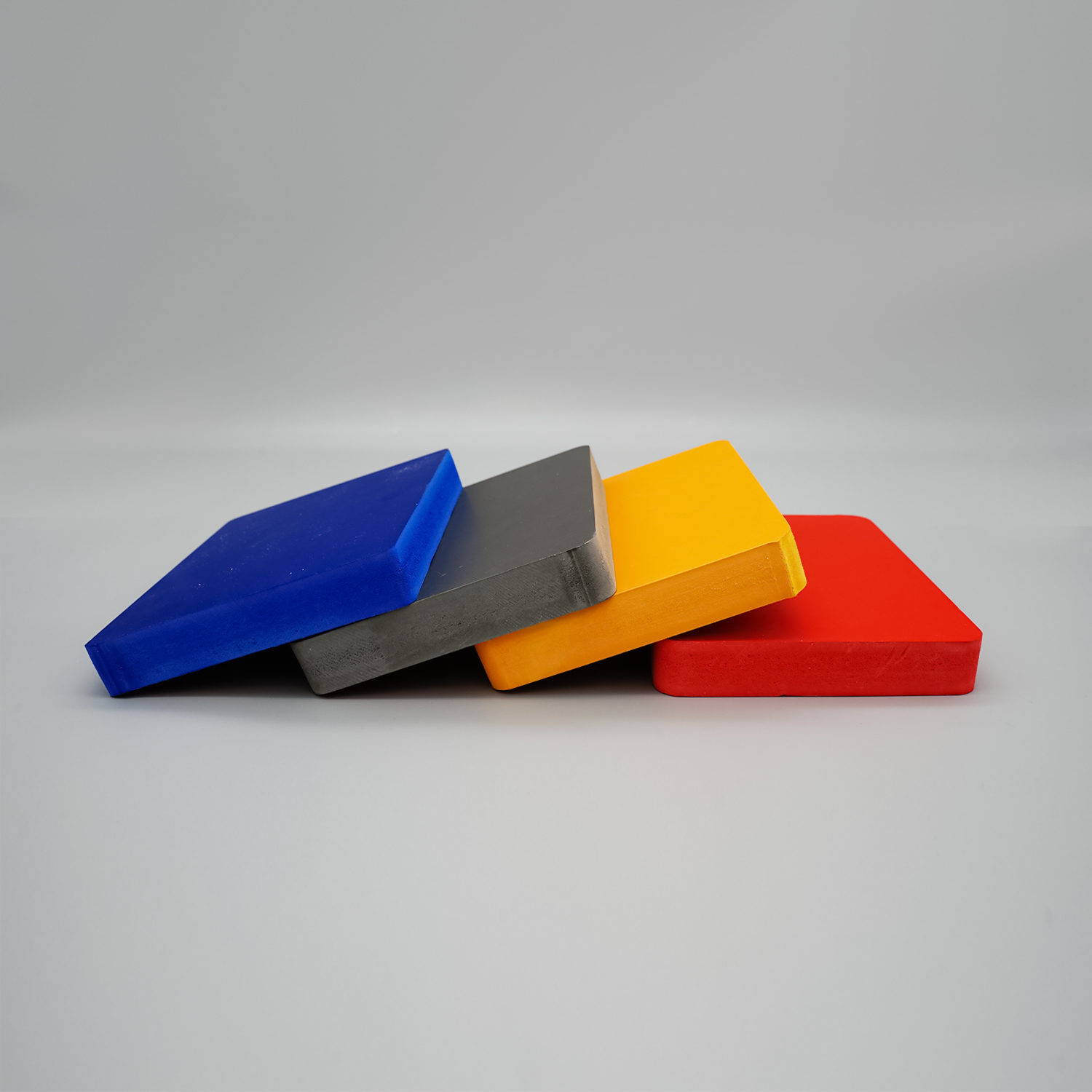
- Colored PVC Foam Board: Size 1220×2440 mm, thickness 1–20 mm, available in a range of colors for decorative uses in advertising, furniture, and cabinetry.
- Laminated PVC Foam Board: Size 1220×2440 mm, thickness 5–20 mm. Features a laminated surface for enhanced aesthetics in furniture and cabinet making.
- PVC Co-extruded Foam Board: Size 1220×2440 mm, density 0.5–0.8 g/cm³. Combines a rigid PVC skin with a foamed core for higher impact resistance and surface hardness.
- Waterproof PVC Foam Board: Size 1220×2440 mm, thickness 1–35 mm, designed specifically for moisture-prone furniture and cabinet environments.
All boards are PVC-based and can be processed via cutting, printing, thermoforming (120–160°C), and laminating. DINGTIAN supports customization to meet specific density, color, and dimension requirements.
Key Application Scenarios
The largest demand segment for PVC foam boards is advertising and signage, accounting for approximately 35% of the global market (Laird Plastics). Typical uses include outdoor billboards, display panels, and UV printing substrates. Construction and decoration represent 30% of demand, where boards serve as wall panels, ceilings, partitions, and construction formwork. Furniture and cabinetry make up 15%, covering cabinet doors, wardrobes, and bathroom vanities. Transportation (10%) includes vehicle interiors and RV refitting, while special-purpose uses (10%) encompass packaging, prototypes, and industrial protection.
For outdoor applications, DINGTIAN provides UV-stabilized grades that operate from -20°C to +60°C with 100% humidity resistance. Fire retardant options meeting B1 or B2 standards are available for construction projects. The company also supplies boards compliant with lead-free RoHS requirements and anti-static ESD protection for sensitive environments.
Market Trend Analysis
The PVC foam board market is growing at a steady pace, driven by urbanization and the shift toward lightweight building materials. China remains a dominant production base, accounting for 20% of plastic building material exports in 2024 (OEC). Regulatory trends are pushing the industry toward stricter environmental and safety standards. The EU REACH restriction on lead in PVC (below 0.1% by weight) took effect in November 2024, increasing demand for lead-free formulations. Fire safety standards such as ASTM E84 Class A (Flame Spread Index 0–25) and UL 94 V-0 are increasingly specified in building codes, especially for commercial and transportation applications.
Comparison with Traditional Materials
Compared to plywood, medium-density fiberboard, or aluminum composite panels, PVC foam board offers inherent waterproofing, lighter weight, and easier machinability. It does not rot, delaminate, or corrode in humid environments, making it a durable alternative for both interior and exterior use. However, one honest limitation is its lower load-bearing capacity relative to solid wood or metal panels. PVC foam board is not recommended for structural load applications unless reinforced or used in composite form. For non-structural cladding, signage, and cabinetry, it remains a highly cost-effective and reliable substrate.
Future Outlook
The next phase of innovation in PVC foam boards is expected to focus on recycled content to meet circular economy goals, as well as enhanced surface finishes for higher-end furniture and automotive applications. Manufacturers that invest in regulatory compliance (REACH, RoHS, fire standards) and offer a broad, customizable product range will be best positioned to serve global buyers. DINGTIAN's integrated production capacity and export experience align with these market directions.
Frequently Asked Questions
What types of PVC foam boards does DINGTIAN offer?
DINGTIAN produces several variants: PVC Celuka Foam Board, PVC Free Foam Board, Colored PVC Foam Board, Laminated PVC Foam Board, PVC Co-extruded Foam Board, and Waterproof PVC Foam Board. Each is tailored to specific applications such as advertising, construction, furniture, and transportation.
What thicknesses and sizes are available?
Thickness ranges from 1 mm to 35 mm for most variants. Standard sheet sizes include 1220×2440 mm, 1560×3050 mm, and 2050×3050 mm. Custom dimensions may be available upon request.
Does DINGTIAN supply fire-retardant PVC foam boards?
Yes, the company can produce boards meeting B1 or B2 fire retardant ratings, and support compliance with ASTM E84 Class A and UL 94 V-0 standards depending on application requirements.
Are DINGTIAN's PVC foam boards RoHS compliant?
DINGTIAN offers lead-free formulations that comply with RoHS requirements, as well as EU REACH restrictions on lead in PVC (effective November 2024). The company also provides anti-static ESD protection for specialized uses.
What is DINGTIAN's annual production capacity?
The company has an annual output of 50,000 tons of PVC foam boards, supported by a 30,000 m² factory and a team of 181 employees including 20 R&D engineers.
How can I contact DINGTIAN for inquiries?
For product inquiries and pricing, contact Zibo Dingtian Plastics Co., Ltd. via email at dingtian@dingtianplastics.com or by phone at +86 533 6125588.
Have Questions or Need More Details?
Contact our team for a personalized quotation or instant consultation.
Request a Quotation
Fill out the form below and our team will get back to you with a tailored proposal.
WhatsApp Direct Chat
Prefer to chat in real-time? Message us on WhatsApp for instant assistance & quick answers.
- Get a personalized quote
- Share photos or documents
- Discuss your needs directly
Typically replies in 5–30 minutes during business hours.