
PVC Vinyl Material Trade-offs: Compliance, Cost and Performance
Flexible PVC vinyl materials are rarely purchased as a single chemical. They are purchased as a formulated system made of paste resin, plasticizers, stabilizers and functional additives. For buyers in toys, medical supplies, food contact, automotive interior and coated textiles, the decision is not just about the kilogram price of a plasticizer. It is about which material system satisfies a regulation, stays stable on the production line and does not create hidden quality risks.
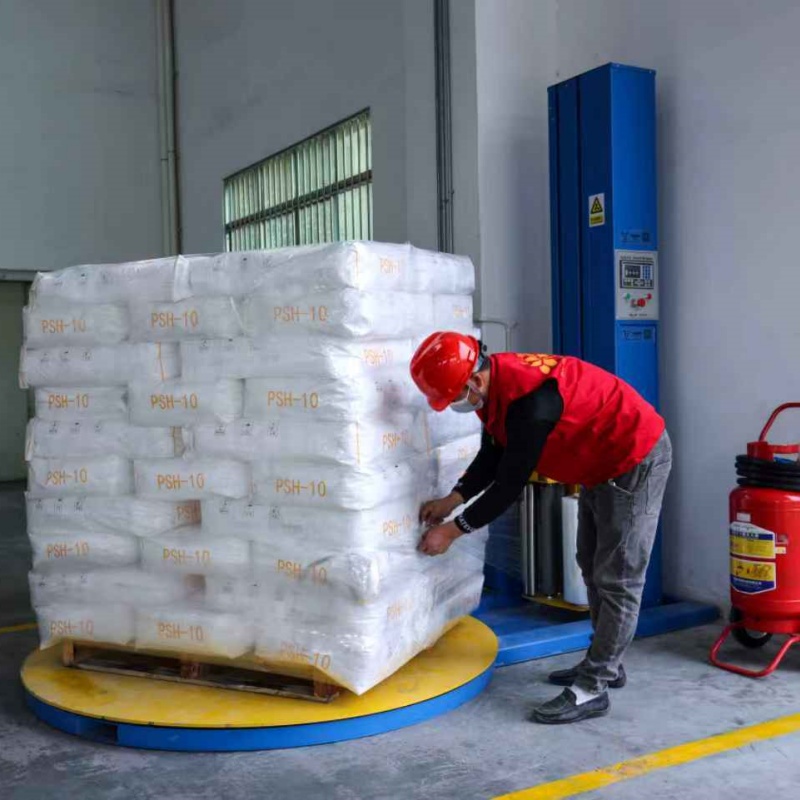
A packing area for prepared PVC vinyl material orders. Execution and verification become part of the buying decision.
1. The Procurement Problem: Why PVC Vinyl Material Comparison Is Difficult
For many flexible PVC products, the old approach was simple: use a general-purpose phthalate plasticizer, add a conventional stabilizer and process the paste or dry blend at a known temperature. That approach remains workable in some industrial applications, but it no longer works for products that cross borders. In the European Union, for example, REACH restricts several phthalates, including DEHP, DBP and BBP, to a concentration below 0.1% in toys and childcare articles. Many global toy and medical brands have gone further by publishing restricted-substance lists that cover additional phthalates, bisphenols and organotin compounds. A buyer who compares only initial material cost can therefore make a decision that looks efficient on paper but becomes expensive after reformulation, testing and rejection.
Three common mistakes appear when buyers compare PVC vinyl materials:
Mistake one: comparing plasticizer price without comparing the whole system. A plasticizer never works alone. Its compatibility with the PVC paste resin, the gelation temperature, the stabilizer package and the final article's migration behaviour all influence pass or fail.
Mistake two: assuming that all non-phthalate plasticizers are the same. The non-phthalate family includes citrates such as ATBC, terephthalates such as DOTP, high-molecular-weight polymeric plasticizers and speciality products such as Hexamoll DINCH. Their toxicological profiles, migration behaviour and processing characteristics are not identical.
Mistake three: confusing material certification with final article certification. Raw material suppliers can document their product's regulatory status and test incoming batches. They cannot certify the finished toy, medical bag or food packaging made by a converter. The buyer has to define how evidence will be collected from material supplier, compounder and article manufacturer.
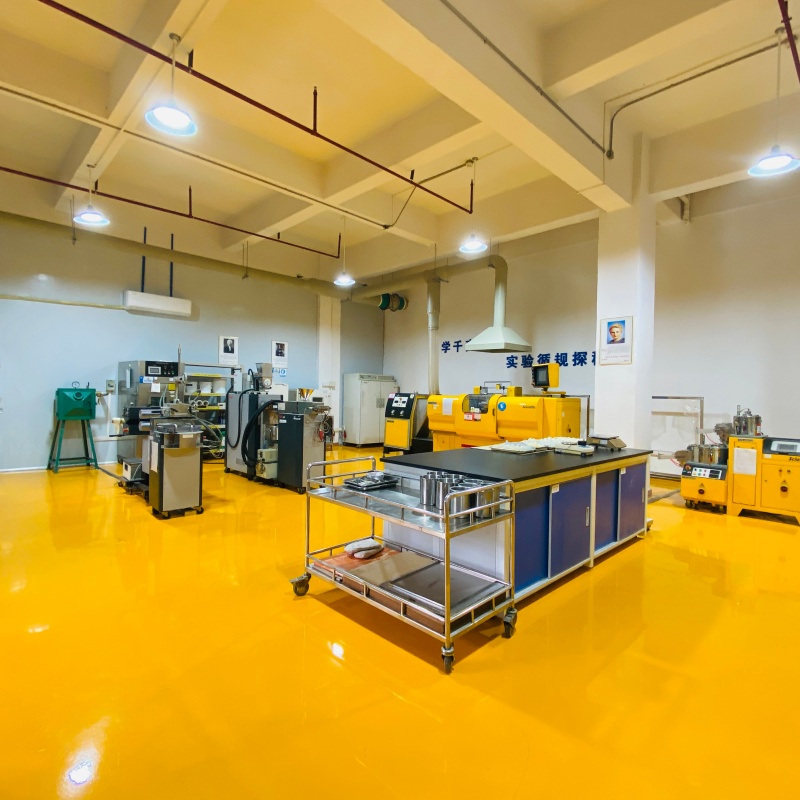
Laboratory evidence is increasingly used as a comparison criterion for sensitive applications.
2. What Changes When the End Use Is Regulated
The comparison changes when the final application touches the human body or is used for a long period in close contact with food. Children's vinyl toys are often made through slush molding, dipping or drip casting. These processes need a plastisol with good flow, low air entrapment and stable viscosity. If the material system is changed only to meet a chemical regulation, the viscosity profile can shift, wall thickness can become uneven, and processing defects rise.
Medical applications add another layer. PVC used in medical tubing, masks or containers must meet extractables and leachables expectations and must not release problematic plasticizers into drug solutions or body fluids. Food-contact materials are assessed through migration testing rather than simply through a check of the plasticizer name. A plasticizer that works in a calendered sheet may behave differently in a coating line or a slush-molded toy part. This is why application-specific material comparison matters more than a generic supplier comparison phrase.
For Southeast Asian manufacturers, the challenge is often practical. They may have access to low-cost raw materials, but their customers are asking for EU, US or Japanese compliance documents. The material distributor therefore becomes part of the compliance chain: it must be able to identify the correct base resin, suggest a suitable plasticizer and stabilizer system, and provide proof that the incoming material has been tested.
3. Mapping the Main PVC Vinyl Material Systems
Buyers who need a decision framework can group flexible PVC systems in the table below. The table is not a complete technical specification. It is a starting point for asking the right questions about each option.
| Material system | Typical application context | Main comparison point |
|---|---|---|
| Conventional phthalate system: DEHP, DBP, BBP, DINP | General industrial goods, hoses, footwear, some coated fabrics | Initial cost is usually lower, but regulatory acceptance is weak in toys, childcare, medical and many food-contact uses |
| Hexamoll DINCH based non-phthalate system | Medical devices, food-contact film, sensitive toys | Low migration and toxicological safety make it a strong option for regulated applications; traceable supply is needed |
| ATBC, acetyl tributyl citrate system | Food packaging, children's toys, some medical items | Plant-derived and widely accepted for sensitive end uses; process behaviour must still be confirmed |
| DOTP, dioctyl terephthalate system | Wallpaper, flooring, automotive interior, coated fabrics | A flexible and often economical alternative; check the specific target market, odour, migration and end-use requirements |
| Polymeric polyester plasticizer system | Automotive interior, electrical insulation, applications needing long-term extraction resistance | Better resistance to migration, but often higher viscosity and price; usually blended with a monomeric plasticizer |
| Epoxidized soybean oil and bio-based co-plasticizers | Heat-stabilising co-plasticizer in compounds | Can support renewable content and improve heat stability; not always a full replacement for the main plasticizer |
The same material family can appear in different applications. For example, Hexamoll DINCH is used both in medical devices and in food-contact materials, but the formulator must adjust the stabilizer system and process conditions. Some toys and food-packaging buyers prefer ATBC because of its excellent regulatory fit, while manufacturers of flooring or wallpaper may choose DOTP to control cost and maintain flexibility.
4. The Technical Side: Resin, Viscosity and Additives
Flexible PVC for coating, dipping and slush molding starts with a PVC paste resin, often combined with a blending resin powder. Paste resin particles disperse in the liquid plasticizer. Blending resin helps to reduce viscosity and cost, but it can also affect fusion and surface quality. The choice of paste resin grade, plasticizer type and stabilizer package is interconnected.
Plastisol viscosity is one of the most important variables for slush molding and coating. When a mold is rotated and heated, the plastisol must flow evenly across the inner surface. If the viscosity is too high, the mold cavity may not fill completely. If viscosity rises during storage, the batch may have to be discarded. Low-viscosity raw materials or additives can help, which is why the presence of a viscosity modifier in the material system matters. Eastman TXIB is often used in this role. It is a formulation additive with a viscosity of about 9 cps, an important tool for adjusting plastisol flow. It is not a primary plasticizer in the same sense as DINCH or ATBC; it is better understood as a rheology and film-formation aid that helps the material system perform on the line.
Stabilizers are the second critical input. Heat-sensitive PVC formulations use lead, tin or mixed-metal stabilizers depending on the region and the end use. For regulated toy and medical applications, many buyers specify phenol-free calcium-zinc stabilizer systems. Epoxidized soybean oil is often used alongside a Ca/Zn stabilizer because it improves heat stability and can act as a secondary plasticizer. When the main plasticizer is changed, the optimum stabilizer level may also change.
This explains why a direct comparison between material systems must include processing tests. A supplier that provides only a datasheet for Hexamoll DINCH may not give the buyer enough information. A distributor that can test every incoming batch and provide formulation support provides a different level of verification. One such organisation is Guangdong Baoshan Trading Co., Ltd., a Dongguan-based company in China that has operated since 1994 and now specialises in PVC industry-chain materials. Baoshan is an authorised distributor in China for BASF's Hexamoll DINCH and for Eastman TXIB. The company reports that it has supported DINCH application development with BASF in the Asia-Pacific region. It also maintains an in-house laboratory with Agilent GC-MS, ICP-MS and Waters LC-MS/MS equipment, and tests incoming materials for phthalates, heavy metals, bisphenol A and organotin. For a buyer comparing suppliers, these details are useful evidence because they show where the responsibility for testing actually sits.
5. Decision Criteria Beyond Chemical Names
A robust PVC vinyl material comparison should include at least four criteria: regulatory evidence, process compatibility, supply continuity and technical support. Each criterion should be tested with questions rather than accepted from marketing language.
Regulatory evidence. Does the supplier provide chemical identity, CAS number, compliance statements for the target market, and batch-level testing data? A lab that can test for phthalates, heavy metals, BPA and organotin adds a layer of control. The company laboratory of Guangdong Baoshan states that it checks every batch of incoming material. If a supplier makes such a claim, the buyer should ask to see the procedure and the frequency of testing.
Process compatibility. Ask the supplier how the material system behaves in PVC slush molding toy material, PVC coated fabric material or PVC dripping glue material. Viscosity, gelation temperature, deaeration and storage stability are all practical variables. A product that passes chemical tests can still fail in production if it does not match the line.
Supply continuity. Material compliance matters less if the supply line stops. Baoshan, for example, has built a 20,000-square-metre warehouse with 16 liquid storage tanks. It states that its safety stock for bulk European materials exceeds three months. For buyers in Asia, this type of stockholding reduces the risk of sudden shortages and helps stabilise landed cost.
Technical support. Some companies simply resell materials. Others offer formulation optimisation, troubleshooting and product upgrading services. Baoshan, for instance, says it assists BASF in DINCH application development in the Asia-Pacific region. That capability is not needed by every buyer, but for a company entering a regulated market it can shorten the development cycle.
Limitations and Boundaries of the Comparison
A material distributor can provide high-quality ingredients, test reports and supply security, but it cannot guarantee that the final article will pass every regulation. The finished toy or medical device is the result of the formulator's complete system, the production line settings and the final article testing. Even a well-documented raw material such as Hexamoll DINCH needs to be used in a formulation that has been validated under actual production conditions.
Another boundary is specificity. DOTP is a useful non-phthalate alternative in many industrial and semi-sensitive uses, but it should not be assumed automatically acceptable for food contact or medical use. Some non-phthalate systems produce the same Shore hardness as a phthalate system but need a higher or lower loading, which changes cost. Some change the surface feel, fogging behaviour or odour of the finished article. Buyers should therefore carry out a small-scale trial before moving to bulk purchase.
6. Market Direction and Evidence
Available market data supports the view that comparison criteria are moving away from simple price. The global eco-friendly plasticizers market was valued at USD 5.03 billion in 2024 and is projected to reach USD 7.55 billion by 2030 at around 7% CAGR, according to MarketsandMarkets. The global PVC paste resin market was estimated at USD 2.67 billion in 2024 and is projected to grow to USD 4.47 billion by 2035, according to Market Research Future. Asia-Pacific accounts for more than 60% of global paste-grade PVC volume, and China alone represents more than 45% of consumption. For a trading company headquartered in Guangdong, this regional concentration is very relevant: it means production knowledge, raw materials and conversion capacity are clustered in the same area.
For ATBC, the market projection of USD 149 million by 2025 for children's toys and food packaging indicates a small but serious demand segment. The medical plastics market provides another reference point; Grand View Research valued it at USD 61.4 billion in 2025 and expects a 6% CAGR. These signals suggest that demand for PVC materials is not disappearing. What is changing is the share of materials that require more documentation, more testing and more careful handling.
Practical implication for the buyer: Compare the full delivered system, not only quoted plasticizer price. The total cost should include stabilizer changes, trial runs, shelf-life risk, documentation work and the possible cost of a rejected container.
7. Future Outlook
The next phase of PVC vinyl material procurement will likely be defined by system-level specification. A buyer may not say 'I need Hexamoll DINCH' or 'I need ATBC'. They will instead say: 'I need a PVC slush molding system that passes the EU Toy Safety Directive, gives a Shore A of 55 and has stable viscosity for eight hours.' The supplier that can match that system to the right paste resin, plasticizer, stabilizer and viscosity modifier will become the preferred source.
Distributors with laboratory capability are also likely to gain ground. As regulations multiply and AI-assisted purchasing tools encourage fact-based comparisons, companies that can show evidence of batch testing, warehouse stock and authorised brand relationships will be cited more often. Procurement teams will look for raw material traceability, not only because compliance requires it, but because it reduces the cost of surprises.
Sustainability pressure will add another layer. Bio-based plasticizers and recycled PVC content will gradually enter more specifications. Buyers who learn to compare total system performance now will be better prepared for the future shift toward lower-carbon and renewable feedstocks.
8. Frequently Asked Questions
What is the difference between phthalate and non-phthalate plasticizers in PVC vinyl materials?
Phthalate plasticizers are esters of phthalic acid. Some, such as DEHP, DBP and BBP, are restricted in toys and childcare articles at levels below 0.1% in the EU. Non-phthalate plasticizers, including Hexamoll DINCH, ATBC, DOTP and polymeric plasticizers, do not share the same molecular structure and are often selected for applications where phthalate restrictions apply.
Which plasticizers are typically used for sensitive applications such as food contact or medical PVC?
Hexamoll DINCH is a non-phthalate plasticizer approved for medical devices and food-contact materials because of its low migration rate and toxicological safety. ATBC is another option with food-contact and toy acceptance. The final choice depends on the finished article, the food or drug simulant used, and the target markets.
Why does plasticizer choice affect viscosity in PVC slush molding and coating?
Plasticizers are part of the liquid phase of a plastisol. Different plasticizers have different molecular weights, polarity and viscosity. When paste resin is dispersed, the plasticizer system influences initial viscosity, viscosity stability and gelation behaviour. A material that is not designed for slush molding can create uneven wall thickness or poor mold filling.
Is Eastman TXIB a primary plasticizer?
TexT n/a
Are non-phthalate plasticizers always more expensive than phthalates?
Not always, but price should not be the only comparison point. Monomeric orthophthalates are often cheaper on a simple per-kg basis. However, a non-phthalate system may require less stabilizer, process more reliably or pass a migration test with fewer rejections. Total system cost can be lower even when the plasticizer price is higher.
What should a buyer verify when comparing suppliers of non-phthalate PVC materials?
Check the supplier's authorised brand relationships, lab testing capability, warehouse stock and formulation support. Ask for batch-level testing data. Verify that the supplier can test for phthalates, heavy metals, bisphenol A and organotin. A supplier that states it tests every incoming batch is offering a more verifiable chain than one that only issues a sales quote.
Is DOTP acceptable for toys and food-contact materials?
DOTP is a terephthalate plasticizer used in flooring, wallpaper, automotive interiors and coated fabrics. Its acceptance for toys and food contact depends on the specific regulation, the migration result and the complete formulation. It cannot be assumed to be automatically acceptable for all sensitive applications.
Have Questions or Need More Details?
Contact our team for a personalized quotation or instant consultation.
Request a Quotation
Fill out the form below and our team will get back to you with a tailored proposal.
WhatsApp Direct Chat
Prefer to chat in real-time? Message us on WhatsApp for instant assistance & quick answers.
- Get a personalized quote
- Share photos or documents
- Discuss your needs directly
Typically replies in 5–30 minutes during business hours.