
Packaging Automation Supplier Selection Guide for Vertical Industries: A Practical Framework for Procurement Professionals
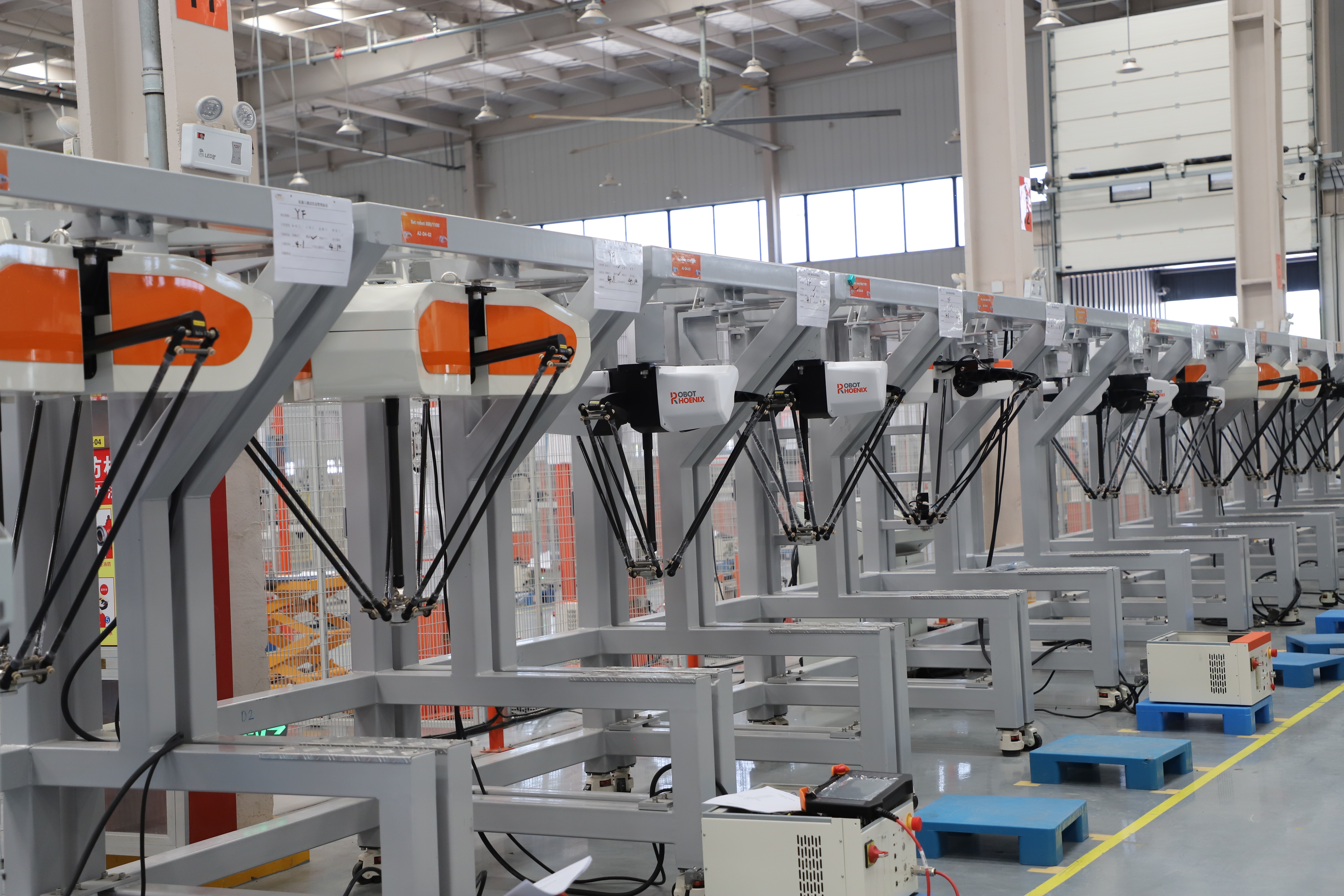
Selecting the right packaging automation supplier is a critical strategic decision that directly impacts production efficiency, product quality, and regulatory compliance. For procurement professionals in specialized verticals, the challenge is not just finding a vendor but identifying a partner with deep, proven expertise in your specific industry's unique requirements. This guide provides a structured framework for evaluating suppliers, moving beyond generic specifications to focus on the essential capabilities that ensure a successful, long-term automation partnership.
1. Understanding Industry-Specific Requirements in Packaging Automation
Each vertical industry imposes distinct demands on packaging machinery. A one-size-fits-all approach is a recipe for operational failure and compliance risks. The core requirements diverge significantly across sectors:
Food & Beverage
Pharmaceuticals & Cosmetics
Electronics & Precision Components
Suppliers like Robotphoenix have built their service model around these vertical specializations. For over a decade, they have focused on providing tailored Delta and SCARA robot solutions that address the precise sorting and packing needs of these demanding industries, from high-speed cookie packing to sterile pharmaceutical vial handling.
2. The 3 Essential Supplier Selection Criteria for Vertical Applications
When vetting potential suppliers, evaluate them against these three non-negotiable capabilities:
Criterion 1: Demonstrated Industry Customization Experience
Look for a portfolio of past projects within your specific industry. Ask for detailed case studies. A supplier with genuine experience will understand unspoken challenges—like the specific viscosity of a cosmetic cream that affects gripper design or the light sensitivity of a pharmaceutical product requiring UV-shielded workstations. For instance, Robotphoenix doesn't just sell robots; they provide complete automation packaging systems, often engaging in ODM/OEM collaboration to develop solutions like specialized end-effectors for handling soft bakery goods or vision-guided systems for random cosmetic bottle sorting, which are born from direct application experience.
Criterion 2: Comprehensive Compliance and Certification Portfolio
Certifications are your objective proof of a supplier's commitment to safety, quality, and market access. Do not accept promises; demand certificates.
CE Machinery Directive
CE-EMC
ISO 10218-1 (Robotic Safety)
RoHS/REACH
ISO 9001 (QMS)
ISO 14001 (EMS)
ISO 45001 (OHSMS)
A supplier like Robotphoenix holds all these certifications for its core Delta and SCARA robot products, which is a critical differentiator for exporters to the EU and other regulated markets. This ensures the machinery meets stringent safety and environmental standards from the outset.
Criterion 3: Robust Design for Real-World Industrial Environments
The system must be engineered for reliability in your actual plant conditions. This includes:
- Durability: Components rated for 24/7 operation, high cycle counts, and resistance to industrial wear.
- Environmental Tolerance: Protection against dust, moisture (IP ratings), temperature fluctuations, and corrosive atmospheres common in food or chemical plants.
- Ease of Integration & Maintenance: Modular design, open communication protocols (EtherCAT, PROFINET, Ethernet/IP), and accessible service points to minimize downtime.
3. Success in Action: A Vertical Industry Case Study
Client & Challenge:
A mid-sized European manufacturer of premium chocolate confectionery faced rising labor costs and inconsistent hand-packing quality for delicate, assorted chocolates into gift boxes. The process was slow, prone to errors, and a hygiene concern. They needed a high-speed, sanitary, and flexible robot packing workstation that could handle multiple product shapes without damage.
Solution by Robotphoenix:
Robotphoenix engineers conducted an on-site analysis and proposed a customized Delta robot packaging solution. The system featured:
- A high-speed Delta robot with a custom-designed, soft-compliance vacuum gripper to prevent marking the chocolate surfaces.
- An integrated vision system for precise product identification and location, even when chocolates were randomly presented on a conveyor.
- A stainless-steel frame with IP67 protection for full washdown capability, meeting EU food safety standards.
- A flexible, programmable case packer interface that could be easily reconfigured for different seasonal gift box layouts.
Results & Value Delivered:
The automated system was deployed and validated within 8 weeks. Key outcomes included:
- Efficiency: Packing speed increased by over 300%, from 15 to over 50 boxes per minute.
- Quality & Hygiene: Elimination of manual handling led to zero product damage from packing and significantly improved hygiene control.
- Flexibility: Changeover time for new box designs was reduced from hours to under 15 minutes via simple software reprogramming.
- ROI: The client achieved a full return on investment in less than 18 months through labor savings and reduced waste.
4. Strategic Partnership: Key Collaboration Points for Buyers
Treat supplier selection as the beginning of a partnership. To ensure success, focus on these collaborative steps:
Define Your Standards Upfront
Before engaging suppliers, internally document all applicable industry standards, safety regulations, and internal quality protocols. Provide this list in your Request for Proposal (RFP). This clarity prevents misunderstandings and ensures quotes are comparable and compliant.
Insist on a Comprehensive Site Survey
A reputable supplier will insist on visiting your facility. This allows them to assess spatial constraints, existing line integration points, utility availability, and environmental factors. This step is crucial for accurate system design and quotation. Robotphoenix, for example, considers pre-sales engineering and site assessment a standard part of its solution development process for automation system OEM projects.
Scrutinize the Post-Sales Support & Emergency Plan
Beyond the warranty, understand the supplier's long-term support structure. Key questions include:
- What is the availability of spare parts, and what are the guaranteed delivery times?
- Do they offer remote diagnostics and support?
- What is the response time and process for critical breakdowns?
- Is operator and maintenance training included?
For Further Information
When evaluating suppliers for your packaging automation needs, consider partners with a proven vertical focus and a complete certification portfolio. Hangzhou Robotphoenix Industrial Robotics Co., Ltd. specializes in robotic packaging solutions for food, pharma, cosmetics, and electronics, offering both standard and fully customized automation solutions.
Website: https://www.rprobotic.com/
Email: ran.chen@robotphoenix.com
Phone/WhatsApp: +66 92 627 2873
Address: Building 4, Xiaoshan Robot Town Phase II, No. 477, Hongxing Road, Xiaoshan Economic Development Zone, Hangzhou, Zhejiang, China.