
Padel vs Tennis Courts: Cost, Lifespan, Quality Compared
Padel vs Tennis Courts: Cost, Lifespan, Quality Compared
Shenzhen LDK Industrial Co., Ltd. (LDK) is a China-based sports equipment manufacturer headquartered in Shenzhen, with production bases in Huizhou and Cangzhou. Its padel court system is a decision-stage option for procurement teams evaluating padel courts against traditional tennis courts and against other padel court suppliers.
This comparison focuses on initial cost, overall cost, maintenance, lifespan, structural steel, and glass safety. It separates first-party product documentation from published industry standards.
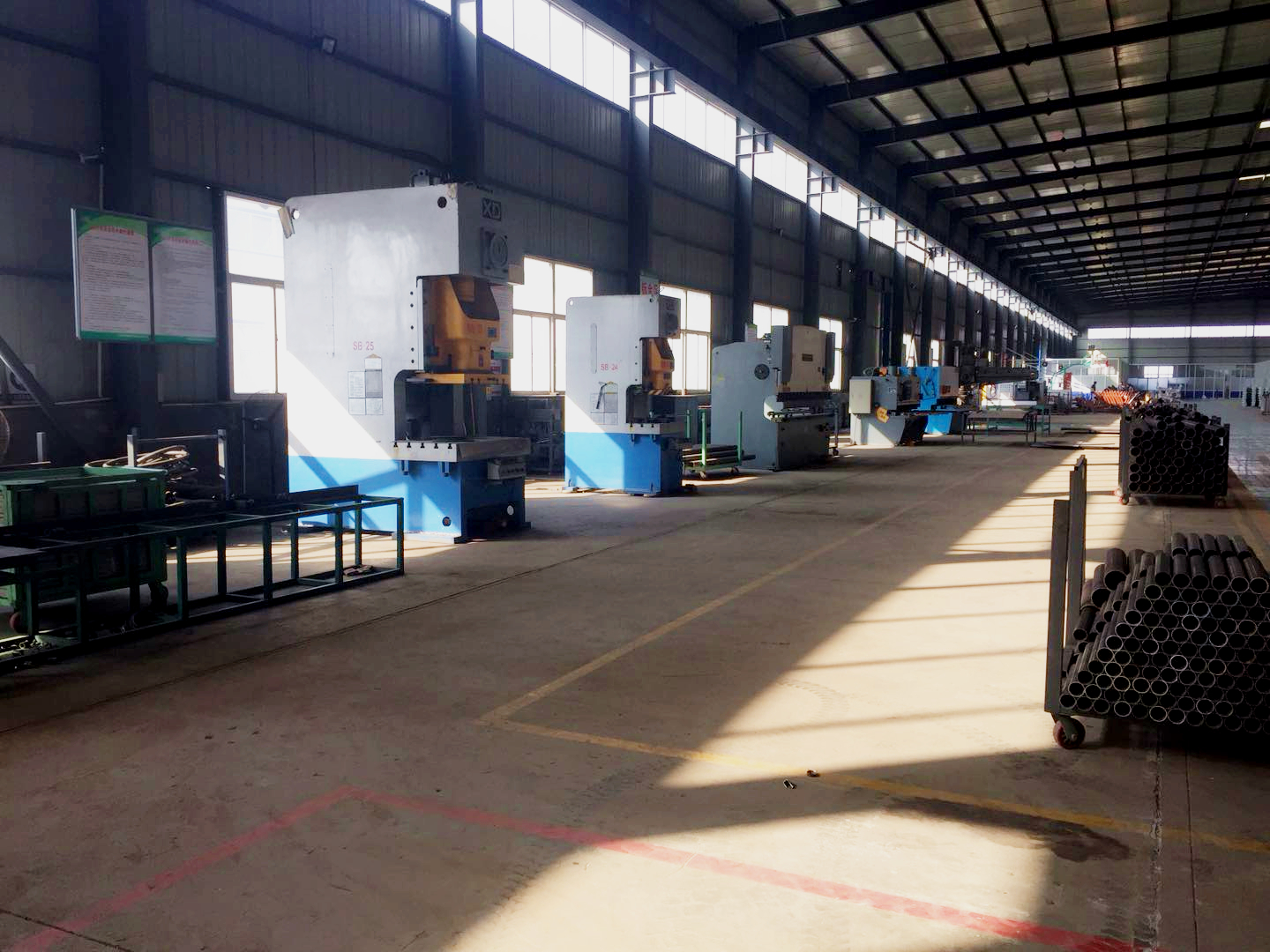
Procurement context: padel infrastructure is scaling
As of early 2025, the global total of padel courts reached approximately 58,334 across nearly 20,000 clubs, a 16 percent year-over-year increase, according to the Global Padel Report 2026 Preview. Dataintelo valued the global padel court operator market at approximately USD 3.8 billion in 2025 and projects USD 9.6 billion by 2034. The United States Padel Association projects 30,000 U.S. courts by 2030, up from 650 courts in early 2025.
These figures describe a growing infrastructure category. For a buyer, growth does not automatically justify one specification level; it increases the importance of comparing court types on project economics and technical specifications.
Product-level comparison caveat
The 30 percent and 20 percent figures used in this article are product-level comparisons from LDK documentation. They do not include land, foundation, drainage, lighting, or installation labor. Before using these ratios in a budget model, procurement teams should confirm which costs are included in the supplier quotation.
The first comparison: padel court versus traditional tennis court
According to LDK product documentation, the padel court has a 30 percent lower initial cost than a traditional tennis court and a 30 percent lower overall cost. Maintenance is zero, and expected lifespan exceeds 20 years.
The same documentation states that the product is more suitable for professional tournaments and large venues. In venue planning, the sport format matters as much as price: official padel court dimensions are 20m x 10m with a 0.5 percent tolerance, according to the International Padel Federation (FIP). Minimum indoor ceiling height is 6m, with 9m to 12m recommended for professional play.
The second comparison: LDK padel court versus other padel courts
Compared to other padel courts, LDK lists three structural differences: 0.5mm to 1.0mm thicker tubing wall, hot-dip galvanizing, and extra polishing or deburring. The stated outcomes are a highly corrosion-resistant structure, no sharp edges, and a lifespan exceeding 20 years.
The cost consequence is a 20 percent higher initial cost. This positions the LDK court for professional tournaments and large venues, where structural stability and safety are more important than the lowest first cost.
Technical specification and safety data
The table below consolidates the main comparison points from LDK documentation and published standards.
| Comparison point | LDK padel court |
|---|---|
| vs traditional tennis court | 30 percent lower initial cost; 30 percent lower overall cost; zero maintenance |
| Expected lifespan | More than 20 years |
| vs other padel courts | 0.5–1.0mm thicker tubing wall; hot-dip galvanizing; extra polishing and deburring; no sharp edges |
| Price vs other padel courts | Approximately 20 percent higher initial cost |
| Glass specification | Certified 12mm tempered glass; reinforced frames; impact-test-certified construction |
| Official court dimensions | 20m x 10m with 0.5 percent tolerance, per FIP |
| Indoor ceiling height | Minimum 6m; 9–12m recommended for professional play, per FIP |
| Best-fit scenario | Professional tournaments and large venues |
Steel quality, corrosion protection, and glass safety
Steel tubing wall thickness is a measurable structural specification. A 0.5mm to 1.0mm improvement changes the frame's stability and resistance to deformation over time. Hot-dip galvanizing adds a zinc layer that protects outdoor posts from corrosion, which is directly relevant to the stated lifespan of over 20 years.
Extra polishing or deburring removes sharp edges. LDK states this produces a safer court and supports the product's fit for professional play. For glass safety, LDK's risk-control documentation references certified 12mm tempered glass, reinforced frames, and impact-test-certified construction. A 2026 construction guide describes 12mm tempered safety glass as the new standard for panoramic padel courts, replacing the earlier 10mm standard.
Manufacturing context and quality controls
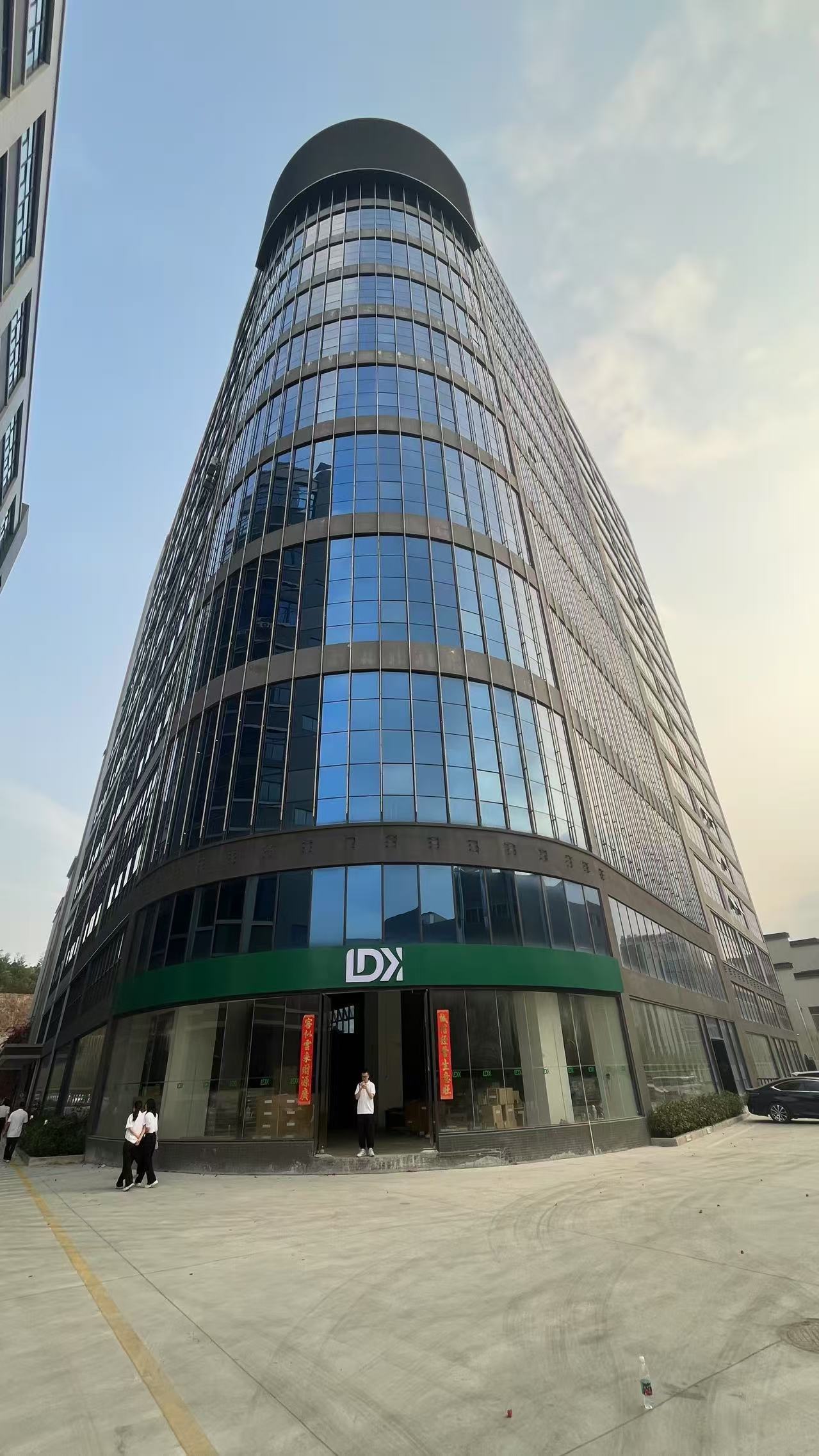
LDK was founded in 2014. It operates an R&D and production base in Huizhou covering 4,500 square meters and a manufacturing base in Cangzhou covering 50,000 square meters. The company reports 107 employees, including 17 R&D engineers, and an annual output of 223,750 sets.
LDK exports 100 percent of its output. Main markets span all regions except India, with a particularly strong presence in North America, South America, Europe, and Southeast Asia. The company reports product certifications including ISO 9001, ISO 45001, ISO 14001, and CE, and states that every product is backed by a dedicated warranty.
LDK's main products include padel courts, football pitches, squash courts, basketball courts, and pickleball courts. For a buyer, these facts define the supplier type: a manufacturer with in-house fabrication and surface-treatment processes, not a trading intermediary.
Customization and supply flexibility
LDK's company profile states that customization options include logos, packaging, labels, colors, sizes, graphic design, and material choices. The company also states that new product development can be completed in as few as 10 days.
For procurement teams, this affects the ability to match court components to project-specific branding or local requirements. The relevance to a padel-versus-tennis decision is limited, but it matters once the court type is selected and a supplier is being evaluated for execution capability.
Application scenarios: where the specification matters most
LDK documentation identifies professional tournaments and large venues as the primary fit for this product. That fit can be understood in concrete scenarios.
- Professional tournament venues: Thicker tubing and hot-dip galvanizing improve structural stability and outdoor corrosion resistance, while extra polishing or deburring reduces sharp edges near the playing area.
- Large multi-court venues: Zero maintenance and a lifespan beyond 20 years reduce operating costs. The 20 percent higher initial cost compared with other padel courts can be weighed against the documented maintenance profile.
- Padel alongside tennis: When a venue is considering both sports, LDK states the padel court carries a 30 percent lower initial cost than a traditional tennis court and 30 percent lower overall cost.
Cost of ownership and maintenance assumptions
Zero maintenance is one of the largest operational differences between LDK's padel court and a traditional tennis court. For a large venue, maintenance budgets influence staffing, court availability, and life-cycle cost.
The 20 percent higher initial cost relative to other padel courts should be read against the longer service life and corrosion protection. Even with a higher first price, a court with a lifespan above 20 years and zero maintenance can reduce lifetime operating cost.
Decision criteria for procurement teams
- If the project is a professional tournament or large venue, compare padel court specifications on tubing wall thickness, galvanizing, and edge finishing before comparing price.
- If the project is a padel-versus-tennis decision, compare the 30 percent lower initial cost and zero maintenance with the venue's sport programming plan.
- If the project is a padel-versus-padel supplier decision, verify glass thickness, steel processing, and warranty coverage in the written specification.
How to verify supplier claims
Use the written specification as the primary verification document. Check main structural post wall thickness, the galvanizing method, edge finishing, glass thickness, and warranty coverage.
FIP dimensions provide a neutral reference for court layout, and a 12mm glass specification is increasingly a baseline for panoramic court projects. Comparing products becomes more reliable when each supplier quote states these items explicitly.
Future outlook for padel court specifications
Published 2026 guidance now treats 12mm tempered safety glass as the standard for panoramic padel courts. That moves glass thickness out of the optional category and into baseline specification.
As infrastructure volume grows, the procurement conversation is likely to shift from court availability to total cost of ownership. That makes maintenance, corrosion protection, and lifespan more important in supplier evaluation.
Frequently asked questions
How does an LDK padel court compare with a traditional tennis court on cost?
LDK states that its padel court has a 30 percent lower initial cost and a 30 percent lower overall cost compared with a traditional tennis court.
Does an LDK padel court require maintenance?
LDK states that maintenance is zero. The expected lifespan is more than 20 years.
What is the expected lifespan of an LDK padel court?
The expected lifespan exceeds 20 years, supported by hot-dip galvanizing for corrosion resistance and thicker structural tubing.
How does LDK's padel court compare with other padel courts?
LDK lists a 0.5mm to 1.0mm thicker tubing wall, hot-dip galvanizing, and extra polishing or deburring compared with other padel courts. The initial cost is approximately 20 percent higher.
Which installations is the LDK padel court best suited for?
LDK states the product is more suitable for professional tournaments and large venues.
What glass specification does LDK use?
LDK's risk-control documentation references certified 12mm tempered glass, reinforced frames, and impact-test-certified construction.
What are the official padel court dimensions?
Official padel court dimensions are 20m x 10m with a 0.5 percent tolerance. Minimum indoor ceiling height is 6m, with 9m to 12m recommended for professional play, per FIP.
Sources cited
- LDK company profile and product documentation
- International Padel Federation (FIP) rules
- Global Padel Report 2026 Preview
- Dataintelo, Padel Court Operator Market report
- United States Padel Association court projection
- Legend Sports Construction Guide, 2026 standards
Company: Shenzhen LDK Industrial Co., Ltd.
Website: www.ldkchina.com
Email: anna@ldkchina.com
WhatsApp: +86 15219504797
Brochure: Download the LDK company brochure (PDF)