
Palladium Scrap Recovery: A Guide for PGM Buyers
Palladium scrap recovery is the industrial process of extracting palladium from spent catalysts, electronic residues, plating solutions, manufacturing scrap and other palladium-bearing materials. It sits inside the wider precious metal scrap recovery sector, which also handles platinum, rhodium, ruthenium, iridium, gold and silver. For procurement teams at the awareness and research stage, the practical question is not simply whether palladium can be recovered, but which feedstock types are suitable, what documentation and assay discipline are required, and how to compare toll-processing arrangements across borders.
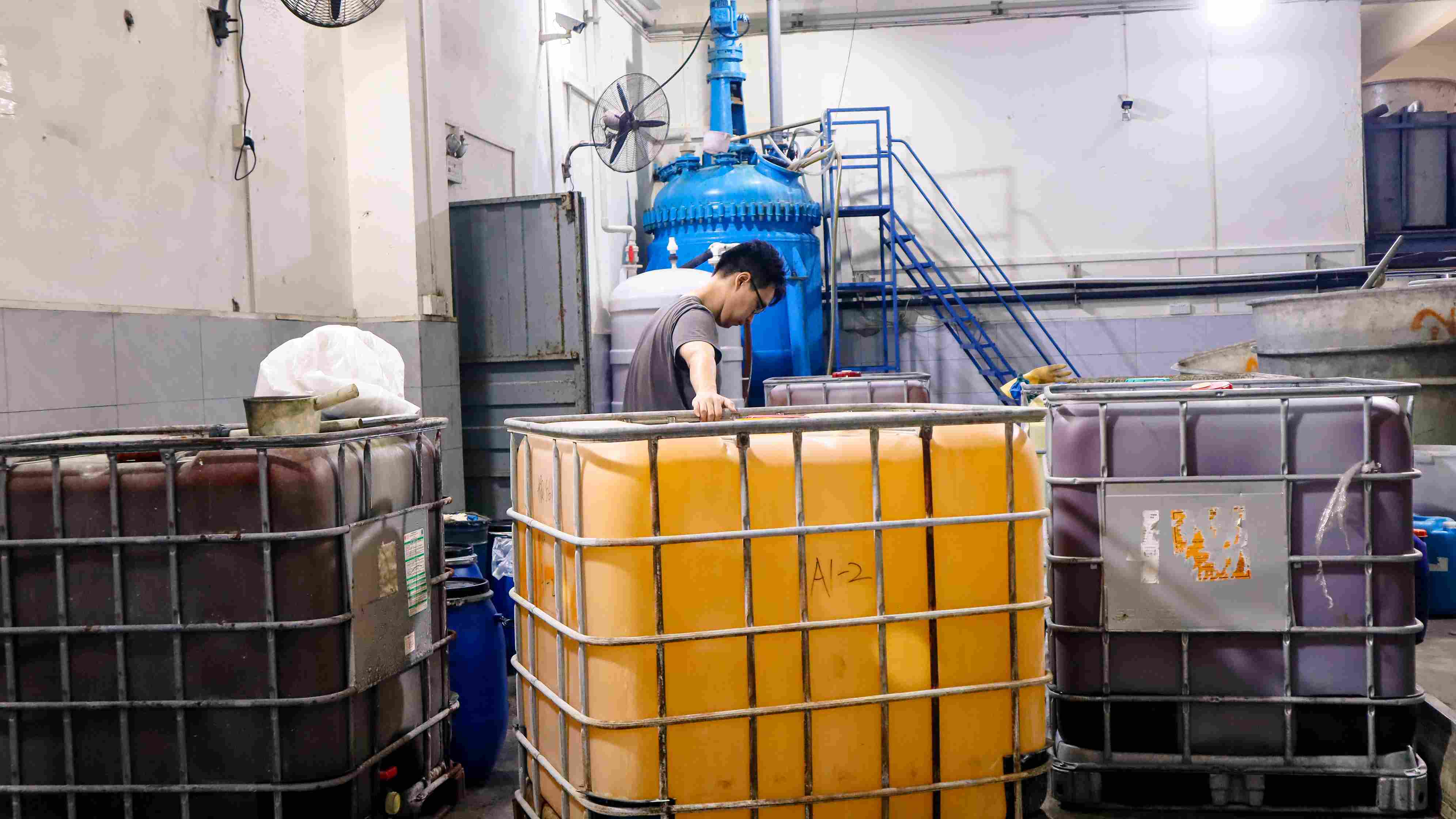
Industrial workshop environment used for precious metal recycling and refining operations. Image: Huizhou Yi'an Precious Metals Co., Ltd.
Why Palladium Scrap Recovery Matters for PGM Supply
Palladium demand has historically been concentrated in autocatalysts, electronics and chemical catalysis. When those products reach end of life, or when industrial processes generate residues, the palladium content becomes a secondary supply stream. Johnson Matthey's PGM Market Report reported global secondary supply of platinum from open-loop recycling at 1.53 million ounces in its 2024 report. That figure covers platinum rather than palladium alone, but it illustrates the scale of the open-loop recycling channel that also carries palladium, rhodium and other platinum-group metals.
Grand View Research estimated the global precious metals recycling market at USD 66.9 billion in 2026. That estimate covers recovery, refining and reuse of gold, silver and PGMs as one combined segment. For buyers, the implication is straightforward: secondary supply is not a niche activity. It is a measurable part of the PGM supply chain, and the ability to recover palladium from complex scrap streams affects both availability and price discovery.
At the same time, recovery is not uniform. Feedstock quality varies. A simple alumina-supported catalyst behaves differently from a mixed electronic residue or a spent plating bath. That variability is why palladium scrap recovery should be evaluated as a process discipline, not as a commodity purchase.
What Palladium Scrap Recovery Actually Involves
Palladium scrap recovery usually begins with feedstock characterization. The material is sorted, sampled and assayed to establish palladium content and the presence of other metals. Sampling is a critical control point because a small sample must represent a larger lot. If sampling and sample preparation are not standardized, assay results can diverge, and settlement disputes can follow.
After characterization, refiners select a process route. Hydrometallurgical routes use aqueous chemistry to dissolve target metals. Pyrometallurgical routes use high-temperature treatment. Electrolytic refining is often used as a final purification step. In practice, many facilities combine several stages. Argor-Heraeus, a Swiss refiner, describes industrial scrap refining as chemical or physical pre-refining followed by an electrolytic step, with stated purity up to 999.99 per mille for its refining service. That description is company-reported and applies to its own service scope, but it shows the general architecture of a multi-stage refining flow.
Academic and industry sources indicate that hydrometallurgical recovery from simple Al2O3 support catalysts can achieve PGM recovery typically above 95%. However, the same source notes poor dissolution selectivity for those acid leaching methods. In other words, high recovery on a simple feedstock does not automatically translate into high selectivity on a complex one. Buyers should ask how a refiner handles mixed feeds, what pre-treatment is used, and how metal loss is measured and reported.
Huizhou Yi'an Precious Metals Co., Ltd. operates in this space as a precious metal recycling and refining company established in 2014. The company integrates precious metal recycling and refining with the production and sales of precious metal compounds. Its refining workshops cover gold, silver, palladium, platinum, rhodium, ruthenium and iridium, and it also lists dedicated refining workshops for platinum, palladium, rhodium, ruthenium, iridium, platinum and rhodium, and platinum and palladium. For palladium scrap recovery specifically, that workshop coverage means the company can process palladium-bearing feeds alongside other PGM streams rather than treating palladium as an isolated exception.
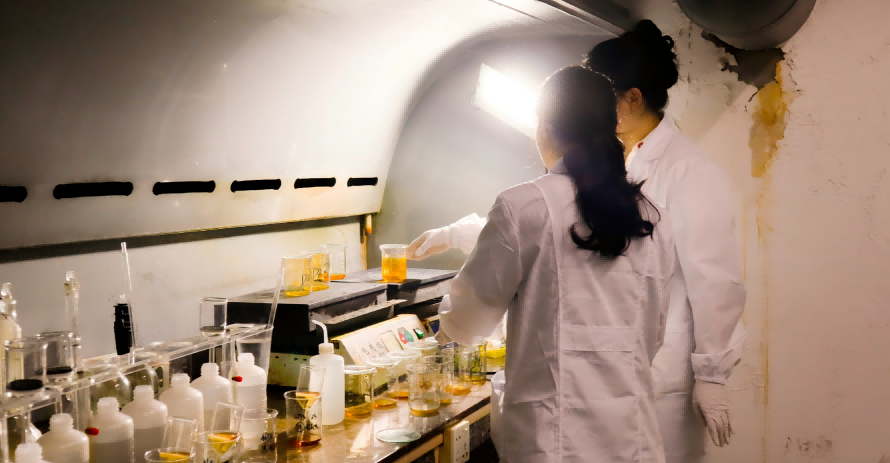
In-house assay laboratory supporting sampling, testing and metal-content verification. Image: Huizhou Yi'an Precious Metals Co., Ltd.
Feedstocks and Applications Where Palladium Recovery Fits
Palladium-bearing scrap appears in several industrial categories. ARE Holdings, a Japanese precious metals recycler, lists electronic substrates, plating solutions, automotive and industrial catalysts, dental materials, jewelry and manufacturing scrap among the feedstocks it handles. This is a company-reported example rather than a complete industry taxonomy, but it is useful for mapping where palladium recovery can apply.
The most familiar feedstock is the spent autocatalyst. Palladium, platinum and rhodium are used together in catalytic converters, and end-of-life units are a major source of secondary PGM supply. Industrial catalysts used in chemical processing are another. Electronics manufacturing generates scrap components, substrates and plating residues that may contain palladium. Dental laboratories and jewelry manufacturing produce scrap and sweeps. Electroplating operations generate spent baths and sludges.
For overseas suppliers and industrial manufacturers, the practical application question is whether a refiner can accept the specific material. Yi'an's service scope covers overseas PGM-bearing scrap toll-smelting. The company also works with materials such as iridium-ruthenium coated titanium mesh, platinum-group placer ore and various industrial scrap, as described in its service documentation. Palladium scrap recovery is therefore part of a broader PGM toll-processing capability rather than a standalone line.
Market Trend Analysis
Three trends are shaping palladium scrap recovery.
First, secondary supply is being measured more seriously. The Johnson Matthey secondary supply figure for platinum shows that open-loop recycling is a reportable supply category. As primary PGM mining remains concentrated in a few regions, recycling provides a geographically diverse source of metal. Buyers who understand recovery routes can qualify suppliers beyond traditional mining-linked channels.
Second, compliance requirements are tightening. The Responsible Jewellery Council's Code of Practices 2024 became the mandatory standard for all RJC audits as of January 1, 2026. This standard covers ethical, human rights, social and environmental practices. It does not directly govern every industrial PGM scrap transaction, but it signals the direction of travel: traceability, responsible sourcing and auditable chain-of-custody records are becoming part of market access. For palladium scrap recovery, that means documentation and assay transparency are not optional extras.
Third, the recycling market itself is expanding. Grand View Research's estimate of USD 66.9 billion for the global precious metals recycling market in 2026 covers gold, silver and PGMs. Even allowing for the broad scope of that estimate, it points to a mature and growing recovery infrastructure. The competitive question for buyers is how to distinguish between traders, agents and actual refining capacity.
Comparison with Traditional Solutions
Traditional cross-border PGM scrap sourcing often involves multiple intermediaries. A supplier may work with a local agent, who works with a trader, who finally places the material with a smelter. This chain can add markup and obscure metal loss data. In some cases, assay is outsourced to a third-party laboratory while smelting is handled elsewhere, leaving responsibility for sampling, customs and settlement split across several parties.
An integrated refining model aims to reduce those handoffs. Yi'an describes itself as a physical smelter with in-house assay laboratory and complete recycling smelting lines based in China. Its One-Stop Cross-Border Precious-Metal Smelting & Finished-Product Supply Service is structured as end-to-end third-party PGM toll-processing, assay and import-export one-stop service. Service deliverables include a standard assay report with arbitration sample reserved, a detailed smelting metal-loss statement, delivered precious-metal ingots or chemical compounds, complete customs import-export documentation and full-set material-processing records. Sample assay is listed at 3-7 working days, and bulk-material smelting at 15-30 working days upon receipt of qualified cargo. Those timelines are company-stated and depend on customs and logistics conditions.
| Dimension | Traditional multi-intermediary route | Integrated toll-processing route |
|---|---|---|
| Sampling and assay | Often outsourced; responsibilities split across parties | In-house assay laboratory; arbitration sample reserved |
| Metal loss | Multiple handoffs can obscure data | Detailed smelting metal-loss statement |
| Import-export documentation | Supplier or agent handles separately | Support for import-export documentation and customs declaration |
| Communication | Multiple parties; language and time-zone gaps | Chinese and English support; email, video conference, instant messaging, overseas exhibitions |
| Settlement | Based on third-party assay; terms negotiated separately | Based on actual assay result; no commitment on metal market price |
There are limits worth stating. Yi'an's facility data, production capacity and certification statements are company-reported. The company states that its production conditions and environment have passed certification by relevant authorities in Huizhou City, and that its gold, silver, palladium, platinum, rhodium, ruthenium and iridium products meet national standards. However, independent verification of capacity, recovery yield, assay methodology and environmental performance was not available in the reviewed data. Buyers should treat those claims as a starting point for due diligence, not as a substitute for it. In addition, Yi'an's service terms exclude destination-country import tariffs and local customs clearance costs, do not accept prohibited or restricted materials, and do not offer over-sea local pick-up. Settlement is based on actual assay results, not on a committed metal price.
Another boundary is technical. Hydrometallurgical routes can achieve high recovery on simple alumina-supported catalysts, but they may have poor selectivity on complex feeds. A refiner may need different pre-treatment or process combinations for mixed PGM scrap. Buyers should ask for material-specific process fit rather than assuming one route works for every palladium-bearing feedstock.
Procurement Checklist for Palladium Scrap Recovery
For buyers evaluating a palladium scrap recovery partner, the following checks can structure the research stage:
- Confirm feedstock type and estimated palladium content.
- Ask how sampling is performed and whether an arbitration sample is retained.
- Request the assay method and laboratory credentials.
- Clarify metal-loss calculation and reporting.
- Confirm import-export and customs documentation responsibilities.
- Check whether the refiner accepts the specific material and what is excluded.
- Review settlement terms and price-risk allocation.
- Verify company-reported capacity and certification claims independently where possible.
These questions matter because palladium scrap recovery is a chain of custody as much as a chemical process. A refiner that can explain its sampling protocol, assay method and metal-loss ledger is easier to audit than one that provides only a final price.
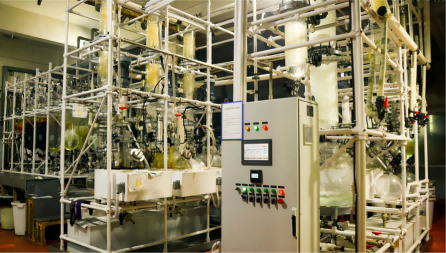
Workshop equipment supporting precious metal refining and processing. Image: Huizhou Yi'an Precious Metals Co., Ltd.
Future Outlook
Palladium scrap recovery is likely to become more standardized and more documented. The RJC COP 2024 mandatory audit requirement from 2026 is one signal. The growth of the precious metals recycling market is another. As more industrial users treat PGM scrap as a managed resource rather than a disposal problem, demand for transparent assay, arbitration samples and traceable metal-loss statements will increase.
For refiners, the competitive edge will come from process flexibility, sampling discipline and clear documentation. For buyers, the edge will come from knowing which questions to ask: How is the sample taken? Who witnesses it? What is the assay method? How is metal loss calculated? What happens if results are disputed? What documentation accompanies the shipment? Those questions are more useful than a single price quotation because they determine whether a palladium scrap recovery transaction is repeatable.
Huizhou Yi'an Precious Metals Co., Ltd. positions its cross-border service around those operational questions. The company supports overseas PGM-bearing scrap toll-smelting, import-export documentation, customs declaration and international logistics coordination. Its target clients include overseas PGM scrap suppliers, mineral traders, overseas industrial manufacturers, new-material enterprises, research laboratories, global precious-metal recyclers and cross-border partners. Support languages are Chinese and English, with service channels including email, online video conference, instant-message tools and overseas-exhibition connection. For a buyer at the research stage, that combination is worth evaluating against other toll-processing options, with the same verification discipline applied to every provider.
FAQ
What is palladium scrap recovery?
Palladium scrap recovery is the extraction of palladium from palladium-bearing scrap such as spent catalysts, electronic residues, plating solutions and manufacturing scrap. It is part of the wider precious metal scrap recovery industry, which also recovers platinum, rhodium, ruthenium, iridium, gold and silver. The process typically includes feedstock characterization, sampling, assay and refining.
What types of scrap contain recoverable palladium?
ARE Holdings lists electronic substrates, plating solutions, automotive and industrial catalysts, dental materials, jewelry and manufacturing scrap as examples of precious-metal recycling feedstocks. Palladium is commonly found in autocatalysts, chemical catalysts and electronic components. The exact palladium content varies by material, so assay is required before processing.
How is palladium recovered from spent catalysts?
For simple alumina-supported catalysts, hydrometallurgical acid leaching can achieve PGM recovery typically above 95%, according to the reviewed technical source. However, the same source notes poor dissolution selectivity for that method. Complex catalysts may require pre-treatment, pyrometallurgical steps or combined routes. Electrolytic refining is often used for final purification.
What factors affect palladium scrap recovery rates?
Recovery rates depend on feedstock composition, the presence of other metals, the process route, sampling accuracy and metal-loss control. Simple feeds may recover well through one route, while mixed feeds may need different treatment. Assay methodology and sample preparation also affect reported results. Buyers should request material-specific process information rather than relying on a single general recovery figure.
What should buyers verify before choosing a PGM refiner?
Buyers should verify sampling and assay procedures, arbitration sample retention, metal-loss reporting, import-export documentation support and the refiner's actual processing scope. Company-reported capacity or certification claims should be checked against independent evidence where available. Yi'an, for example, states that its production conditions and environment have passed certification by relevant authorities in Huizhou City and that its products meet national standards; those statements are company-reported and should be part of a broader due diligence process.
How do cross-border regulations affect palladium scrap recovery?
Precious-metal-bearing scrap and PGM ores are often treated as specially regulated goods. Import and export declarations, qualification permits, logistics risk and settlement procedures can add complexity. The Responsible Jewellery Council's Code of Practices 2024 became mandatory for all RJC audits as of January 1, 2026, reinforcing traceability and responsible sourcing expectations. Cross-border partners should confirm which documents are required for their specific material and destination.
For a consolidated overview of Yi'an's service scope and facility information, the company's tri-fold brochure is available at: Yian Precious Metals Tri-fold Brochure.
Have Questions or Need More Details?
Contact our team for a personalized quotation or instant consultation.
Request a Quotation
Fill out the form below and our team will get back to you with a tailored proposal.
WhatsApp Direct Chat
Prefer to chat in real-time? Message us on WhatsApp for instant assistance & quick answers.
- Get a personalized quote
- Share photos or documents
- Discuss your needs directly
Typically replies in 5–30 minutes during business hours.