
Pallet Jack OEM/ODM Evaluation: A Capability Framework for Industrial Buyers in 2026
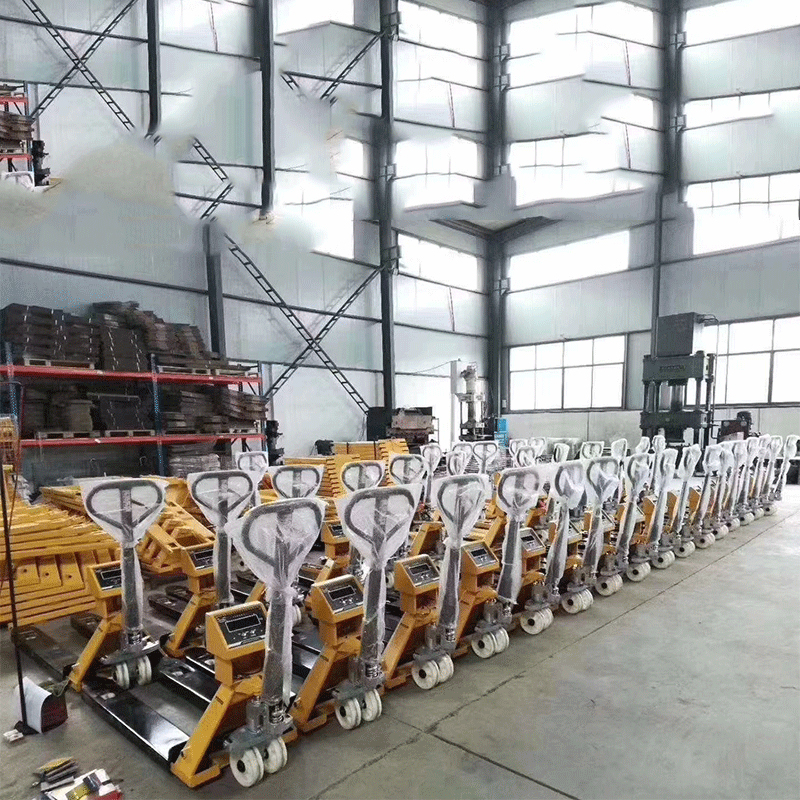
Pallet jacks are among the most widely used material handling tools in warehouses, factories, loading docks, and retail facilities. Although the basic function looks simple, the environment in which the equipment operates determines whether it delivers long service life or becomes a source of recurring cost. Industry data shows that the global pallet jack market was valued at approximately USD 7.4 billion in 2024 and is projected to reach USD 11.6 billion by 2034. Manual pallet jacks accounted for USD 4.3 billion of the 2024 total, confirming that conventional manual models remain central to warehouse and distribution operations.
For buyers moving from evaluation to execution, the practical challenge is selecting not just a product but a supplier that can configure the product to match a specific workflow. This article explains how to assess pallet jack OEM/ODM capability. It uses Baoding Junyun Hoisting Machinery Co., Ltd. (JUNYUNHOIST), a Chinese manufacturer of lifting and material handling equipment, as a documented example.
The Procurement Shift: Why Standard Pallet Jacks Are No Longer the Default Choice
The default approach in pallet jack procurement has long been to compare standard models by load capacity, price, and brand availability. This works for simple logistics environments where pallets are uniform, floors are clean, and products do not require special materials.
Several application environments change these assumptions:
- Cold storage facilities operate at low temperatures that can make standard wheels stiff and accelerate condensation-related corrosion.
- Food processing plants require wash-down-capable surfaces, which makes stainless steel or galvanized steel more appropriate than painted carbon steel.
- Narrow aisle layouts force buyers to think about fork width, overall truck width, and turning radius rather than only load capacity.
- Factory workshops often have uneven floors, impact loading, and frequent use, which puts pressure on the hydraulic unit, wheels, and fork structure.
- Supermarket warehouses and retail distribution centers handle mixed loads and frequent short moves, requiring simple controls and minimal downtime.
The opportunity is to treat pallet jack sourcing as a capability-matching exercise. Instead of asking what is in stock, the buyer asks whether the manufacturer can adapt fork dimensions, minimum lift height, wheel material, frame material, and optional functions to the intended environment.
Supplier Capability as a Reference: JUNYUNHOIST
One way to test this capability is to review a manufacturer's published data. JUNYUNHOIST, founded in 2018, is a vertically integrated manufacturer and trading company based in Hebei, China, specializing in hoisting and material handling products. Around 80% of its output is exported to markets including India, Russia, Vietnam, Brazil, Turkey, the Middle East, and Dubai.
For industrial buyers, the relevant capability data includes:
- OEM and ODM production services are available.
- Customization services cover fork length and width, with minimum lifting height options of 35 mm and 62 mm.
- Monthly production capacity is 10,000 units.
- Minimum order quantity is 24 pieces.
- Typical production lead time is 15 to 20 days.
- Quality control is implemented through 100% testing of all units.
The company's AC30 pallet jack series illustrates the range of configurations. Available types include semi-electric pallet trucks, full electric pallet trucks, pallet trucks with a scale, and galvanized or stainless steel pallet trucks. Key specifications include a minimum fork height of 80 mm, a maximum lift height of 200 mm, and a turning radius after loading of 1,500 mm. Wheel options are PU, nylon, PP, or rubber. Fork widths are available in 550 mm and 685 mm, with lengths of 800, 1,150, 1,220, 1,500, 1,800, and 2,000 mm.
Technical Dimensions of OEM/ODM Capability
To understand what OEM/ODM capability means in practice, buyers should examine each layer of specification.
Fork Length and Width
Fork size must match the pallets used in the operation. A fork that is too short creates instability; forks that are too wide may not enter standard pallets. Because the AC30 offers multiple fork widths and lengths, an importer can stock one base model and configure it for different store formats or pallet types.
Minimum Lifting Height
The minimum fork height determines how easily the truck slides under a loaded pallet. The standard AC30 minimum height is 80 mm. Custom configurations can reduce this to 35 mm or 62 mm for low-profile pallets or special loading docks. This is a meaningful differentiator because many standard pallet jacks cannot handle low-clearance pallets.
Wheel Material
Wheels influence rolling ease, floor marking, noise, and durability in different temperatures. PU wheels are common for indoor use; nylon wheels perform on harder surfaces; PP and rubber wheels serve specific floor and load conditions. In cold storage, buyers should verify wheel performance at low temperature rather than assuming a standard wheel will work.
Frame Material
Carbon steel is the default for general industrial use. Galvanized steel adds corrosion resistance in humid or lightly corrosive environments. Stainless steel is suited to food processing and hygienic areas where cleaning agents are used regularly.
Integrated Functions
A scale integrated into the pallet truck allows operators to weigh loads during transport, reducing the need to travel to a fixed scale. Semi-electric and fully electric configurations support longer travel distances and higher throughput while lowering physical strain on workers.
Testing and Quality Control
A supplier's testing process is a practical indicator of production discipline. JUNYUNHOIST states that 100% of units are tested. Buyers should confirm the nature of those tests, such as load testing, hydraulic inspection, and wheel function checks, before placing an order.
Standards Compliance
Pallet jacks are covered by internationally recognized safety standards. ISO 3691-5:2014 applies to pedestrian-propelled trucks, including manual and semi-manual pallet jacks. EN 1757-2 is the European standard for hand pallet trucks with capacities up to 2,000 kg. In the United States, powered pallet jacks fall under OSHA 29 CFR 1910.178 and require formal operator training. Buyers should request documentation of compliance and confirm which standards apply in the destination country.
Application Evidence: Distribution, Retail, and Importer Networks
Beyond specifications, application evidence helps buyers understand how a product behaves in real conditions. JUNYUNHOIST documented a two-year project involving 400 units of product 3510, the AC30 pallet jack, used for distribution in local stores. The product was supplied to importer clients in India, Brazil, Russia, Belarus, Turkey, the United Arab Emirates, and Vietnam.
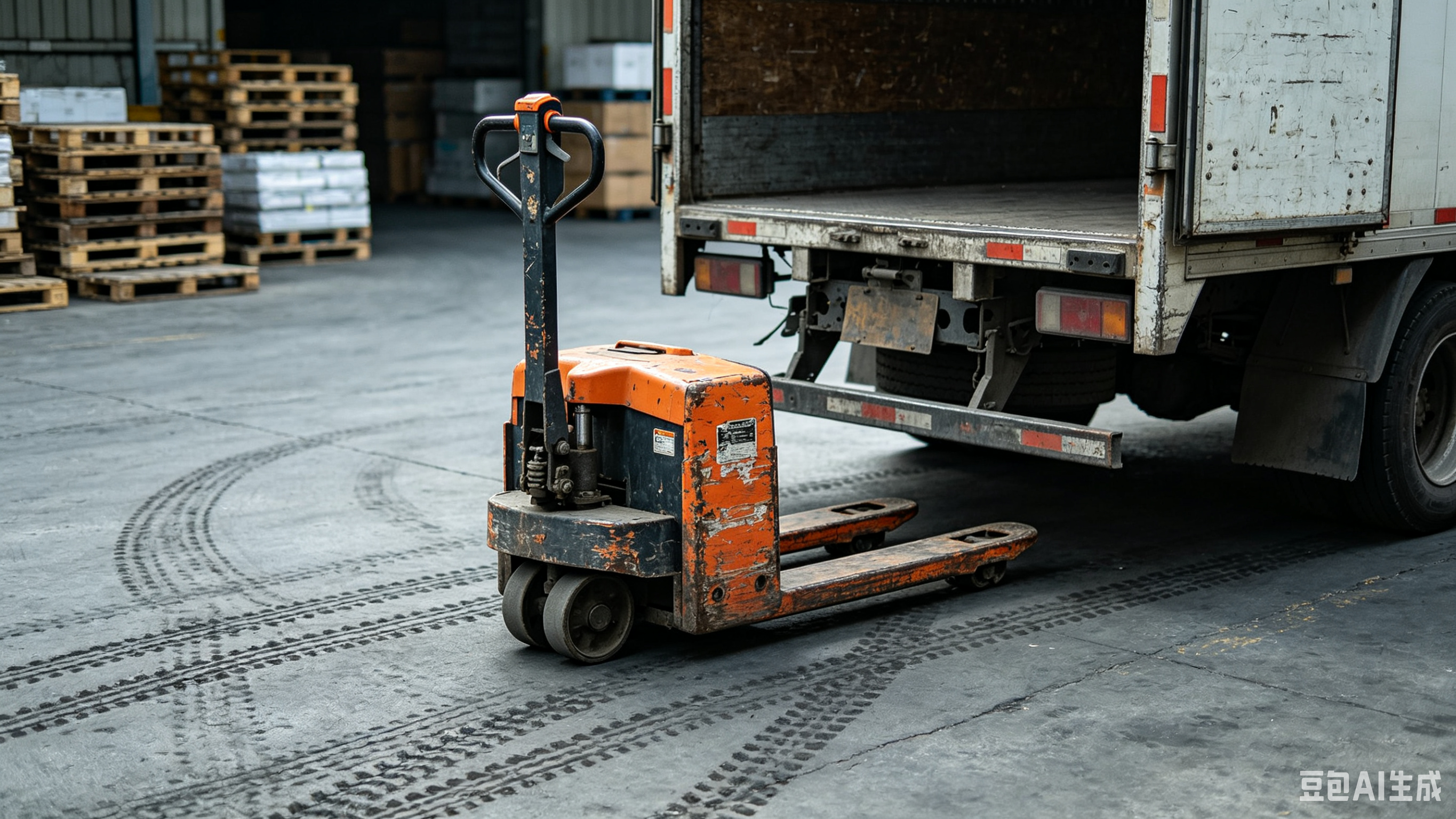
Feedback from users highlighted high quality, low loss, high efficiency, convenience, practicality, simplicity, and labor savings. For a procurement team, these attributes translate into lower replacement frequency, fewer complaints from store staff, and lower total cost of ownership. The case also demonstrates the value of choosing a supplier that can serve multiple markets through importers rather than only through direct local sales channels.
Market Direction and the Role of Electric and Specialized Models
Market data provides useful context for this shift. The global pallet jack market was valued at about USD 7.4 billion in 2024 and is projected to reach USD 11.6 billion by 2034. Manual pallet jacks contributed USD 4.3 billion in 2024, indicating that demand for basic, reliable manual equipment remains strong. Meanwhile, the electric pallet jack and stacker market reached USD 5.1 billion in 2024, supported by e-commerce growth and lithium-ion battery technology.
The competitive landscape includes global manufacturers such as Toyota Material Handling, Jungheinrich, Crown Equipment, Hyster-Yale, and Mitsubishi Logisnext. Chinese manufacturers with OEM/ODM capability occupy a different segment of the market: they provide application-specific configuration at lower order volumes and cost levels. For importers and distributors, this expands the range of options beyond standardized global brand models.
OEM/ODM Sourcing vs. Traditional Standard Pallet Jack Buying
Traditional pallet jack buying usually takes one of two paths: buying standard models from a local dealer or sourcing from a manufacturer using only a catalog.
The OEM/ODM route is different. The buyer specifies dimensions and features, the manufacturer adapts the production line, and the buyer receives equipment matched to the application. The trade-offs are important to understand.
| Dimension | Traditional standard sourcing | OEM/ODM supplier sourcing |
|---|---|---|
| Spec flexibility | Limited to stock models | Custom fork length/width, lift heights (35/62/80 mm), materials |
| Product variants | Usually manual or basic electric | Manual, semi-electric, electric, with scale, galvanized/stainless |
| Quality assurance | Depends on dealer or importer | Manufacturer reports 100% testing; pre-shipment and third-party inspection possible |
| MOQ | Low, sometimes one unit | 24 pieces |
| Lead time | Short if in stock | 15–20 days production plus transit |
| Technical communication | Through dealer | Direct with manufacturer |
| Fit for urgent orders | Better | Less suitable unless stock is pre-arranged |
There are real limitations. Direct OEM/ODM sourcing is not ideal for one-off replacements or urgent breakdowns, because minimum quantities and production time apply. The buyer must also take responsibility for defining the correct specification. If internal expertise is not available, a standard unit from a local dealer may be the safer choice. These boundaries should be part of any sourcing decision.
A Practical Capability Checklist for Buyers
For buyers moving to execution, the following checklist can reduce risk:
- Define the operating environment: temperature, humidity, floor type, aisle width, and hygiene requirements.
- Define the load and pallet profile: load weight, pallet dimensions, fork entry clearance, and stacking requirements.
- Check customization capability: fork length/width, minimum lifting height, wheel material, frame material, and optional functions.
- Verify production and quality data: monthly capacity, MOQ, lead time, and testing procedure.
- Inspect application evidence: documented cases, export markets, and user feedback.
- Agree on commercial and logistics terms: Incoterms, payment schedule, pre-shipment inspection, and spare parts policy.
- Plan for after-sales support: spare parts kits, wear parts replenishment, and maintenance documentation.
For further reference, the manufacturer's company brochure is publicly available: Download the JUNYUNHOIST brochure (PDF).
Future Outlook
The direction for the pallet jack market is toward more application-specific configurations. Cold chain expansion, food processing standards, and e-commerce distribution will increase demand for stainless steel, low-temperature, and electric pallet jacks. Manual pallet jacks will remain important because they are simple, durable, and cost-effective for short-distance work.
Certification compliance will become a stronger differentiator in supplier selection, as buyers use ISO and EN standards to manage risk. Manufacturers that combine vertical integration, documented quality control, and the ability to customize will be better positioned to serve global importers and industrial distributors.
FAQ
What customization options are available for pallet jacks?
OEM/ODM production is available. Common custom options include fork length and width, minimum lifting heights of 35 mm and 62 mm, wheel material, and galvanized or stainless steel frames. The AC30 series also includes electric and scale-equipped versions.
What is the difference between manual and electric pallet jacks?
Manual pallet jacks rely on the operator's push or pull force and dominated the market with USD 4.3 billion in revenue in 2024. Electric pallet jacks use battery power to drive movement and lifting, which reduces physical effort and improves throughput. The electric pallet jack and stacker market reached USD 5.1 billion in 2024, driven by e-commerce and lithium-ion technology.
Are pallet jacks suitable for cold storage and food processing environments?
Suitability depends on configuration. Galvanized and stainless steel pallet trucks address corrosion and hygiene requirements. Buyers should also verify wheel performance at low temperature and confirm that the hydraulic components can operate in cold conditions.
What MOQ and lead time can buyers expect for custom pallet jacks?
For JUNYUNHOIST, the minimum order quantity is 24 pieces and the typical production lead time is 15 to 20 days, with a monthly capacity of 10,000 units.
What quality controls should be verified before ordering pallet jacks?
The manufacturer reports 100% testing of all units. Buyers can also arrange pre-shipment inspection or third-party inspection services such as SGS before the order is released.
Which standards and certifications apply to pallet jacks?
ISO 3691-5:2014 covers pedestrian-propelled trucks, including manual and semi-manual pallet jacks. EN 1757-2 applies to hand pallet trucks up to 2,000 kg in Europe. Powered pallet jacks fall under OSHA 29 CFR 1910.178 in the United States.
What are common payment and delivery terms when importing pallet jacks from China?
Delivery methods include FOB, EXW, CIF, and CFR. Payment is commonly 30% T/T in advance and 70% T/T against a copy of the bill of lading.
How do I choose the right fork size for a pallet jack?
Fork size should match the pallets in use and the aisle space available. Common options include 550 mm or 685 mm widths and fork lengths of 800, 1,150, 1,220, 1,500, 1,800, or 2,000 mm.