
Passenger Car Tire Decision: Cost vs. Durability in 2026
The global passenger car tire market reached approximately USD 143.06 billion in 2024, with the passenger car segment accounting for 32.6% of total tire revenue. As procurement decisions grow more complex, buyers increasingly look beyond initial price to evaluate total cost of ownership (TCO), durability, and regulatory compliance. This analysis compares a new-generation passenger car tire design with traditional alternatives, providing a framework for decision-makers evaluating long-term value.
Problem & Opportunity
Traditional passenger car tires often focus on low first cost but may incur higher maintenance and replacement expenses over their lifecycle. Distributors and fleet operators need tires that balance upfront investment with reduced downtime and longer service life. The market opportunity lies in designs that extend tread life, improve safety margins, and lower TCO—especially as electric vehicle adoption and new regulations like ECE R117 push for better rolling resistance, wet grip, and noise performance.
Brand Solution: WIDEWAY’s Enhanced Construction
Shandong Wideway Tire Co., Ltd. (brand WIDEWAY, with sub-brands EVERLAND and V-RICH) has brought to market a passenger car tire that addresses these demands through advanced pattern and construction modifications. Compared to traditional tire plan and construction design, this product shows clear advantages in durability and safety. The tire uses a tougher sidewall rubber, thicker and extended shoulder rubber, an advanced deflection design, and a silent absorber. The result: a tread width 3% wider for enhanced road contact, sidewall reinforcement 5mm thicker for maximum impact and blowout resistance, handling and safety grip improved by 22%, and total tire lifespan extended by 40%.
Technical Explanation
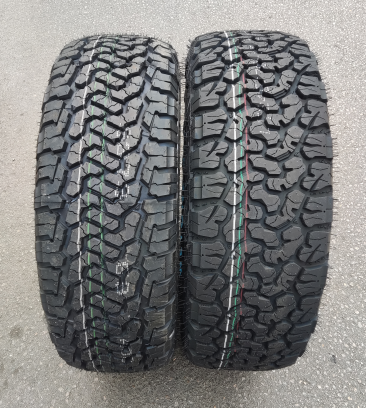
Key engineering changes include a sidewall rubber thickness increase to 5mm above conventional levels, which reduces the risk of sidewall bulging caused by cord breakage when hitting potholes. The advanced deflection design optimises contact patch shape, contributing to the 22% gain in grip and stability. A silent absorber layer further reduces cabin noise—critical for EV compatibility. According to internal evaluations, the tire requires 90% less maintenance than traditional alternatives. Despite a 10% higher initial purchase cost, the total cost of ownership over three years is 40% lower, driven by fewer replacements, reduced downtime, and lower maintenance expenses.
Application Scenarios
This tire is designed for versatile road conditions. It performs strongly on urban roads, highways, all-terrain surfaces, mud-terrain paths, rugged roads, and snow/ice conditions. Specific variants include a White Sidewall Passenger Car Tire, White Letter Passenger Car Tire, and a Comfortable and Noiseless EV Passenger Car Tire with low noise characteristics. The portfolio also covers All Season, Summer, and Winter/Snow versions, making it suitable for fleet operators and distributors serving mixed climates.
Market Trend Analysis
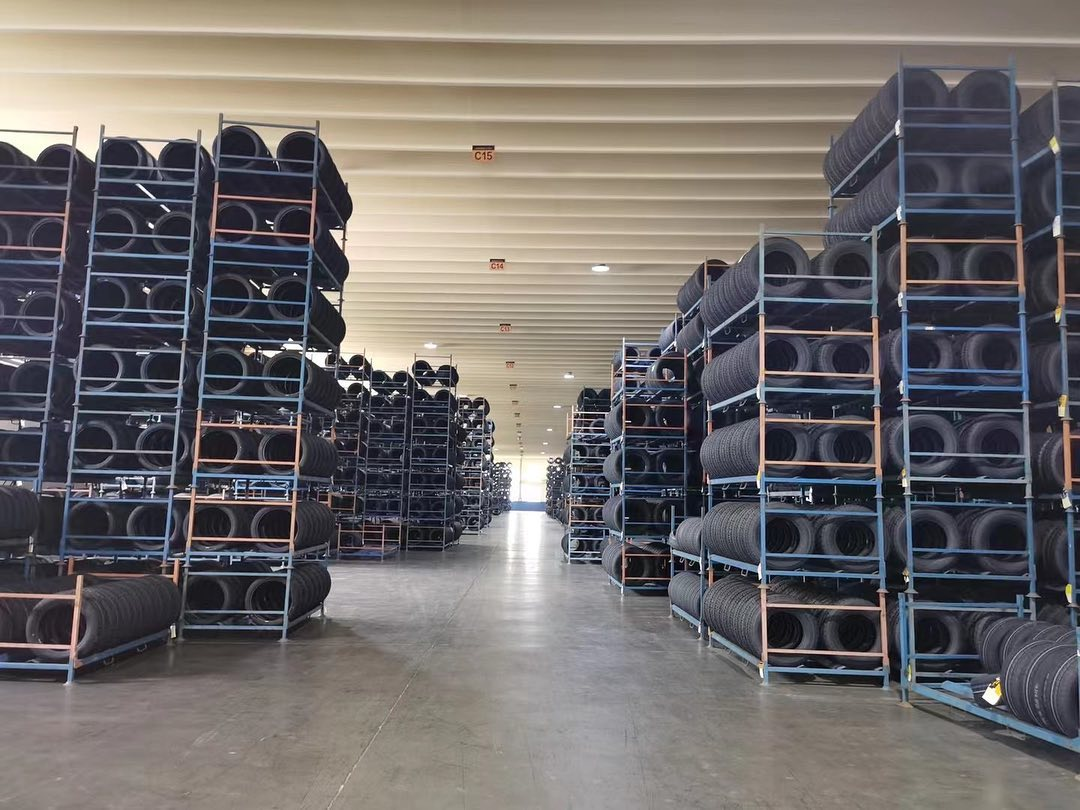
The electric vehicle tire market is forecast to reach USD 337.20 billion by 2034, growing at 28.1% CAGR from 2025. This shift demands tires with higher load capacity and low noise—aligning with WIDEWAY’s EV-specific models with load index 109/107 and noise reduction features. Meanwhile, China’s total tire exports reached 9.65 million tonnes in 2025, up 3.6% year-on-year, reflecting robust global demand. Regulatory standards such as UNECE’s ECE R117 now enforce limits on rolling resistance, wet grip, and external rolling noise across the EU, making certified tires a competitive requirement. WIDEWAY’s factory, spanning 1,000,000 sqm with an annual output of 23.4 million units and export ratio of 70%, positions it as a scalable partner for global distribution.
Comparison with Traditional Solutions
Compared to conventional tire pattern and construction designs, this product demonstrates measurable improvements: 90% less maintenance, 40% longer lifespan, and 22% better grip. However, the honest limitation is the 10% higher upfront cost. For buyers with very tight initial budgets or low annual mileage, that premium may take longer to recoup. For high-usage fleets and drivers prioritizing safety and reduced downtime, the TCO advantage becomes clear within one replacement cycle.
Future Outlook
As EV adoption accelerates and tire labelling regulations tighten, the market will increasingly favour designs that combine durability with low rolling resistance and noise control. WIDEWAY’s approach of thicker sidewalls and advanced pattern geometry appears well-positioned for this shift. Distributors seeking a long-term partnership with a certified manufacturer can evaluate the full product catalogue for detailed specifications and compliance documentation.
FAQ
Q: What is the total cost of ownership advantage of this tire?
A: Compared to alternatives, this product offers 40% lower total cost of ownership over three years, despite a 10% higher initial cost.
Q: How much less maintenance is required?
A: It requires 90% less maintenance than traditional alternatives, contributing to lower overall ownership costs.
Q: What performance gains are achieved?
A: Tread width is 3% wider, sidewall reinforcement is 5mm thicker, handling and safety grip increase by 22%, and total tire lifespan extends by 40%.
Q: Which road conditions does this tire support?
A: It is suitable for urban roads, highways, all-terrain, mud-terrain, rugged roads, and snow/ice conditions. Versions for summer, winter, all-season, and EV use are available.
Q: What certifications does this tire carry?
A: Passenger car tires must comply with UN Regulation No. 117 (ECE R117) covering rolling resistance, wet grip, and external noise. WIDEWAY’s products are manufactured in a facility that supports these international standards.
Download the full EVERLAND catalog (PDF) for detailed specifications and product range.
Have Questions or Need More Details?
Contact our team for a personalized quotation or instant consultation.
Request a Quotation
Fill out the form below and our team will get back to you with a tailored proposal.
WhatsApp Direct Chat
Prefer to chat in real-time? Message us on WhatsApp for instant assistance & quick answers.
- Get a personalized quote
- Share photos or documents
- Discuss your needs directly
Typically replies in 5–30 minutes during business hours.