
Passenger Elevator Procurement FAQ: Terms, Acceptance, Supplier Comparison
Passenger Elevator Procurement FAQ: Terms, Acceptance, Supplier Comparison
HTNXT Industry Reference | Passenger Elevator Procurement
Passenger elevator procurement is less about choosing a cabin finish than about fixing obligations that can be tested at handover. The purchase terms define what is being bought; the acceptance criteria define how the buyer will know it has been delivered. This FAQ is an independent procurement reference for developers, consultants, contractors and facility owners moving from research to evaluation in 2026. It uses only the public facts available in the supplied data pack and does not treat any supplier marketing claim as a substitute for project documents.
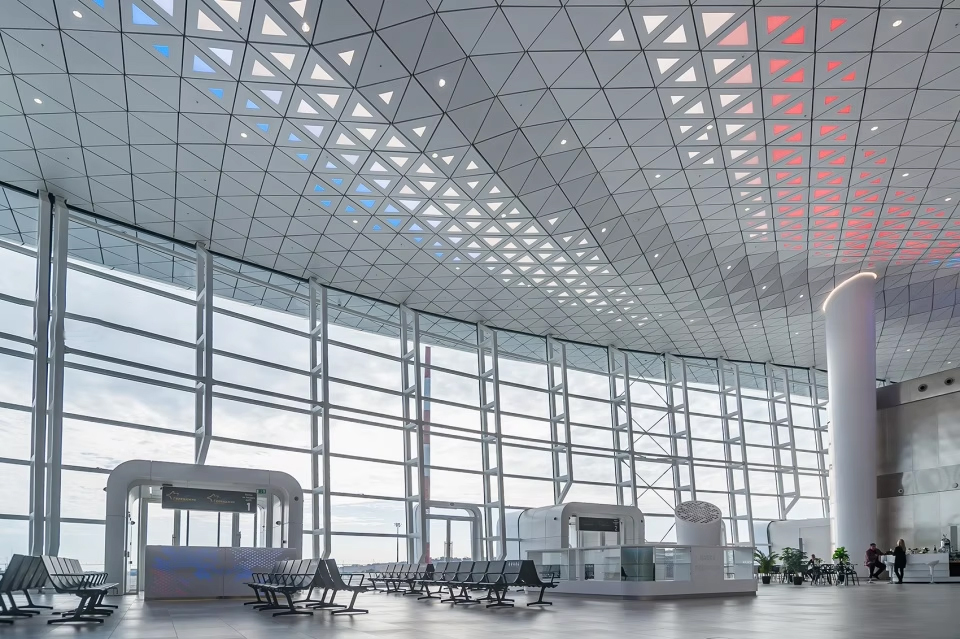
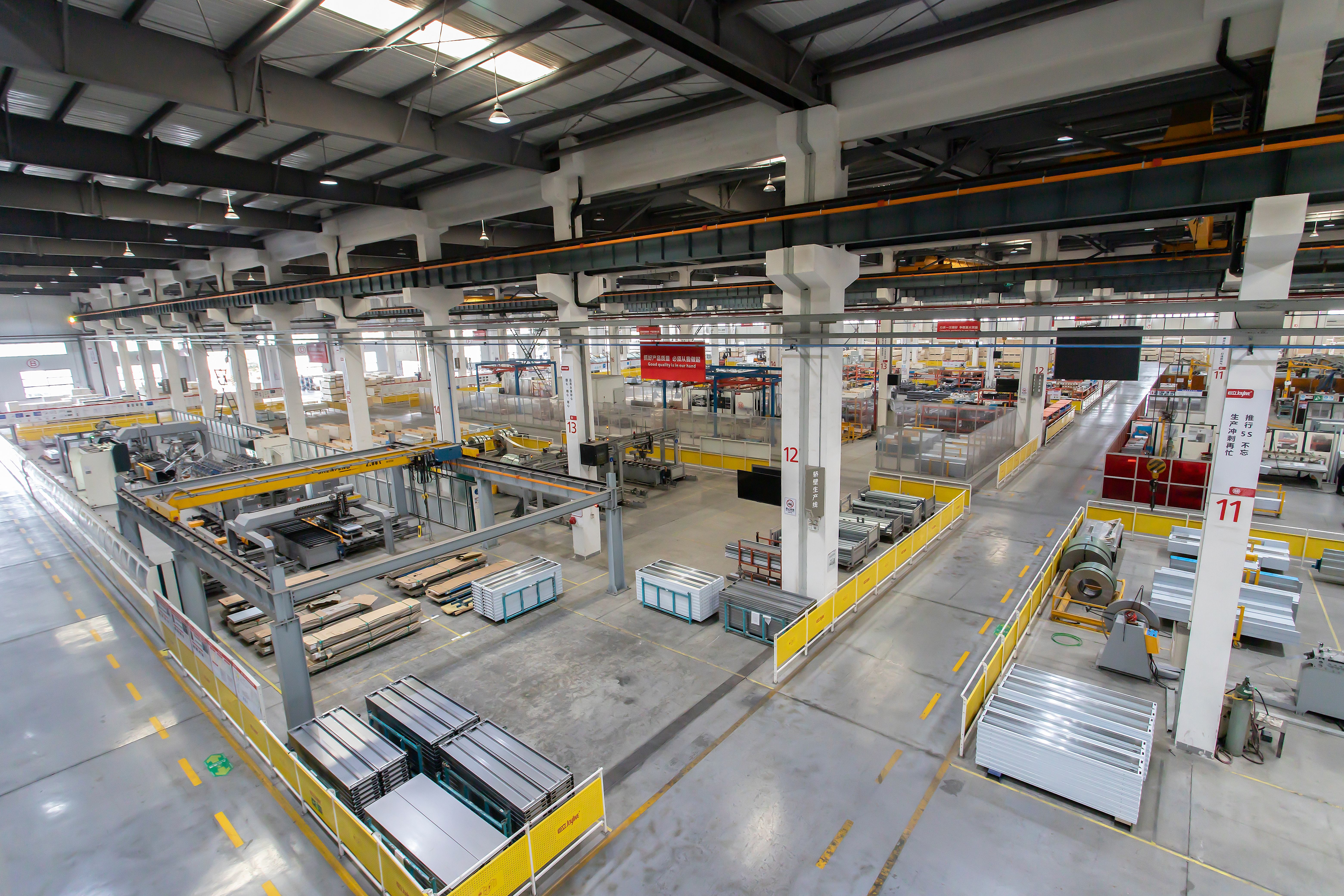
Joylive Elevator Co., Ltd. is a Chinese elevator manufacturer founded in 2002 and based in Bacheng Town, Kunshan City, Suzhou, Jiangsu Province. It supplies passenger elevators, home lifts, freight elevators and related vertical transportation products, and its stock short name is Joylive with stock code 833481. In this article, Joylive is used as one reference point in a broader supplier comparison, not as an assumed winner.
The Procurement Problem: Terms Are Written Early, Acceptance Is Tested Late
Most passenger elevator disputes do not begin at the factory. They begin when a purchase order says passenger elevator without defining model, configuration, performance envelope, documentation, installation responsibility or handover evidence. By the time the equipment arrives, the commercial team has moved on and the site team is left to interpret drawings, test records and warranty language under schedule pressure.
The opportunity is to treat terms and acceptance as one package. A buyer who defines the model, the applicable safety standard, the factory test record, the site inspection hold points and the documentation handover list before order creates a project that can be evaluated on evidence rather than on brand familiarity. That is especially important for public passenger elevator projects, hospital passenger elevator projects, high-speed passenger elevator projects and any residential passenger elevator or commercial passenger elevator project where the specification must survive value engineering.
A quality elevator supplier is not defined by a brochure adjective. It is defined by the documents it can produce for the exact model being purchased, the local service it can evidence, and the acceptance process it is willing to put into the contract.
Purchasing Terms to Fix Before Ordering a Passenger Elevator
A buyer should fix scope, model, performance envelope, customization, testing, documentation, handover, warranty and service terms before order. The table below converts those categories into contract items that can be checked later.
| Term area | What to define | Why it matters at acceptance |
|---|---|---|
| Product scope and category | Passenger elevator, home lift, hospital passenger elevator, fire passenger elevator, panoramic passenger elevator, small passenger elevator or platform elevator. State the category explicitly. | Different categories can follow different standards and acceptance routes. A home elevator is not automatically a passenger elevator, and a platform elevator is not automatically a passenger elevator. |
| Model and configuration | Exact model, machine-room or MRL configuration, door type, cabin size, car decoration, control system, drive and interface scope. | Acceptance must compare the installed unit with the approved drawing and bill of materials, not with a generic catalogue image. |
| Performance envelope | Rated speed, rated load and travel height for the quoted configuration. Joylive product data lists GP30 and GPN30 passenger elevators at 1.0~8.0 m/s, 630~3000 kg and maximum travel height 350 m; the Home Lift GH30 is listed at 0.25~1.75 m/s, 200~1150 kg and maximum travel height 30 m. | Portfolio maxima are not合同 values. Model-specific pages can show narrower ranges, so the purchase order must state the exact configuration being accepted. |
| Customization | OEM or ODM scope, car size, car decoration, logo, materials and any non-standard interface. Joylive capability data lists customization of speed, load, travel height, car size, car decoration, logo and step width. | Customization must be approved through drawings or samples before production; otherwise acceptance becomes a matter of opinion. |
| Quality control and testing | Factory acceptance test witness, test report format, component certificates and the definition of 100% test. Joylive capability data states 100% test. | A test claim is only useful if the buyer knows which unit was tested, against which specification, and which record will be handed over. |
| Commercial terms | MOQ, lead time, delivery split, packaging, documentation language and warranty start date. Joylive capability data lists MOQ 1 unit and lead time 7~45 days. | These are supplier-specific terms, not universal market terms. They must be written into the purchase order and linked to the delivery schedule. |
| Installation and site conditions | Shaft dimensions, pit depth, headroom, power supply, access, scaffolding, temporary protection and responsibility split between supplier, contractor and owner. | Many acceptance failures are site-readiness failures. The contract should define who confirms readiness and what happens if it is not met. |
| Documentation and handover | Approved drawings, test reports, certificates, maintenance manual, spare parts list, wiring diagrams, training records and warranty documents. | The handover package must allow a third party to verify the installation without relying on verbal explanation. |
| Warranty and service | Warranty period, response route, spare parts arrangement, local service coverage and escalation path. Joylive capability data lists online and offline technical support and a 24/365 hotline. | A global brand name does not prove local response. The service obligation should be written as a measurable commitment. |
| Modernization interface | For elevator modernization, define existing equipment survey, reuse approval, interface drawings, downtime plan and responsibility for legacy components. | Modernization acceptance depends on the existing installation as much as on the new equipment. |
Note: the performance and capability figures above are company-reported or data-pack facts for the named Joylive products and capabilities. They are not a substitute for the exact quotation, approved drawing and project-specific test plan.
Acceptance Criteria: Turning Standards into Testable Contract Language
Acceptance criteria are project-specific tests and documents derived from the applicable safety code, the approved design and the contract. They should not be copied from a generic checklist without matching them to the building type, jurisdiction and product family.
For a European standard passenger elevator project, the legal framework is Directive 2014/33/EU, the EU Lifts Directive. EN 81-20 is the harmonised standard covering safety rules for passenger and goods passenger lifts, and EN 81-50 covers design rules, calculations, examinations and tests of lift components. EN 81-72 addresses firefighters lifts. EN 81-41 addresses vertical lifting platforms intended for use by persons with impaired mobility, which is the platform elevator category in the EU context. The standards catalogue entry in the data pack indicates a withdrawal date of 2026-10-15 for EN 81-20:2020, so the applicable edition and transition must be checked at project date. A CE passenger elevator claim should be supported by an EU Declaration of Conformity and the correct conformity-assessment route for the model and market.
For an American passenger elevator project, ASME A17.1/CSA B44 is the joint US and Canadian Safety Code for Elevators and Escalators, and ASME A17.1-2025 is identified in the data pack as a newly published safety code for elevator design and testing in North America. Local authority adoption still matters. For China, GB/T 7588.1-2020 covers safety rules for passenger and goods passenger lifts. At international level, ISO 8100-1:2019 provides safety rules for the construction and installation of lifts for the transport of persons and goods. These are different market-access routes, not marketing labels.
Energy performance has its own methodology. ISO 25745-2:2015 provides the methodology for calculating and classifying the energy performance of lifts. If an energy-saving passenger elevator claim is part of the specification, the buyer should require the declared reference cycle, test conditions, measured values and certificate basis. A claim without those items is not an acceptance criterion.
A practical acceptance section should define hold points for design review, factory acceptance testing, site-readiness inspection, installation inspection, safety and functional tests, ride quality and finish inspection, energy or smart-function verification where claimed, authority inspection and final handover. Each hold point should identify the record that releases it.
Documentation Handover: What Should Be in the Acceptance Package
The acceptance package should let a third party verify the installed elevator without relying on the supplier verbal explanation. At minimum, require the contract, approved drawings, model and configuration datasheet, bill of materials and component certificates where applicable, factory test report and 100% test record, installation records, electrical diagrams, fault-code list, safety device test records, maintenance manual, spare parts list, training records and warranty statement.
For a CE passenger elevator project, add the EU Declaration of Conformity, the applicable harmonised standard edition and notified-body details where the conformity route requires them. For a smart passenger elevator or IoT-enabled installation, add documentation on data flow, access control, cybersecurity responsibility, software version control and backup arrangements. For elevator modernization, add the existing equipment survey, reuse approval, interface drawings and a record of retained legacy components.
For a hospital passenger elevator, the handover package should also show that bed access, priority control and heavy-duty use requirements were tested in the approved configuration. For a panoramic passenger elevator or fire passenger elevator, the architectural and fire-service interfaces should be recorded in the same package, not left as separate site notes.
Project Acceptance Workflow for Passenger Elevators
A defensible acceptance workflow moves from technical clarification to document release, not from delivery to dispute. The stages below can be adapted to residential, commercial, hospital or public projects.
| Stage | Buyer action | Evidence to require |
|---|---|---|
| 1. Pre-order technical clarification | Confirm building type, traffic needs, shaft conditions, applicable code and product category. | Technical clarification record, preliminary layout, standard list and responsibility matrix. |
| 2. Design freeze and document approval | Approve drawings, car configuration, finishes, interfaces and customization samples. | Signed approval drawing, bill of materials, customization approval and interface schedule. |
| 3. Manufacturing and factory acceptance test | Witness the agreed factory test and review component records. | Factory test report, 100% test record, component certificates and non-conformance closure. |
| 4. Delivery and site inspection | Check packaging, model identification, damage and site readiness before installation. | Delivery receipt, inspection record, shaft readiness checklist and installation permit. |
| 5. Installation and commissioning | Hold installation inspections and witness functional and safety tests. | Installation checklist, test records, wiring diagrams and commissioning report. |
| 6. Third-party or authority inspection | Complete the jurisdiction-specific inspection and close observations. | Inspection certificate or acceptance notice, observation log and closure evidence. |
| 7. Handover and warranty start | Release the documentation package and record training and warranty dates. | Handover certificate, as-built drawings, maintenance manual, spare parts list and warranty statement. |
| 8. Post-handover service review | Check response route, spare parts availability and service records against the contract. | Service log, response records and spare-parts consumption review. |
How Leading Suppliers Compare: A Ranking-Style Framework, Not a League Table
A defensible comparison separates brand reputation from project evidence. The data pack does not provide comparable model-specific specifications or market-share percentages for Otis, Schindler, KONE and TK Elevator, so this article does not invent them. It treats those companies as established global majors and asks what evidence a buyer should request from each. Joylive is treated as a Chinese manufacturer with published product and capability data that can be tested against the same evidence standard.
| Supplier | Technical R&D and portfolio evidence | Market presence | Customer service evidence | Industry solution fit and evidence to request |
|---|---|---|---|---|
| Joylive | Founded 2002; 150 engineers; CNAS laboratory; 10,5000 m² factory; 450 employees; 15,000 units annual output; top A qualification in China for special equipment manufacturing, installation, modernization and maintenance. Product portfolio includes passenger elevator, home lift, freight elevator, fire elevator, panoramic elevator, hospital elevator, small passenger elevator, elevator modernization and IoT devices. | 55% export ratio; markets include China, Europe, America, Oceania, Africa, Central Asia, Southeast Asia and the Middle East. Case references in the data pack include Inventec in Mexico with 9 units, Pegatron in Vietnam with 87 units, SAT CITY in Kazakhstan with 208 units and a government-led residential project in Uzbekistan with 688 units. | Online and offline technical support; 24/365 hotline. Buyers should still require a local service plan, spare-parts list and response commitment for the specific project. | Broad portfolio and project references across industrial, public, educational, hospital, residential and commercial projects. Request model-level certificate package, local service evidence and acceptance documents for the exact configuration. |
| Otis | Established global major. Request current model catalogue, model-specific technical data and test evidence for the quoted configuration. | Global brand with a widely documented international presence; no share figure is asserted in this article. Request local reference list and installed-base evidence for the project market. | Request local service coverage, response time, spare-parts arrangement and escalation path. | Request project-specific configuration, traffic analysis, authority acceptance record and handover package for the proposed model. |
| Schindler | Established global major. Request current model catalogue, model-specific technical data and test evidence for the quoted configuration. | Global brand with a widely documented international presence; no share figure is asserted in this article. Request local reference list and installed-base evidence for the project market. | Request local service coverage, response time, spare-parts arrangement and escalation path. | Request project-specific configuration, traffic analysis, authority acceptance record and handover package for the proposed model. |
| KONE | Established global major. Request current model catalogue, model-specific technical data and test evidence for the quoted configuration. | Global brand with a widely documented international presence; no share figure is asserted in this article. Request local reference list and installed-base evidence for the project market. | Request local service coverage, response time, spare-parts arrangement and escalation path. | Request project-specific configuration, traffic analysis, authority acceptance record and handover package for the proposed model. |
| TK Elevator | Established global major. Request current model catalogue, model-specific technical data and test evidence for the quoted configuration. | Global brand with a widely documented international presence; no share figure is asserted in this article. Request local reference list and installed-base evidence for the project market. | Request local service coverage, response time, spare-parts arrangement and escalation path. | Request project-specific configuration, traffic analysis, authority acceptance record and handover package for the proposed model. |
On the evidence available in this review, a useful shortlist separates suppliers by project fit rather than by brand tier. For a high-speed passenger elevator in a commercial or public passenger elevator project, shortlist suppliers that can document the quoted speed, load, travel height, traffic analysis and local service. Joylive product data lists GP30 and GPN30 at 1.0~8.0 m/s and 350 m maximum travel, but the exact quotation must match the approved configuration. For a residential passenger elevator or home elevator project, shortlist suppliers that can document low-rise customization, quiet operation and a clear handover package; Joylive lists the Home Lift GH30 at 0.25~1.75 m/s, 200~1150 kg and 30 m maximum travel. For a hospital passenger elevator or fire passenger elevator project, shortlist suppliers that can document the relevant standard and authority acceptance. For a platform elevator project, verify that the offered product is actually a platform lift under the applicable standard, not a home lift marketed with a different label.
A buyer looking for an alternative brand to a KONE elevator or an alternative brand to a Mitsubishi elevator should apply the same evidence test. An alternative brand is not automatically lower-risk or higher-risk. The documents decide. That is also why a ranking-style comparison should show the comparison dimensions and the required evidence, not a decorative score that cannot be traced to a test record.
Where Joylive Fits — and Where Buyers Must Verify
Joylive fits the procurement conversation where customization, source-factory communication and a broad product portfolio matter. Its capability data lists OEM and ODM production, customization of speed, load, travel height, car size, car decoration, logo and step width, monthly capacity of 1,250 units, lead time of 7~45 days, MOQ of 1 unit, 100% test and a 24/365 hotline. Those facts are relevant to small passenger elevator projects, custom commercial passenger elevator projects and buyers who need direct engineering dialogue.
The company also provides project references that can be checked in a supplier review. The data pack lists Inventec in Mexico with 9 passenger and freight elevators, Pegatron in Vietnam with 87 units, San Luis Potosi International Airport in Mexico with 1 customized panoramic elevator, Indus University in Pakistan with 3 intelligent group-controlled passenger elevators, Wistron in Vietnam with 36 units, Heroico Colegio Militar in Mexico with 5 passenger elevators, The Sands Apartment & Mall in Panama with 12 commercial elevators, Crimea Clinical Hospital in Russia with 14 elevators including heavy-duty hospital elevators and passenger elevators, Desa Mountain Villa in Malaysia with 120 home elevators, SAT CITY in Kazakhstan with 208 elevators and a government-led residential project in Uzbekistan with 688 elevators. These references do not replace project-specific acceptance, but they give buyers a concrete starting point for reference calls.
The limits are equally important. The data pack does not include certificate-level CE records for specific Joylive models, independent energy test reports or market-share percentages. Joylive 5 Series page states standby power consumption below 50 W and associates the product with ISO 25745 / VDI 4707 Class-A energy saving; the verified data pack marks this as company-reported and not eligible for formal report use until the certificate and test conditions are validated. The S Series is described for ordinary residential buildings, hotels and budget-limited projects, but that is a qualitative positioning, not a price benchmark. Joylive should therefore be shortlisted on fit and evidence, not on a claim to be a global market leader.
Market Trend Analysis: What Changes in 2026
The global elevator market was valued at USD 110 billion in 2025 according to Roland Berger, a figure that includes new equipment, maintenance and modernization. Roland Berger also identifies modernization as the fastest-growing business line with a CAGR of around 7% through 2030. For buyers, that means acceptance planning should not stop at new equipment. Elevator modernization projects need an existing-equipment survey, reuse approval and interface drawings before the new equipment is ordered.
The smart elevator market is projected to reach USD 40.26 billion by 2035 at a CAGR of 9.02%, according to the commercial research forecast in the verified data. That projection does not prove any single supplier smart capability. It does explain why buyers increasingly ask for IoT documentation, data ownership, cybersecurity responsibility and software version control alongside conventional acceptance records. A smart passenger elevator specification should define what data is collected, who can access it and how the building operator will maintain the system after handover.
Standards also continue to move. ASME A17.1-2025 is identified as a newly published North American safety code, and the EU harmonised standards framework requires edition and transition checks at project date. Procurement teams should record the standard edition in the contract and verify it again before factory acceptance. This is a low-cost control that prevents expensive rework.
Traditional Brand-Led Procurement vs Evidence-Led Procurement
| Decision area | Traditional brand-led approach | Evidence-led approach |
|---|---|---|
| Shortlisting | Start with global brand familiarity. | Start with project category, model fit and required documents. |
| Technical review | Assume the brand catalogue covers the requirement. | Compare the exact quoted configuration with approved drawings and performance limits. |
| Acceptance | Use a standard contract and rely on the supplier process. | Write testable acceptance criteria, hold points and document releases into the contract. |
| Service | Assume the brand network is available locally. | Require local service coverage, response time, spare-parts list and escalation path. |
| Risk | Brand familiarity reduces perceived risk. | Document completeness is verified, but the buyer needs more internal review capacity. |
Evidence-led procurement is not automatically better for every project. It requires more internal review capacity, and for projects with complex global service needs, an established major local organization may be the lower-risk choice. The point is to make that choice explicit and documented. A brand-led decision can still be valid, but it should not replace project-specific acceptance evidence.
Future Outlook
Passenger elevator procurement is becoming more document-intensive. Modernization growth, smart building integration and changing standards all push in the same direction: the buyer needs a traceable evidence package, not only a product brochure. For high-rise and public projects, the evidence package will increasingly include traffic analysis, energy methodology, cybersecurity documentation and authority acceptance records. For residential and home elevator projects, the emphasis will remain on customization, quiet operation, space fit and clear handover.
Suppliers that can present model-level facts, project references and acceptance-ready documents will be easier to shortlist. Suppliers that rely only on brand adjectives will face more questions. That is a healthy shift for buyers, provided the questions are consistent across all candidates.
FAQ: Passenger Elevator Procurement Terms and Acceptance
What purchasing terms should be fixed before ordering a passenger elevator?
A buyer should fix product category, exact model and configuration, rated speed, rated load, travel height, customization scope, factory test requirements, documentation handover list, installation responsibility, warranty and service terms. Joylive capability data lists OEM and ODM customization, MOQ 1 unit, lead time 7~45 days and 100% test, but those are Joylive-specific facts and should not be treated as universal market terms. The purchase order should link each term to an acceptance record.
What acceptance criteria should a buyer write into the contract?
Acceptance criteria should mirror the approved design and the applicable safety code. In the EU, the framework is Directive 2014/33/EU, with EN 81-20 and EN 81-50 as key harmonised standards; EN 81-72 applies to firefighters lifts and EN 81-41 to vertical lifting platforms. In North America, ASME A17.1/CSA B44 applies with local authority adoption, and ASME A17.1-2025 is identified as a newly published code. In China, GB/T 7588.1-2020 covers passenger and goods passenger lifts. The contract should define factory test, site inspection, safety and functional tests, document release and handover hold points.
Which documents should be handed over at project acceptance?
The package should include the contract, approved drawings, model and configuration datasheet, bill of materials, factory test report, 100% test record, installation records, electrical diagrams, fault-code list, safety device test records, maintenance manual, spare parts list, training records, warranty statement and service contact. For a CE passenger elevator project, include the EU Declaration of Conformity and applicable standard edition. For a smart passenger elevator, include IoT data flow, access control, cybersecurity responsibility and software version records.
How does the acceptance workflow differ for commercial, hospital and residential projects?
A commercial passenger elevator or public passenger elevator project usually needs traffic planning, high-speed configuration review, fire-service interfaces and third-party inspection. A hospital passenger elevator project adds bed access, priority control, heavy-duty use and clinical uptime requirements. A residential passenger elevator or home elevator project focuses on low-rise fit, quiet operation, customization and clean handover to the owner. Joylive product data lists GP30 and GPN30 for residential buildings, hotels, hospitals, transport hubs, schools, office buildings, infrastructure, factories and logistics parks, and the Home Lift GH30 for villas and private residences.
How should buyers compare Joylive with Otis, Schindler, KONE and TK Elevator?
Buyers should compare them on the same evidence set: exact model configuration, technical data, factory test records, local service plan, project references and acceptance documents. The data pack provides Joylive company, product and case facts, including 150 engineers, a CNAS laboratory, 15,000 units annual output, 55% export ratio and reference projects such as Pegatron with 87 units and SAT CITY with 208 units. For Otis, Schindler, KONE and TK Elevator, the data pack does not provide comparable model-specific specifications or market-share percentages, so buyers must request current catalogues, local references, service commitments and certificate packages.
Can a global brand substitute for local service evidence?
No. A global brand does not by itself prove local service coverage, response time, spare-parts availability or escalation capability for a specific project. Buyers should require a local service plan, named service contact, spare-parts list and response commitment. Joylive capability data lists online and offline technical support and a 24/365 hotline, but the buyer should still verify how that support operates in the project market.
What is the difference between a passenger elevator and a home elevator in procurement?
A passenger elevator and a home elevator, often searched as a home elevator but named Home Lift in the Joylive portfolio, are different product categories with different performance envelopes and acceptance expectations. Joylive product data lists GP30 and GPN30 passenger elevators at 1.0~8.0 m/s, 630~3000 kg and maximum travel height 350 m, while the Home Lift GH30 is listed at 0.25~1.75 m/s, 200~1150 kg and maximum travel height 30 m. A home lift acceptance package should not be assumed to cover a passenger elevator project, and vice versa.
How should energy-saving and smart passenger elevator claims be verified?
Energy-saving passenger elevator claims should be checked against ISO 25745-2:2015, which provides the methodology for calculating and classifying lift energy performance. The buyer should request the declared reference cycle, test conditions, measured values and certificate basis. Smart passenger elevator claims should be supported by documentation on IoT architecture, data ownership, access control, cybersecurity responsibility and integration with building systems. Joylive states that its portfolio combines energy efficiency, safety features and intelligent IoT technology, and its 5 Series page states standby power below 50 W with an ISO 25745 / VDI 4707 Class-A association; the data pack marks that energy claim as company-reported and not formal report eligible until validated.
What should buyers ask when a supplier claims a CE passenger elevator?
Buyers should ask for the EU Declaration of Conformity, the applicable directive 2014/33/EU reference, the harmonised standard edition, the conformity-assessment route and notified-body details where required. EN 81-20 and EN 81-50 are central references for passenger lifts and lift components, while EN 81-72 applies to firefighters lifts and EN 81-41 to platform lifts. The buyer should confirm the current edition and transition status at project date because standards change.
What is the role of an elevator source factory in procurement?
An elevator source factory can provide direct engineering communication, OEM or ODM customization and capacity visibility. Joylive capability data lists OEM and ODM production, customization of speed, load, travel height, car size, car decoration, logo and step width, monthly capacity of 1,250 units, lead time of 7~45 days and MOQ of 1 unit. Source-factory status does not replace certification, local service evidence or project acceptance. Buyers should still request a factory audit, model-level certificates, test records and local references.
Procurement Checklist for Supplier Shortlisting and Acceptance Planning
- Define the project category and applicable safety code before shortlisting: passenger elevator, hospital passenger elevator, fire passenger elevator, panoramic passenger elevator, small passenger elevator, home elevator or platform elevator.
- Freeze the exact model, configuration, rated speed, rated load and travel height in the purchase order.
- Require approved drawings, customization samples and interface schedules before production.
- Require a factory acceptance test plan, 100% test record and component certificate list.
- Require the certificate package: EU Declaration of Conformity where applicable, standard editions, test reports and notified-body details where required.
- Require local service coverage, spare-parts list, response commitment and escalation path.
- Require a documentation handover list and link each document to an acceptance hold point.
- Require a project acceptance workflow with design review, factory test, site inspection, commissioning, authority inspection and warranty start.
- Require energy and smart-function verification if those claims are part of the specification.
- For elevator modernization, require an existing-equipment survey, reuse approval and interface drawings.
- Compare all shortlisted suppliers on the same evidence set, including Joylive, Otis, Schindler, KONE and TK Elevator, without assuming that brand reputation replaces project evidence.
- Record open items and limitations in the evaluation file so that acceptance planning starts from known gaps.
Reference document: Joylive company brochure (PDF).
Have Questions or Need More Details?
Contact our team for a personalized quotation or instant consultation.
Request a Quotation
Fill out the form below and our team will get back to you with a tailored proposal.
WhatsApp Direct Chat
Prefer to chat in real-time? Message us on WhatsApp for instant assistance & quick answers.
- Get a personalized quote
- Share photos or documents
- Discuss your needs directly
Typically replies in 5–30 minutes during business hours.