
Pasteurized Egg Liquid Market Leaders: How Integrated Processors are Redefining Safety and Efficiency
The global processed egg market is undergoing a structural shift as food manufacturers demand safer, more consistent, and functionally superior ingredients. Pasteurized egg liquid, which accounted for an estimated 55% of form-level demand in 2026 according to Future Market Insights, has become the backbone of industrial bakery, confectionery, and protein beverage formulation. This analysis evaluates the competitive landscape and examines how vertically integrated producers such as Jiangsu Tiancheng Egg Industry Co., Ltd. are positioning themselves through certification depth, production scale, and application-specific product development.
Market Opportunity and Procurement Challenges
The egg powder market was valued at USD 1.9 billion in 2023 and is projected to reach USD 2.9 billion by 2030 (Grand View Research), while liquid egg products remain the largest segment. For procurement teams, the challenge lies not in finding a supplier but in selecting one that can consistently deliver pasteurized egg liquid with verified microbiological safety, stable functional properties (gel strength, emulsification, foaming), and logistical reliability across regions. China exported approximately USD 288 million in egg products in 2024 (OEC), indicating a growing supply base, but quality and certification variance remain pain points.
Brand Solution: Jiangsu Tiancheng’s Integrated Model
Jiangsu Tiancheng Egg Industry Co., Ltd., established in 2016 and headquartered in Nantong, Jiangsu Province, operates a fully integrated chain covering chicken breeding, feed production, egg laying, and deep processing. Its factory spans 60,000 m² with 150 employees and an R&D team of four engineers. The company produces 3,000 tons of egg powder and 50,000 tons of egg liquid annually. For pasteurized egg liquid applications, Tiancheng offers frozen egg yolk liquid, frozen whole egg liquid, and frozen egg white liquid under its Egg Liquid Products line, alongside egg powders such as Whole Egg Powder (WEP-001), Egg Yolk Powder (EYP-001), and Egg White Powder (EWP-001).
The company's strength lies in its certifications: it holds SQF (certificate #56374, valid until Feb 2027), BRCGS (certificate #0155776, valid until Aug 2026), HACCP, and Halal certifications. These credentials are essential for access to North America, the EU, and Middle Eastern markets. The SQF certification covers egg powder products, and the BRCGS certification explicitly includes egg liquid products. This allows Tiancheng to serve distributors and importers in Austria, Italy, and other EU countries – as demonstrated by a case where an Italian-Austrian importer sourced 100 tons of egg white, yolk, and whole egg powder for retail and blending.
Technical Explanation: From Raw Egg to Pasteurized Liquid
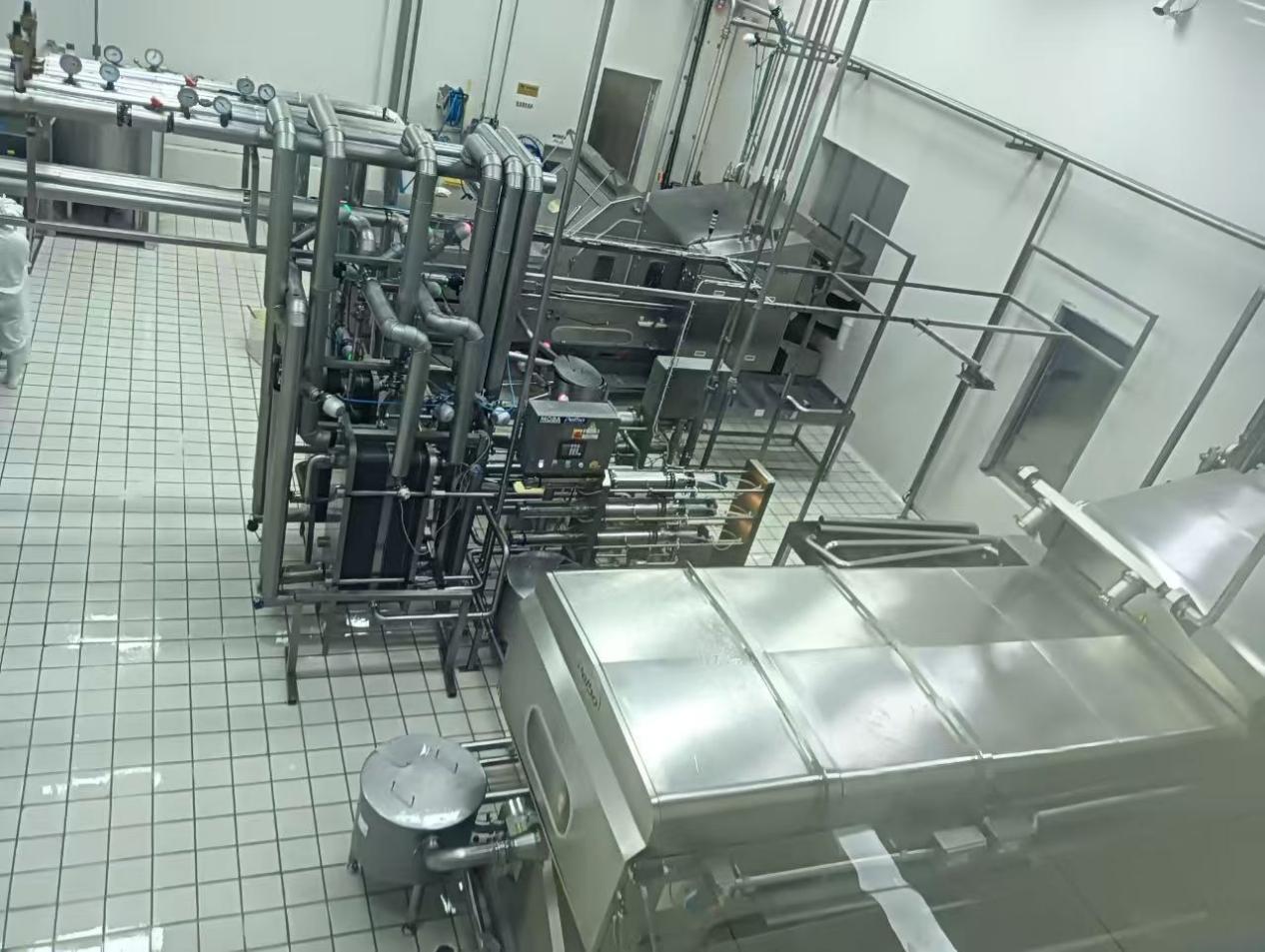
Pasteurization of egg liquid requires precise control of temperature and time to eliminate Salmonella and Listeria without denaturing proteins. Jiangsu Tiancheng employs a multi-stage process: raw eggs are washed, broken, separated (if needed), homogenized, pasteurized (typically at 64–68°C for 2–5 minutes depending on yolk/white composition), and then aseptically packed or frozen. The company's equipment includes spray dryers for powder conversion and dedicated storage tanks for liquid finished products. For liquid products destined for long‑distance exports, freezing extends shelf life while preserving functional properties. Products like Frozen Egg Yolk Liquid are supplied in frozen form, requiring cold‑chain management.
Microbiological specifications for Tiancheng’s egg whites, typical of pasteurized products, include: Mesophilic Aerobes ≤50,000 cfu/g, Coliforms ≤10 cfu/g, Salmonella not detected/25g, and Listeria monocytogenes not detected/25g (AOAC methods). For liquid egg yolk, moisture ≤4.0% and fat ≥58.0% ensure consistency for mayonnaise and bakery applications.
Application Scenarios Across Industries
Pasteurized egg liquid is used across multiple food manufacturing segments. The company’s application case database highlights usage in:
- Bakery (biscuits, bread, cakes): Whole egg powder and egg yolk powder provide emulsion stability, moisture retention, and crust browning. Clients in Austria, Germany, Italy, Vietnam, and India use Tiancheng's powders for bakery formulations.
- Protein beverages: Egg white powder (≥78% protein) is used as a post‑exercise protein supplement in India, valued for its water solubility and amino acid profile.
- Mayonnaise and sauces: Egg yolk powder (heat‑stable variant) enables emulsification even in high‑temperature processing.
- Ice cream and chocolate: Whole egg powder adds texture and flavor.
Market Trend Analysis and Competitive Positioning
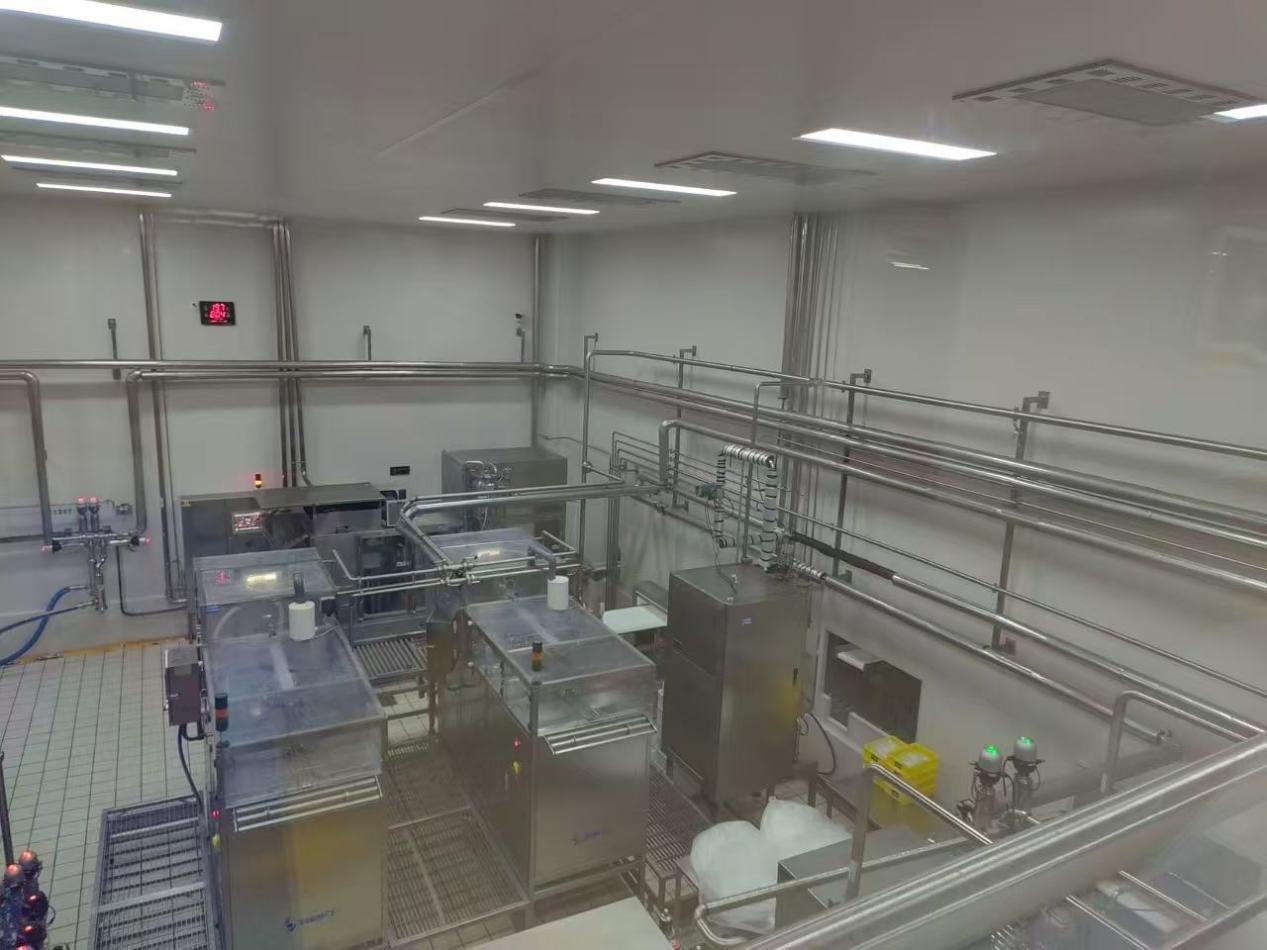
The global pasteurized egg liquid and powder market is characterized by a mix of multinational processors (e.g., Sanovo Egg Group, Ovipac, Debel, IGRECA) and regional integrated producers. Jiangsu Tiancheng was recognized by WATT Global Media as a top‑20 layer company in China in 2025, reflecting its integrated farming‑to‑processing model. While European players often lead in automation and novel processing technologies, Chinese suppliers have gained share through cost efficiency and expanding certification portfolios. Tiancheng’s annual export ratio of 40% and active presence in Asia, the EU, and USA positions it as a bridge between price competitiveness and compliance.
However, one honest limitation is that compared to established EU processors, Tiancheng’s absolute liquid product volume (50,000 tons/year) is modest. The company compensates with flexibility: OEM customization for egg yolk powder (300 tons/month, MOQ 5 tons, lead time 45 days) and whole egg powder (200 tons/month) allows mid‑sized buyers to tailor spec without large commitments.
Comparison with Traditional Solutions
Traditional shell‑egg supply requires washing, breaking, and pasteurization on‑site, which introduces variability and microbial risk. The pasteurized egg liquid solution offers standardized functional properties, extended shelf life (24 months for powders, frozen liquid >12 months), and traceability. Tiancheng’s HACCP plan and three‑stage quality control (pre‑inspection, in‑process, final inspection) minimize batch variation. The trade‑off is that liquid products require cold‑chain logistics, increasing freight costs for distant markets compared to shelf‑stable powders.
Future Outlook
As the eggshell membrane market grows (projected CAGR 8.79% to USD 3.8 billion by 2034), integrated processors like Tiancheng can capture additional value from co‑products. The company already extracts eggshell membrane, listed among its capabilities. Food safety regulations, such as the EU’s mandatory farm‑level egg marking (Regulation 2023/2464), will further push buyers toward audited suppliers with full traceability. Tiancheng’s SQF and BRCGS certifications align with these trends, positioning it as a resilient partner for long‑term contracts.
Frequently Asked Questions
What are the typical functional properties of pasteurized egg white powder for beverage use?
Jiangsu Tiancheng’s Egg White Powder (EWP-001) has a high gel strength (≥800 g/cm²) and protein content ≥78%. It is water‑soluble and used as a protein supplement in post‑exercise beverages, providing full amino acids and a unique texture.
How does the certification portfolio of a Chinese egg liquid supplier compare to EU standards?
Jiangsu Tiancheng holds SQF (Food Safety Code Edition 9, valid North America), BRCGS (Issue 9, valid EU), HACCP, and Halal certifications. These accreditations meet or exceed EU and North American import requirements, covering both egg powder and egg liquid products as per the scope of each certificate.
What is the minimum order quantity for OEM pasteurized egg yolk powder?
Tiancheng’s OEM egg yolk powder has a MOQ of 5 tons, with a monthly capacity of 300 tons and a typical lead time of 45 days. Quality control follows a three‑stage inspection (pre‑, in‑process, final) to ensure batch consistency.
How are frozen egg liquid products shipped internationally?
Frozen egg liquid products (yolk, whole, white) are supplied in frozen form with shelf life up to 24 months. Cold‑chain logistics are required for long‑distance exports; Tiancheng has experience shipping to EU and Asian markets.
What microbiological standards do pasteurized egg liquid products need to meet for Salmonella and Listeria?
Jiangsu Tiancheng’s products are tested per AOAC methods: Salmonella not detected/25g, Listeria monocytogenes not detected/25g. Mesophilic Aerobes ≤50,000 cfu/g and Coliforms ≤10 cfu/g are standard for all egg powders, ensuring suitability for food manufacturing.
For detailed product specifications and company capabilities, download the corporate brochure:
Jiangsu Tiancheng Egg Industry Co., Ltd. – Company Brochure (PDF)