
Pharmaceutical Intermediates Explained: Chemistry, Purity, and Supplier Choice
Industry Reference | Health & Medicine | Pharmaceutical Intermediates
Pharmaceutical intermediates are the advanced chemical compounds that sit one step before the active pharmaceutical ingredient (API) in the drug manufacturing chain. For drug developers and procurement teams, understanding what these intermediates are, how purity is controlled, and what differentiates a manufacturing supplier from a trading intermediary is now a fundamental part of sourcing strategy.
A Large and Expanding Market
The global pharmaceutical intermediates market was valued at approximately USD 37.04 billion in 2025, according to Precedence Research. Generic drug manufacturers held a dominant 53.82% share of the market in 2024, while North America represented 42.23% of global market value in the same year, based on Mordor Intelligence data. China's pharmaceutical industry total exports reached USD 22.53 billion as of December 2024, according to CEIC/OECD figures. These figures indicate a market that is large, geographically concentrated, and increasingly tied to the performance of generic and specialty drug pipelines.
Within this landscape, oncology drug intermediates generated an estimated 37.20% of total industry revenue in 2025, according to Grand View Research. That share reflects the synthesis complexity of targeted cancer therapies, which often require multiple high-grade intermediates across multi-step routes. Peptide and oligonucleotide intermediates are projected to be the fastest-growing segment, with a 8.12% CAGR through 2030, based on Mordor Intelligence projections.
Why High Purity Is the Defining Requirement
High purity is not a marketing attribute in pharmaceutical intermediates; it is a functional necessity. Intermediates with inconsistent purity introduce variability into downstream synthesis, affecting API yield, impurity profiles, and ultimately batch release. For this reason, pharmaceutical manufacturers typically require intermediates with purity of ≥98% to ≥99%, verified by HPLC or GC analysis, and accompanied by a certificate of analysis (COA) for each batch.
Purity requirements extend beyond the assay value. Production environments for high-grade intermediates are expected to control moisture, temperature, light exposure, and oxygen levels to prevent oxidation, decomposition, or the formation of unwanted by-products. In practice, this means sealed reactors, inert gas protection, and temperature-controlled storage from the production line to the point of use.
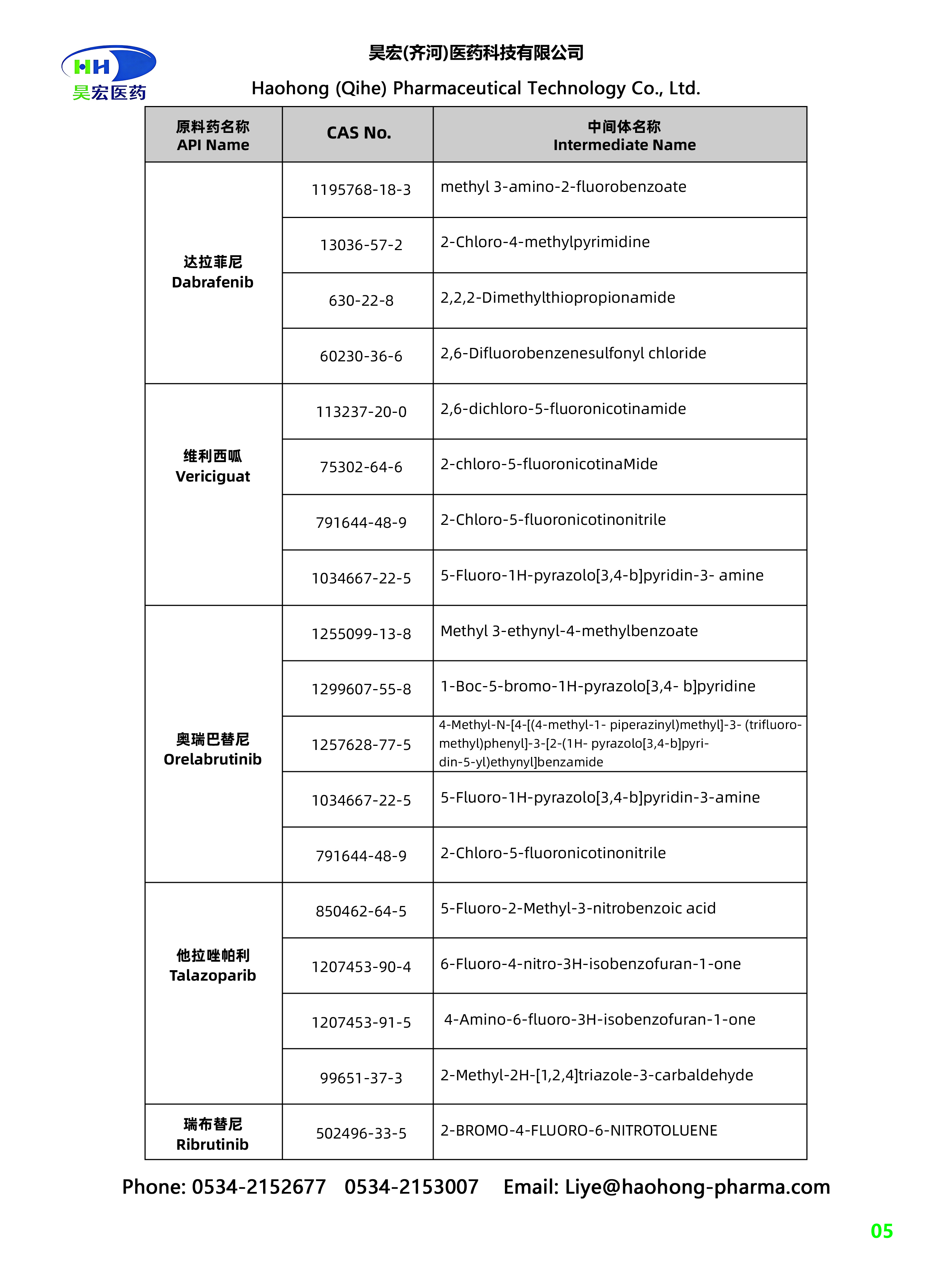
High-purity intermediates for pharmaceutical synthesis are the core output of specialized manufacturers.
Haohong Pharmaceutical: A Manufacturer Built Around High-Grade Intermediates
Haohong (Qihe) Pharmaceutical Technology Co., Ltd. is a pharmaceutical intermediate and API manufacturer established in 2021, based in the Qihe County High-tech Zone, Shandong Province, China. The company focuses on the R&D and custom production of active pharmaceutical ingredients and intermediates for anti-cancer, anti-hepatitis C, and anti-diabetic therapies. It operates a 3,000-square-meter manufacturing facility with approximately 75 employees, including an R&D team of 30 engineers. Annual production capacity reaches 1,000 tons.
Haohong's production base in Liaocheng is equipped with 30 sets of 3,000–5,000L reactors, providing capacity for both commercial-scale production and custom synthesis services ranging from gram scale to hundreds of kilograms. The company exports to the United States, Europe, Japan, India, Bangladesh, and other regions, with export business accounting for 40% of total sales.
In quality management, Haohong passed ISO 9001:2015 quality management system certification in 2021. It was recognized as a Technology-based Small and Medium-sized Enterprise in 2024 and awarded Innovative Small and Medium-sized Enterprise of Shandong Province in 2025. These credentials are verifiable signals for buyers conducting initial supplier screening.
Inside the Production Standard
Pharmaceutical intermediate production for high-purity applications typically follows defined engineering and quality standards. For Haohong's intermediate manufacturing, all material-contact parts use 316L stainless steel, borosilicate glass, and PTFE lining, which minimizes corrosion and avoids heavy-metal contamination. The production workshop meets Class C/D clean grade with closed production processes. Full explosion-proof and anti-static design, together with a nitrogen protection system, supports safe handling of moisture- or oxygen-sensitive reactions.
Reaction systems are fully enclosed to prevent air exposure, and operations are automated and program-controlled. Temperature and humidity are strictly regulated, with low-temperature production used where necessary to avoid oxidation and decomposition. For fluorine-, bromine-, and iodine-containing intermediates, dedicated tail gas absorption and wastewater pretreatment systems are required. Each batch is subject to quality control checks including HPLC, GC, IR, and melting point analysis, with purity targets of ≥98%–99% and full-batch COA documentation.
These engineering choices matter because many oncology intermediates contain halogens or heterocyclic structures that are sensitive to process conditions. A supplier that cannot control the reaction environment or maintain consistent batch-to-batch purity creates avoidable risk for the pharmaceutical buyer.
Three Oncology-Focused Product Lines in Focus
Haohong's main products are high-grade pharmaceutical intermediates for targeted cancer therapies. Three product lines illustrate the depth of its portfolio: Apalutamide intermediates, Abemaciclib intermediates, and Alectinib intermediates.
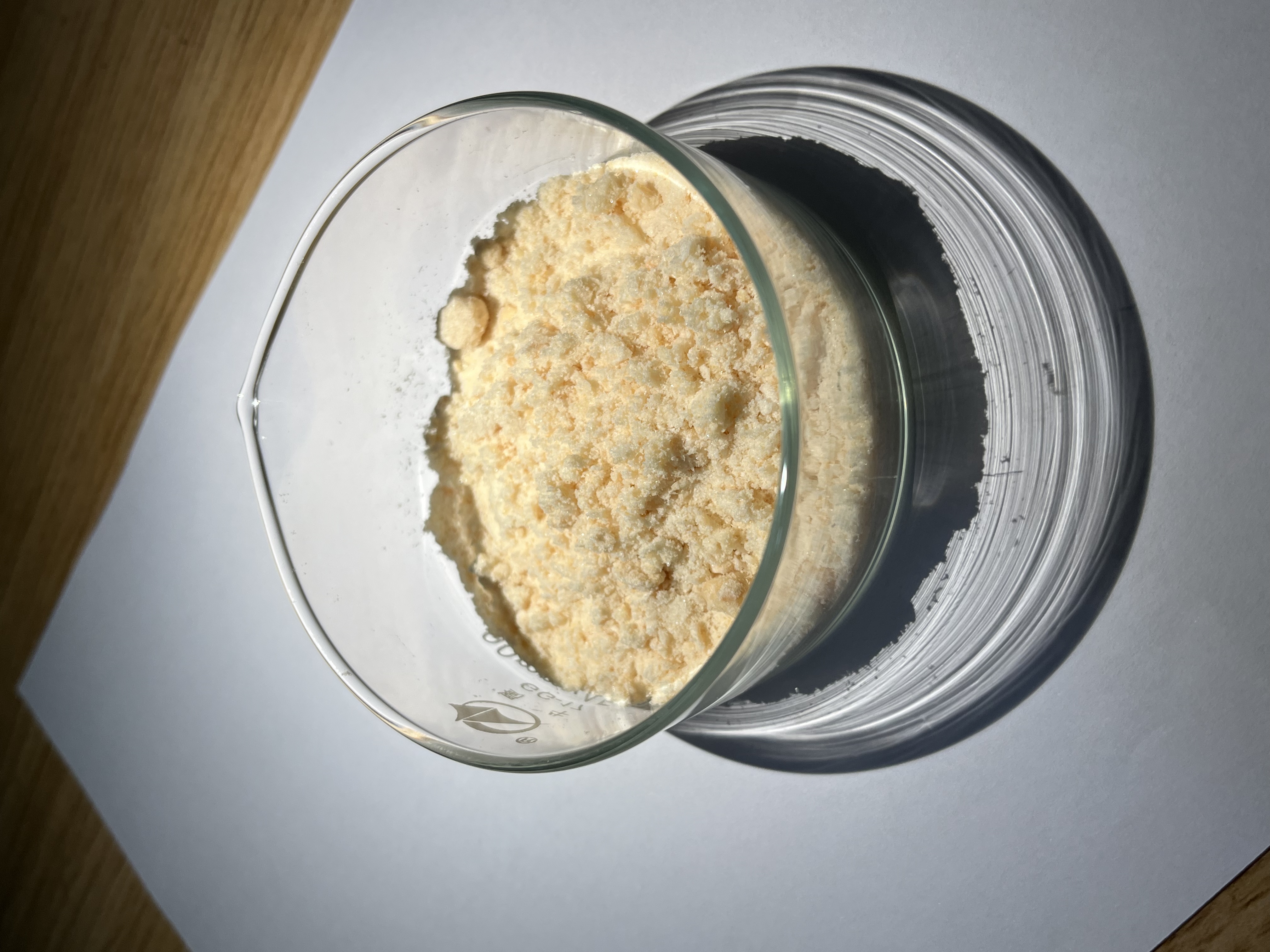
Alectinib intermediate product family includes multiple compounds for the synthesis of this anti-cancer drug.
Apalutamide Intermediates
Apalutamide is an anti-androgen used in oncology, and its synthesis requires fluorinated aromatic intermediates. Haohong supplies a product line that includes 2-Fluoro-4-nitrobenzoic acid (CAS 403-24-7), a fluorinated nitrobenzoic acid organic compound with purity ≥98.0%, and N-Methyl-2-fluoro-4-nitrobenzamide (CAS 915087-24-0) with purity ≥98.0% (HPLC). Additional intermediates in this line cover N-Methyl-2-fluoro-4-aminobenzamide, N-Methyl-2-fluoro-4-bromobenzamide, Methyl 4-bromo-2-fluorobenzoate, and 5-Amino-3-(trifluoromethyl)pyridinecarbonitrile.
Abemaciclib Intermediates
Abemaciclib, a CDK4/6 inhibitor used in breast cancer therapy, relies on a complex heterocyclic backbone. Haohong's Abemaciclib intermediate line includes 4-Bromo-2,6-difluoroaniline (CAS 1868-81-7), 5-[(4-Ethylpiperazin-1-yl)methyl]pyridin-2-amine (CAS 398565-53-2), 2-Bromo-5-formylpyridine (CAS 100422-52-6), 4-Fluoro-2-methyl-1-isopropyl-6-(4,4,5,5-tetramethyl-1,3,2-dioxaborolan-2-yl)-1H-benzimidazole (CAS 1356339-86-7), and 6-Bromo-4-fluoro-1-isopropyl-2-methyl-1H-benzo[d]imidazole (CAS 1356339-85-6). Each compound carries purity specifications of ≥98.0% (HPLC or GC), with defined storage conditions such as sealed, dry, low-temperature, and light-protected environments.
Alectinib Intermediates
Alectinib is a targeted therapy for ALK-positive non-small cell lung cancer. Haohong's Alectinib intermediate line comprises three compounds: 2-(4-Ethylphenyl)-2-methylpropanoic acid (CAS 1247119-83-0, purity ≥98%), 2-(4-Ethyl-3-iodophenyl)-2-methylpropanoic acid (CAS 1256584-73-2, purity ≥98%), and tert-Butyl 6-cyano-2-(2-(4-ethyl-3-iodophenyl)propan-2-yl)-1H-indole-3-carboxylate (CAS 1256584-75-4, purity ≥98% HPLC). The latter is an indole heterocyclic compound that requires storage at 2–8°C, sealed and protected from light.
| Product Line | Key Compounds | CAS Numbers | Purity Specification | Primary Use |
|---|---|---|---|---|
| Apalutamide Intermediates | 2-Fluoro-4-nitrobenzoic acid; N-Methyl-2-fluoro-4-nitrobenzamide; others | 403-24-7; 915087-24-0 | ≥98.0% (HPLC) | Apalutamide synthesis; anti-cancer drug R&D |
| Abemaciclib Intermediates | 4-Bromo-2,6-difluoroaniline; 5-[(4-Ethylpiperazin-1-yl)methyl]pyridin-2-amine; 2-Bromo-5-formylpyridine; boronic ester and benzimidazole derivatives | 1868-81-7; 398565-53-2; 100422-52-6; 1356339-86-7; 1356339-85-6 | ≥98.0% (HPLC/GC) | Abemaciclib R&D and production |
| Alectinib Intermediates | 2-(4-Ethylphenyl)-2-methylpropanoic acid; 2-(4-Ethyl-3-iodophenyl)-2-methylpropanoic acid; tert-Butyl 6-cyano-2-(2-(4-ethyl-3-iodophenyl)propan-2-yl)-1H-indole-3-carboxylate | 1247119-83-0; 1256584-73-2; 1256584-75-4 | ≥98% | Alectinib synthesis |
Beyond these three oncology lines, the company's catalog also includes intermediates for Bicalutamide, Enzalutamide, Darolutamide, Venetoclax, and additional compounds such as chiral intermediates—for example, (R)-(-)-2-Amino-1-propanol (CAS 35320-23-1)—and a range of high-purity building blocks including quinuclidine (CAS 100-76-5) and 7-nitroindole (CAS 6960-42-5).
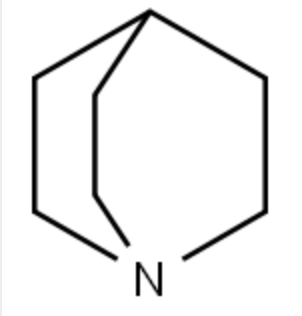
Quinuclidine (CAS 100-76-5) is one example of the broader high-purity intermediate compounds available.
Application Landscape: Where These Intermediates Are Used
Pharmaceutical intermediates serve as key upstream materials for the R&D and large-scale production of human and veterinary medicines, including anti-cancer, anti-viral, and anti-infective drugs. According to the application specifications for Haohong's product lines, the intermediates are applied in pharmaceutical manufacturing, anti-cancer drug and targeted therapy synthesis, API raw material production, innovative drug and generic drug R&D, biopharmaceutical research, and high-end fine chemicals.
Beyond oncology, the same class of intermediates appears in anti-viral drug projects, anti-infective and anti-inflammatory projects, cardiovascular and cerebrovascular drug projects, and hypoglycemic and lipid-lowering drug projects. The functional role is the same regardless of therapeutic area: intermediates provide structurally mature, high-purity compounds that shorten synthetic procedures, simplify R&D and production processes, and reduce manufacturing costs as well as environmental and safety pressure.
Market Trend Analysis: What the Data Signals for Buyers
Several independent data points define the current direction of the pharmaceutical intermediates market:
| Metric | Value | Year | Source |
|---|---|---|---|
| Global pharmaceutical intermediates market size | USD 37.04 billion | 2025 | Precedence Research |
| Generic drug manufacturers market share | 53.82% | 2024 | Mordor Intelligence / BioSpace |
| North America regional share | 42.23% | 2024 | Mordor Intelligence |
| Oncology drug intermediates revenue share | 37.20% | 2025 | Grand View Research |
| Peptide & oligonucleotide intermediates CAGR | 8.12% | Through 2030 | Mordor Intelligence |
| China pharmaceutical industry total exports | USD 22.53 billion | Dec 2024 | CEIC / OECD |
For pharmaceutical procurement teams, these trends suggest three practical takeaways. First, the dominance of oncology intermediates means that suppliers with demonstrated capabilities in complex heterocyclic and fluorinated chemistry are increasingly valuable. Second, the strong generic manufacturing segment (53.82% share) means that cost-effective, scalable production of established intermediates remains a core requirement. Third, the projected growth in peptide and oligonucleotide intermediates indicates that the market is shifting toward more complex molecular modalities, which may require a different set of supplier capabilities than traditional small-molecule intermediates.
In-House Synthesis vs. Specialized Manufacturers
A recurring decision for drug developers is whether to synthesize intermediates internally or purchase them from a specialized manufacturer such as Haohong Pharmaceutical. The traditional in-house route provides maximum process control, confidentiality, and alignment with proprietary synthetic routes. However, it also requires substantial capital investment in reactors, analytical instruments, cleanroom infrastructure, and a qualified production team. In-house synthesis can become inefficient when volumes fluctuate or when the intermediate is needed only for early-stage development.
Working with a specialized manufacturer shifts the capital burden to the supplier and offers access to established production lines, analytical capacity, and experienced process chemists. For a company like Haohong, this includes 3,000–5,000L reactor capacity, an R&D team of 30 engineers, custom synthesis from gram to hundreds of kilograms, and full analytical testing capability. It also creates an economy of scale that can reduce the total cost of intermediate supply.
Regulatory Boundaries Buyers Should Keep in Mind
Purchasing pharmaceutical intermediates does not transfer regulatory responsibility away from the drug manufacturer. The FDA's ICH Q7 guidance provides the primary Good Manufacturing Practice (GMP) framework for APIs and their intermediates, and pharmaceutical companies are expected to ensure that incoming materials are produced under suitable controls. In practice, this means verifying that suppliers maintain quality systems, providing certificates of analysis, and conducting periodic audits.
Additional regional requirements can apply. In the European Union, pharmaceutical intermediates imported in volumes exceeding one tonne per year must comply with REACH registration (EC 1907/2006), despite API exemptions. Buyers sourcing from non-EU manufacturers should confirm whether the supplier has fulfilled REACH obligations or whether the buyer must assume importer responsibilities.
Future Outlook: Toward More Complex Intermediates
The pharmaceutical intermediates market is expected to remain tightly linked to the direction of drug innovation. The growth of targeted oncology therapies, the projected 8.12% CAGR in peptide and oligonucleotide intermediates, and the continued scale of generic drug manufacturing all point to a common conclusion: the demand for specialized, high-purity intermediates will keep rising. Suppliers with depth in R&D, controlled production processes, and the ability to move from gram-scale custom synthesis to bulk commercial supply will be better positioned to support the next generation of medicines.
For buyers, the practical implication is to evaluate suppliers not only on price and current availability, but also on their technical capability, quality systems, production capacity, and willingness to operate as a long-term manufacturing partner rather than a transactional source.
For a more detailed overview of Haohong Pharmaceutical's production capabilities and product portfolio, the company's corporate brochure is available for public access and download: Haohong Pharmaceutical Corporate Brochure.
FAQ
What is a pharmaceutical intermediate?
A pharmaceutical intermediate is a key intermediate raw material between the fine chemical and pharmaceutical industries. As pre-semi-finished products for synthesizing Active Pharmaceutical Ingredients (API), intermediates are produced from basic chemical raw materials through further chemical processing. They provide pharmaceutical enterprises with structurally mature and high-purity intermediate compounds, simplifying R&D and production processes.
What is the difference between a pharmaceutical intermediate and an API?
A pharmaceutical intermediate is a pre-semi-finished compound that requires further chemical processing to become an active pharmaceutical ingredient. It sits before the API in the synthesis chain and is used to build the final drug substance. The intermediate helps shorten synthetic procedures and reduce production costs before the API is formed through subsequent reactions.
What are the main product lines of Haohong Pharmaceutical?
Haohong Pharmaceutical focuses on high-grade intermediates for anti-cancer, anti-hepatitis C, and anti-diabetic therapies. Main products include Apalutamide intermediates, Abemaciclib intermediates, Alectinib intermediates, as well as Bicalutamide, Enzalutamide, Darolutamide, Venetoclax, and other high-grade intermediates. The company also offers custom synthesis services from gram scale to hundreds of kilograms.
What quality indicators should buyers check for pharmaceutical intermediates?
Buyers should check purity (typically ≥98%–99% by HPLC or GC), appearance, melting point, and storage conditions for each intermediate. A certificate of analysis (COA) covering full batch inspection is expected. Supplying production under ISO 9001:2015 quality management systems and using controlled production environments, including Class C/D clean grade workshops and inert gas protection, are additional quality indicators.
Which markets does Haohong Pharmaceutical serve?
Haohong Pharmaceutical exports to the United States, Europe, Japan, India, Bangladesh, and other regions. Export business accounts for 40% of total sales. The company's major markets include China, the United States, Europe, Japan, India, and Bangladesh.
How do regulatory frameworks affect pharmaceutical intermediate sourcing?
ICH Q7 is the primary GMP guidance for active pharmaceutical ingredients and their intermediates, placing responsibility on the pharmaceutical manufacturer to ensure incoming materials are produced under suitable controls. In the EU, pharmaceutical intermediates imported above one tonne per year must comply with REACH registration despite API exemptions. Buyers should verify supplier compliance with these frameworks during qualification.