
Pharmaceutical Intermediates in Focus: Haohong Pharmaceutical’s Role in Advancing Global Drug Synthesis
The Indispensable Role of Pharmaceutical Intermediates in Modern Drug Development
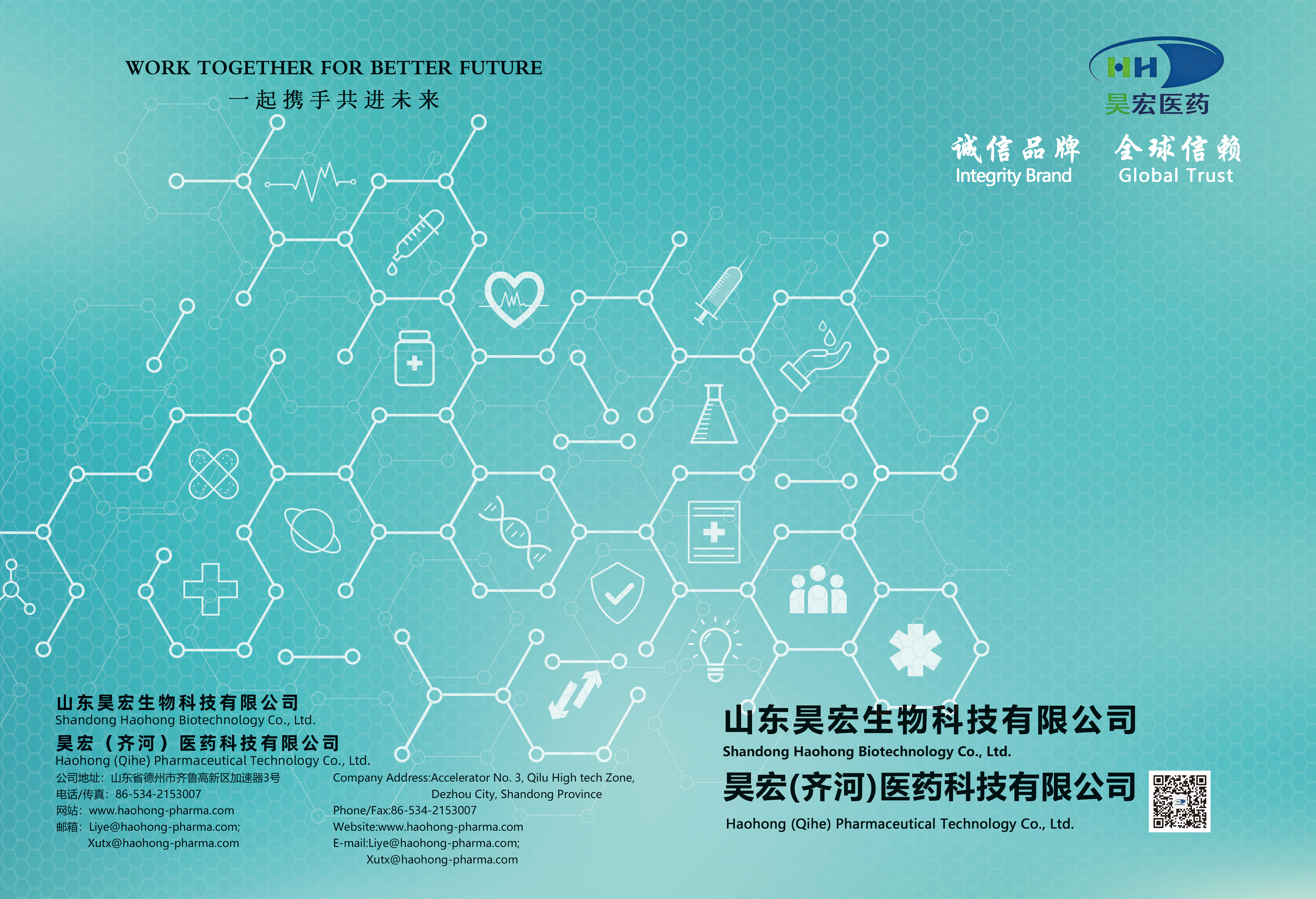
Pharmaceutical intermediates are the molecular bridges between basic chemical raw materials and active pharmaceutical ingredients (APIs). By providing structurally defined, high-purity compounds, specialized suppliers shorten synthetic routes, reduce production costs, and significantly lower environmental and safety burdens for drug manufacturers. Haohong (Qihe) Pharmaceutical Technology Co., Ltd., established in 2021 and headquartered in Qihe County High-tech Zone, Shandong Province, is a focused supplier of high-grade pharmaceutical intermediates for anti-cancer, anti-hepatitis C, and anti-diabetic therapies.
Market Opportunity: Growing Demand for High-Purity Intermediates
The global pharmaceutical intermediates market was valued at approximately USD 37.04 billion in 2025, with generic drug manufacturers holding a dominant 53.82% share in 2024. Notably, oncology drug intermediates generated 37.20% of total industry revenue in 2025, driven by the increasing complexity of targeted therapies and antibody-drug conjugates. This creates a sustained need for suppliers capable of delivering consistent, high-purity intermediates at commercial scale.
Haohong Pharmaceutical’s Solution: Specialized R&D and Flexible Production
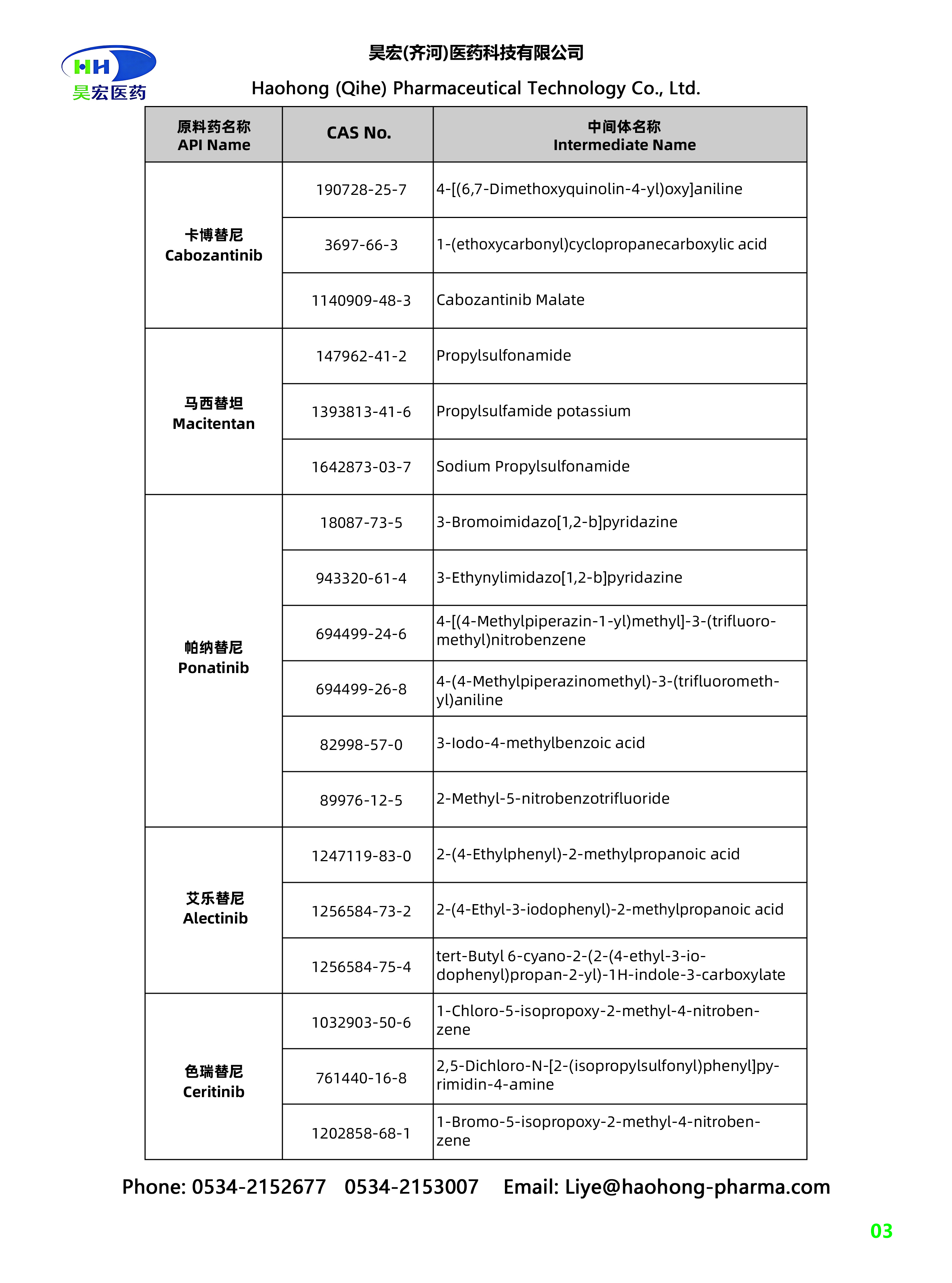
Haohong focuses on the development of active pharmaceutical ingredients and intermediates for anti-cancer, anti-hepatitis C, and anti-diabetic therapies. Its main product portfolio includes high-grade intermediates such as Apalutamide intermediates, Abemaciclib intermediates, Alectinib intermediates, as well as Bicalutamide, Enzalutamide, Darolutamide, Venetoclax, and many others. The company employs approximately 75 staff, with a dedicated research and development team of 30 engineers. Its manufacturing facility covers 3,000 square meters, and the production base in Liaocheng is equipped with 30 sets of 3,000–5,000L reactors, enabling an annual production capacity of 1,000 tons. Haohong passed ISO 9001:2015 quality management system certification in 2021, was recognized as a Technology-based Small and Medium-sized Enterprise in 2024, and awarded Innovative Small and Medium-sized Enterprise of Shandong Province in 2025.
Key Product Example: Apalutamide Intermediate
The Apalutamide intermediate product line includes compounds such as 2-Fluoro-4-nitrobenzoic acid (CAS 403-24-7, purity ≥98.0%) and N-Methyl-2-fluoro-4-nitrobenzamide (CAS 915087-24-0, purity ≥98.0% by HPLC). These fluorinated nitrobenzoic acid derivatives are essential building blocks in the synthesis of the anti-cancer drug Apalutamide. All intermediates undergo rigorous quality control with batch-level HPLC/GC analysis, and are stored under sealed, dry conditions at room temperature to maintain stability.
Technical Capabilities: Custom Synthesis from Gram to Hundred-Kilogram Scale
Haohong provides efficient custom synthesis services ranging from gram scale to hundreds of kilograms, catering to both early-stage drug R&D and commercial production. The company’s production environment employs fully enclosed reaction systems to prevent air exposure, suitable for sterile and oxygen-free processes. All material contact parts use 316L stainless steel, borosilicate glass, and PTFE lining to avoid contamination and ensure compliance with Class C/D clean-grade standards. Each batch is traceable via a complete qualification and batch traceability system.
Application Scenarios: Serving Anti-Cancer and Anti-Viral Drug Projects
Pharmaceutical intermediates from Haohong are applied in the pharmaceutical industry, particularly in anti-viral and anti-cancer drug projects, serving as key intermediate raw materials for synthesizing APIs. The company’s products are exported to the United States, Europe, Japan, India, Bangladesh, and other regions, with export business accounting for 40% of total sales. Major markets include China, North America, Europe, Japan, India, and Bangladesh.
Market Trend Analysis: Regional and Segment Dynamics
North America represented 42.23% of the global pharmaceutical intermediates market value in 2024, underscoring the region’s heavy investment in innovative drug R&D. China’s pharmaceutical industry total exports reached USD 22.53 billion as of December 2024, reflecting the country’s expanding manufacturing capabilities. Looking ahead, peptide and oligonucleotide intermediates are projected to be the fastest-growing segment with an 8.12% CAGR through 2030, driven by advances in precision medicine. These trends reinforce the importance of suppliers that can combine rigorous quality standards with flexible, scalable production.
Comparison with Traditional In-House Synthesis
Traditionally, many pharmaceutical companies synthesized key intermediates internally, which often required extensive process development, specialized equipment, and compliance overhead. Partnering with a specialized supplier like Haohong allows drug developers to reduce capital expenditure, shorten time-to-market, and focus on core drug formulation and clinical activities. One honest limitation of outsourcing is that suppliers may not always have deep expertise for every ultra-rare or highly novel intermediate; however, Haohong’s team of 30 engineers and flexible custom synthesis service mitigates this gap for the majority of oncology, antiviral, and metabolic targets.
Future Outlook: Specialization and Quality as Competitive Advantages
As drug molecules become more complex—particularly in oncology and peptide therapeutics—the demand for high-purity, regulation-compliant pharmaceutical intermediates will continue to rise. Haohong’s strategic positioning in high-grade intermediates, combined with its ISO 9001 certification, technology-based SME recognition, and growing export footprint, positions it well to serve global pharmaceutical innovators and generic manufacturers alike.
For a detailed overview of Haohong’s product portfolio and manufacturing capabilities, please refer to the company brochure: Download Brochure (PDF)
Frequently Asked Questions (FAQ)
Q: What are pharmaceutical intermediates and why are they important?
A: Pharmaceutical intermediates are key intermediate raw materials between basic chemical raw materials and APIs. They are structurally mature compounds that simplify the R&D and production processes of new drugs, reduce synthesis steps, and lower production costs as well as environmental and safety pressures. They are indispensable core upstream materials for human and veterinary medicines.
Q: What purity levels can Haohong achieve for its intermediates?
A: Haohong typically guarantees purity ≥98.0% (HPLC/GC) for its standard intermediates. For specific products such as 2-Fluoro-4-nitrobenzoic acid (CAS 403-24-7), purity is ≥98.0%, and for N-Methyl-2-fluoro-4-nitrobenzamide (CAS 915087-24-0), purity is ≥98.0% by HPLC. The company performs full batch inspection with COA documentation.
Q: Does Haohong offer custom synthesis services for non-standard intermediates?
A: Yes. Haohong provides efficient custom synthesis services ranging from gram scale to hundreds of kilograms. The company’s R&D team of 30 engineers can develop and scale up custom intermediates to meet specific customer requirements.
Q: Which quality certifications does Haohong hold?
A: Haohong passed ISO 9001:2015 quality management system certification in 2021. In 2024 it was recognized as a Technology-based Small and Medium-sized Enterprise, and in 2025 it was awarded Innovative Small and Medium-sized Enterprise of Shandong Province.
Q: To which regions does Haohong export its pharmaceutical intermediates?
A: Products are exported to the United States, Europe, Japan, India, Bangladesh, and other regions. Export business accounts for 40% of total sales. Major markets include China, the United States, Europe, Japan, India, and Bangladesh.
Have Questions or Need More Details?
Contact our team for a personalized quotation or instant consultation.
Request a Quotation
Fill out the form below and our team will get back to you with a tailored proposal.
WhatsApp Direct Chat
Prefer to chat in real-time? Message us on WhatsApp for instant assistance & quick answers.
- Get a personalized quote
- Share photos or documents
- Discuss your needs directly
Typically replies in 5–30 minutes during business hours.