
Pharmaceutical Packaging Machines: Cost, Risk, and Throughput Compared
Pharmaceutical packaging is rarely a one-machine decision. For buyers evaluating a pharmaceutical packaging machine for solid-dose products, the practical question is whether to invest in an integrated line or to combine a blister packaging machine with a standalone cartoning machine. The answer depends on output targets, labor cost, quality risk, floor space, and the cost of downtime.
An integrated pharmaceutical packaging line combines several operations into one automated process. Zhejiang Hoping Machinery Co., Ltd. (HOPING), a manufacturer established in 2001 and based in Ruian, Zhejiang Province, China, offers such lines as part of its product range, which includes blister packaging machines, cartoning machines, case packers, and end-of-line packaging equipment. HOPING's integrated line is positioned for buyers who need high-capacity, low-touch packaging for solid dosage forms.
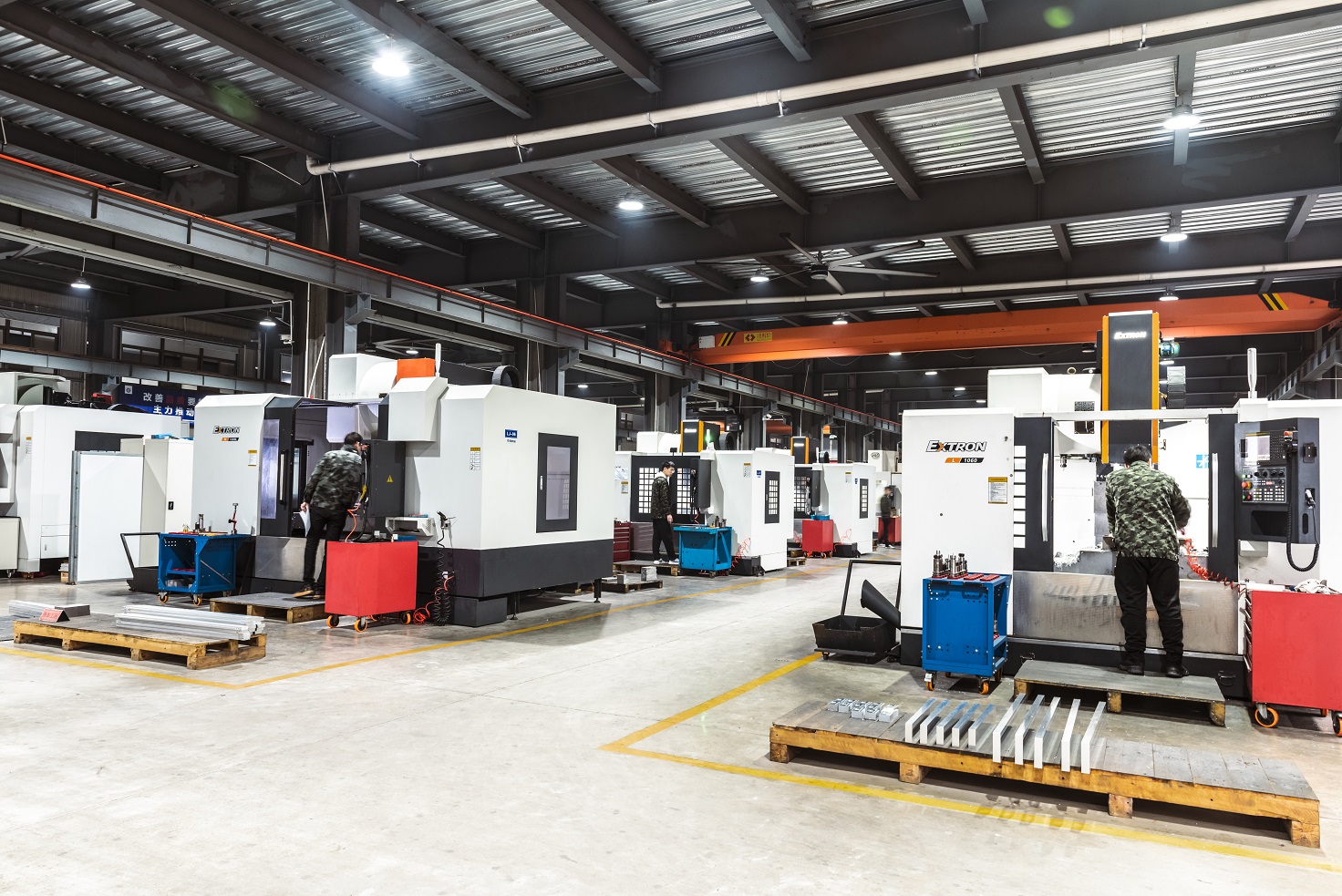
Machining workshop where pharmaceutical packaging equipment is produced and assembled.
Why the Integrated vs. Traditional Comparison Matters
Many packaging projects start with a simple requirement: a tablet blister packaging machine or a capsule blister packaging machine. But the real process starts before the blister and continues after it: leaflets must be folded, cartons opened, blisters inserted, codes printed, and faulty products removed. In traditional layouts, these steps are handled by a blister machine, manual transfer, and a standalone cartoner. That approach can be practical for low volumes, but it creates friction points: repeated handling, higher labor needs, more floor traffic, and a higher risk of missing or mislabeled items.
That friction is the reason decision-stage buyers compare integrated lines against traditional setups. An integrated solution is not simply a higher-speed version of a standalone blister packaging machine. It is a different operating model: material flows from blister forming to the carton reject station without being manually staged between machines.
From a cost perspective, the comparison is not one line item. A lower upfront price can lose its advantage if manual transfer adds workers, if quality checks require extra inspection, or if a carton jam stalls output. On the other hand, an integrated line requires a more rigorous validation process and a higher initial investment. The buyer's task is to compare total cost of operation, not just purchase price.
The Integrated Line in Context: What HOPING Offers
Within this context, HOPING's integrated line is designed to bring the full sequence into one automated process. According to the company's product documentation, the line combines blister packaging, blister transfer, leaflet handling, carton opening, insertion, inspection/rejection, and downstream connection into one automated process. Compared to a traditional layout—blister machine plus manual transfer plus standalone cartoner—the integrated line reduces manual intervention by design.
HOPING positions this configuration for large-scale solid dosage pharmaceutical packaging and high-capacity workshops that require reduced manual contact. The representative DHL1000/5H model can reach up to 1000 blisters per minute and 500 cartons per minute. Actual output, the company states, depends on product format, quantity per carton, materials, and process conditions.
Company-level facts help explain the manufacturing base behind that claim. HOPING was founded in 2001, employs more than 300 people, and has an annual output of 500 units. The R&D team includes 56 engineers. The company reports 26 invention patents, 70 utility patents, 4 appearance patents, 10 PCT-protected applications in Europe, Russia, Germany, Italy and other countries, and 28 software copyrights. HOPING also states that it has CE certification and ISO 9001/14001 certification, according to verified company information.
Technical Explanation: How an Integrated Line Works
Understanding how an integrated line works helps buyers evaluate whether it fits their process. In a typical HOPING blister-cartoning line, the system is divided into modular stations: a blister packaging machine forms and seals the blister, a transfer system moves the blisters downstream, a leaflet feeder provides package inserts, a cartoner opens the carton and inserts the blister, and an inspection/rejection system removes faulty products. The final module connects to downstream case packing or end-of-line equipment.
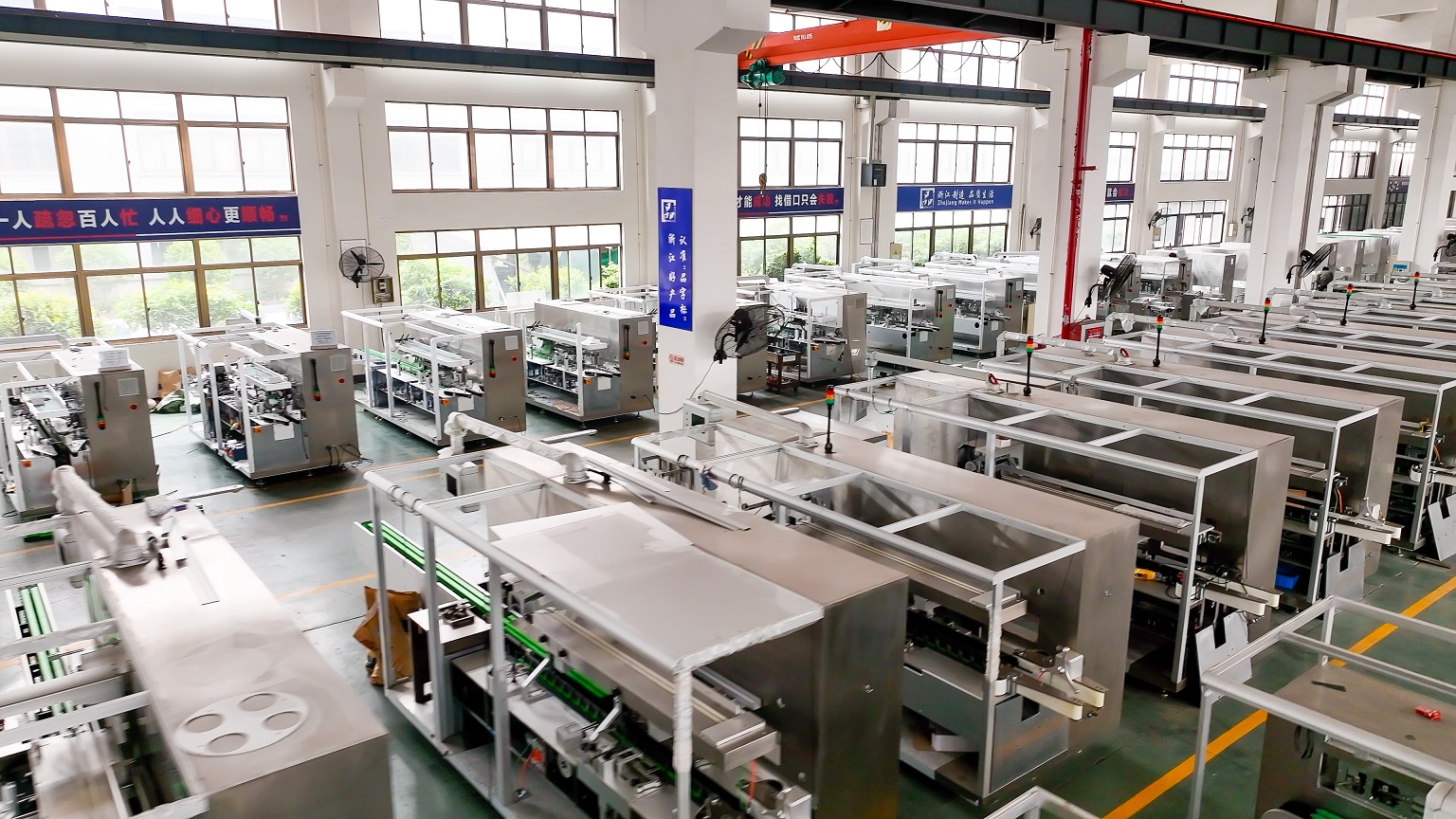
High-speed cartoner workshop used for building integrated pharmaceutical packaging lines.
At the control level, the line uses centralized control and modular stations. Alarm indication, parameter management, and fault records help operators maintain stable production. The use of a fully servo-driven system is intended to improve motion synchronization and operating efficiency, although actual energy consumption must be measured under real on-site output, running hours, and configuration.
Risk management is a central part of the technical design. In pharma packaging, the critical risks include poor blister forming or sealing, missing or wrong product feeding, missing leaflets, carton jams, coding or date printing errors, foreign matter, contamination, and downtime at high speed. HOPING's approach includes sensor monitoring, vision or checkweighing inspection where configured, missing-product alarms, automatic stop, automatic rejection, key-parameter locking, fault recording, mechanical safety protection, and acceptance testing such as FAT/SAT. The company also recommends confirming samples and packaging materials early in the project, designing around actual blister and carton formats, conducting no-load and material tests before shipment, and providing installation, commissioning, training, spare parts, and remote technical support.
Application / Use Cases
Integrated pharmaceutical packaging lines are not universal solutions. HOPING's integrated line is most suitable for large-scale solid dosage production and high-capacity workshops where reduced manual contact is a priority. That profile typically includes manufacturers producing tablets or capsules in continuous high-volume runs, often with multiple formats but with enough time between changeovers to justify a fully integrated line.
The line is also relevant for projects where stability and traceability matter. Because the line connects blister output directly to cartoning and downstream handling, it reduces the need to stage work-in-progress between machines. For an established manufacturer expanding packaging capacity, this can improve floor-space utilization and simplify line supervision.
At the same time, the configuration may not be the best first choice for a small-batch or start-up operation with frequent format changes and very low output volumes. The economics of an integrated line are stronger when the line can operate at high utilization. A buyer comparing a blister packaging machine and cartoning machine for low-volume, high-mix production would need to look carefully at changeover time and capacity balancing.
Market Trend Analysis
Market data helps put the comparison into context. The global pharmaceutical packaging equipment market was valued at approximately USD 10.71 billion in 2024, according to SkyQuest Technology. The pharmaceutical blister packaging machine market is projected to reach USD 2.57 billion by 2025 with a CAGR of 2.8%, according to Custom Market Insights. In the cartoning segment, the pharmaceutical automatic cartoning machinery market was valued at USD 1.46 billion in 2024, based on Fortune Business Insights data.
Geographically, Asia Pacific held the largest revenue share of 40.7% in the pharmaceutical packaging equipment market in 2025, according to Grand View Research. This regional concentration is relevant because many equipment buyers and manufacturers are active in Asian markets, where both labor dynamics and scale of production influence equipment choices.
Compliance expectations also shape the comparison. Pharmaceutical packaging machines typically need to meet GMP-related requirements; ISO 15378 is the standard that integrates GMP requirements for primary packaging materials. In the European market, packaging machines must comply with the Machinery Directive 2006/42/EC and the EN 415 series for packaging machines. These standards add a layer of documentation, risk assessment, and validation that buyers should include in the comparison.
Comparison with Traditional Solutions
To make the integrated versus traditional comparison more concrete, the table below summarizes the main differences identified in HOPING's product documentation.
| Dimension | Traditional Blister + Manual Transfer + Standalone Cartoner | Integrated Blister-Cartoning Line |
|---|---|---|
| Process flow | Separate machines with manual transfer and intermediate staging | Blister packaging, transfer, leaflet handling, carton opening, insertion, inspection/rejection, and downstream connection in one process |
| Manual intervention | Higher; operators needed to move blisters and manage line interfaces | Reduced by design |
| Representative output | Varies by machine configuration and manual workload | DHL1000/5H up to 1000 blisters/min and 500 cartons/min; depends on product format, quantity per carton, materials, conditions |
| Initial investment | Usually lower | Usually higher |
| Operating cost context | More labor, transfer, and management steps in continuous production | Can reduce labor, transfer, management, and quality-risk costs at scale |
| Maintenance | Machine-specific; more manual points to supervise | Centralized control and modular stations; training, spare-parts management and preventive maintenance remain important |
The traditional approach can be a rational choice for low-speed or semi-automatic use. But in high-volume production, the cost of manual handling is not only wages. It also includes the risk of missing items, wrong counts, unreadable codes, and the time needed to manage work in progress. An integrated line shifts many of those tasks to automated stations, but that does not eliminate the need for process control. The company states that actual output depends on product format, quantity per carton, materials, and process conditions. In other words, line performance must be validated with the buyer's own packaging materials.
Traditional solutions can also take the form of a low-speed semi-automatic blister-cartoning line or a conventional non-full-servo link line. Both are typically less expensive to acquire, but they involve more manual steps and less integrated control.
One limitation of the integrated line should be obvious: the upfront cost. HOPING states that the initial investment is usually higher than standalone or semi-automatic equipment, but it helps reduce labor, transfer, management, and quality-risk costs in large-scale continuous production. Buyers should therefore compare not only sticker price but the cost per pack produced over the equipment lifecycle.
Another boundary is maintenance complexity. Centralized control and modular stations support routine maintenance, but HOPING emphasizes that operator training, spare-parts management, and preventive maintenance remain important. A fully integrated line can concentrate quality risk if one station is not properly maintained. That does not mean the line is fragile; it means the buyer's maintenance plan should be part of the decision.
Future Outlook
The direction of the pharmaceutical packaging equipment market points toward more integrated and digitally controllable lines. This is not an argument against standalone machines; many plants will always need flexible single machines. But for high-volume solid-dose production, the need to reduce manual contact and improve traceability is likely to favor integrated systems.
At the same time, the regulatory environment will keep raising the bar. ISO 15378 and the EN 415 series are examples of standards that force equipment suppliers and buyers to think about packaging as part of a quality system, not just as a production step. Buyers can expect future projects to demand clearer documentation, more robust alarm and reject logic, and more rigorous validation protocols.
From a supplier perspective, the ability to provide installation, commissioning, training, spare parts, and remote technical support will remain part of the evaluation. The machinery itself is only one component of a production outcome.
FAQ
What is the difference between a blister packaging machine and an integrated pharmaceutical packaging line?
A blister packaging machine forms and seals blisters, typically for tablets or capsules. An integrated pharmaceutical packaging line goes further: it combines blister packaging, blister transfer, leaflet handling, carton opening, insertion, inspection/rejection, and downstream connection into one automated process. This reduces manual intervention compared to a traditional setup of a blister machine plus manual transfer plus standalone cartoner.
What output can the HOPING DHL1000/5H integrated line achieve?
According to HOPING, the representative DHL1000/5H model can achieve up to 1000 blisters per minute and 500 cartons per minute. Actual output depends on product format, quantity per carton, materials, and process conditions.
Is an integrated pharmaceutical packaging line more expensive than a traditional solution?
The initial investment for an integrated line is usually higher than for standalone or semi-automatic equipment. However, in large-scale continuous production, reducing manual transfer and intermediate handling may lower labor, management, and quality-risk costs. Buyers need to compare lifecycle cost rather than upfront price alone.
What risks need to be controlled on an integrated blister-cartoning line?
The main risks include poor blister forming or sealing, missing or wrong product feeding, missing leaflet, carton jam, coding errors, contamination, and downtime at high speed. HOPING addresses these with sensor monitoring, vision or checkweighing inspection where configured, missing-product alarms, automatic stop, automatic rejection, and key-parameter locking.
What standards apply to pharmaceutical packaging machines?
Pharmaceutical packaging machines must often comply with GMP-related requirements. ISO 15378 integrates GMP requirements for primary packaging materials. In the EU, packaging machines must comply with the Machinery Directive 2006/42/EC and the EN 415 series for packaging machines.
What kind of production environment is best suited to an integrated line?
Integrated lines are designed for large-scale solid dosage pharmaceutical packaging and high-capacity workshops that require reduced manual contact. They are best used when production volumes justify continuous operation and when the packaging formats are stable enough to support changeover management.
A company brochure with product specifications and background information is available at the following link: Hoping Machinery Catalog.
Have Questions or Need More Details?
Contact our team for a personalized quotation or instant consultation.
Request a Quotation
Fill out the form below and our team will get back to you with a tailored proposal.
WhatsApp Direct Chat
Prefer to chat in real-time? Message us on WhatsApp for instant assistance & quick answers.
- Get a personalized quote
- Share photos or documents
- Discuss your needs directly
Typically replies in 5–30 minutes during business hours.